Table of Contents >> Show >> Hide
- Why Forgotten Produce Deserves a Comeback
- The List: 10 Forgotten Fruits & Vegetables (and How to Love Them)
- 1) Pawpaw: The “Tropical” Fruit That Forgot It Lives in the Midwest
- 2) American Persimmon: Nature’s Prank That Turns Into Candy
- 3) Quince: The Rock-Hard Fruit That Becomes Floral Gold
- 4) Serviceberries (Juneberries): The Berry That Tastes Like a Secret
- 5) Ground Cherries: Little Lantern Fruits With Big Main-Character Energy
- 6) Sunchokes (Jerusalem Artichokes): Crunchy, Nutty, and… Infamous
- 7) Rutabaga: The Unsung Hero of Winter Comfort Food
- 8) Cardoon: Celery’s Dramatic Mediterranean Cousin
- 9) Black Salsify (and Scorzonera): The “Vegetable Oyster” Root
- 10) Skirret: The Sweet Root That History Misplaced
- Quick Tips for Buying, Storing, and Actually Using This Stuff
- Bonus: of Real-World “Forgotten Produce” Experience
- Conclusion
If the produce aisle were a party, it would be that one playlist stuck on repeat: apples, bananas, spinach, romaine,
and… more apples. Meanwhile, a whole crew of wildly flavorful fruits and vegetables is standing outside, banging on
the door like, “Hello?? We exist??”
These are the “forgotten” fruits and vegetables: not extinct, not mythical, just underused. Many fell out of favor
because they bruise easily, ripen fast, grow weird, or demand a tiny bit of effortbasically the same reasons humans
ghost each other on dating apps. The good news: once you learn how to pick, prep, and cook them, they’re absolute
stars. And yes, your soup will taste like you spent time in a cozy cabin even if you live above a nail salon.
Why Forgotten Produce Deserves a Comeback
Bringing back heritage produce isn’t just foodie theater. It’s practical, tasty, and kind of rebellious in the best way:
- More flavor choices: not everything needs to taste like “crisp water.”
- Seasonal eating made easy: many of these thrive in fall and winter when tomatoes are… emotionally unavailable.
- Kitchen creativity: jams, soups, roasts, dessertsthis stuff begs to be used.
- Biodiversity wins: a more diverse food system is generally more resilient.
The List: 10 Forgotten Fruits & Vegetables (and How to Love Them)
1) Pawpaw: The “Tropical” Fruit That Forgot It Lives in the Midwest
Pawpaw looks like a small green mango and eats like a custard. When ripe, the flavor is famously tropicalthink
banana with mango-and-pineapple energyexcept it’s native to North America. The catch? Pawpaws have a short shelf
life and bruise easily, which is basically the opposite of what industrial shipping loves.
How to eat it without overthinking
- Wait for softness and a strong, sweet aroma; eat it fresh with a spoon.
- Blend the pulp into smoothies, ice cream bases, or pancake batter.
- Freeze pulp in portions so you can “pawpaw” your way through winter.
Where to find it
Look in late summer into early fall at farmers markets in the Midwest/Appalachia or from specialty growers. If you
see it, don’t waitpawpaw doesn’t do “long-term commitment.”
2) American Persimmon: Nature’s Prank That Turns Into Candy
The American persimmon is legendary because unripe fruit can be intensely astringent thanks to tanninsone bite and
you’ll understand new emotions you didn’t know existed. Fully ripe, though, it becomes deeply sweet, soft, and
dessert-worthy. The secret is patience: persimmons want to be pudding-soft.
How to make it delicious on purpose
- Let fruit soften fully; scoop the pulp for baking.
- Use in quick breads, cookies, or a custardy pudding-style dessert.
- Stir into oatmeal with cinnamon and a pinch of salt for peak cozy.
Where to find it
You’ll see wild or backyard trees in many parts of the East and South. Specialty markets and local producers are your
best betthis is not a “truck it across the country” fruit.
3) Quince: The Rock-Hard Fruit That Becomes Floral Gold
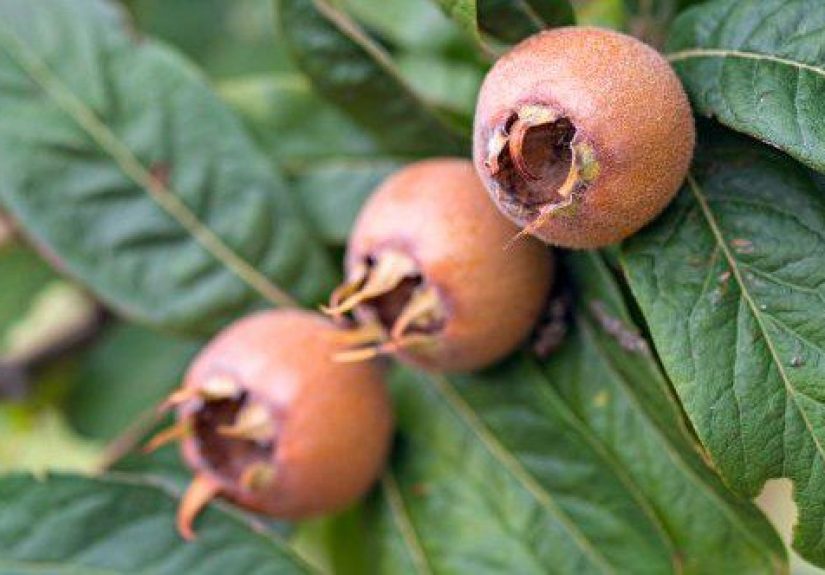
Raw quince is famously firm and tartmore “doorstop” than snack. But cooked? It transforms into something fragrant,
rosy, and almost honeyed, with a perfume that makes your kitchen smell like you accidentally became sophisticated.
Bonus: quince is naturally high in pectin, which is why it’s a classic for jellies and preserves.
Best beginner move
- Poach slices low and slow with sugar, lemon, and warm spices until blushing pink.
- Use the poaching liquid as a syrup for yogurt, cocktails, or pancakes.
- Turn it into jam, jelly, or a firm fruit paste for cheese boards.
Where to find it
Look in fall at farmers markets, specialty grocers, or backyard trees in temperate regions. It’s a sleeper hit with
bakers and preservers.
4) Serviceberries (Juneberries): The Berry That Tastes Like a Secret
Serviceberriesoften called juneberrieslook like blueberries but have their own thing going on: sweet, juicy, and
sometimes described as blueberry-meets-cherry with a subtle almondy vibe when baked. They’re also beloved by birds,
which is both charming and extremely rude when you want the berries for yourself.
How to use them
- Eat fresh, or swap into any blueberry recipe.
- Bake into muffins, cobblers, or pies to bring out deeper flavor notes.
- Simmer into jam when you’ve got a serious haul (or a serious grudge against birds).
Where to find it
Some farmers markets carry them in early summer. You may also find serviceberry trees in landscapingjust make sure
you’re harvesting somewhere safe and permitted.
5) Ground Cherries: Little Lantern Fruits With Big Main-Character Energy
Ground cherries (a.k.a. husk cherries) arrive in papery husks like tiny edible gifts. They’re ripe when the husk dries
and the fruit turns a warm golden colorand often when they start dropping from the plant. The flavor leans
sweet-tart and lightly tropical, which makes them ridiculously snackable.
How to eat them
- Snack straight from the husk once fully ripe.
- Toss into salads for a pop of sweet acidity.
- Cook into jam, chutney, or a quick pan sauce for pork or chicken.
Where to find it
Late summer farmers markets, CSAs, and backyard gardens. They also grow well for home gardeners who enjoy feeling
smug in a wholesome way.
6) Sunchokes (Jerusalem Artichokes): Crunchy, Nutty, and… Infamous
Sunchokes are knobbly tubers from a sunflower relative. They taste mildly sweet and nutty, with a texture that can be
crisp when raw and creamy when cooked. They’re also famous for causing gas in some people because of inulinso yes,
these are the tubers that launched a thousand dinner party apologies. The good news: cooking methods (and portion
size) can help.
How to cook them like a responsible adult
- Roast until caramelized for deep, sweet flavor.
- Simmer and puree into soup for a silky texture.
- If your stomach is sensitive, start small and consider cooking with acid (lemon/vinegar) to reduce inulin impact.
Where to find it
Fall and winter markets, some grocery stores, and adventurous CSAs. They’re also easy to growmaybe too easy if you
don’t like “volunteer” plants.
7) Rutabaga: The Unsung Hero of Winter Comfort Food
Rutabaga gets a bad rap because it’s associated with “wartime cooking” and cafeteria trauma. But treated well, it’s a
sweet, earthy root that turns rich golden-yellow when cooked. It also stores for ages in cool conditions, which is
exactly what winter cooking needs: ingredients that don’t quit on you after three days.
How to make rutabaga taste like you know what you’re doing
- Roast cubes with olive oil, salt, and black pepper until browned and tender.
- Mash with butter (alone or mixed with potatoes) for a smoother, sweeter side.
- Add to stews for body and subtle sweetness.
Where to find it
Most grocery stores have rutabaga in colder monthsoften quietly, like it doesn’t want attention. Give it attention.
8) Cardoon: Celery’s Dramatic Mediterranean Cousin
Cardoon is a thistle relative of the globe artichoke. The edible part is the stalk (leaf ribs), which can taste
artichoke-like when prepared correctly. It’s also spiky and can be bitter or stringy if you rush itcardoon is here to
teach patience and glove-wearing.
How to prep it without getting into a fight
- Trim spines, peel tough outer strings, and keep pieces in acidulated water to prevent browning.
- Blanch, then bake in a gratin or stew until tender and mellow.
- Pair with lemon, garlic, parmesan, or creamy saucescardoon loves big flavors.
Where to find it
Specialty markets and some farmers markets; also grown by gardeners who enjoy edible ornamentals and mild chaos.
9) Black Salsify (and Scorzonera): The “Vegetable Oyster” Root
Salsify and scorzonera are long, tapering roots with a reputation for an oyster-like flavor when cookedhence the
nickname “vegetable oyster.” They’re also cold-hardy and store well under the right conditions. Peel them after a
good scrub, cook gently, and you’ll get a tender root that plays beautifully in soups, gratins, and buttery sautés.
How to cook it
- Simmer until tender, then mash or puree with butter and herbs.
- Slice and bake in a creamy gratin with garlic and cheese.
- Add to winter soups for subtle sweetness and depth.
Where to find it
Farmers markets, specialty produce shops, and some CSA boxesespecially in fall and winter when roots shine.
10) Skirret: The Sweet Root That History Misplaced
Skirret is a perennial root vegetable in the carrot family, grown for clusters of slender, sweet roots. It used to be
more common in older kitchen gardens, then fell off the radar. It’s typically eaten cooked (raw roots are firm),
and the payoff is a gentle sweetness that feels like a cousin of parsnip with a softer, dessert-y edge.
How to eat it
- Roast or simmer until tender; finish with butter, salt, and herbs.
- Glaze with a little honey and vinegar for a sweet-sour side dish.
- Puree into soups for subtle sweetness and body.
Where to find it
This one’s more “grow it or befriend a grower.” Look for specialty farmers, seed catalogs, and gardeners who enjoy
reviving forgotten crops.
Quick Tips for Buying, Storing, and Actually Using This Stuff
- Farmers markets: ask “What’s the weirdest thing you brought today?” (Say it with love.)
- CSAs: they’re basically subscription boxes for seasonal produce surprises.
- Storage mindset: roots like rutabaga and salsify are winter workhorses; tender fruits like pawpaw are weekend flings.
- Start small: especially with sunchokesyour digestive system deserves an onboarding process.
Bonus: of Real-World “Forgotten Produce” Experience
The first time I met a pawpaw, I did what any reasonable person would do: I stared at it like it owed me money.
It looked like a mango that had given up on its dreams. The vendor told me, “Don’t eat it firm. You’ll regret your
choices.” That’s not advice, that’s a prophecy. Two days later it turned soft, the skin darkened a bit, and the aroma
went from “green mystery” to “banana pudding with an invitation.” I scooped it with a spoon and immediately
understood why people get a little evangelical about pawpaws. It’s not a fruit; it’s a vibe.
Persimmons, on the other hand, taught me humility. I once tried to “speed-run ripeness” by eating one that was only
almost soft. I learned what tannins can do to a mouth and a soul. After that, I waited until the fruit was
basically pudding in its own skin. The payoff was ridiculous: deep sweetness, like pumpkin and honey decided to
collaborate. I’ve been team “wait for the squish” ever since.
Then there was the rutabaga redemption arc. I grew up thinking rutabagas were punishment vegetablesthings you
endured, not enjoyed. But one cold night, I roasted rutabaga cubes with olive oil until the edges caramelized, tossed
them with black pepper and a little smoked salt, and suddenly rutabaga was acting like it paid rent. It was sweet,
earthy, and more interesting than potatoes (sorry, potatoeslove you, mean it).
Sunchokes were the most… eventful. I made a gorgeous soupsilky, nutty, restaurant-levelthen realized why people
tell sunchoke stories like cautionary campfire tales. The fix wasn’t “never again,” it was “less at once” and “cook
smart.” Now I roast them hard, use lemon, and treat them like a powerful spice: incredible in the right amount,
chaotic if you get cocky.
My favorite part of chasing forgotten fruits and vegetables is how they change the way you shop. You stop asking,
“What do I feel like eating?” and start asking, “What’s in season, and what’s hiding in plain sight?” It turns cooking
into a little scavenger huntone where the prize is a kitchen that smells like poached quince, a stew that tastes like
someone’s grandma is quietly proud of you, and a produce drawer that’s finally more interesting than lettuce.
Conclusion
Forgotten fruits and vegetables aren’t “weird” so much as “under-invited.” Bring one of these heritage produce picks
home, learn its quirks, and you’ll get flavors the mainstream aisle simply can’t touch. Start with onepawpaw in a
smoothie, rutabaga in a roast, quince in a gentle poachand let your cooking routine get a little more interesting.
Your taste buds will thank you, and your dinner table will have better stories.