Table of Contents >> Show >> Hide
- Why Road Trip Hacks Matter More Than Ever
- 1. Build a Route With “Anchor Stops,” Not a Minute-by-Minute Schedule
- 2. Do a 20-Minute Vehicle Check Before You Pack
- 3. Pack a “Reach-First” Bag for the Front Seat
- 4. Turn Your Cooler Into a Budget-Saving Machine
- 5. Use the “Two-Hour Reset” Rule
- 6. Pack the Car Like Safety MattersBecause It Does
- 7. Create a Real Emergency Roadside Kit
- 8. Use Entertainment in Layers
- 9. Plan for Weather Like a Practical Optimist
- 10. Leave Room for the Weird Little Detours
- Bonus Road Trip Hacks That Make Everything Easier
- Common Road Trip Mistakes to Avoid
- of Real-World Road Trip Experience: What Actually Works
- Conclusion: Better Planning, Better Driving, Better Memories
- SEO Tags
Road trips sound simple: fill the tank, queue the playlist, toss some snacks in the back seat, and chase the horizon like the main character in a summer movie. Then reality joins the passenger list. Someone forgets sunglasses, the phone battery drops to 4%, the “quick” gas stop becomes a 38-minute snack debate, and the GPS calmly announces a traffic jam with the emotional range of a toaster.
The good news? A great road trip is not about having a luxury RV, a perfect itinerary, or a cooler full of artisanal sandwiches shaped like national monuments. It is about small, smart decisions that prevent big, annoying problems. These 10 game-changing road trip hacks will help you save money, stay safer, pack smarter, reduce stress, and actually enjoy the drive instead of simply surviving it.
Why Road Trip Hacks Matter More Than Ever
Whether you are planning a weekend getaway, a cross-country adventure, a national park loop, or a family vacation with enough luggage to start a small boutique, road trip planning makes a huge difference. Modern travel comes with changing weather, construction delays, crowded destinations, expensive fuel, limited cell service, and the classic back-seat question: “Are we there yet?” asked 14 minutes after leaving the driveway.
The best road trip tips are practical, not fancy. They help you build flexibility into your schedule, protect your vehicle, keep passengers comfortable, and avoid the expensive mistakes that turn “spontaneous adventure” into “why are we Googling tow trucks in a cornfield?” Use this guide as your road trip checklist before your next drive.
1. Build a Route With “Anchor Stops,” Not a Minute-by-Minute Schedule
One of the smartest road trip planning hacks is to avoid overplanning. Instead of scheduling every minute, choose three types of anchor stops: fuel stops, food stops, and fun stops. Fuel stops keep the car moving, food stops keep people civil, and fun stops remind everyone this is a vacation, not a mobile endurance test.
Before leaving, review your route, check traffic, look at road conditions, and identify backup roads when possible. GPS is helpful, but it should not be your only plan. Screens freeze, service disappears, and apps sometimes suggest “shortcuts” that look suspiciously like private farm roads.
How to Use This Hack
Choose a realistic daily driving limit. For many travelers, six to eight hours of total drive time feels manageable, especially when broken into chunks. Add a buffer for meals, photos, bathroom breaks, and the mysterious time vortex that occurs whenever a group enters a convenience store. Save your main stops in your map app and download offline maps for rural areas, mountain roads, deserts, and national parks where signal may be weak.
2. Do a 20-Minute Vehicle Check Before You Pack
The most underrated road trip hack is also the least glamorous: check the car before you load it. A vehicle inspection may not make your vacation photos sparkle, but it can prevent breakdowns, delays, and budget-destroying repairs.
Focus on tires, fluids, battery, brakes, lights, wiper blades, belts, hoses, and windshield washer fluid. Tires deserve extra attention because they affect handling, fuel efficiency, and safety. Check tire pressure when tires are cold, inspect the tread, and look for cracks, bulges, nails, or uneven wear. Do not forget the spare tire if your vehicle has one.
Specific Example
If you are driving from Phoenix to the Grand Canyon in summer, heat can be tough on batteries, tires, and cooling systems. A quick inspection before departure is much easier than discovering a weak battery in a scenic parking lot while everyone else is enjoying sunset.
3. Pack a “Reach-First” Bag for the Front Seat
Most travelers pack the trunk like they are playing luggage Tetris in the final round of a championship. The problem? The items you need first often end up buried under shoes, jackets, and a mysterious bag labeled “miscellaneous.”
Create a small reach-first bag that stays accessible in the cabin. Include phone chargers, sunglasses, lip balm, hand sanitizer, tissues, wipes, pain reliever if appropriate, reusable water bottles, a small trash bag, travel documents, reservation details, and one emergency snack that is not chocolate unless you enjoy eating melted sadness.
Why It Works
This road trip packing hack reduces clutter and stops the constant digging. It also helps the driver stay focused because passengers can grab essentials without asking the driver where everything is. Keep the bag light, organized, and easy to move when switching seats.
4. Turn Your Cooler Into a Budget-Saving Machine
Food costs can quietly ambush a road trip budget. A gas station sandwich here, a drive-thru meal there, a “just one snack” stop that somehow becomes a $47 receiptsuddenly your food budget is waving goodbye from the rearview mirror.
A small cooler can change everything. Pack water, fruit, cheese sticks, yogurt, hummus cups, cut vegetables, wraps, hard-boiled eggs, and simple sandwiches. Keep a separate dry snack bin with trail mix, crackers, granola bars, pretzels, and napkins. The goal is not to avoid restaurants entirely. The goal is to avoid paying premium prices because everyone got hungry at the same time in the middle of nowhere.
Food Safety Tip
Keep cold foods cold, wash hands before eating when possible, and use hand sanitizer when soap and water are not available. Store raw and ready-to-eat foods separately if you are camping or cooking on the road. A road trip is more fun when your stomach is not filing a formal complaint.
5. Use the “Two-Hour Reset” Rule
Long drives can make people tired, stiff, cranky, and weirdly passionate about radio volume. The two-hour reset rule is simple: stop about every two hours to stretch, walk, use the restroom, switch drivers if possible, and refill water bottles.
This hack improves comfort and alertness. It also prevents the trip from feeling like one endless highway blur. A five- to 15-minute break can make the next stretch of driving safer and more pleasant.
Make Breaks More Useful
Do not waste every stop standing beside the car scrolling your phone. Walk a lap around the rest area, stretch calves and hips, check tire appearance, throw away trash, and confirm the next leg of the route. If you are traveling with kids, let them move. If you are traveling with adults, let them move too; adults are just tall kids with credit cards and lower back pain.
6. Pack the Car Like Safety MattersBecause It Does
Safe packing is not only about fitting everything. It is about weight distribution, visibility, and preventing loose items from flying around during sudden stops. Heavy items should go low and toward the center of the vehicle when possible. Keep the driver’s sight lines clear, especially through the rear window and side mirrors.
If using a roof rack or cargo box, know your vehicle height and weight limits. Nothing ruins a road trip vibe faster than hearing your rooftop cargo box introduce itself to a parking garage ceiling.
Smart Packing Strategy
Group items by use: overnight bag, food bag, emergency kit, activity bag, and destination gear. If you are stopping at a hotel for one night before continuing, pack a small overnight bag so you do not have to unload the entire car. Future you will be very grateful, possibly emotional.
7. Create a Real Emergency Roadside Kit
A road trip emergency kit is one of those things you hope you never need, which is exactly why you should have it. At minimum, include a first aid kit, flashlight, extra batteries or a rechargeable light, jumper cables or a jump starter, tire pressure gauge, basic tools, reflective warning triangles or road flares where legal, work gloves, a rain poncho, water, nonperishable snacks, a blanket, phone charger, and any essential medications for travelers who need them.
For winter road trips, add warm clothing, an ice scraper, traction aid, and extra blankets. For desert or summer travel, add more water than you think you need. For remote drives, consider a paper map and a backup power bank.
Pro Tip
Do not simply buy a kit and toss it into the trunk forever. Open it, learn what is inside, and check it before each major trip. Replace expired items, recharge batteries, and make sure everyone knows where the kit is stored.
8. Use Entertainment in Layers
A good playlist is essential, but it cannot carry an entire road trip alone. After hour four, even your favorite song may start sounding like it owes you money. Layer your entertainment so there is variety.
Download playlists, audiobooks, podcasts, trivia games, language lessons, and offline videos for passengers. For families, create a surprise activity bag with coloring supplies, travel games, sticker books, or simple scavenger hunt cards. For adults, try themed playlists by state, decade, or mood. “Desert sunset country,” “mountain road classics,” and “we missed our exit but we are emotionally stable” are all valid categories.
Keep the Driver Focused
Entertainment should support the drive, not distract from it. The driver should not be managing playlists, searching for podcasts, or resolving snack negotiations while driving. Assign a passenger as the “road trip producer” to handle music, navigation checks, and snack diplomacy.
9. Plan for Weather Like a Practical Optimist
Weather can change quickly, especially in mountains, deserts, coastal areas, and wide-open plains. Check the forecast before leaving and again during the trip. Watch for extreme heat, thunderstorms, snow, ice, high winds, wildfire smoke, and flash flood warnings.
If you encounter flooded roads, do not drive through them. Turn around and choose another route. Water can be deeper and faster-moving than it looks, and road surfaces may be damaged underneath. In heavy rain, slow down, increase following distance, turn on appropriate lights, and avoid sudden braking.
Weather Packing Hack
Pack one “weather layer” per person within reach: a light jacket, rain shell, hat, or hoodie depending on the season. This prevents the classic rest-stop scene where everyone shivers dramatically while their jackets sit buried under three suitcases and a bag of beach towels.
10. Leave Room for the Weird Little Detours
The best road trip memories often come from unplanned stops: a roadside peach stand, a tiny museum dedicated to something oddly specific, a scenic overlook, a family-owned diner, a historic marker, or a giant fiberglass animal that absolutely demands a photo.
Build flexible time into your itinerary so you can say yes to these moments. A road trip should not feel like a delivery route with better snacks. Leave early, avoid overstuffing the schedule, and choose one optional detour each day.
How to Find Worthwhile Detours
Search for scenic byways, local parks, historic downtowns, public art, farmers markets, short hikes, and regional food spots. Ask locals for recommendations when safe and appropriate. Some of the best travel experiences are not ranked at the top of search results; they are hiding behind a handwritten sign that says “best pie in town.” Sometimes the sign is correct. Sometimes it is ambitious. Either way, you get a story.
Bonus Road Trip Hacks That Make Everything Easier
Use a Trash System
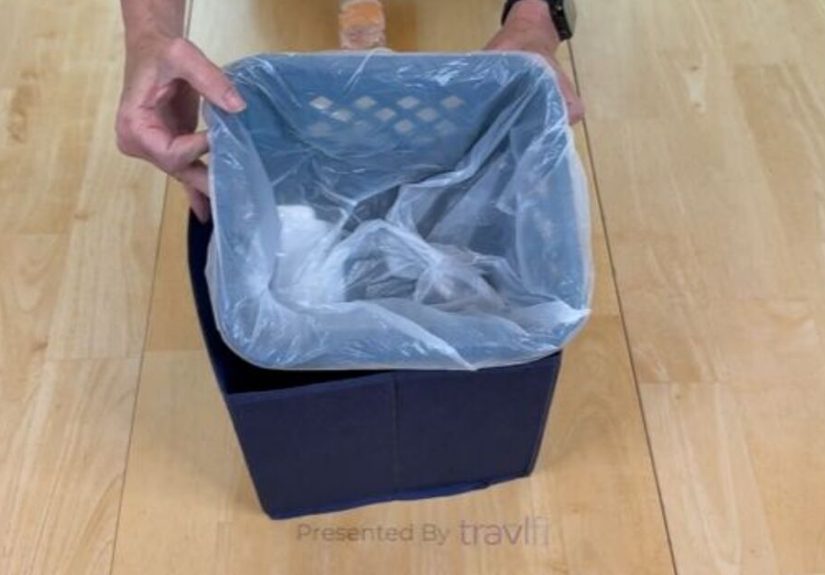
Bring a small trash container, reusable grocery bag, or cereal container lined with a plastic bag. Empty it at every fuel stop. A clean car keeps morale high and prevents the interior from slowly becoming a rolling snack museum.
Take Photos of Important Details
Before leaving, photograph your license plate, parking spot, hotel room number, luggage, and any important reservation information. If you park at a large attraction or trailhead, take a photo of nearby signs. This tiny habit can save you from wandering a parking lot while pretending you are “just getting extra steps.”
Bring a Spare Key Plan
Lockouts happen. If your vehicle allows it, keep a spare key with another adult traveler or use a secure key strategy recommended for your vehicle. Never hide a key in an obvious exterior spot. The goal is convenience, not donating your car to a stranger.
Start With a Full Tank
Do not begin a long road trip with “we can get gas later” energy. Start full, especially before rural routes, national parks, mountain passes, or desert stretches. Refill before the tank gets too low. The cheapest gas is not always worth the stress of wondering whether the next station actually exists.
Common Road Trip Mistakes to Avoid
Even smart travelers make road trip mistakes. The first is driving too far in one day. Long mileage may look fine on a map, but maps do not account for tired eyes, construction zones, bad weather, scenic stops, or the emotional toll of hearing one song repeated by a child in the back seat.
The second mistake is ignoring vehicle warning signs. Strange smells, dashboard lights, vibration, weak braking, or tire pressure warnings should be handled early. Hoping a problem will magically disappear is not a maintenance strategy; it is a plot device.
The third mistake is packing too much. Overpacking reduces visibility, increases clutter, and makes every stop harder. Bring what you need, organize it well, and leave space for souvenirs, groceries, or that questionable roadside antique you suddenly cannot live without.
of Real-World Road Trip Experience: What Actually Works
The best road trip lessons usually come from the moments that do not go according to plan. One of the most useful habits is preparing the night before departure instead of the morning of. Morning packing feels efficient until someone cannot find their charger, the cooler ice is forgotten, and the driver is already sweating before the engine starts. A calmer approach is to pack the car, prep snacks, download maps, charge devices, and lay out travel clothes the evening before. Then the morning becomes simple: breakfast, final bathroom check, lock the door, and go.
Another experience-based tip is to treat the first hour as a “settling in” period. Do not schedule a complicated stop immediately after leaving unless necessary. Let passengers adjust, let the driver find a rhythm, and let the route unfold. After the first hour, people are usually more relaxed and ready for music, conversation, or the first planned break.
For family road trips, snack timing matters more than most people admit. Handing out all the snacks at once creates chaos, crumbs, and a sugar-powered back-seat circus. Instead, divide snacks into small portions and release them gradually. Think of yourself as the snack manager of a tiny moving café. Offer water often, but avoid turning the car into a beverage festival right before a long stretch with no restrooms.
For couples or friend groups, one of the best hacks is assigning roles. One person drives, one navigates, one manages music, and one tracks stops or expenses. Clear roles prevent the classic road trip argument where everyone has an opinion but nobody knows where the next exit is. If there are only two people, rotate duties. The passenger should do more than admire clouds; they can check weather, find lunch options, and confirm lodging details.
Another real-world lesson: do not chase the “perfect” restaurant every time. It is great to try local food, but if everyone is tired and hungry, the best meal may be the closest reliable option. Save special restaurants for days when you have time and energy. On travel-heavy days, convenience is not failure; it is wisdom wearing comfortable shoes.
Finally, protect the mood of the trip. Road trips are not only about distance covered; they are about shared experience. Something will probably go wrong. A road will close, a stop will disappoint, the weather will misbehave, or someone will spill something sticky in a cup holder that future archaeologists may study. Laugh when you can, adjust when needed, and keep the trip flexible. The most memorable road trips are rarely flawless. They are the ones where everyone comes home with stories, inside jokes, and at least one photo that makes no sense to anyone else.
Conclusion: Better Planning, Better Driving, Better Memories
Road trips are one of the best ways to explore the United States because they give you freedom that flights rarely offer. You can stop for a sunrise, detour for tacos, change plans because the weather says so, or spend an extra hour at a viewpoint simply because it feels right.
The difference between a stressful drive and a memorable adventure often comes down to preparation. Check your vehicle, organize your gear, plan flexible stops, pack food wisely, build an emergency kit, watch the weather, and leave space for surprises. These 10 game-changing road trip hacks are not complicated, but they can transform your journey from chaotic to comfortable.
So charge your phone, fill your tank, download your maps, and give your snack bag the respect it deserves. The open road is waitingand this time, you are ready.