Table of Contents >> Show >> Hide
- What “Non-hormonal” Really Means
- A Fast Reality Check: “Perfect Use” vs. “Typical Use”
- Quick Comparison Cheat Sheet (Typical Use)
- 1) External (Male) Condoms
- 2) Internal (Female) Condoms
- 3) Copper IUD
- 4) Diaphragm (Used with Spermicide)
- 5) Cervical Cap
- 6) Contraceptive Sponge
- 7) Spermicide
- 8) Phexxi (Prescription Vaginal pH Regulator Gel)
- 9) Fertility Awareness Methods (FAMs)
- 10) Withdrawal (The Pull-Out Method)
- 11) Sterilization (Vasectomy or Tubal Surgery)
- How to Choose the Best Non-hormonal Method for You
- The “Seatbelt + Airbag” Strategy: Combining Methods
- When to Talk to a Clinician
- Conclusion: The Best Method Is the One You’ll Actually Use
Not everyone wants hormones in their birth control. Maybe you’ve had side effects, maybe you’re breastfeeding, maybe you just prefer a “no extra ingredients”
approachlike ordering fries with no mystery seasoning. Whatever your reason, non-hormonal birth control isn’t a single method. It’s a whole menu.
This guide breaks down 11 non-hormonal optionshow they work, how effective they are in real life, what they feel like day-to-day, and who they tend to fit best.
(Quick note: This is general education, not personal medical advice. If pregnancy would be dangerous for you, talk with a clinician about the most reliable choices.)
What “Non-hormonal” Really Means
Non-hormonal birth control methods prevent pregnancy without adding hormones like estrogen or progestin. Instead, they usually work by:
- Blocking sperm (barriers like condoms, diaphragms, caps, and sponges)
- Changing the environment so sperm can’t do their job (copper IUD, vaginal pH regulators)
- Timing sex around fertile days (fertility awareness methods)
- Making fertilization physically impossible (sterilization)
A Fast Reality Check: “Perfect Use” vs. “Typical Use”
Effectiveness stats can feel like a trick question because many methods look amazing on paper but lose points in real life. “Perfect use” means everything is done
correctly every single time. “Typical use” includes normal human behaviorbeing tired, forgetting a step, rushing, or realizing the instructions were written by a
robot with infinite patience.
Quick Comparison Cheat Sheet (Typical Use)
Below are typical-use pregnancy rates often described as “failure rates”roughly how many people out of 100 might get pregnant in a year using the method as
people commonly do.
| Method | When You Use It | Typical-Use Pregnancy Risk (Approx.) | STI Protection? |
|---|---|---|---|
| Copper IUD | Set-and-forget (years) | Very low | No |
| External (male) condoms | Every time | Moderate | Yes (best option here) |
| Internal (female) condoms | Every time | Moderate | Some protection |
| Diaphragm | Every time (with spermicide) | Moderate | No |
| Cervical cap | Every time (with spermicide) | Moderate-to-higher | No |
| Sponge | Every time (contains spermicide) | Moderate | No |
| Spermicide / vaginal pH regulators | Every time | Higher | No |
| Fertility awareness methods | Daily tracking + planning | Varies widely | No |
| Withdrawal | Every time | Higher | No |
| Sterilization (tubal surgery / vasectomy) | One-time procedure | Very low | No |
1) External (Male) Condoms
How it works
An external condom is a barrier worn on the penis that catches semen and helps keep sperm from entering the vagina.
Why people like it
- STI protection: This is the big one. If STI prevention matters, condoms are a frontline choice.
- Accessible: Over-the-counter, many sizes and materials.
- Plays well with others: Combine with other non-hormonal methods for extra safety.
Real-life tips
- Use a new condom every time. (Yes, even for “round two.”)
- Check expiration dates and store away from heat.
- If friction is the villain, lube is the superhero.
2) Internal (Female) Condoms
How it works
An internal condom lines the vagina to block sperm. It can often be inserted ahead of time, which some people find more convenient.
Why people like it
- More control: The receptive partner can manage insertion.
- Latex-free options: Helpful for some sensitivities.
- May reduce STI risk: Better than nothingthough external condoms are usually the go-to for STI prevention.
Watch-outs
- There’s a learning curve. First-time use can feel like assembling a tent in the dark. Practice helps.
- Don’t use an internal condom and an external condom at the same time; friction can cause tearing.
3) Copper IUD
How it works
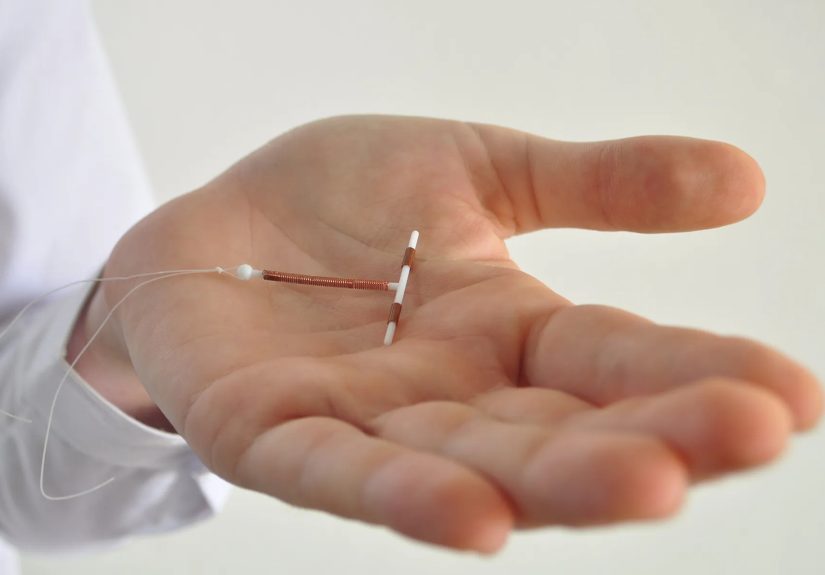
The copper IUD is a small device placed in the uterus by a clinician. Copper changes the uterine environment in a way that’s toxic to sperm, making fertilization
unlikely. It’s hormone-free and long-acting.
Why people like it
- Low-maintenance: Once inserted, you don’t have to think about it daily.
- Very effective: Among the most reliable reversible options.
- Emergency contraception bonus: If inserted soon after unprotected sex (commonly within 5 days), it can also serve as emergency contraception.
Downsides and side effects
- Heavier periods/cramps: Some people notice heavier bleeding and stronger cramps, especially in the first months.
- Insertion discomfort: The appointment is quick, but cramping during and after is common.
- No STI protection: Pair with condoms if STI risk exists.
4) Diaphragm (Used with Spermicide)
How it works
A diaphragm is a flexible cup inserted into the vagina to cover the cervix. It blocks sperm from entering the uterus and is used with spermicide for better
effectiveness. You insert it before sex and leave it in for a required amount of time afterward.
Why people like it
- Hormone-free, reusable: With proper care, one device can last a while.
- Control and planning: You can insert it ahead of time.
Watch-outs
- Requires fitting/prescription in many cases.
- Some people experience irritation or urinary tract issues.
- Works best if you’re comfortable with your body and routines.
5) Cervical Cap
How it works
The cervical cap is similar to a diaphragm but smaller. It fits snugly over the cervix and is used with spermicide. It can be worn longer than a diaphragm in
many cases, but correct placement is key.
Who it’s best for
- People who want a reusable, on-demand option and don’t mind learning insertion.
- People who can get a good fiteffectiveness can vary, especially depending on childbirth history.
Common complaints
- Fitting can be finicky.
- If it shifts or doesn’t seal well, effectiveness drops.
6) Contraceptive Sponge
How it works
The sponge is a soft, disposable device that contains spermicide. You insert it so it covers the cervix. It can be placed ahead of time and works for multiple
acts of sex within a set window (as long as it stays in place).
Pros
- No prescription: Often sold over the counter.
- Convenient timing: Insert before sex; less interruption.
Cons
- Effectiveness varies, including differences for people who have given birth.
- Possible irritation from spermicide.
- No STI protection.
7) Spermicide
How it works
Spermicide comes in forms like gel, foam, film, suppositories, or tablets. It’s placed in the vagina before sex to reduce sperm movement or viability. On its
own, it tends to be less effective than many other methods, but it can boost protection when combined with barriers.
Best use case
- As a “supporting actor” alongside condoms, diaphragms, or capsnot as the only method if you want higher reliability.
Watch-outs
- Some people experience irritation, which can be a problem if you’re prone to infections or sensitivity.
- Timing matters: many products require insertion shortly before sex and may require reapplication.
8) Phexxi (Prescription Vaginal pH Regulator Gel)
How it works
Phexxi is an on-demand, non-hormonal prescription gel inserted into the vagina before sex. It works by maintaining a vaginal pH that’s less friendly to sperm.
It’s not an emergency contraception method (it’s used before sex, not after).
Why people like it
- Hormone-free and on-demand: No daily pill, no device left in place for years.
- Can be paired: Many people combine it with condoms for more protection.
Possible side effects and cautions
- Vaginal burning/itching or discomfort can happen for some users.
- UTI caution: Clinical labeling warns against use in people with recurrent UTIs or urinary tract abnormalities due to reported urinary infections in studies.
9) Fertility Awareness Methods (FAMs)
How it works
Fertility awareness is a set of methods where you identify fertile days by tracking cycle timing and body signslike basal body temperature, cervical mucus, and
sometimes ovulation test strips. To avoid pregnancy, you either avoid penis-in-vagina sex on fertile days or use a barrier method during that window.
Why people like it
- No hormones, no devices: Just you, your data, and a calendar/app.
- Body literacy: Many people enjoy understanding their cycles better.
- Low cost: Often free or inexpensive.
The honest catch
- Effectiveness varies widely depending on the specific method, consistency, and cycle regularity.
- Apps can help you trackbut they don’t magically make biology predictable. Stress, illness, travel, and sleep changes can all shift ovulation.
10) Withdrawal (The Pull-Out Method)
How it works
Withdrawal means the penis is pulled out of the vagina before ejaculation. It’s free, always available, and requires no suppliesjust timing, control, and a
partner who treats this like a skill, not a vibe.
Pros
- Accessible: No cost, no prescription, no shopping trip.
- Can reduce risk compared with doing nothing.
Cons
- Higher typical-use pregnancy risk: Mistiming is common, and pre-ejaculate can complicate things.
- No STI protection.
- Not ideal if pregnancy would be a major problem for youconsider a more reliable method or a backup plan.
11) Sterilization (Vasectomy or Tubal Surgery)
How it works
Sterilization is permanent birth control. A vasectomy blocks sperm from entering semen. Tubal surgery closes or removes the fallopian tubes so sperm and egg can’t
meet.
Why people choose it
- Extremely effective: Among the lowest pregnancy risks of any method.
- One-and-done: No ongoing steps before sex.
- No hormones: It doesn’t affect your natural hormone cycles.
Important notes
- Permanent means permanent-ish: Reversals exist but can be expensive and aren’t guaranteed.
- Vasectomy isn’t immediate: A backup method is needed until testing confirms no sperm remain.
- No STI protectioncondoms still matter if STI risk exists.
How to Choose the Best Non-hormonal Method for You
If you’re unsure where to start, ask yourself three questions:
- How important is maximum pregnancy prevention? If it’s critical, long-acting options like the copper IUD or permanent methods tend to be more reliable than on-demand methods.
- Do you need STI protection? If yes (or if you’re not sure), condoms should be part of your plan.
- How spontaneous is your sex life? If you don’t want to pause for prep, a long-acting method may feel easier. If sex is occasional, on-demand options may fit better.
The “Seatbelt + Airbag” Strategy: Combining Methods
Many people mix methods for better protection without adding hormones. Examples:
- Condom + Phexxi (or condom + spermicide) for “double coverage,” especially during higher-fertility days.
- Diaphragm/cap + condom if you want a barrier backup and STI protection.
- FAMs + condoms during fertile days, and less or no barrier on confirmed non-fertile days (depending on your comfort with risk).
When to Talk to a Clinician
It’s smart to get professional guidance if you have very heavy periods, severe cramps, pelvic pain, a history of recurrent UTIs, or if pregnancy would be high-risk
for you medically. Also consider a clinician visit if you want a fitted method (like a diaphragm/cervical cap) or you’re curious about the copper IUD.
Conclusion: The Best Method Is the One You’ll Actually Use
Non-hormonal birth control isn’t “one size fits all”it’s more like “one size fits your life right now.” If you want the strongest pregnancy prevention with the
least ongoing effort, the copper IUD (or sterilization, if you’re completely done having kids) usually leads the pack. If STI protection matters, condoms deserve a
starring role. If you love data and routine, fertility awareness can work wellbut it rewards consistency like a picky houseplant rewards watering.
If you’re overwhelmed, start simple: choose one primary method and one backup habit. For many people, that’s “condoms every time” plus an on-demand add-on or a
more reliable long-term method. You don’t need to pick the “perfect” optionjust the one you can realistically stick with.
Real-World Experiences (The Human Part)
If you ask a group of friends about non-hormonal birth control, you’ll get a mix of science, opinions, and at least one story that begins with, “Okay, so… don’t do
what I did.” Here are some common themes people describewithout pretending any single experience is universal.
Copper IUD experiences often start with the appointment. Many people say insertion is fast but intenselike a sharp cramp that shows up
uninvited and then leaves quickly (sometimes after lingering for a few hours). A common tip you’ll hear is to plan a low-key day afterward: comfy clothes, a heating
pad, and permission to be a couch burrito. In the first few months, some users report heavier periods and more cramping. Others say the tradeoff is worth it because
once their body settles, they don’t have to “do” anything before sexno timing, no supplies, no mental checklist.
Condom experiences tend to be less about the condom and more about the setup. People who love condoms usually have two things dialed in:
the right size/material and enough lubrication. People who hate condoms often hate the wrong condom. Switching brands, trying a different fit, or adding lube can
change the entire vibe. In long-term relationships, some couples treat condoms like a “situational tool” (STI protection, new partner, fertile days, or
backup when something else feels uncertain) rather than an all-or-nothing lifestyle.
Diaphragms, caps, and sponges get described as “effective… once you get the hang of it.” The learning curve is real. People often say the first
tries feel awkwardfiguring out insertion angles, getting a good seal, and remembering timing rules afterward. But users who stick with them like the sense of
control and the fact that it’s hormone-free and on-demand. Some couples build a routine: insert before a date night, keep supplies in a bedside drawer, and treat it
as normal as charging your phone.
Phexxi experiences are mixed, mostly around comfort. Some users like the on-demand simplicityinsert before sex, done. Others mention burning or
irritation, and a few decide it’s not for them if they’re prone to urinary tract issues. People who love it often describe it as a “nice extra layer” alongside
condoms, especially when they want hormone-free choices but still want more protection than condoms alone.
Fertility awareness experiences depend heavily on personality and schedule. People who thrive on routines often enjoy tracking (temperature,
symptoms, cycles) and feel empowered by understanding fertility patterns. People with irregular schedules or irregular cycles sometimes find it stressfulespecially
when travel, poor sleep, or illness makes the data messy. Couples who succeed with FAMs usually talk a lot, plan ahead for fertile windows, and agree on what their
“fertile-day rules” are (abstinence, condoms, or another barrier).
The biggest “real life” takeaway is this: the best method isn’t just the one with the best statistic. It’s the one you can actually use correctly, consistently,
and confidentlywithout turning intimacy into a pop quiz.