Table of Contents >> Show >> Hide
- Before You Panic: A 3-Minute “Why Are You Droopy?” Checklist
- 1) Underwatering (Classic Dehydration)
- 2) Overwatering (Root Rot’s Favorite Hobby)
- 3) The Pot Has Poor Drainage (a.k.a. “Why Is There No Escape Hatch?”)
- 4) Old, Broken-Down Potting Mix (It Starts as Bark, Ends as Sponge)
- 5) Low Humidity (Your Orchid Wants a Spa, Not a Desert)
- 6) Heat Stress (The “I’m Melting” Effect)
- 7) Cold Damage or Drafts (Orchids Don’t Love Surprise Winter Breezes)
- 8) Too Much Direct Sun (Sunburn Isn’t Just for Beach Days)
- 9) Not Enough Light (Yes, Leaves Can Droop from “Couch Potato” Conditions)
- 10) Fertilizer Problems and Salt Buildup (When “More Food” Becomes “More Stress”)
- 11) Pests or Disease (Tiny Freeloaders, Big Drama)
- How to Help a Droopy Orchid Recover (Without Making It Worse)
- Conclusion: Droopy Leaves Are a Clue, Not a Verdict
- Extra: Real-World Orchid Owner Experiences (The “Been There” Edition)
Droopy orchid leaves can feel like a personal insult. One day your orchid is posing like a glossy magazine cover model;
the next, it’s slouching like it just binge-watched three seasons of a drama and forgot to drink water.
The good news: leaf droop is usually a symptom, not a mystery curse. The even better news: most causes are fixable
once you figure out what’s actually happening below the “pretty plant” surfaceaka the roots, the potting mix, and the
environment your orchid is living in.
This guide focuses on the most common houseplant orchid (the beloved Phalaenopsis, a.k.a. moth orchid),
but the troubleshooting logic works for many orchids grown indoors. You’ll get 11 clear reasons for limp, floppy,
wrinkled, or drooping leavesplus what to check, what to do, and how to keep your orchid from doing the botanical faint.
Before You Panic: A 3-Minute “Why Are You Droopy?” Checklist
Step 1: Touch the leaves (yes, you have permission)
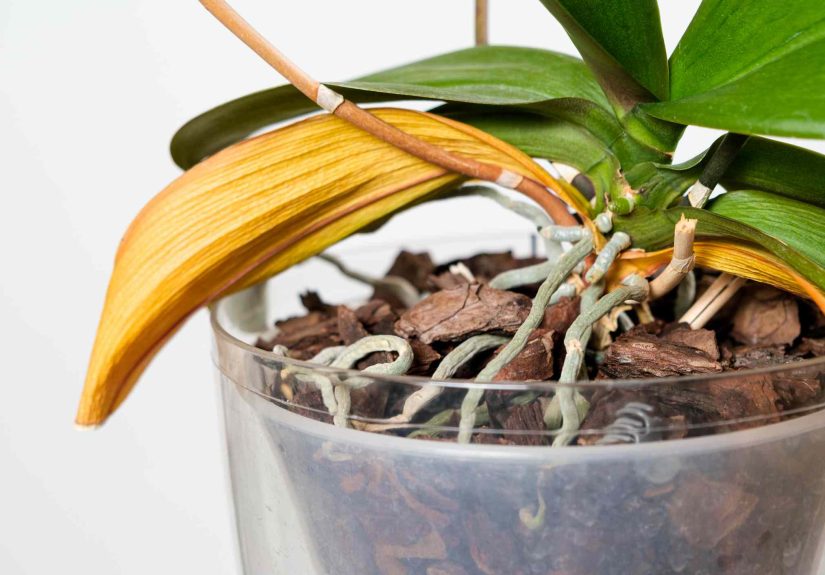
- Soft + wrinkled lengthwise often means dehydration (from underwatering or root problems).
- Soft + yellowing lower leaves can be normal agingor stress if multiple leaves are declining fast.
- Firm but hanging down can mean light, temperature, or humidity issuesespecially if roots look okay.
Step 2: Check the roots (the truth lives here)
Slide the clear inner pot out (if you have one) and look through it. Healthy orchid roots are generally plump and firm.
Many Phalaenopsis roots look silvery when dry and green when freshly watered. If roots are brown/black, mushy, hollow,
or smell funky, the leaves may be drooping because the plant can’t drinkeven if you water “all the time.”
Step 3: Check the potting mix and drainage
- If the mix is soggy for days, airflow is poor and root rot becomes a frequent flyer.
- If the mix is bone-dry and pulling away from the pot, water may be running around the mix instead of through it.
- If your orchid sits in a decorative cachepot with water at the bottom, it’s basically living in a tiny swamp. Orchids hate swamps.
1) Underwatering (Classic Dehydration)
Let’s start with the obvious: orchids need water. When a Phalaenopsis doesn’t get enough, its leaves can go limp and
look accordion-wrinkled. The leaf tissue loses pressure (turgor), so instead of holding itself up, it flops like a
tired flag on a windless day.
Signs you’ll usually see
- Wrinkled, leathery, or limp leavesoften more noticeable on older leaves first
- Potting mix that dries out extremely fast
- Roots that look silvery/gray and feel dry for long stretches
Fix it
Water thoroughly until it runs freely out the drainage holes, then let it drain completely. If the mix is very dry and
water rushes through instantly, soak the pot for 10–15 minutes, then drain. The goal is an even hydration cyclewet,
then airy-drynot constant dampness.
2) Overwatering (Root Rot’s Favorite Hobby)
Overwatering is less about “too much water once” and more about roots staying wet with not enough oxygen. Orchid roots
need air. When they sit in soggy media, they can rot, collapse, and stop absorbing waterso the plant looks dehydrated
even though you’ve been lovingly pouring water like you’re auditioning for a hydration commercial.
Signs you’ll usually see
- Limp leaves that don’t improve after watering
- Brown/black mushy roots or roots that feel hollow
- A sour smell from the potting mix
Fix it
Unpot the orchid, trim dead/mushy roots with sterilized scissors, and repot into fresh orchid medium in a pot with
plenty of drainage and airflow. After repotting, water lightly and waitnew root growth is what brings future leaf
strength back.
3) The Pot Has Poor Drainage (a.k.a. “Why Is There No Escape Hatch?”)
A pot without drainage (or a pot with drainage holes blocked by compacted media) turns every watering into a root
hostage situation. Even if you water “correctly,” water that can’t exit keeps the root zone too wet and too airless.
Droopy leaves can follow.
Fix it
Use a pot with drainage holes. Clear plastic orchid pots are great because you can monitor roots and moisture. If you
love decorative pots, keep the orchid in a slotted inner pot and set it inside a cachepotbut never leave standing water
at the bottom. Drain means drain.
4) Old, Broken-Down Potting Mix (It Starts as Bark, Ends as Sponge)
Orchid bark doesn’t stay bark forever. Over time it breaks down into smaller pieces that hold more water and reduce
airflow. Sphagnum moss can also become compacted, staying wet around the roots. Both situations can lead to droopy
leaves by stressing or suffocating the root system.
Fix it
Repot when the mix looks degraded, smells sour, or stays wet too long. As a general habit, many growers refresh bark
mixes roughly every couple of years (sometimes sooner depending on conditions). Choose an orchid-specific mediumnever
standard potting soil.
5) Low Humidity (Your Orchid Wants a Spa, Not a Desert)
Many homesespecially in winter with heatinghave humidity levels that feel fine to humans but look like the Sahara to
orchids. Low humidity increases water loss through leaves, which can make leaves droop even when watering is “okay,”
especially if roots are already slightly stressed.
Fix it
- Use a room humidifier near (not blasting at) the orchid
- Try a pebble tray: pot sits above the water line, not in it
- Group plants together to create a tiny humidity neighborhood
Bonus tip: humidity works best with gentle air movement, so everything doesn’t turn into a fungal festival.
6) Heat Stress (The “I’m Melting” Effect)
Hot temperaturesespecially combined with sun and low humiditycan cause fast moisture loss. Leaves can droop because
the plant can’t replace water quickly enough. This can happen near sunny windows, heat vents, or in a room that swings
hot during the day.
Fix it
Move the orchid away from direct heat sources and scorching sun. Aim for stable, comfortable indoor temperatures.
If you notice droop only on hot afternoons, you’ve found your clue.
7) Cold Damage or Drafts (Orchids Don’t Love Surprise Winter Breezes)
Orchids can be sensitive to cold windows, icy drafts, and blast zones from air conditioners. Cold stress can damage
leaf tissue, making leaves look limp, blotchy, or generally unhappy. If the foliage touches cold glass, damage can be
even more likely.
Fix it
Keep orchids away from drafty doors/windows and vents. In winter, pull them back from cold glass at night. Stable
temperatures beat dramatic temperature plot twists every time.
8) Too Much Direct Sun (Sunburn Isn’t Just for Beach Days)
Many common orchids prefer bright, indirect light. Direct midday sun can scorch leaves, causing pale patches, yellowing,
or brown crispy spots. Damaged leaves can droop because the tissue has been injured (and because stressed plants often
struggle with water balance).
Fix it
Shift the plant to filtered lightthink sheer curtain, bright shade, or an east window. If you’re using grow lights,
raise the light or reduce intensity/time until leaves look calm again.
9) Not Enough Light (Yes, Leaves Can Droop from “Couch Potato” Conditions)
Low light usually shows up as slow growth and fewer blooms, but it can also contribute to weak, floppy leaves over time,
especially if your orchid is stretching toward a light source. Without enough light, the plant can’t power strong growth
and may struggle to regulate water use efficiently.
Fix it
Give your orchid bright, indirect light. Rotate the pot weekly so growth stays balanced instead of leaning like it’s
trying to photobomb the window.
10) Fertilizer Problems and Salt Buildup (When “More Food” Becomes “More Stress”)
Orchids like fertilizer, but they prefer it diluted and consistent. Too-strong fertilizer, frequent feeding, or hard
water can lead to salt buildup in the potting mix. Salt stress can damage roots, which then affects leaf hydration and
can show up as limp leaves, dull color, or crispy tips.
Fix it
- Use a balanced orchid fertilizer at low strength (many growers follow “feed weakly” habits)
- Flush the pot with plain water periodically to wash out accumulated salts
- If buildup is heavy, repot into fresh medium
11) Pests or Disease (Tiny Freeloaders, Big Drama)
Sap-sucking pests like scale, mealybugs, and spider mites can drain a plant’s resources and stress leaves into drooping
or looking lifeless. Diseasesespecially those that affect the crown or rootscan also cause sudden limpness.
The trick: pests often cause texture changes (sticky residue, stippling, webbing, bumps), while disease often
comes with soft spots, discoloration, or rot.
What to look for
- Scale: small, immobile bumps on leaves; sticky honeydew may appear
- Spider mites: fine webbing, stippled/light speckling, worse in hot/dry conditions
- Crown or bacterial rot: soft, darkening tissue at the plant’s center; leaves may loosen easily
Fix it
Isolate the plant. Wipe leaves (top and bottom). For pests, repeated treatments are often needed because the “baby”
stage keeps hatching on a schedule. For rot, remove affected tissue if possible and improve airflow, watering habits,
and cleanliness. If the crown is severely rotted, recovery may be limitedfocus on prevention next time by keeping water
from sitting in the crown and maintaining gentle airflow.
How to Help a Droopy Orchid Recover (Without Making It Worse)
Do this
- Inspect roots first before dramatically increasing watering.
- Repot when neededfresh medium and airflow solve a surprising number of problems.
- Stabilize the environment: consistent light, temperature, and humidity help new growth emerge.
- Be patient: older droopy leaves may not “snap back,” but new leaves can grow firm and healthy.
A realistic timeline
If the roots are healthy and the issue was underwatering or humidity, you might see improvement in days to a couple
weeks. If the roots were compromised and you repotted, think in terms of weeks to monthsorchids rebuild slowly, like
they’re carefully filing a permit for each new root.
Conclusion: Droopy Leaves Are a Clue, Not a Verdict
When orchid leaves droop, they’re basically sending a text that says, “Help… but be specific.” Most of the time, the
root zone is the real story: too wet, too dry, not enough air, or old media that’s overstaying its welcome. Once you
match the symptom to the causeunderwatering, overwatering, poor drainage, broken-down mix, humidity or temperature
stress, light issues, fertilizer salts, or pestsyou can make targeted fixes instead of randomly changing everything
and hoping your orchid forgives you.
Keep your care routine boring (orchids love boring). Water thoroughly, drain well, refresh the medium on schedule,
provide bright indirect light, and aim for steady humidity. Do that, and your orchid’s leaves will look less like a sad
noodle and more like the confident, glossy plant you signed up for.
Extra: Real-World Orchid Owner Experiences (The “Been There” Edition)
Orchid care advice sounds simple until real life shows up with its special effects budget. One common story: someone
waters “every Saturday” like clockwork, feels responsible and proud, and then the leaves still go limp. The surprise
twist is usually the decorative pot. The orchid sits in a pretty container that quietly collects water at the bottom.
Week after week, the roots stay damp, airflow disappears, and the plant slowly loses functional roots. From the top,
it looks dehydratedso the owner waters more. The solution that finally works is unglamorous: dump the hidden
water, switch to a slotted orchid pot, and repot into fresh bark so the roots can breathe again. Suddenly, new roots
appear and new leaves come in firmer, even if the old leaves never fully return to their original stiffness.
Another classic experience is the “I moved it because it looked cold” shuffle. An orchid starts drooping in winter,
so it gets relocated… right next to a heat vent. Now it’s warm, but also drying out faster than a cookie left out at a
school bake sale. Leaves soften, the potting mix dries unevenly, and the plant looks worse. People often report the fix
is less dramatic than the move: pull it back from vents and cold glass, add a pebble tray or small humidifier, and keep
watering based on the medium rather than the calendar. In many homes, humidity is the hidden villain, and once it’s
improved, the orchid stops acting like it’s auditioning for a wilted salad commercial.
Then there’s the “moss plug” moment. Many store-bought orchids arrive in tightly packed sphagnum moss (sometimes with a
dense plug around the center roots). New owners water normally, but the core stays wet forever while the outer surface
looks dry. The leaves droop, and the owner can’t tell if it needs more water or less. Orchid keepers often describe
the aha moment as finally unpotting the plant and discovering the soggy core. After removing the plug, trimming dead
roots, and repotting into a more airy mix, the orchid begins to stabilize. The lesson: when droopy leaves don’t respond
to watering changes, the pot interior is probably keeping secrets.
Pests create their own set of stories. Many orchid owners notice sticky leaves or tiny bumps (scale) and assume it’s
dust. Weeks later, leaves look tired and droopy because pests have been siphoning off plant energy. The shared wisdom
from experienced growers is that “one wipe-down” rarely solves it. Success usually comes from isolation, repeated
treatment on a schedule, and checking leaf undersides like it’s a weekly detective hobby. It’s annoying, but it works.
The emotional takeaway is surprisingly positive: once you’ve beaten scale once, you become the kind of person who
casually says things like, “Let me see the underside of that leaf,” and that confidence is priceless.
Finally, many people learn that droopy leaves can be a “recovery echo.” After a repot or root cleanup, the orchid may
look unimpressed for a while. Owners often think they failed because the leaves don’t instantly stand at attention.
But orchids rebuild slowly. New roots come first, then new leaves, and those new leaves are the real report card. If
you see fresh root tips and a new leaf that’s thicker and firmer than the last, your orchid is quietly trending in the
right directioneven if the older leaves remain a little floppy. In orchid land, progress is measured in millimeters
and patience.