Table of Contents >> Show >> Hide
- What Makes an Arcade Game “Best,” Anyway?
- The 110 Best Arcade Games Ever (Probably)
- Golden-Age Icons (The “I Can Hear This List” Era)
- Shooters, Shmups, and Run-and-Gun Legends
- Action, Skill, and “WaitThis Cabinet Is Addictive” Classics
- Co-op Brawlers and Crowd-Pleasers (Quarter-Sharing Encouraged)
- Fighting Game Royalty (The Arcade Was Their Throne)
- Racing and Driving Cabinets (Seats Optional, Ego Not)
- Sports and Competitive Crowd Magnets
- Puzzle, Pattern, and “I’ll Quit After This Round” Addictions
- Rhythm, Light-Gun, and Big-Box Spectacle
- Arcade Experiences: of Quarter-Stacks, High Scores, and Pure Vibes
- Final Thoughts
Arcade games are the only entertainment medium that can make a human being voluntarily feed money into a box
while getting humbled by a cartoon ghost, a spinning spaceship, or a basketball player who can dunk from the
parking lot. And yet? We keep coming backbecause the best arcade games are built on a simple, beautiful idea:
one more try.
To build this list, I cross-checked what keeps showing up in U.S. “best of” lists, museum spotlights, and gaming
retrospectivesthen expanded it with genre staples that defined arcade culture: the games people crowd around,
quote, argue about, and still chase high scores on decades later. The result is a big, opinionated, joyfully messy
love letter to coin-op history.
What Makes an Arcade Game “Best,” Anyway?
Home consoles can do epic stories and 80-hour quests. Arcades? Arcades do instant chemistry.
The best arcade games tend to nail a few things:
- Clear stakes in 5 seconds: you know what to do before your first quarter gets lonely.
- Controls that feel like a handshake: joystick, buttons, wheel, pedalsno instruction manual required.
- Replayability by design: tight loops, escalating challenge, and a scoreboard that whispers, “You can beat that.”
- Cabinet charisma: the sound, the art, the attract modearcade games are part game, part stage performance.
- Social gravity: crowds form around greatnessco-op chaos, head-to-head rivalries, and “watch this” moments.
The 110 Best Arcade Games Ever (Probably)
This list leans classic but doesn’t get stuck in one decade. You’ll see golden-age legends, genre kings,
co-op crowd-pleasers, fighting game royalty, racing cabinets that basically smell like tire smoke, and
big-box spectacle machines that turn an arcade into a mini theme park.
Golden-Age Icons (The “I Can Hear This List” Era)
These are the coin-op classics that helped define what an arcade even is: simple hooks, sharp difficulty,
and unforgettable audio that still lives rent-free in everyone’s brain.
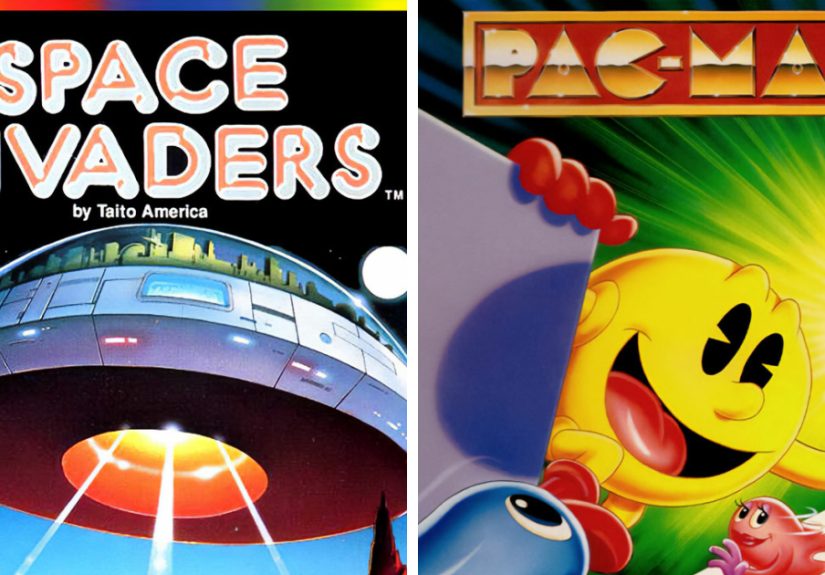
- Space Invaders the original “uh-oh, they’re getting closer” panic simulator.
- Pac-Man maze mastery, pattern learning, and the most famous power-up in gaming.
- Ms. Pac-Man faster, smarter, and still one of the cleanest sequels ever made.
- Galaga tight shooting, iconic formations, and the thrill of rescuing your captured ship.
- Asteroids momentum, precision, and that pure vector-line swagger.
- Centipede trackball bliss with a bug problem that escalates fast.
- Defender a brutally demanding masterpiece that raised the skill ceiling.
- Robotron: 2084 twin-stick intensity that feels like surviving a neon storm.
- Tempest geometric hypnosis with a “don’t blink” difficulty curve.
- Dig Dug inflate enemies, drop rocks, and somehow feel like a strategic genius doing it.
- Donkey Kong platforming history and one of the most influential cabinets ever built.
- Donkey Kong Jr. a clever twist that made climbing feel fresh again.
- Frogger simple goal, legendary chaos: traffic, logs, and instant regret.
- Joust flying duels, flapping panic, and couch-co-op betrayal before it was trendy.
- Q*bert color-changing puzzle platforming with pure personality.
- BurgerTime drop burger parts while being chased by food. Yes, it rules.
- Missile Command tense defense gameplay that feels oddly dramatic for vector dots.
- Star Wars (Atari vector) trench-run vibes and one of the coolest cockpit fantasies.
- Lunar Lander the quiet, brainy cabinet that turns fuel into anxiety.
- Battlezone early 3D tank combat that still feels like a time machine.
Shooters, Shmups, and Run-and-Gun Legends
Arcade shooters are where reflexes go to get a workout and your quarter goes to get a very brief retirement.
Whether it’s classic vertical shmups or side-scrolling bullet parties, these games make “one more credit” feel inevitable.
- 1942 a foundational vertical shooter with a forever-legendary loop.
- Xevious air-to-ground targeting that made the genre feel smarter.
- R-Type the Force pod, the pacing, the bossessci-fi shmup excellence.
- Gradius power-ups, risk-reward, and a soundtrack that’s basically a victory lap.
- Darius widescreen spectacle and aquatic robot bosses (because why not?).
- Raiden the “just one more stage” shooter that never gets old.
- DoDonPachi bullet hell precision for players who enjoy beautiful stress.
- Space Harrier fast, weird, iconic: like a dream you can barely control.
- After Burner jets, speed, and pure arcade adrenaline.
- Commando tough-as-nails action that helped shape run-and-gun DNA.
- Ikari Warriors rugged co-op chaos with a cabinet attitude problem.
- Contra laser focus, perfect pacing, and co-op heroics.
- Gun.Smoke western shooting with a surprisingly tactical rhythm.
- Metal Slug animation wizardry wrapped around hilarious destruction.
- Metal Slug 2 bigger, bolder, and delightfully absurd.
- Metal Slug 3 a content-packed joyride with set pieces for days.
- Spy Hunter vehicular action with gadgets that make you feel like a secret agent on a budget.
Action, Skill, and “WaitThis Cabinet Is Addictive” Classics
Some arcade hits don’t fit neatly in one box. They’re pure vibe, pure challenge, or pure “how is this so hard?”
energy. These are the games you try for fun… then realize you’re locked in.
- Tron multiple modes, neon style, and an arcade glow-up that still dazzles.
- Paperboy deliver papers, dodge chaos, and learn that suburban streets are basically a battlefield.
- Tapper frantic multitasking that turns pouring soda into a sport.
- Rampage play as monsters, smash cities, and live your kaiju dreams responsibly.
- Shinobi sharp ninja action with that classic Sega swagger.
- Ghosts ’n Goblins punishing platforming that dares you to quit (you won’t).
- Ghouls ’n Ghosts more polish, more cruelty, and somehow even more charm.
Co-op Brawlers and Crowd-Pleasers (Quarter-Sharing Encouraged)
The arcade floor is where co-op became a public event. These games are loud, flashy, and built for shoulder-to-shoulder
teamworkplus the occasional “accidental” friendly fire.
- Gauntlet the four-player dungeon crawl that taught us teamwork…and snack theft.
- Gauntlet Legends bigger co-op energy with 3D flavor and party vibes.
- Smash TV twin-stick mayhem where everything explodes and the audience demands more.
- Double Dragon street brawling fundamentals, with iconic co-op moments.
- Final Fight punchy, polished, and one of the genre’s defining cabinets.
- Captain Commando stylish co-op brawling with a comic-book grin.
- Teenage Mutant Ninja Turtles the pizza-powered co-op cabinet that filled arcades with laughter.
- The Simpsons colorful chaos and a beat-’em-up that feels like an episode you can play.
- X-Men big sprites, big teamwork, and that legendary “join in!” magnetism.
- Golden Axe fantasy brawling with satisfying attacks and a classic arcade tone.
- Cadillacs and Dinosaurs weird, wonderful, and secretly one of the most fun brawlers to revisit.
- Alien vs. Predator co-op action with serious bite and great cabinet presence.
- Dungeons & Dragons: Tower of Doom a beat-’em-up with RPG flavor that feels like a tabletop night on a cabinet.
Fighting Game Royalty (The Arcade Was Their Throne)
Fighting games turned arcades into arenas. They created rivalries, local legends, and that sacred moment when someone
says, “Next match,” and everyone nearby suddenly becomes a referee.
- Karate Champ early competitive fighting DNA in pure arcade form.
- Street Fighter II the cabinet that changed everything (and made lines form).
- Street Fighter II Turbo faster, fiercer, and built for bragging rights.
- Street Fighter Alpha 2 stylish systems and smooth play that still feels great.
- Street Fighter III: Third Strike deep, precise, and eternally beloved by high-level players.
- Mortal Kombat iconic presentation, unforgettable vibes, and a cultural earthquake.
- Mortal Kombat II bigger roster, sharper play, and more “crowd around this cabinet” energy.
- Killer Instinct combo spectacle with a cabinet soundtrack that announces itself.
- Virtua Fighter pioneering 3D fighting with clean, technical feel.
- Tekken 3 smooth, fast, and packed with personality.
- Soulcalibur weapon-based duels with movement that feels almost effortless.
- Samurai Shodown II tense, deliberate fights where one good read can change everything.
- The King of Fighters ’98 a fan-favorite balance of roster and rhythm.
- Marvel vs. Capcom 2 loud, wild, and still one of the most crowd-hyping fighters ever.
- Capcom vs. SNK 2 dream matchup energy with systems for days.
- Guilty Gear XX Accent Core anime-style precision that rewards dedication.
Racing and Driving Cabinets (Seats Optional, Ego Not)
Racing games are arcade magic because the cabinet is part of the fantasysteering wheels, rumble, pedals, and that
feeling you’re doing something slightly illegal at 120 mph while holding a soda.
- Pole Position a landmark racer that helped set the template.
- Out Run cruising, vibes, and a soundtrack that should be bottled and sold.
- Hang-On leaning into turns feels like arcade physics therapy.
- Daytona USA big voice lines, big speed, big memories.
- Ridge Racer drift-friendly fun with a clean arcade rhythm.
- Cruis’n USA pure “vacation road trip” arcade fantasy.
- Crazy Taxi chaotic driving with a timer that turns you into a maniac (politely).
- Initial D Arcade Stage mountain drift dreams and a serious skill ceiling.
- San Francisco Rush wild airtime and over-the-top arcade racing flavor.
- Hydro Thunder boats + boosts + chaos = “why is this so good?”
- Super Sprint tight top-down racing that’s still brutally fun with friends.
Sports and Competitive Crowd Magnets
Sports cabinets are where even casual players become loud, confident analysts. (For the record, your teammate did
miss a wide-open shot. The machine saw it. The machine remembers.)
- Punch-Out!! read patterns, land hits, and earn the right to brag.
- Super Punch-Out!! faster, flashier, and still a fantastic arcade challenge.
- Track & Field button-mashing olympics that turns fingers into instruments.
- NBA Jam “He’s on fire!” and a cabinet that never needed realism to be perfect.
- NBA Jam: Tournament Edition deeper, bigger, and made for serious trash talk.
- NFL Blitz arcade football with zero chill and maximum fun.
- Wayne Gretzky’s 3D Hockey bouncy, chaotic hockey that embraces the arcade spirit.
- Golden Tee the social golf cabinet that basically invented bar competition.
- Virtua Tennis clean gameplay that makes rallies feel buttery smooth.
Puzzle, Pattern, and “I’ll Quit After This Round” Addictions
Puzzle arcade games are sneaky. They look calm. They feel calm. Then you realize you’ve been standing there for
27 minutes, your friend left, and you’re bargaining with a machine made of plastic and pride.
- Bubble Bobble cute co-op platforming with a surprising amount of depth.
- Puzzle Bobble (Bust-A-Move) simple aim, endless strategy, and unstoppable “one more try” energy.
- Tetris (arcade) timeless design that still feels like a perfect brain puzzle.
- Puyo Puyo chain reactions that make you feel brilliant (until you get buried).
- Klax pattern-matching tension that ramps up fast and stays sharp.
- Arkanoid breakout-style brilliance with power-ups that keep it spicy.
Rhythm, Light-Gun, and Big-Box Spectacle
These cabinets are events. They make noise. They pull crowds. They turn the floor into a stage and dare you to
perform. (And yes, someone will watch you. That’s part of the experience.)
- Dance Dance Revolution a cardio legend disguised as a rhythm game.
- Beatmania a musical skill test that feels like learning an instrument at high speed.
- Time Crisis pedal-driven cover shooting that nails arcade pacing.
- Time Crisis II co-op thrills and bigger set pieces.
- The House of the Dead horror-arcade fun with unforgettable cabinet energy.
- The House of the Dead 2 sharper play, bigger moments, and peak light-gun charm.
- Virtua Cop crisp shooting and classic Sega arcade style.
- Lethal Enforcers bold presentation and arcade attitude.
- Area 51 a beloved shooter that’s basically a nostalgia tractor beam.
- Point Blank mini-game shooting that’s perfect for groups and grinning.
- Silent Scope the sniper-scope gimmick that somehow becomes serious business.
Arcade Experiences: of Quarter-Stacks, High Scores, and Pure Vibes
The best part about arcade games isn’t just the gameplayit’s the ritual. You walk in and instantly know where
you are: the layered soundtrack of attract modes, the sharp “clack” of buttons, the occasional triumphant shout,
the gentle disappointment of a friend who just lost on the last life. Arcades are one of the few places where losing
is still fun because losing is loud, communal, and usually followed by somebody saying, “Okay, your turn. Show me.”
And then there’s the quarter economy. If you’ve never guarded a small stack of coins like it’s your retirement plan,
you haven’t truly lived. You learn quickly: a single quarter is hope, but three quarters is a plan. The best arcade
games teach confidence with their clarityPac-Man tells you what matters, Galaga makes you brave enough to risk
your ship, and Street Fighter II turns every match into a tiny story with a villain, a comeback, and a very dramatic
finish. Even games you’re terrible at feel worth trying because the cabinet sells the fantasy so well.
The social layer is the secret sauce. Arcades invented the “spectator sport” version of gaming. You can learn by
watching, steal a strategy, then step up and try to execute with an audience that pretends they’re not judging you.
Fighting games turned this into culturelocals, rivalries, and the sacred rule that the winner stays… until they don’t.
Co-op brawlers do something equally magical: they let strangers become teammates for ten minutes. You don’t need a
headset or a friend request. You just slide in, drop a credit, and suddenly you’re saving the city with somebody you
met 12 seconds ago.
Modern “barcades” and retro spots keep that energy alive, but the vibe has evolved. In many places, the pressure is
lower: fewer kids with bottomless energy, more adults with nostalgic joy, and an unspoken agreement that it’s okay
to be rusty. You’ll see people discover classics for the first timesomeone realizing why Ms. Pac-Man still feels
fast, someone laughing at how tense Missile Command gets, someone learning that Golden Tee is basically a social
experiment disguised as golf. The best moments are still the same ones from decades ago: a crowd forming, a high
score run getting quiet, a last-second win, and that little spark in your brain that says, “I can do better.”
If you want to recreate the real arcade feeling anywhere, here’s the trick: don’t binge. Arcade games are built for
short, intense sessionsplay one game, step back, talk trash (lovingly), watch someone else, then come back for
another round. That rhythm is the point. The arcade isn’t just a place to play games. It’s a place where games become
memoriesmeasured in credits, courage, and the occasional heroic quarter that saves a run.
Final Thoughts
The best arcade games ever aren’t just “old games.” They’re masterclasses in readable design, satisfying controls,
and replayable challengebuilt for the public stage. Whether you’re chasing high scores, reliving childhood favorites,
or discovering coin-op classics for the first time, these cabinets prove one thing: fun doesn’t expire. It just asks
for another credit.






