Table of Contents >> Show >> Hide
- When a Flop Becomes a Cult Classic
- 12 Box Office Bombs That Became Cult Hits
- 1. Blade Runner (1982)
- 2. The Thing (1982)
- 3. Fight Club (1999)
- 4. Donnie Darko (2001)
- 5. The Rocky Horror Picture Show (1975)
- 6. The Shawshank Redemption (1994)
- 7. Heathers (1988)
- 8. Dazed and Confused (1993)
- 9. The Big Lebowski (1998)
- 10. Office Space (1999)
- 11. Scott Pilgrim vs. the World (2010)
- 12. Speed Racer (2008)
- What These Cult Classics Teach Us About “Failure”
- Experiences and Takeaways from Box Office Bombs Turned Cult Hits
In Hollywood, the box office is supposed to be the ultimate scoreboard: big opening weekend, victory lap; quiet ticket sales, straight to the bargain bin. But every now and then, audiences and critics get it wrong in real time. Movies that “failed” badly marketed, poorly timed, or just too weird for the moment end up becoming the films people quote at parties, dress up as for Halloween, and show their friends at 2 a.m. with the sentence, “Okay, just trust me on this.”
These are the box office bombs that became cult hits: films that stumbled in theaters but went on to inspire fan conventions, midnight screenings, and endless think pieces. They didn’t just survive failure they turned it into a badge of honor.
When a Flop Becomes a Cult Classic
A box office bomb is usually defined as a movie that fails to recoup its production and marketing costs during its theatrical run. A cult classic is almost the opposite of a typical blockbuster: instead of appealing to everyone, it inspires a small but fiercely loyal audience that revisits it, quotes it, and shares it like a secret handshake.
Home video, cable TV marathons, DVD extras, streaming algorithms, fan forums, and social media have all helped rescue misunderstood films. The following 12 movies prove that a weak opening weekend doesn’t mean the story is over sometimes, it’s just the prologue.
12 Box Office Bombs That Became Cult Hits
1. Blade Runner (1982)
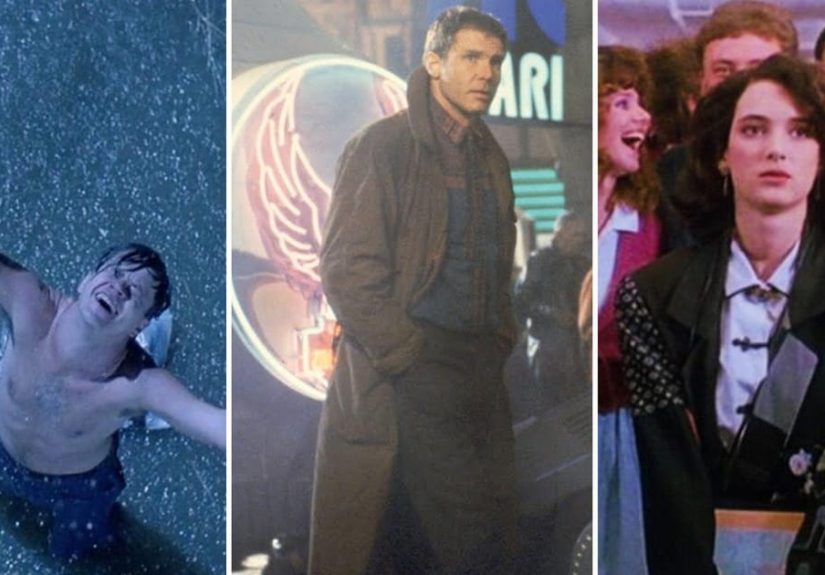
Ridley Scott’s neon-soaked sci-fi noir cost around $30 million and made only about $41–42 million worldwide in its original run hardly a “Star Wars”-level success in an era packed with sci-fi hits. Many critics complained it was too slow, too dark, and too confusing, and audiences expecting a straightforward Harrison Ford action vehicle got moody existential dread instead.
Over time, though, Blade Runner became a defining cult sci-fi movie. Home video, director’s cuts, and endless debates over whether Deckard is a replicant turned it into a touchstone. Its rain-drenched cityscapes, synth score, and questions about what it means to be human heavily influenced cyberpunk, anime, video games, and later films. Today, it’s considered one of the greatest science-fiction films ever made not that its opening weekend would have guessed it.
2. The Thing (1982)
John Carpenter’s paranoia-fueled horror movie hit theaters just weeks after the cuddly alien of E.T. the Extra-Terrestrial, and audiences were not in the mood to watch dogs split open and turn into nightmare spider-creatures. It grossed under $20 million on a budget of around $15 million, which was disappointing for a major studio release.
On video and cable, however, The Thing found the horror fans it deserved. Its practical effects became legendary, its bleak ending sparked countless arguments, and its “who can you trust?” atmosphere inspired everything from later horror movies to video games. What was once criticized as too grim is now praised as a masterpiece of suspense and gore, a textbook example of how a sci-fi horror bomb can evolve into a cult favorite.
3. Fight Club (1999)
With a budget in the mid-$60 million range and a worldwide gross of about $100 million, Fight Club didn’t completely crater, but it fell short of expectations for a big studio drama starring Brad Pitt and Edward Norton. Its violent imagery and anti-consumerist themes divided critics, and the ad campaign struggled to explain what, exactly, this movie was.
Then the DVD hit. College dorms practically adopted Fight Club as a lifestyle, not just a movie. The twist ending, the narrator’s unreliable perspective, and the famous “rules” turned into pop-culture shorthand. Debates about whether the film critiques or celebrates toxic masculinity still rage on, which is part of why it remains a modern cult classic: even people who hate it can’t stop talking about it.
4. Donnie Darko (2001)
Released just weeks after 9/11, Donnie Darko featured a jet engine falling from the sky and a moody teen staring down a creepy rabbit in a skeleton suit. It barely made half a million dollars in its initial U.S. run, far below its modest budget. The timing and marketing left mainstream audiences confused or disinterested, and it seemed destined for obscurity.
But on DVD and in midnight screenings, viewers became obsessed. Fans built websites to decode the time loops and alternate timelines, memorized the haunting ’80s soundtrack, and turned Frank the rabbit into an icon. Donnie Darko showed how the home-video era could resurrect a theatrical flop and transform it into a cult sci-fi touchstone.
5. The Rocky Horror Picture Show (1975)
On initial release, this campy musical about a “sweet transvestite from Transsexual, Transylvania” was considered a failure, with poor box office performance and puzzled reviews. It did fine in a couple of cities, then fizzled when expanded. By conventional studio logic, it was a misfire.
Enter midnight screenings. In New York and other cities, late-night showings attracted fans who dressed up, yelled at the screen, and acted out the movie in front of it. Audience participation turned Rocky Horror into a cult phenomenon and one of the longest-running theatrical releases in history. For generations of viewers especially those exploring identity and self-expression it’s been less a film than a rite of passage.
6. The Shawshank Redemption (1994)
It’s now regularly ranked among the greatest movies ever made, but when The Shawshank Redemption opened, it underperformed. A bleak title, a prison setting, and stiff competition meant low initial box office. Many viewers simply didn’t know what it was, and those who did sometimes assumed it was a grim, prestige-only drama.
Cable and home video changed everything. Constant reruns turned Shawshank into the ultimate “if it’s on, I’ll watch it” movie. Its mix of hardship, friendship, and quiet hope resonated deeply, especially with audiences who discovered it on TV rather than in theaters. The result: a movie that went from modest box office to “ultimate cult classic” in the long tail of movie-watching.
7. Heathers (1988)
Dark teen comedy about murder, bullying, and staged suicides? In 1988, that was a hard sell. Heathers, starring Winona Ryder and Christian Slater, did poorly at the box office and left studios wary of similarly edgy teen projects. It was the opposite of the feel-good high school movie.
Over time, though, Heathers became a rite of passage for fans who appreciated its vicious wit and satire of popularity culture. Its quotable dialogue (“What’s your damage?”), iconic fashion, and unapologetically dark tone turned it into an ’80s cult classic. It eventually inspired a musical, a TV adaptation, and a whole lineage of dark teen comedies that followed its lead.
8. Dazed and Confused (1993)
Richard Linklater’s sprawling portrait of the last day of school in 1976 barely cracked $8 million in theaters, just above its production budget. With no clear plot, no big star at the time, and a marketing campaign that leaned into “stoner comedy,” it didn’t ignite the box office.
But as the years passed, viewers discovered how sharply it captured the feeling of being young, bored, and on the verge of something you can’t quite name. Its soundtrack, full of ’70s rock, and its ensemble cast (including early roles for Matthew McConaughey and Ben Affleck) helped fuel its reputation. Now, it’s routinely cited as one of the best high school movies ever made and a quintessential cult hangout film.
9. The Big Lebowski (1998)
After the critical success of Fargo, expectations were high for the Coen brothers’ next movie. The Big Lebowski didn’t meet them financially. It took in modest box office returns, with critics and audiences initially divided over its offbeat plot about a stoner bowler, a ruined rug, and a kidnapping that may or may not be real.
The Dude abides and so did his fans. Over time, the film’s bizarre world, quotable dialogue, and endlessly memeable scenes turned it into a cult classic. “Lebowski Fests,” cosplay, and think pieces about the film’s philosophy followed. What started as a financial disappointment became one of the most beloved cult comedies of all time.
10. Office Space (1999)
Mike Judge’s satire of cubicle life cost about $10 million and barely scraped past that number in theaters, landing as a mild box office disappointment. The marketing didn’t quite know how to sell it, and on opening weekend, it looked like just another small comedy lost in the crowd.
Once it hit DVD and cable, though, every office worker who’d ever wanted to smash a printer found their holy text. Lines like “Yeah, I’m gonna need you to go ahead and come in on Saturday” became shorthand for corporate misery. The red stapler, TPS reports, and that printer-smashing scene turned Office Space into a cult institution, especially among burned-out knowledge workers who recognized their lives on screen a little too clearly.
11. Scott Pilgrim vs. the World (2010)
Edgar Wright’s hyper-stylized adaptation of the Scott Pilgrim graphic novels had a budget around $85–90 million and fell significantly short of that at the global box office. Its blend of video-game logic, comic-book visuals, indie rock, and deadpan Canadian humor made it hard to categorize, and marketing struggled to explain what it was.
Years later, Scott Pilgrim vs. the World is a cult favorite for the very reasons it initially confused people. Fans love its kinetic editing, on-screen sound effects, and self-aware take on romantic relationships and emotional baggage. The cast including Michael Cera, Mary Elizabeth Winstead, and a pre-Captain-America Chris Evans only became more famous, driving new viewers back to this “failed” movie that now feels ahead of its time.
12. Speed Racer (2008)
With a production budget estimated at around $120 million and a worldwide gross of about $94 million, the Wachowskis’ Speed Racer was widely labeled a box office failure. Critics were divided; some found it noisy and incoherent, and audiences unsure whether it was a kids’ movie or a grown-up experiment in digital excess largely stayed away.
Since then, critics and fans have reevaluated it as a boldly stylized, live-action cartoon that pushed visual storytelling into wild new territory. Its candy-colored racing sequences, earnest family themes, and unapologetic sincerity gave it lasting charm. Many now consider it an underrated cult gem that deserves far more credit than its early reviews and box office would suggest.
What These Cult Classics Teach Us About “Failure”
Looking at these 12 movies together, a pattern emerges: box office bombs that become cult hits tend to be too something for their original moment. Too weird, too dark, too slow, too experimental, too honest, too cynical, too sincere. They don’t fit the marketing plan or the studio’s idea of what audiences want on that particular weekend.
Yet that “too much” quality is exactly what makes them special later on. When the initial wave of marketing hype and expectations fades, viewers can discover them on their own terms. The pressure is gone. Instead of “this must be a huge hit,” the vibe becomes “hey, you have to see this strange little film I found.” That’s how cult communities are born: one recommendation at a time.
They also show how distribution shapes reputation. In the VHS and DVD era, movies like The Thing, Office Space, and Dazed and Confused lived on cable channels and rental shelves. Today, algorithms quietly recommend films like Scott Pilgrim vs. the World to viewers based on what they already love. It’s not always fair some great movies never get that second chance but it does give oddball projects a shot at redemption.
For filmmakers, these stories are both comforting and terrifying. Comforting, because a disappointing theatrical run doesn’t necessarily mean the work has failed. Terrifying, because it might mean your movie was made for people 10 or 20 years in the future. For audiences, the lesson is simpler and more fun: don’t let box office numbers tell you what you’re allowed to love.
So the next time you see a headline declaring a movie a “disaster” or a “bomb,” remember: that’s just the opening chapter. Somewhere out there is a future fan, ready to adopt it as their favorite film of all time, quote it endlessly, and drag their friends into a midnight screening. Failure, it turns out, can be the first step toward cult immortality.
Experiences and Takeaways from Box Office Bombs Turned Cult Hits
If you’ve ever fallen in love with a so-called “flop,” you know the experience feels different from loving a mainstream blockbuster. Watching a cult classic movie like The Big Lebowski or Donnie Darko years after its release can feel like discovering a secret room in a house you thought you already knew. You’re not just consuming what everyone else saw in the theater; you’re joining an ongoing conversation.
One of the most powerful parts of these films is how they invite rewatching. The first time you see Blade Runner, you might be overwhelmed by the visuals. On the second or third viewing, you start noticing the tiny background details, the way the soundtrack wraps around certain lines, or the moral ambiguity in each scene. With Fight Club, once you know the twist, it becomes a completely different film on rewatch a puzzle where you’re suddenly aware of how carefully the narrative hides its secret in plain sight.
There’s also a shared social experience around these box office bombs that became cult hits. Friends don’t just recommend them, they curate them. Someone might host a theme night: “We’re watching Office Space, and everyone has to show up in business-casual clothes and complain about their job.” Another person might introduce Rocky Horror with a full set of props and instructions rice, newspapers, toast, and all turning a 90-minute movie into a full-blown participatory ritual.
Even online, the way people interact with these films feels different. Memes from Speed Racer or Scott Pilgrim vs. the World often come with a knowing tone: “If you get this, you’re one of us.” Quoting The Dude or reciting a line from Heathers acts like shorthand for a shared sensibility. You’re not just referencing a movie; you’re signaling taste, humor, and a certain comfort with stories that don’t fit neatly into standard categories.
For newer generations discovering these films on streaming platforms, the time lag creates a strange, wonderful contrast. Younger viewers might stumble upon Dazed and Confused and see it as an almost anthropological record of ’70s youth culture even though it was made in the ’90s about the ’70s and found its biggest audience in the 2000s. The layers of time only deepen the film’s charm and its cult identity.
Perhaps the most satisfying experience, though, is watching a film slowly shift in reputation over your own lifetime. If you saw Speed Racer in theaters and liked it when everyone else shrugged, it’s incredibly validating to see critics now call it visionary or ahead of its time. You get to be the “I was there first” person the early adopter of a cult hit.
Ultimately, these experiences remind us that film culture doesn’t end when the opening weekend numbers are in. The life of a movie stretches across formats, platforms, and generations. Whether you discover a so-called failure on a scratched DVD, through a late-night cable airing, or on a streaming platform’s “because you watched…” row, you’re part of the long, strange journey from box office bomb to beloved cult classic. And that journey messy, unpredictable, and full of surprise is one of the most rewarding parts of being a movie fan.
SEO JSON (for reference / integration)