Table of Contents >> Show >> Hide
- Seasonal Affective Disorder 101
- Why SAD Happens (AKA: Your Brain vs. Daylight)
- SAD Symptoms: What It Looks Like in Real Life
- Who’s More Likely to Get SAD?
- Diagnosis: How Clinicians Tell It’s SAD
- Treatment FAQs: What Actually Helps
- What are the main treatments for Seasonal Affective Disorder?
- Does light therapy really workor is it just a fancy desk lamp?
- How do I use a light box correctly?
- Are there side effects or safety issues with light therapy?
- Can I use a tanning bed instead of a light box?
- What about “blue light” devices?
- Is therapy effective for SAD?
- Do antidepressants help Seasonal Affective Disorder?
- Should I take vitamin D for SAD?
- What lifestyle changes actually make a difference?
- Can SAD be prevented?
- Quick “Do This Next” Checklist
- of “This Is What It Feels Like”: Experiences People Often Describe
- Conclusion
SAD is one of the few medical acronyms that also describes how you feel when it shows up. If you notice that every yearright on scheduleyour mood sinks when daylight disappears (or, less commonly, when summer turns the thermostat into a personal vendetta), you may be dealing with Seasonal Affective Disorder (Seasonal Depression).
This guide answers the big “Wait, is this normal?” questions with real, science-based info, practical examples, and a pinch of humorbecause if your brain is going to dim the lights, the least it can do is let you laugh about it.
Seasonal Affective Disorder 101
What exactly is Seasonal Affective Disorder (SAD)?
Seasonal Affective Disorder is a form of depression that follows a predictable seasonal pattern. Most people experience symptoms in late fall or early winter that ease in spring (“winter-pattern SAD”), but a smaller group experience symptoms in spring/summer (“summer-pattern SAD”). It’s not just “I hate winter”it’s depression symptoms that can seriously affect sleep, appetite, energy, motivation, and daily life.
Is SAD a real diagnosis or just a dramatic nickname for winter?
It’s real. Clinically, it’s generally considered a depressive disorder with a seasonal pattern, meaning the depression episodes show up in a consistent season and then remit in another. Think of it as your mood having an annoying annual subscription.
How is SAD different from the “winter blues”?
The “winter blues” are common and usually mildlike feeling a little blah when it’s dark at 4:45 p.m. SAD is more intense and persistent. A practical litmus test:
- Winter blues: You’re functioning, just cranky about it.
- SAD: Your mood, sleep, energy, appetite, or motivation shifts enough to disrupt work, school, relationships, or basic self-care.
How long does SAD last?
Winter-pattern SAD commonly lasts several months and often tracks the darker part of the year. If you’re noticing a consistent seasonal slump that lingersnot a rough weekpay attention to the pattern.
Why SAD Happens (AKA: Your Brain vs. Daylight)
What causes Seasonal Affective Disorder?
Researchers are still mapping the full “why,” but leading theories point to a mix of biology and rhythm disruption:
- Circadian rhythm shift: Reduced daylight can throw off your internal clock, affecting sleep and mood.
- Serotonin changes: Shorter daylight may contribute to lower serotonin activity, which matters for mood regulation.
- Melatonin changes: Seasonal shifts can alter melatonin (the sleep-wake hormone). In winter-pattern SAD, some people produce more melatonin, contributing to sleepiness and oversleeping.
- Vitamin D involvement: Less sunlight can mean lower vitamin D, which may play a role in mood in some peoplebut the research is mixed on supplementation as a treatment.
Is SAD “all in your head”?
It’s in your head the way a migraine is in your head: yes, that’s where your brain lives. But it’s not imaginary. Seasonal changes can affect hormones, sleep cycles, and mood-related neurochemistry. Also, winter can change your behavior (less outdoor time, less socializing, less movement), which can amplify depression symptoms.
Can summer cause SAD too?
Yesjust less often. Summer-pattern SAD can show up as agitation, insomnia, reduced appetite, and anxiety. Heat, disrupted sleep, and long daylight hours can contribute to feeling “wired and tired.” If your mood drops when the sun is blazing, you’re not alone, and you’re not “doing summer wrong.”
SAD Symptoms: What It Looks Like in Real Life
What are the common symptoms of winter-pattern SAD?
SAD shares core depression symptoms (low mood, loss of interest, fatigue, trouble concentrating), plus some very specific “hibernation energy” patterns. Common winter-pattern signs include:
- Low energy and feeling slowed down
- Oversleeping (or struggling to get out of bed)
- Increased appetite, especially carb cravings
- Weight gain (often linked to appetite + lower activity)
- Social withdrawal (aka “declining invites like it’s your job”)
- Hopelessness or irritability
What are symptoms of summer-pattern SAD?
Summer-pattern SAD often flips the script:
- Insomnia (instead of oversleeping)
- Low appetite and possible weight loss
- Agitation or restlessness
- Anxiety
- Irritability and feeling “on edge”
When is SAD an emergency?
If you have thoughts of self-harm, suicide, or feel unsafe, treat it as urgent. Reach out to a trusted person, your clinician, or local emergency services. In the U.S., you can call or text 988 (Suicide & Crisis Lifeline). SAD is treatable, and you deserve support nownot “after the holidays.”
Who’s More Likely to Get SAD?
What are the risk factors?
SAD can affect anyone, but some factors make it more likely:
- Living far from the equator (less winter daylight)
- Family history of depression or seasonal depression
- Having major depression or bipolar disorder (symptoms may worsen seasonally)
- Age and sex: Diagnosed more often in women and more frequently in younger adults
Does SAD mean I’m weak or lazy?
No. SAD can reduce energy, motivation, and concentrationthose are symptoms, not character flaws. If your body and brain are responding to seasonal changes, “just try harder” is about as useful as telling a phone with 2% battery to “be more charged.”
Diagnosis: How Clinicians Tell It’s SAD
How is SAD diagnosed?
There isn’t a single blood test for SAD. Diagnosis is usually based on:
- A clinical interview about mood, sleep, appetite, and functioning
- The seasonal pattern over time (not a one-off bad winter)
- Ruling out other causes (thyroid issues, anemia, sleep disorders, medication effects, etc.) when appropriate
Clinicians generally look for a recurring seasonal pattern rather than a single episode. Tracking symptoms month-to-month can be extremely helpful.
Should I self-diagnose based on a “Do you hate winter?” quiz?
You can absolutely use self-checks to notice patterns, but getting a professional evaluation mattersespecially if symptoms are severe, if you have bipolar disorder, or if you’re considering light therapy or medication. A correct diagnosis helps you avoid wasting time on the wrong solution.
Treatment FAQs: What Actually Helps
What are the main treatments for Seasonal Affective Disorder?
Most evidence-backed treatment plans use one or more of the following:
- Light therapy (especially for winter-pattern SAD)
- Psychotherapy (often CBT tailored for SAD)
- Antidepressant medication (sometimes seasonal, sometimes ongoing)
- Vitamin D evaluation/supplementation when appropriate (evidence mixed as a direct treatment)
- Lifestyle strategies (exercise, morning outdoor light, sleep routine, social support)
Does light therapy really workor is it just a fancy desk lamp?
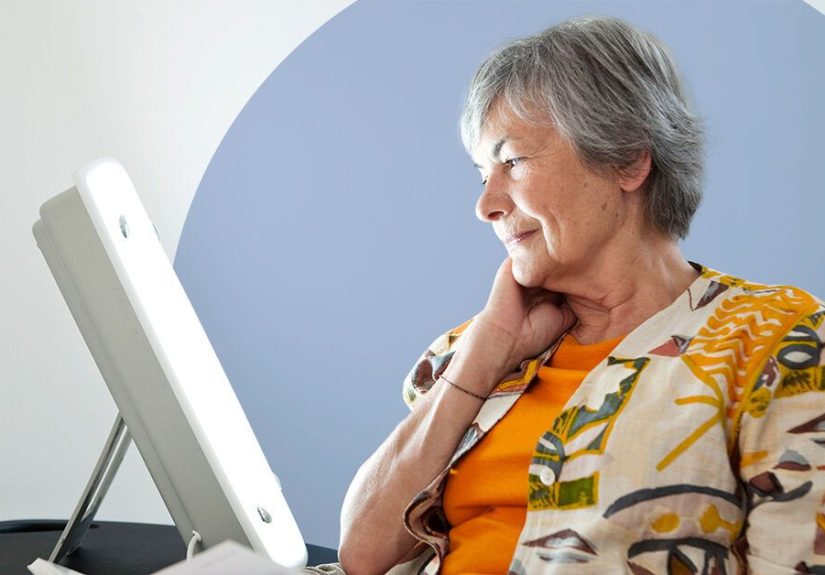
Light therapy is a well-established option for winter-pattern SAD. The key is using the right device and routine. A proper light box is much brighter than typical indoor lighting and is designed to filter out harmful UV rays. Many people notice improvement within a couple weeks (sometimes sooner), but consistency matters.
How do I use a light box correctly?
General evidence-based guidelines (always follow your clinician’s advice and your device instructions):
- Brightness: Often 10,000 lux
- Timing: Usually morning (soon after waking)
- Duration: Commonly 15–45 minutes depending on brightness and response
- Position: Place it a couple feet away; don’t stare directly into the light
- Consistency: Daily use through the season is commonly recommended to prevent relapse
Think of it like brushing your teeth: doing it once does not make you “immune to cavities forever.”
Are there side effects or safety issues with light therapy?
Light therapy is generally well-tolerated, but it can cause side effects like headache, eyestrain, irritability, or insomniaespecially if used too late in the day. Talk with a clinician first if you:
- Have eye conditions (retinal disease, macular problems, diabetic retinopathy)
- Take medications that increase light sensitivity
- Have bipolar disorder (light therapy and antidepressants can trigger hypomania/mania in some people)
Can I use a tanning bed instead of a light box?
No. Tanning beds expose you to ultraviolet rays that raise the risk of skin and eye damage. A SAD light box is designed to deliver bright light while filtering UV. Your mood does not need a side of sunburn.
What about “blue light” devices?
Some devices market narrow-spectrum blue light, but major clinical guidance generally emphasizes bright, UV-filtered light boxes, and some specialty programs caution against blue-light-only treatment. If you’re considering anything beyond standard bright light boxes, do it with clinical guidanceespecially if you have eye risks.
Is therapy effective for SAD?
Yes. Cognitive Behavioral Therapy adapted for SAD (CBT-SAD) focuses on changing unhelpful seasonal thoughts (“Winter ruins everything”) and building behaviors that protect mood (activity scheduling, social connection, realistic planning). Studies comparing CBT-SAD with light therapy show both can be effective, and some findings suggest CBT-SAD may have longer-lasting benefits across subsequent winters.
Do antidepressants help Seasonal Affective Disorder?
They can. Clinicians may use SSRIs (like sertraline or fluoxetine) or other antidepressants depending on your symptoms and history. There is also an extended-release bupropion option that has been approved to help prevent seasonal depressive episodes in some people when started before symptoms typically return and continued through the season. Medication choices should be individualizedespecially if bipolar disorder is a possibility.
Should I take vitamin D for SAD?
Low vitamin D is common in winter, and some people with winter-pattern SAD also have vitamin D deficiency. However, research on vitamin D as a direct SAD treatment is mixed. A smart approach is to talk with a clinician about whether checking levels makes sense for you, and whether supplementation is appropriate and safe (vitamin D can interact with some medications).
What lifestyle changes actually make a difference?
Lifestyle strategies aren’t “cute extras”they can meaningfully support treatment:
- Get outdoor light early when possible (morning daylight is especially helpful)
- Move your body (even a brisk walk counts; consistency beats intensity)
- Keep a steady sleep schedule (your circadian rhythm loves predictability)
- Plan social contact like it’s an appointment (because it is)
- Build winter-friendly routines (indoor hobbies, group classes, cozy-but-active plans)
Can SAD be prevented?
Because SAD often follows a predictable calendar, some people benefit from starting treatment before symptoms usually begin (for example, beginning light therapy in early fall). Prevention strategies are still being studied, but planning ahead with a clinician can reduce how hard the season hits.
Quick “Do This Next” Checklist
- Track your pattern for two weeks: mood, sleep, energy, appetite, cravings, social withdrawal, focus.
- Book a check-in with a primary care provider or mental health professional if symptoms affect functioning.
- Try morning daylight (outdoors if possible) and add movement you can repeat.
- If using a light box, choose a UV-filtered product designed for SAD and use it in the morningdon’t freestyle it at midnight like a vampire reversing a curse.
- Watch for red flags (suicidal thoughts, severe impairment, possible bipolar symptoms) and seek urgent help if needed.
of “This Is What It Feels Like”: Experiences People Often Describe
Seasonal Affective Disorder is easier to understand when you zoom in on the lived experiencenot as a single dramatic moment, but as a slow seasonal slide. Here are patterns many people report (and why they’re so often misunderstood):
1) The “My Alarm Clock Is a Personal Enemy” Phase
In winter-pattern SAD, mornings can feel like trying to boot up a laptop in a snowstorm. People describe waking up exhausted after a full night’s sleep, pressing snooze repeatedly, and still feeling like their body is full of wet sand. It’s not just “sleepy.” It’s a heavy, almost physical resistance that makes basic routinesshowering, breakfast, leaving the housefeel like high-effort tasks. Friends may say, “Must be nice to sleep in,” but it rarely feels nice. It feels like losing control of your own schedule.
2) The Social Battery That Won’t Charge
Many people with SAD notice their social life quietly collapses. Texts go unanswered. Invitations get declined with “I’m slammed” (even when you’re mostly staring into space). The tricky part: isolation can worsen depression, but depression also makes connection feel impossible. People often feel guiltylike they’re letting everyone downwhile also feeling too depleted to show up. A helpful reframe is to treat social contact as medicine: smaller doses, lower pressure, but consistent. A short walk with a friend can be more realistic than a three-hour party.
3) The Carb Magnet Effect
Cravings are not a moral failing; they’re a symptom some people experience. Many describe a powerful pull toward carbs and comfort foods, along with appetite changes and weight gain. This can be frustratingespecially in a culture that treats eating like a personality test. If this pattern shows up, it can help to plan “easy wins” foods: warm soups, protein-forward snacks, and meals that feel comforting without triggering the “I ate pasta; therefore I am pasta” spiral. The goal isn’t perfect nutrition; it’s steadier energy and mood support.
4) Summer SAD: When Sunshine Feels Too Loud
Summer-pattern SAD is less common, but people who experience it often feel invisible because everyone else is posting beach photos and pretending heat is a love language. They might sleep poorly, feel restless, lose appetite, and get irritable or anxious. Long daylight hours can make it harder to wind down, and heat can worsen sleep qualitywhich can drag mood down fast. Coping strategies often look like “reverse winter wellness”: cool, dark sleep environments; consistent routines; hydration; avoiding peak heat; and getting help if agitation or anxiety escalates.
If any of these sound familiar, the takeaway is simple: you’re not making it up, you’re not alone, and there are multiple paths to feeling better. The most effective plan is the one you can actually followconsistentlythrough the season you’re in.
Conclusion
SAD isn’t just a seasonal mood dipit’s a recurring depressive pattern that can affect sleep, energy, appetite, and your ability to function. The good news is that effective treatments exist. Light therapy, CBT-SAD, medication options, and practical lifestyle strategies can work alone or (often best) together. If your year has a predictable “dark months = dark mood” storyline, you don’t have to white-knuckle it until spring. You can plan, treat, and reclaim your season.