Table of Contents >> Show >> Hide
- Why tiny reminders can make a big difference
- The 12 sticky notes
- 1. “Breathe first. React second.”
- 2. “Not everything needs my attention today.”
- 3. “I can be kind to myself and still improve.”
- 4. “My worth is not measured by my productivity.”
- 5. “Small steps still count.”
- 6. “My mind needs rest, not just entertainment.”
- 7. “Gratitude is not denial. It is balance.”
- 8. “I do not need to believe every thought I think.”
- 9. “Move your body, change the weather in your mind.”
- 10. “Sleep is not a reward. It is a requirement.”
- 11. “Connection is medicine.”
- 12. “Peace of mind is a practice, not a permanent mood.”
- How to make these sticky notes actually work
- What these sticky notes look like in real life
- Final thoughts
- SEO Tags
Some people have vision boards. Some have meditation apps. Some have a coffee mug that says Good vibes only while they answer emails that absolutely do not contain good vibes only. For the rest of us, there is a simpler tool: the humble sticky note.
Not because a square of paper has magical powers. If it did, office supply stores would be considered sacred ground. But a short reminder, seen at the right moment, can interrupt panic, soften self-criticism, and nudge us back toward sanity. And in a world that feels like it was designed by a committee of over-caffeinated raccoons, that matters.
Peace of mind is not the same thing as a perfect life. It is not a life with no bad news, no awkward conversations, no bills, no mistakes, and no mysterious text that begins with, “Hey, quick question.” Peace of mind is steadier than that. It is the ability to return to yourself. To breathe before reacting. To speak to yourself like a human being instead of a hostile courtroom prosecutor. To remember that rest, movement, gratitude, boundaries, and connection are not luxuries. They are maintenance.
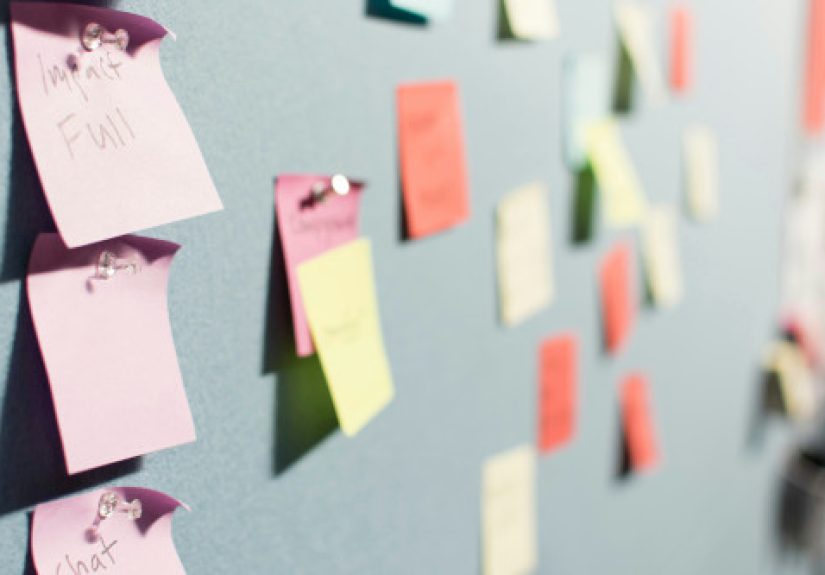
Below are 12 daily “sticky notes” worth reading again and again. Think of them as tiny, portable reality checks. They are short enough to fit on a note, but big enough to improve the tone of your day.
Why tiny reminders can make a big difference
Daily reminders work because most stress is not dramatic. It is repetitive. It is the pileup of racing thoughts, doom-scrolling, skipped lunches, poor sleep, harsh self-talk, and the strange modern belief that every email deserves the urgency of a fire alarm. A short phrase can interrupt that loop. It helps you pause, reset, and choose your next action with a little more intention and a lot less chaos.
That is also why the best reminders are simple. They do not try to solve your whole life before breakfast. They just point you back to a healthier direction.
The 12 sticky notes
1. “Breathe first. React second.”
This note deserves prime real estate on your desk, refrigerator, phone wallpaper, or forehead. So many unnecessary disasters begin when we react before we regulate. A delayed reply is not always rejection. A mistake is not always a catastrophe. A stressful moment is not a personal identity.
When you feel your shoulders rise, your jaw tighten, or your brain start narrating in all caps, pause. Take one slow breath in. Then another. This is not lazy. It is strategic. The gap between stimulus and response is where peace of mind starts to stretch its legs.
2. “Not everything needs my attention today.”
Now there is a sentence that could save half the population from burnout by Thursday. We often confuse urgency with importance, and availability with responsibility. But not every message needs an instant answer. Not every problem is yours to carry. Not every unfinished task is a moral failure.
This note is permission to sort, not spiral. Ask yourself: What truly matters today? What can wait? What belongs to someone else? Peace of mind gets louder when needless urgency gets quieter.
3. “I can be kind to myself and still improve.”
Some people treat themselves like a drill sergeant because they think softness will make them lazy. In reality, constant self-attack tends to make people anxious, avoidant, and exhausted. Self-compassion is not self-excuse. It is self-support.
If you messed up, missed a deadline, said the weird thing in the meeting, or forgot the name of someone you definitely met twice, try a better script: I made a mistake. I am still learning. I can fix what I can, and I do not need to bully myself into growth. That is a stronger mindset than shame pretending to be discipline.
4. “My worth is not measured by my productivity.”
This note may cause dramatic side effects, including setting your laptop down before midnight and remembering that you are a person, not a printer. Productivity is useful. It is not identity. Resting does not erase your value. Neither does moving slowly, needing help, or having an off day.
When your mind starts doing math with your to-do list, remember that your worth was never a spreadsheet. Peace of mind grows when you stop treating your existence like a performance review.
5. “Small steps still count.”
One walk counts. One glass of water counts. One honest conversation counts. One early bedtime counts. One page read, one stretch done, one boundary spoken, one deep breath taken in the parking lot before going inside—it all counts.
People lose peace of mind when they believe progress only matters if it is dramatic. But real life is built from small repeats. Tiny actions calm the nervous system because they create evidence: I am taking care of myself. I am moving in the right direction. I do not have to do everything today to do something meaningful today.
6. “My mind needs rest, not just entertainment.”
Scrolling is not always rest. Sometimes it is just stimulation wearing pajamas. Real rest may look less exciting: going outside, sitting quietly, stretching, listening to music, journaling, praying, breathing, or simply closing ten tabs that all claim to be essential and are mostly making your soul itch.
Peace of mind needs moments of quiet. Your brain cannot recover if every spare minute is filled with noise. A little boredom may actually be a door back to yourself.
7. “Gratitude is not denial. It is balance.”
Gratitude does not mean pretending everything is lovely when your week feels like a slow-motion pie fight. It means refusing to let stress be the only narrator. You can be worried and grateful. Tired and grateful. Healing and grateful. Frustrated and still aware that something good exists.
Try a daily question: What went right today? Maybe it was a text from a friend, decent coffee, a quiet drive home, a child’s laugh, a task finally finished, or the simple miracle of not losing your keys for once. Gratitude steadies attention. It reminds the mind that life is rarely all bad, even on very bad days.
8. “I do not need to believe every thought I think.”
Now we are getting into elite-level peace-of-mind territory. Thoughts are real experiences, but they are not always reliable narrators. The brain loves shortcuts, assumptions, and dramatic predictions. It can take one awkward interaction and build a six-season emotional television series around it.
When a thought appears—I am failing, nobody likes me, this will never get better, I always ruin everything—try curiosity instead of obedience. Is this true? Is it fully true? Is it just fear talking loudly? Observing a thought without marrying it on the spot is one of the healthiest things you can do for your inner life.
9. “Move your body, change the weather in your mind.”
You do not need to become a fitness influencer with suspiciously perfect lighting. But regular movement matters. Walking, stretching, dancing badly in the kitchen, taking the stairs, doing yoga in mismatched socks—all of it can help interrupt stress and lift your mental state.
Movement is one of the most underrated forms of emotional housekeeping. It clears static. It gets you out of your head and back into your body. On hard days, the goal is not athletic glory. The goal is simply this: change the weather in your mind by changing your state.
10. “Sleep is not a reward. It is a requirement.”
We tend to treat sleep like a bonus prize for finishing everything, which is adorable because everything is never finished. Sleep is not something you earn after proving your dedication to exhaustion. It is one of the foundations of clear thinking, steadier emotions, and better coping.
If your peace of mind has been missing lately, ask a blunt question: Am I actually rested? Not “Did I technically lose consciousness for a while?” Rested. Protect your bedtime. Lower the noise. Put the phone down sooner than you want to. Your morning self may not write you a thank-you card, but it should.
11. “Connection is medicine.”
When life gets heavy, many people isolate. It feels efficient. It feels tidy. It feels like, “Let me disappear for a week and become a mysterious forest creature.” Unfortunately, isolation often makes stress louder. Human beings regulate each other. A good conversation, a shared laugh, a check-in text, a walk with someone safe—these things matter.
You do not need a massive social circle or a personality that can host a game show. You just need honest connection. One person who knows the real version of you is worth more than a hundred low-energy interactions that leave you emptier than before.
12. “Peace of mind is a practice, not a permanent mood.”
This might be the most important note of all. Peace of mind is not a trophy you win and store on a shelf between your tax documents and that charger you keep meaning to identify. It is a practice. You return to it daily. Sometimes hourly. Sometimes five minutes after you swore you were finally calm.
That does not mean you are failing. It means you are alive. Some days peace of mind looks like meditation. Some days it looks like deleting one app, saying no to one extra task, going to bed early, or whispering, “That is enough for today.” The goal is not to become unshakeable. The goal is to become returnable.
How to make these sticky notes actually work
Reading a good reminder once is lovely. Seeing it where your stress actually lives is better. Put one on your bathroom mirror, one near your laptop, one on the fridge, one in your planner, and one as a phone lock screen. Choose the notes that match your most common spirals.
If you wake up anxious, use: “Breathe first. React second.” If you overwork, use: “My worth is not measured by my productivity.” If you are chronically hard on yourself, use: “I can be kind to myself and still improve.” If you are stretched thin by everyone else’s needs, use: “Not everything needs my attention today.”
You can also turn these into daily rituals. Read one before opening email. Write one in a journal. Say one before bed. Share one with a friend. Repetition is not corny; it is how new mental habits are built. Your mind already repeats fear for free. You are simply giving it better material.
What these sticky notes look like in real life
In real life, peace of mind rarely arrives wearing a dramatic soundtrack. It sneaks in through ordinary moments. A woman sits in her car outside work for sixty seconds and reads, “Breathe first. React second.” She still has a hard meeting, but she enters it with less fire in her chest. A father who feels guilty for resting sees, “My worth is not measured by my productivity,” and decides to eat lunch away from his computer. A college student with a crowded mind writes, “Small steps still count,” then studies for 20 minutes instead of canceling the whole day because perfection did not show up.
These reminders are useful because they meet people where they actually live: in kitchens, cubicles, bedrooms, cars, waiting rooms, and those strange little emotional airports between one responsibility and the next. They are not asking anyone to become a monk on a mountaintop. They are asking for one better thought, one calmer breath, one kinder response, one wiser boundary.
Imagine someone who has spent years believing that peace of mind belongs to naturally calm people. You know, the mythical adults who answer texts on time, fold fitted sheets correctly, and drink water for fun. Then one day that person starts keeping three tiny notes nearby. Not twelve. Just three. One for mornings, one for work stress, and one for bedtime. Over time, those notes become familiar. Then believable. Then automatic. The person still gets stressed, still overthinks sometimes, still has rough days. But now there is a softer landing.
That is how these ideas often work. Not as a lightning bolt. More like a handrail. You reach for it enough times that your body learns where stability is. The note about gratitude becomes a nightly habit of naming three good things. The note about connection becomes a weekly text to a trusted friend instead of disappearing when things get hard. The note about sleep becomes a real bedtime instead of a nightly argument with a glowing screen and a bag of snacks pretending to be emotional support.
Over time, the experience changes from “I need a reminder” to “I know what to do when I feel off.” That is a big shift. It means your peace of mind is no longer based entirely on external circumstances. It becomes a skill set. A rhythm. A way of returning.
And yes, some days you will ignore every wise note you wrote for yourself and suddenly find yourself stressed, hungry, underslept, and taking life advice from your own worst thoughts. Congratulations. You are human. That is precisely why the notes matter. They are there for the messy days, not the perfect ones.
The beauty of these sticky notes is not that they solve everything. It is that they remind you what matters before stress writes a terrible script for the day. They pull you back toward the basics: breathe, rest, move, connect, simplify, notice what is good, and speak to yourself with more mercy. For many people, that is not small at all. It is the beginning of feeling at home in your own mind again.
Final thoughts
If you only remember one thing, let it be this: peace of mind is built in the ordinary. It grows through repeated choices that look almost too simple to matter. A breath before a response. A walk before another spiral. A boundary before resentment. A bedtime before burnout. A gentle sentence instead of an inner attack.
So write the notes. Put them where your stress likes to hang out. Read them every day. Not because life will suddenly become quiet, but because you can become steadier inside the noise. And honestly, that may be the most useful sticky note of all.

![18 Best Types of Charts and Graphs for Data Visualization [+ How to Choose]](https://corkopencoffee.org/wp-content/uploads/2026/05/18-best-types-of-charts-and-graphs-for-data-visualization-how-to-choose-qKM1PBYG-thumb.jpg)