Table of Contents >> Show >> Hide
- Why these foods matter during pregnancy
- The 13 best foods to eat when you’re pregnant
- 1) Eggs
- 2) Salmon (and other low-mercury fatty fish)
- 3) Greek yogurt (or other pasteurized yogurt/kefir)
- 4) Leafy greens (spinach, kale, collards)
- 5) Beans and lentils
- 6) Lean beef (or turkey/chicken if you prefer)
- 7) Fortified breakfast cereal
- 8) Oatmeal
- 9) Sweet potatoes
- 10) Avocados
- 11) Nuts and seeds (walnuts, chia, pumpkin seeds)
- 12) Berries
- 13) Broccoli (and other cruciferous veggies)
- A simple daily “mix-and-match” pregnancy plate
- Food safety: the “eat this, not that” rules that actually matter
- What if I can’t stomach “healthy foods” right now?
- When to loop in your clinician
- Conclusion
- Real-life experiences: what eating during pregnancy actually feels like (and how people make it work)
Pregnancy nutrition has a reputation for being complicated. In reality, it’s more like assembling a really good playlist:
you want variety, you want the hits (hello, folate and iron), and you want to avoid the tracks that make everyone feel sick.
This guide breaks down 13 foods to eat when you’re pregnantnot as a rigid “diet,” but as a smart, flexible
lineup you can mix and match based on cravings, nausea, budget, and what your body tolerates this week.
Quick note before we dive in: every pregnancy is different. If you have hyperemesis, gestational diabetes, anemia, high blood
pressure, food allergies, or dietary restrictions, use this as general education and tailor it with your OB-GYN or a registered
dietitian. (Also, yes: you can still enjoy food. Even if the smell of your own refrigerator is currently your #1 enemy.)
Why these foods matter during pregnancy
Think of your body as a construction site that’s building a tiny, fast-growing human. That means you need more of certain nutrients,
especially folate/folic acid (early development), iron (blood volume and oxygen delivery),
protein (growth), calcium + vitamin D (bones/teeth), choline (brain and nervous system),
iodine (thyroid support), and omega-3s (DHA) (brain and eye development). A prenatal vitamin often helps
fill gaps, but food brings the full supporting castfiber, hydration, and actual satisfaction.
The 13 best foods to eat when you’re pregnant
1) Eggs
Eggs are an all-star pregnancy food: affordable, easy to cook, and packed with protein plus choline,
a nutrient many people don’t get enough of. Choline supports fetal brain and spinal cord development, and eggs are one of the most
concentrated food sources.
- Easy ways to eat: scrambled with spinach, hard-boiled for snacks, veggie omelet, egg salad made with Greek yogurt.
- Food safety tip: cook until whites and yolks are firm; skip raw batter and runny, undercooked eggs.
2) Salmon (and other low-mercury fatty fish)
Salmon brings DHA omega-3s to the partyfats that support fetal brain and eye development. It also provides protein and
key micronutrients. The key is choosing lower-mercury seafood and keeping portions sensible.
- Easy ways to eat: baked salmon with lemon, salmon bowls with brown rice and cucumber, salmon salad, salmon tacos.
- Smart serving idea: aim for a couple seafood meals per week from lower-mercury options.
- Food safety tip: cook seafood thoroughly; avoid raw fish and high-mercury species.
3) Greek yogurt (or other pasteurized yogurt/kefir)
Yogurt is a convenient source of calcium and protein, and many people find it gentle on the stomach
when nausea is lurking. Greek yogurt in particular is higher in protein, which helps keep blood sugar steadier and supports growth.
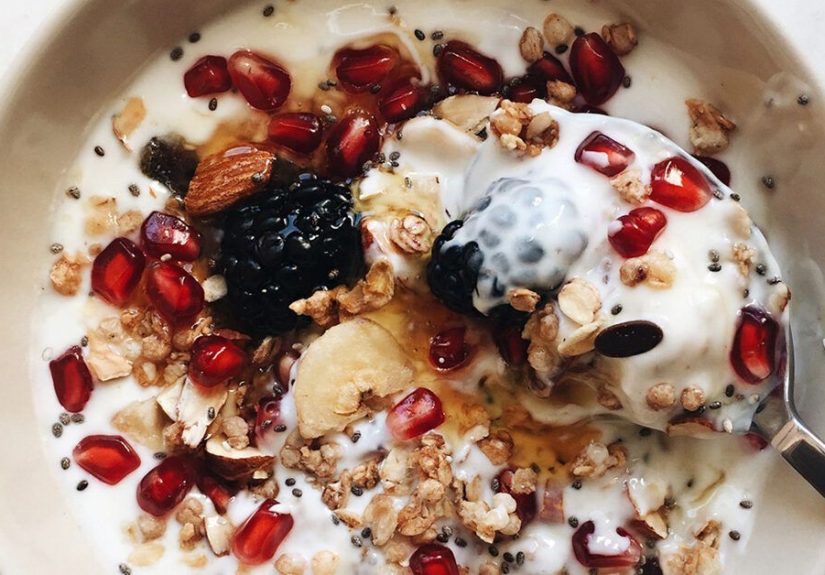
- Easy ways to eat: parfait with berries and granola, blend into smoothies, use as a sour cream swap.
- Pro tip: choose options with lower added sugar; sweeten with fruit, cinnamon, or vanilla.
- Food safety tip: stick with pasteurized dairy products.
4) Leafy greens (spinach, kale, collards)
Leafy greens bring folate (a big deal in early pregnancy), plus fiber, vitamin K, and a lineup of micronutrients.
They also help keep digestion movingbecause pregnancy constipation is extremely real and deeply rude.
- Easy ways to eat: sauté into eggs, toss into soups, blend into smoothies, build a big salad with beans and avocado.
- Absorption tip: pair iron-containing greens with vitamin C foods (citrus, berries, bell peppers) to help iron absorption.
- Food safety tip: wash produce well; consider pre-washed greens still worth a quick rinse.
5) Beans and lentils
Beans and lentils are pregnancy superheroes: they provide folate, iron, protein,
and fiber. They’re also budget-friendly and endlessly adaptablebasically the sweatpants of healthy food.
- Easy ways to eat: lentil soup, bean tacos, chickpea salad, hummus with whole-grain crackers, chili.
- Comfort tip: if gas/bloating hits, start with smaller portions and increase slowly; try well-cooked lentils or split peas.
6) Lean beef (or turkey/chicken if you prefer)
Pregnancy increases iron needs, and heme iron from animal foods is absorbed efficiently. Lean beef, turkey, and chicken also
deliver high-quality protein and B vitamins that support energy metabolismhelpful when “tired” becomes your default personality.
- Easy ways to eat: turkey meatballs, chicken stir-fry, beef and veggie bowls, taco salads.
- Iron-boosting tip: combine with vitamin C (tomatoes, citrus, berries, peppers) for better iron absorption.
- Food safety tip: cook meats to safe internal temperatures; avoid undercooked meats.
7) Fortified breakfast cereal
In the U.S., many cereals are fortified with folic acid and iron, which can be especially useful during
pregnancy when meeting needs from food alone can be challenging. It’s one of the easiest “set it and forget it” nutrition wins.
- Easy ways to eat: cereal with milk or fortified soy milk, layered into yogurt parfaits, or dry cereal as an on-the-go snack.
- Label tip: look for higher fiber and lower added sugar; pair with protein (milk/yogurt) and fruit.
8) Oatmeal
Oats offer whole-grain fiber that supports digestion and helps manage the “I’m hungry but also nauseous” contradiction.
Oatmeal is also customizablesweet, savory, hot, cold, whatever the day demands.
- Easy ways to eat: overnight oats with berries, warm oats with nut butter, savory oats with egg and spinach.
- Texture hack: if smell triggers nausea, try overnight oats served cold or room temp.
9) Sweet potatoes
Sweet potatoes are rich in beta-carotene (which your body can convert to vitamin A), plus fiber and potassium.
They’re comforting, gentle, and feel like real food even when your appetite is weird.
- Easy ways to eat: baked sweet potato with Greek yogurt, mashed sweet potato, roasted wedges, sweet potato + black bean bowls.
- Food safety tip: wash skins well if you eat them; cook until soft.
10) Avocados
Avocados bring healthy fats, fiber, and micronutrients like folate and potassium. They’re also a texture win:
creamy, easy to swallow, and friendly when heartburn makes everything feel like it’s fighting you.
- Easy ways to eat: avocado toast, guacamole with bean chili, sliced into salads, blended into smoothies for creaminess.
- Pairing idea: avocado + eggs = a choline-and-fat combo that’s seriously satisfying.
11) Nuts and seeds (walnuts, chia, pumpkin seeds)
Nuts and seeds add protein, fiber, and minerals like magnesium and zinc. Some (like walnuts and chia)
contribute omega-3 fats (ALA), and many people find small, protein-rich snacks helpful for nausea and energy dips.
- Easy ways to eat: trail mix, chia pudding, nut butter on toast, sprinkle seeds on yogurt or oatmeal.
- Portion tip: a small handful goes a long waygreat when you need nutrient density but not a massive meal.
12) Berries
Berries are packed with vitamin C, water, and fiber. Vitamin C supports immune function and helps with iron absorptionuseful
if you’re leaning on plant-based iron sources. Plus, berries are one of the few foods that can still sound appealing when everything else
tastes like cardboard sadness.
- Easy ways to eat: add to yogurt/oatmeal, blend into smoothies, freeze for a cold snack, top whole-grain waffles.
- Budget tip: frozen berries are nutritious, usually cheaper, and last forever (which is exactly how pregnancy feels at 3 a.m.).
13) Broccoli (and other cruciferous veggies)
Broccoli delivers fiber, vitamin C, and folate, and it’s an easy way to add volume and nutrients without relying on ultra-processed foods.
It also pairs beautifully with iron-rich mealsthink broccoli next to turkey meatballs or stirred into lentil soup.
- Easy ways to eat: roasted broccoli with olive oil, broccoli in pasta with chicken, steamed broccoli with lemon, broccoli cheddar soup (pasteurized dairy).
- Digestion tip: if broccoli causes bloating, try smaller portions, cook it thoroughly, and build up gradually.
A simple daily “mix-and-match” pregnancy plate
You don’t need perfect mealsjust repeatable patterns. Here’s a flexible template that uses the 13 foods above:
- Breakfast: oatmeal with berries + chia, or fortified cereal with milk and fruit.
- Snack: Greek yogurt with walnuts, or a hard-boiled egg and fruit.
- Lunch: lentil soup with leafy greens, plus avocado toast on the side.
- Snack: hummus with whole-grain crackers and cucumber, or frozen berries blended into a smoothie.
- Dinner: baked salmon with sweet potato and broccoli (or lean turkey chili with beans).
If nausea is intense, smaller meals more often can be easier than “three big meals,” and protein at breakfast can help stabilize your day.
Food safety: the “eat this, not that” rules that actually matter
Pregnancy slightly changes immune response, so foodborne illness can be more serious. You don’t need to fear your kitchenjust use a few
high-impact habits:
- Choose pasteurized dairy (milk, yogurt, cheese). Read labels on soft cheeses.
- Cook eggs, meat, poultry, and seafood thoroughly. Avoid raw batter, runny eggs, and undercooked meats.
- Be smart with deli meats: reheat until steaming hot if you choose to eat them.
- Pick lower-mercury seafood and avoid high-mercury fish.
- Wash produce well and keep cutting boards/utensils clean to prevent cross-contamination.
What if I can’t stomach “healthy foods” right now?
Welcome to pregnancy, where your body sometimes rejects foods you loved last Tuesday. When appetite is low or nausea is high, focus on:
- Protein you can tolerate: eggs, yogurt, nut butter, beans blended into soups.
- Cold foods: smoothies, yogurt, overnight oats (less smell = less drama).
- Small wins: add berries to cereal, toss spinach into scrambled eggs, use avocado to boost calories gently.
- Hydration support: watery fruits, soups, and smoothies can help if plain water tastes “wrong.”
When to loop in your clinician
Talk to your OB-GYN or midwife if you have symptoms of anemia (extreme fatigue, dizziness), persistent vomiting, significant weight loss, trouble
keeping fluids down, or if you’re managing gestational diabetes, thyroid disease, hypertension, or severe food aversions. Nutrition should support
younot become another source of stress.
Conclusion
A “healthy pregnancy diet” isn’t about perfection; it’s about repeating nutrient-dense choices often enough that your body has what it needs.
If you build meals around foods like eggs, low-mercury fish, yogurt, leafy greens, beans, whole grains, sweet potatoes, avocados, nuts, berries,
and broccoli, you’ll cover a lot of nutritional groundwhile still leaving room for real life (and the occasional “I cried because the restaurant
forgot my sauce” moment).
Real-life experiences: what eating during pregnancy actually feels like (and how people make it work)
Here’s the truth that doesn’t show up on perfectly lit meal-prep videos: pregnancy eating is often less “goddess of wellness” and more “human
guessing game.” Many moms-to-be describe it as a rotating cycle of cravings, aversions, and the occasional food obsession that makes absolutely no
logical sense. One week, you’re proudly sautéing leafy greens; the next, the smell of spinach makes you sprint away like it’s a villain in a horror movie.
That’s normaland it’s why having a flexible list of “safe bets” matters more than having a perfect plan.
A common pattern people mention is that protein at breakfast can change the entire day. Not in a magical, unicorn waymore like a
“my stomach feels steadier and I’m less likely to crash at 10 a.m.” way. Eggs, Greek yogurt, or oatmeal with nut butter tend to be popular because
they’re quick and don’t require culinary heroics. Many also find that cold or room-temperature foods are easier during nausea-heavy
weeks. Overnight oats, smoothies with berries and yogurt, or a simple cereal-and-milk combo can feel manageable when hot food smells like a personal attack.
Cravings are their own genre. Some people crave fruit constantlyberries, oranges, anything juicy and brightbecause it feels refreshing and light.
Others crave carbs with a passion that could power a small city. In those moments, swapping “plain carbs only” for “carbs plus nutrients” can help
without feeling restrictive. Think: oatmeal instead of a pastry (or oatmeal plus a pastrylife is long), fortified cereal instead of just toast, or
sweet potatoes instead of fries (or sweet potato fries, which is honestly the best compromise). The goal isn’t to eliminate comfort food; it’s to
upgrade it when you can.
Then there’s the digestion subplot. Lots of people report constipation or heartburn popping up like unwanted guests who brought no snacks. Fiber-rich
foods like beans, oats, berries, leafy greens, and broccoli can help, but many also say it’s about timing and portions. A giant bowl of beans when your
stomach is sensitive might backfire; a smaller serving added to a soup or taco can be easier. And when heartburn is loud, creamy foods like yogurt and
avocado often feel gentler than spicy or greasy meals.
One of the most useful “real world” strategies people share is keeping two to three reliable snacks available at all times. Not because
you’re trying to be a nutrition robot, but because hunger can escalate fast in pregnancyand once you’re too hungry, nausea can get worse. A hard-boiled egg,
a yogurt, a handful of nuts, or a small bowl of cereal can act like a stabilizer. It’s not glamorous, but it works. And if you’re having a day where the only
thing that sounds good is cereal and fruit? That’s not failure. That’s you meeting your body where it isthen trying again tomorrow.
Bottom line: most people do best when they stop aiming for “perfect” and start aiming for “repeatable.” Rotate your 13 foods, keep your safe snacks nearby,
choose pasteurized and well-cooked options, and give yourself credit for every small nutrition win. You’re doing a big jobsometimes the healthiest choice
is the one you can actually eat.