Table of Contents >> Show >> Hide
- What “Hit the Billboard Charts” Means (Without the Boring Part)
- Quick-View Table: The 14 Charting Sitcom Themes
- The 14 Sitcom Theme Songs That Made Billboard History
- 1) “The Ballad of Jed Clampett” The Beverly Hillbillies
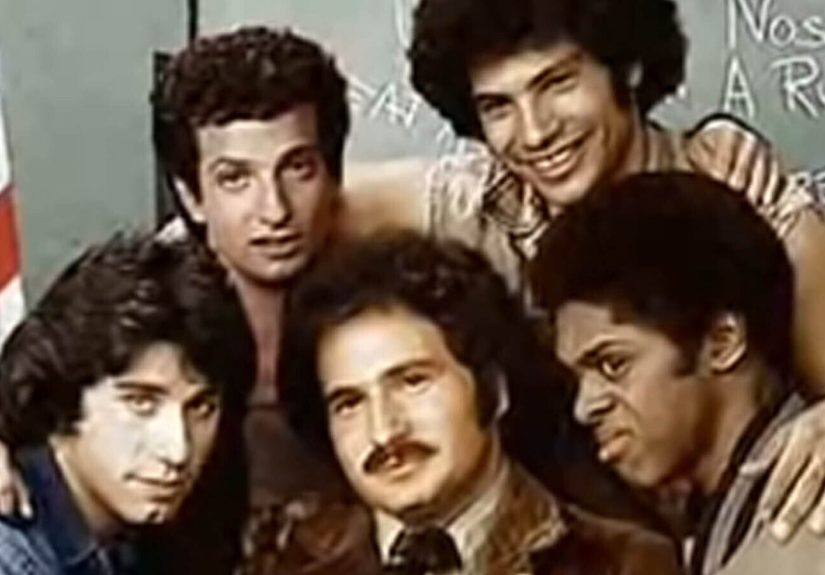
- 2) “Welcome Back” Welcome Back, Kotter
- 3) “Those Were the Days” All in the Family
- 4) “Happy Days” Happy Days
- 5) “Making Our Dreams Come True” Laverne & Shirley
- 6) “Makin’ It” Makin’ It
- 7) “Different Worlds” Angie
- 8) “WKRP in Cincinnati” WKRP in Cincinnati
- 9) “Where Everybody Knows Your Name” Cheers
- 10) “As Long As We Got Each Other” Growing Pains
- 11) “I’ll Be There for You” Friends
- 12) “Boss of Me” Malcolm in the Middle
- 13) “The Best of Both Worlds” Hannah Montana
- 14) “Leave It All to Me” iCarly
- Why Sitcom Themes Sometimes Become Chart Hits
- of Theme-Song “Experience”: The Soundtrack of Real Life
- Final Takeaway
Sitcom theme songs have one job: get you from “I should go to bed” to “one more episode” in under 30 seconds.
The best ones do it with a hook you can’t shake, a vibe you can’t mute, and a little emotional blackmail
(“remember your childhood? remember your couch? remember joy?”). Every so often, a theme song doesn’t just
live on TVit escapes the opening credits, slips into radio rotation, and lands on a Billboard chart like
it pays rent there.
Below are 14 sitcom theme songs that actually charted. Some were written specifically for their shows. Others
were expanded into full singles, helped along by syndication, nostalgia, or the unstoppable power of a catchy
chorus. Either way, they all share the rare achievement of becoming pop culture twice: once on screen, and
once on the charts.
What “Hit the Billboard Charts” Means (Without the Boring Part)
“Billboard charts” isn’t just one list. The Hot 100 is the big, famous scoreboardsongs can land
there through a mix of airplay, sales, and (later) streaming. But themes also show up on other Billboard charts
like Adult Contemporary (more mellow radio), Pop airplay, or Alternative
airplay. For older sitcoms, charting often came from a novelty single release, radio programmers embracing a
feel-good hook, or viewers turning a theme into “the song of the summer” by sheer repetition.
Quick note: chart history can reflect the full-length single release of a TV theme (not just the short TV edit).
In other words, the charts usually reward the version you could actually buy, request, or hear on the radio.
Quick-View Table: The 14 Charting Sitcom Themes
| Theme Song | Sitcom | Artist / Performer | Highest Billboard Chart Peak |
|---|---|---|---|
| The Ballad of Jed Clampett | The Beverly Hillbillies | Flatt & Scruggs | Hot 100: #44 |
| Welcome Back | Welcome Back, Kotter | John Sebastian | Hot 100: #1 |
| Those Were the Days | All in the Family | Carroll O’Connor & Jean Stapleton | Hot 100: #43 |
| Happy Days | Happy Days | Pratt & McClain | Hot 100: #5 |
| Making Our Dreams Come True | Laverne & Shirley | Cyndi Grecco | Hot 100: #25 |
| Makin’ It | Makin’ It | David Naughton | Hot 100: #5 |
| Different Worlds | Angie | Maureen McGovern | Adult Contemporary: #1 |
| WKRP in Cincinnati | WKRP in Cincinnati | Steve Carlisle | Hot 100: #65 |
| Where Everybody Knows Your Name | Cheers | Gary Portnoy | Hot 100: #83 |
| As Long As We Got Each Other | Growing Pains | Steve Dorff & Friends | Adult Contemporary: #7 |
| I’ll Be There for You | Friends | The Rembrandts | Hot 100: #17 |
| Boss of Me | Malcolm in the Middle | They Might Be Giants | Billboard airplay: Top 50 |
| The Best of Both Worlds | Hannah Montana | Hannah Montana (Miley Cyrus) | Hot 100: #92 |
| Leave It All to Me | iCarly | Miranda Cosgrove feat. Drake Bell | Hot 100: #100 |
The 14 Sitcom Theme Songs That Made Billboard History
1) “The Ballad of Jed Clampett” The Beverly Hillbillies
Talk about efficiency: this theme basically recaps the entire premise like it’s speed-running a plot synopsis.
Bluegrass legends Flatt & Scruggs performed the best-known version, and it didn’t stay trapped
in TV-landits full single release landed on the Billboard Hot 100, peaking at #44.
It’s proof that sometimes an opening theme is also a tiny musical pilot episode.
2) “Welcome Back” Welcome Back, Kotter
This is the gold standard of “theme song that became a real-deal pop hit.” Sung by John Sebastian,
“Welcome Back” climbed all the way to #1 on the Hot 100. The hook is warm, simple, and instantly
stickylike a friendly wave from a teacher you barely remember but somehow still trust. It didn’t just introduce
a sitcom; it introduced itself to the entire country.
3) “Those Were the Days” All in the Family
“Those Were the Days” feels like flipping through a photo album while someone makes a point about “how things
used to be.” Performed by Carroll O’Connor and Jean Stapleton (Archie and Edith themselves),
the theme crossed into chart territory, peaking at #43 on the Hot 100. It’s a rare case where
the sitcom’s emotional temperaturefunny, tense, and strangely tendercame packaged in one familiar singalong.
4) “Happy Days” Happy Days
In the 1970s, nostalgia wasn’t just a moodit was a business model. “Happy Days” by Pratt & McClain
rode that wave straight onto the Hot 100, peaking at #5. It’s bright, upbeat,
and radio-friendly enough to work even if you’ve never met the characters. It’s basically a sonic diner booth:
comfortable, familiar, and somehow always available.
5) “Making Our Dreams Come True” Laverne & Shirley
Few themes capture “optimism with elbow grease” like this one. Performed by Cyndi Grecco, the song
turned the show’s blue-collar energy into a pop moment, peaking at #25 on the Hot 100. It sounds
like the musical equivalent of rolling up your sleeves, high-fiving your best friend, and immediately getting into
slapstick trouble.
6) “Makin’ It” Makin’ It
Yes, the sitcom existsand yes, its theme song went big. David Naughton delivered a disco-era
earworm that peaked at #5 on the Hot 100. The track is pure late-’70s confidence: glossy, bouncy,
and determined to make you feel like you could strut into a room and instantly become the main character. TV helped
launch it, but radio kept it moving.
7) “Different Worlds” Angie
This is a theme song with genuine adult-pop polish. Sung by Maureen McGovern, “Different Worlds”
didn’t just chartit reached #1 on Billboard’s Adult Contemporary chart and also made noise on the
broader landscape (including the Hot 100). It’s a reminder that some sitcom themes weren’t “novelty”they were
straight-up radio ballads with a TV job on the side.
8) “WKRP in Cincinnati” WKRP in Cincinnati
A sitcom about radio deserved a theme that understood radio, and the full version delivered. Performed by
Steve Carlisle, the longer single release peaked at #65 on the Hot 100 and also
found a comfortable home on Adult Contemporary. It’s soft-rock storytelling with a winklike the
show itself, it knows the difference between sounding cool and being cool (and chooses both, when possible).
9) “Where Everybody Knows Your Name” Cheers
This theme is basically a warm hug with a bassline. Performed by Gary Portnoy, it charted on
Billboard, reaching the Hot 100 and also making waves on Adult Contemporary.
The fact that a song built around comfort and community could become a charting single says a lot about how hungry
audiences were (and always are) for a little musical reassurance.
10) “As Long As We Got Each Other” Growing Pains
Some sitcom themes feel like a pep talk. This one feels like a family promise. Credited to Steve Dorff & Friends
in its charting release, it peaked at #7 on Billboard’s Adult Contemporary chart. It’s sentimental
without being syrupyan end-credit kind of song that quietly convinces you everything will be okay, even if the plot
was chaos five minutes ago.
11) “I’ll Be There for You” Friends
The rare ’90s theme that became a full-on cultural utility tool: weddings, commercials, karaoke, you name it.
The Rembrandts took this theme to the Hot 100, where it peaked at #17.
The song’s success is partly the hook, partly the timing, and partly the show’s massive reachturning a 30-second
intro into a generational anthem.
12) “Boss of Me” Malcolm in the Middle
If a theme song could roll its eyes, this would be the one. They Might Be Giants wrote a theme that
matched the show’s restless energy and sarcastic charm. Beyond becoming instantly recognizable, it also broke onto
Billboard-tracked airplay lanes (notably in alternative/pop radio spaces), showing that even a slightly off-kilter
theme can find a mainstream momentespecially when it nails the show’s attitude.
13) “The Best of Both Worlds” Hannah Montana
Disney Channel sitcom era, but make it chart history. Credited to Hannah Montana (Miley Cyrus),
the theme reached the Billboard Hot 100, peaking at #92. It’s a perfect example of
how TV and pop music started feeding each other more directly: the show promoted the song, the song promoted the
show, and the audience did the rest.
14) “Leave It All to Me” iCarly
Another 2000s sitcom theme that wasn’t just a TV momentit became a chart entry. Performed by
Miranda Cosgrove with Drake Bell, it peaked at #100 on the Billboard Hot 100
and also showed up on the Pop 100. It’s upbeat, bright, and tailor-made for the era when a theme could spread
through downloads, TV fandom, and pure replay value.
Why Sitcom Themes Sometimes Become Chart Hits
Sitcom themes have a built-in advantage that most songs would kill for: repetition. A radio hit might
get played a few times a day. A sitcom theme can get played in living rooms every night, across reruns, syndication,
streaming binges, and “background TV” marathons. That repeated exposure trains your brain to recognize the song fast
and recognition is a major ingredient in chart performance.
Another secret weapon is identity. A theme song isn’t just a track; it’s a shortcut to a mood:
comfort, chaos, friendship, family, romance, or nostalgia. When a theme lands, it becomes a portable version of the
show’s world. Listeners don’t just like the songthey like what the song represents.
of Theme-Song “Experience”: The Soundtrack of Real Life
Even if you never bought a single or checked a chart, you’ve probably “used” a sitcom theme song in real life. You
might not call it that, but you know the moment: the first few notes hit and suddenly you’re somewhere else. Maybe
you’re back on a carpeted floor with a snack that came in a crinkly bag. Maybe you’re on a couch that has no business
being that comfortable. Maybe you’re in a dorm room, a first apartment, or at your parents’ house during a holiday,
half-watching reruns while everyone talks over the dialogue.
That’s the special power of TV themesespecially the ones that charted. A charting theme doesn’t just remind you of a
show; it reminds you of a time when the show was everywhere. “Welcome Back” isn’t only about a sitcom; it’s
about an era when a friendly chorus could dominate radio. “Happy Days” and “Making Our Dreams Come True” feel like
instant postcards from the 1970s, when optimism sounded like a singalong and the production had a little extra shine.
And then you get “I’ll Be There for You,” which is basically the national anthem of “we’re hanging out at someone’s
place and not leaving for hours.”
What’s funny is how these songs sneak into your routines. They become your “intro music” for things that have nothing
to do with TV. People hum them while cooking. They pop up in your head when you’re walking to school or work. They
become inside jokessomeone sings the first line or the first riff, and suddenly everyone in the room is smiling,
groaning, or both. They’re a shared language: you can tell who grew up with which shows based on which theme makes
them react like they just got tapped on the shoulder by a memory.
In the streaming era, themes have had to fight the “Skip Intro” button, which is honestly rude. But the themes that
charted prove something important: when a theme song is good enough, people don’t just tolerate itthey look forward
to it. They let it play. They sing along. They associate it with the comfort of knowing what kind of story they’re
about to get: laughs, warmth, and a little bit of chaos that always gets resolved before the credits roll.
And maybe that’s why charting matters. A Billboard placement is a receipt. It’s evidence that these themes weren’t
just background noisethey were part of the music culture. They lived on radios and in record stores, not only in
living rooms. They hit the charts because people didn’t just watch the shows. They took the songs with them.
Final Takeaway
Sitcom theme songs don’t usually aim for chart glorythey aim for instant recognition and emotional connection. But
when a theme nails the hook, matches the show’s personality, and gets enough exposure, it can break out like any
other hit single. These 14 tracks prove the point: the line between “TV music” and “real music” gets blurry fast when
millions of people start singing along.