Table of Contents >> Show >> Hide
- The Cancellation Heard Round the Writers’ Room
- The Money Story: Late Night’s Business Model Is Wobbling
- The Politics Story: Timing, Pressure, and the ‘Big Fat Bribe’ Line
- What Cracked Highlighted: The Writers Aren’t MourningThey’re Mobilizing
- How Late-Night Writers Can “Bring the Fight” Without a Network Time Slot
- Why This Moment Feels Different Than Past Late-Night Shake-Ups
- What Viewers Can Do If They Want Political Comedy to Stay Alive
- Experiences From the Moment: What This Kind of Cancellation Feels Like (A Composite View)
- Conclusion
In July 2025, the kind of entertainment news that normally lands with a polite shrug (“Networks make weird decisions, film at 11”) hit like a cymbal crash:
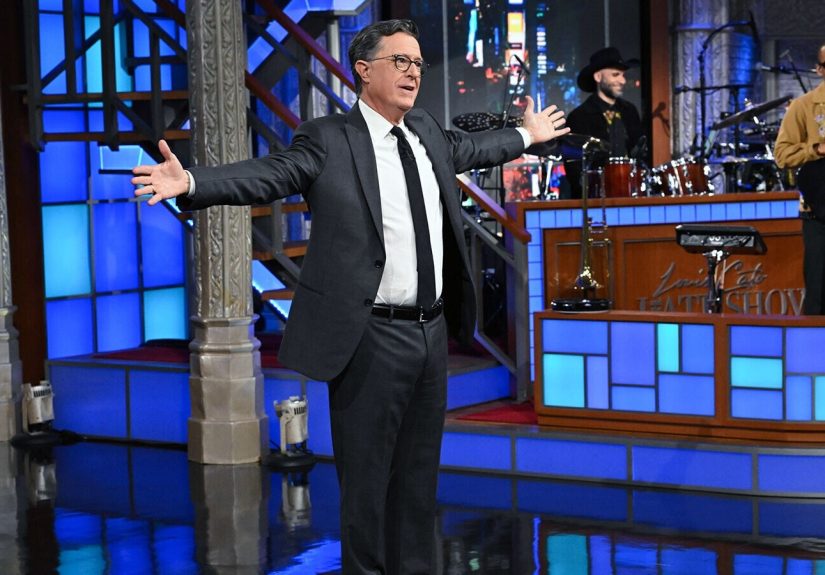
CBS announced that The Late Show with Stephen Colbert would end in May 2026 and the long-running “Late Show” franchise would be retired.
The official line was simplemoney, not politics. The reaction was anything but simple.
Cracked’s framing of the moment captured the mood inside comedy: this wasn’t just a show ending. It felt like a warning label slapped on a genre that’s built its modern identity on
punching up at presidents, corporations, and anyone else who thinks power comes with a “no heckling” policy.
And the people who write those jokes? They’re not exactly known for going quietlyespecially when they believe silence is the point.
The Cancellation Heard Round the Writers’ Room
CBS’s announcement landed with a very specific deadline: the show would run one more season and then conclude in May 2026.
Colbert told the studio audience he wasn’t being replacedthe whole thing was going away.
That detail matters, because “host exits, next host enters” is the usual late-night weather pattern. This was more like the network turning off the porch light and listing the house.
CBS described the decision as “purely” financialan attempt to frame the move as a spreadsheet problem in a tough late-night marketplace.
But when a number-one show (by multiple measures over the last several years) gets a sunset date, people naturally start looking for the hidden footnotes:
What changed? Why now? And why does the explanation feel like it’s trying to sprint away before anyone can ask a follow-up?
The Money Story: Late Night’s Business Model Is Wobbling
“It’s Financial” Can Be Trueand Still Not Explain Much
Late-night TV has been living through the same era as everything else: cord-cutting, fragmenting audiences, and digital platforms siphoning attention like a shop-vac in a glitter factory.
Traditional ad revenue has gotten harder. Viewer habits have changed.
Even when a show remains culturally loud, the economics can be quietly brutal.
That’s why the “purely financial decision” line is plausible on its face. But plausibility isn’t proof.
The controversy ignited partly because the cancellation didn’t look like an obvious “ratings death spiral” story.
It looked like a power-and-timing story disguised as a budget memo.
The $40 Million Question (and Why Writers Side-Eye It)
In the wake of the announcement, reporting and industry chatter circulated a figureroughly $40 million in annual lossesoften attached to the show.
Cracked, pulling from a Vanity Fair interview with late-night insiders, highlighted why writers and staff didn’t accept that number as a mic-drop.
If a network won’t fully stand behind the figure on the record, it becomes less of an explanation and more of a fog machine.
Here’s the broader point: “financial reasons” can mean anything from “the show is losing money” to “we want to juice margins before a merger” to
“we’re re-budgeting the entire time slot” to “someone up the chain wants fewer headaches.”
Without transparent numbers, the audience is asked to trust a black box that the audience didn’t build.
The Politics Story: Timing, Pressure, and the ‘Big Fat Bribe’ Line
The cancellation controversy didn’t ignite in a vacuum. It ignited in a calendar.
Days before the network announced the show’s end, Colbert criticized Paramount Global (CBS’s parent company) over a $16 million settlement tied to a lawsuit brought by President Donald Trump.
On air, Colbert framed the settlement in blunt comedic termscalling it a “big fat bribe.”
That phrase mattered because Paramount was also navigating deal-making and regulatory scrutiny around its business future, including the Paramount–Skydance transaction that required federal approval.
Even if CBS truly believed the decision was only financial, the optics were combustible:
a comedian attacks a settlement involving the sitting president; shortly after, his show gets a kill date.
In American politics, “coincidence” is never allowed to enjoy its lunch in peace.
What the Writers Guild Saidand Why It Added Fuel
The Writers Guild of America (including its East and West branches) didn’t tiptoe.
In its public statement, the union said it had “significant concerns” that the cancellation looked like capitulationframing it as a move that could sacrifice free speech to curry favor with the Trump administration.
Variety, The Hollywood Reporter, and other outlets covered the union’s call for scrutiny.
That’s a big deal for two reasons:
First, it signaled that the backlash wasn’t just fans being sad or comedians being dramaticit was labor, publicly arguing that political pressure might be shaping entertainment decisions.
Second, it linked late-night comedy to a wider question about corporate media: when business goals collide with political power, who gets protectedand who gets pared off?
What Cracked Highlighted: The Writers Aren’t MourningThey’re Mobilizing
Cracked’s take (built around the Vanity Fair reporting) focused less on nostalgia and more on what comes next:
late-night writers and insiders describing the moment as a line in the sand.
They argued the cancellation could open a “dangerous door”a world where networks treat outspoken shows as bargaining chips when big business or regulatory risk is on the table.
The Cracked piece also surfaced a practical point that got lost in the political shouting:
distribution choices matter.
One insider suggested that if companies truly wanted to maximize viewership, they could rethink how episodes reach audiences
for example, aligning streaming availability with broadcast the way some premium platforms do.
In other words: before you declare the genre financially doomed, try not to run it on a business model from 2009.
But the emotional center of the Cracked story wasn’t a platform strategy. It was defiance.
The quotes (and the sentiment) weren’t “we’re sad.” They were “we’re not surrendering.”
The same solidarity that powered the 2023 writers’ strike, insiders argued, could power a new kind of resistancecreative, organized, and loud.
How Late-Night Writers Can “Bring the Fight” Without a Network Time Slot
1) Treat the Monologue as a Format, Not a Building
Late-night comedy used to be a place you went: a studio, a desk, a band, a clock that turned into a celebrity guest.
Now it’s increasingly something you follow: clips, podcasts, newsletters, livestreams, stand-up sets, short-form videos, and specials.
If the network slot disappears, the voice doesn’t have to.
In fact, the smartest post-network political comedy often leans into what TV couldn’t do:
longer explanations, clearer sourcing, direct audience engagement, and formats that don’t require pleasing the same ad buyers every night.
The punchlines can travel without the desk.
2) Build a “Truth Sandwich” That Still Tastes Like Comedy
When comedy targets government, the easiest trap is becoming either (a) a lecture with rimshots or (b) a meme that forgets reality exists.
The durable approachespecially in an intense political erais to ground jokes in verifiable facts, then turn the absurdity up by showing what those facts imply.
Think: “Here’s what happened. Here’s why it’s strange. Here’s the punchline the timeline wrote for us.”
This matters because late-night writers are fighting on two fronts: political pressure and credibility pressure.
A joke that’s funny but wrong is a gift-wrapped talking point for anyone who wants to discredit the entire genre as “fake news with a laugh track.”
The most effective resistance comedy is the kind that can survive a receipts check.
3) Organize Like Labor, Not Like Lone Wolves
One of the most striking threads in the post-cancellation coverage is how often writers talk like organizers.
That’s not an accident.
When a show employs a large staffwriters, researchers, production teamsits cancellation is also a labor event.
And labor fights are won by coordination: shared messaging, public pressure, and making sure the human cost doesn’t become invisible.
The vow to “bring the fight” isn’t only about clowning the administration.
It’s also about protecting the conditions that allow satire to exist in the first placejobs, creative independence, and the ability to criticize powerful people without your employer quietly changing the locks.
Why This Moment Feels Different Than Past Late-Night Shake-Ups
Historically, late-night endings were framed as transitions: a host retires, a successor arrives, a new era begins.
Even when those transitions were messy, the institution stayed intact.
What’s unsettling here is the suggestionexplicit in CBS’s plan to retire the franchisethat the institution itself is optional.
Add the political context, and the stakes grow.
Multiple reports emphasized the proximity between Colbert’s criticism of the Trump-related settlement and the cancellation announcement.
Whether or not one directly caused the other, the sequence created a narrative vacuumand vacuums get filled with suspicion.
That’s why the story has legs beyond entertainment gossip.
It sits at the intersection of media consolidation, regulatory leverage, corporate risk management, and free expression.
In plain terms: it’s about what happens to loud voices when powerful systems decide “quiet is cheaper.”
What Viewers Can Do If They Want Political Comedy to Stay Alive
- Follow the writers, not just the shows. Writers migrate to new rooms, new platforms, and new projectssupport follows people.
- Reward the work publicly. Share clips, subscribe, buy tickets, recommend specialsaudience momentum is a form of leverage.
- Pay attention to the business moves. Mergers, settlements, and regulatory approvals aren’t “boring adult stuff”; they shape what gets made.
- Don’t let the job losses become background noise. Hundreds of livelihoods can sit behind one headline. Keep that human reality in view.
Experiences From the Moment: What This Kind of Cancellation Feels Like (A Composite View)
If you’ve never worked in late-night, it’s easy to imagine the writers’ room as a magical place where clever people toss punchlines like confetti and then go home to live on a steady diet of applause.
The real experiencedescribed by many comedy writers over the yearsis equal parts adrenaline and grind: a daily sprint that starts with the news and ends with a joke that has to be sharp, understandable, and safe enough to survive lawyers.
When a show gets a cancellation date, that sprint doesn’t stop. It gets heavier.
There’s the emotional whiplash first. One day, the routine is familiar: scan headlines, pitch jokes, rewrite jokes, rehearse jokes, tape, repeat.
Then the next day, the same work happens under a different skybecause now every segment is also a countdown.
Writers talk about suddenly hearing the clock in everything:
“Is this bit worth developing if it won’t air for months?” “Do we take the riskier angle because we have less to lose?” “Do we play it safe because people need references for their next jobs?”
Even a normal rewrite session can feel like you’re rearranging furniture during an earthquake.
The practical experience is strangely mundane. People still need to meet deadlines.
The teleprompter still needs words. The host still needs punchlines that fit the rhythm of his delivery.
But the conversations around the work change. The room starts swapping intel: which shows are staffing up, who’s launching a podcast network, what production companies are quietly hiring researchers,
which streaming projects might want experienced political comedy writers who can turn a messy policy story into something a viewer will actually finish watching.
Then comes the part that Cracked and other reporting emphasized: the feeling that this isn’t only a career problemit’s a power problem.
For some writers, the experience of a politically charged cancellation (or a cancellation that looks politically charged) turns creative frustration into civic frustration.
It’s the sensation of watching institutions respond to pressure in real time, and wondering who gets to apply that pressure next.
The fear isn’t just “I might lose my job.” It’s “Will the next show avoid certain topics because the cost of honesty got too high?”
And yetthis is the part the public doesn’t always expectthe experience can also sharpen purpose.
Writers describe a strange clarity that arrives when the stakes become obvious:
if the job is ending anyway, the work can get braver.
The jokes can get more pointed.
The storytelling can get more direct.
If a desk and a network time slot were the old tools, the new tools are portability and community:
group chats of writers sharing leads, union support, audiences willing to follow a voice across platforms, and a renewed commitment to making sure the political conversation isn’t defined only by people with official microphones.
In that sense, the “fight” isn’t a single monologue or one viral clip.
The lived experience is smaller and steadier: showing up, writing anyway, telling the truth with craft,
and refusing to let the last laugh be the one that power tells on itself.
Conclusion
Cracked’s headline nails what made the Late Show cancellation story explode: it wasn’t merely the end of a program.
It was a test of whether late-night political satire can keep its spine in an era where media companies face intense financial strain, regulatory complexity, and political pressure.
CBS said the move was financial. The Writers Guild raised alarms about free expression and leverage. Journalists highlighted the timing, the merger context, and the chilling effect the optics could create.
Whatever the ultimate “true” motivation behind the decision, one outcome is already visible: comedy writers are treating this as organizing fuel.
And if late-night has taught America anything over the last decade, it’s that jokes don’t just entertainthey document, provoke, and sometimes do the one thing power hates most:
make the audience laugh and think at the same time.