Table of Contents >> Show >> Hide
- How to Choose Bathroom Tile Without Losing Your Mind
- 1. Ceramic Tile
- 2. Porcelain Tile
- 3. Subway Tile
- 4. Mosaic Tile
- 5. Glass Tile
- 6. Cement Tile
- 7. Terracotta Tile
- 8. Quarry Tile
- 9. Limestone Tile
- 10. Travertine Tile
- 11. Slate Tile
- 12. Marble Tile
- 13. Granite Tile
- 14. Peel-and-Stick Vinyl Tile
- Which Bathroom Tile Type Is Best for Your Budget?
- Real-Life Bathroom Tile Experiences: What People Usually Love, Regret, and Learn
- Conclusion
If your bathroom mood board currently looks like a showdown between “spa retreat,” “Parisian hotel,” and “please let this not cost a kidney,” welcome. Bathroom tile has a way of making perfectly reasonable people stare at sample boards for 45 minutes and whisper things like, “But is this too glossy for my personality?” The good news is that there really is a bathroom tile for every budget, every style, and every tolerance level for grout maintenance.
The trick is choosing tile with both your wallet and your real life in mind. A gorgeous marble floor may make your bathroom feel like a luxury suite, but if you want something easier to clean, less slippery, and a little less dramatic in the budget spreadsheet, porcelain may be your soulmate. On the other end of the spectrum, peel-and-stick vinyl tile and basic ceramic can make a tired bathroom look fresh without launching a full financial event.
Below, you’ll find 14 types of bathroom tiles worth considering, from budget-friendly basics to splurge-worthy statement makers. Think of this as your tile translation guide: what it costs, where it works best, what it looks like, and whether it’s the easygoing friend of bathroom finishes or the diva that needs regular sealing and special treatment.
How to Choose Bathroom Tile Without Losing Your Mind
Before we get into the tile types, a few things matter more than color. First: water resistance. Bathrooms are splash zones, and not every tile loves that lifestyle equally. Porcelain, glazed ceramic, and glass are generally easier picks for wet walls and floors. Second: slip resistance. A tile that looks sleek in a showroom can become a tiny skating rink in real life, especially on bathroom floors. Third: maintenance. Some tiles need little more than soap and water, while others need sealing and more careful cleaners.
It also helps to separate your bathroom into zones. Shower floors need extra grip. Shower walls need water resistance. Main floors need durability. Accent walls can be more decorative and less heavy-duty. Once you stop expecting one tile to do every job, the whole process gets a lot easier.
1. Ceramic Tile
Best for: Budget-friendly walls, floors, backsplashes, and secondary bathrooms
Typical price: Budget to moderate
Ceramic tile is the reliable overachiever of bathroom design. It’s affordable, widely available, easy to clean, and comes in enough colors, shapes, and patterns to keep you scrolling until your coffee gets cold. Glazed ceramic is especially popular for bathroom walls because it handles moisture well and doesn’t demand a high-maintenance relationship.
For floors, ceramic can work beautifully, though it’s usually a bit less dense and durable than porcelain. That means it’s a smart option for guest baths, powder rooms, and bathrooms that don’t get stomped through like a train station. If you want the most style for the least drama, ceramic is a strong place to start.
2. Porcelain Tile
Best for: Bathroom floors, shower walls, and high-traffic family bathrooms
Typical price: Moderate
Porcelain tile is ceramic’s tougher cousin. It’s denser, less porous, and usually more durable, which is why it’s such a favorite for bathrooms. If your bathroom sees daily chaos, steamy showers, and the occasional puddle that no one admits creating, porcelain is ready.
Another reason people love porcelain tile is its ability to mimic more expensive materials. Want the look of marble without the sealing schedule? There’s a porcelain for that. Want wood-look flooring in a bathroom without risking actual wood? Also yes. Porcelain is the practical adult in the room, but it still knows how to dress well.
3. Subway Tile
Best for: Shower walls, tub surrounds, and timeless bathroom designs
Typical price: Budget to moderate
Subway tile is technically more of a shape and style than a material, but it deserves its own seat at the bathroom table. Usually made from ceramic or porcelain, subway tile remains popular because it works with almost every design mood: farmhouse, modern, vintage, coastal, minimalist, and “I just want this bathroom to look clean forever.”
The classic white 3-by-6 subway tile is often one of the most affordable options out there, but you can dress it up with contrasting grout, stacked layouts, vertical installations, or handmade-looking finishes. It’s proof that simple doesn’t have to mean boring.
4. Mosaic Tile
Best for: Shower floors, niches, borders, and accent areas
Typical price: Moderate
Mosaic tile is a bathroom favorite for a reason. Because the tiles are small, they conform better to shower floor slopes and create more grout lines, which can improve traction underfoot. Translation: they’re pretty, practical, and less likely to turn your shower into a slapstick routine.
Mosaics come in ceramic, porcelain, glass, stone, and mixed materials, so the style range is huge. Penny rounds, hexagons, basketweaves, and tiny squares all work beautifully. The only catch is that more grout lines mean more grout to clean, so choose this option because you love the look, not because you think it’s the low-maintenance one.
5. Glass Tile
Best for: Accent walls, shower walls, backsplashes, and decorative inserts
Typical price: Moderate to premium
Glass tile is the jewelry of the bathroom. It reflects light, brightens small spaces, and adds a crisp, polished finish that makes even a tiny bathroom feel more open. It’s especially effective in darker bathrooms that need a little sparkle without a full renovation melodrama.
That said, glass tile is usually better on walls than on heavily used floors. It can be more fragile, and in many cases it’s chosen for visual impact rather than brute-force durability. Use it where you want a pop of shine, not where muddy shoes and dropped shampoo bottles are planning mutiny.
6. Cement Tile
Best for: Statement floors and bold design moments
Typical price: Moderate to premium
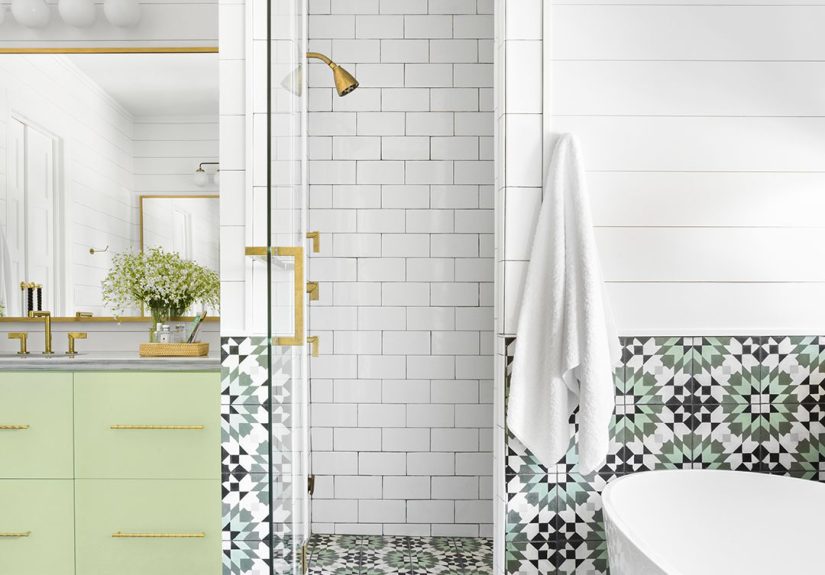
Cement tile is what you choose when plain beige no longer speaks to your soul. Known for its rich colors and graphic patterns, cement tile can instantly give a bathroom a custom, designer look. It’s especially great for powder rooms, where you can be a little more playful and dramatic.
But cement tile isn’t carefree. It generally needs sealing and more thoughtful maintenance than glazed tile. So yes, it’s beautiful. Yes, it photographs like a dream. And yes, it will ask a little more from you in return. Some relationships are worth it.
7. Terracotta Tile
Best for: Warm, rustic bathrooms and dry accent areas
Typical price: Budget to moderate
Terracotta tile brings warmth that many cooler tile materials simply can’t fake. Its earthy reds, oranges, and clay tones instantly make a bathroom feel inviting and collected. In the right design, terracotta can make a bathroom look less like a utility space and more like a sun-drenched retreat.
However, classic terracotta is more porous, so it’s not ideal for every wet zone unless it’s properly glazed or sealed. This is a better choice for people who love character and don’t mind a little upkeep, not for those who want a zero-thought surface.
8. Quarry Tile
Best for: Durable floors with a more utilitarian or classic look
Typical price: Budget to moderate
Quarry tile is unglazed, durable, and often naturally slip-resistant thanks to its texture. It doesn’t always get the glamour treatment in bathroom inspiration galleries, but it deserves more respect. If you want a hardworking floor tile that can take daily wear and not complain about it, quarry tile has strong practical appeal.
Its look is usually more understated than polished marble or glossy porcelain, but that can be a plus in bathrooms where function comes first. Think mudroom energy, but make it bathroom-appropriate.
9. Limestone Tile
Best for: Soft, natural, neutral bathrooms
Typical price: Budget to moderate
Limestone tile offers a gentle, organic look that works beautifully in serene bathrooms. If you want something natural without the dramatic veining of marble, limestone gives you a more subtle, grounded appearance. Beige, cream, taupe, and sandy tones are where it shines.
Because it’s a natural stone, limestone usually needs sealing and some caution with acidic cleaners. It’s lovely for people who want quiet luxury, not flashy luxury. A cashmere sweater, not a sequined jacket.
10. Travertine Tile
Best for: Spa-style bathrooms and classic designs
Typical price: Budget to moderate
Travertine has long been a favorite in bathrooms because it brings natural movement and texture without screaming for attention. It’s often sold in larger formats and warm, earthy tones, which can make a bathroom feel calm and upscale.
Like other natural stones, it benefits from sealing and gentle care. If you love old-world style, neutral palettes, and surfaces that feel naturally elegant rather than highly polished, travertine can be an excellent fit.
11. Slate Tile
Best for: Bathroom floors and textured, slip-resistant surfaces
Typical price: Moderate
Slate tile is the rugged charmer of bathroom flooring. It has texture, depth, and a naturally slip-resistant quality that makes it especially appealing for floors. If polished surfaces make you nervous in wet spaces, slate may calm your nerves and your design mood board at the same time.
Its color range often includes gray, charcoal, rust, green, and deep blue tones, so it works well in both rustic and modern bathrooms. Like many stones, it usually needs sealing. But if you want grip, character, and a little visual drama, slate delivers.
12. Marble Tile
Best for: Luxury bathrooms, statement showers, and timeless elegance
Typical price: Premium
Marble tile is the classic splurge. It’s beautiful, bright, and loaded with natural veining that makes every installation feel one of a kind. Whether you use it in a shower, on a floor, or as a feature wall, marble gives a bathroom that “someone definitely used the word bespoke in this project” energy.
Still, marble is not a low-effort finish. It can etch, stain, and require regular sealing, so it’s best for homeowners who are fully aware that luxury sometimes comes with chores. Gorgeous? Absolutely. Chill? Not especially.
13. Granite Tile
Best for: High-traffic floors and long-term durability
Typical price: Premium
Granite tile is one of the toughest natural stone options you can bring into a bathroom. It’s harder than many other stones, which makes it useful for floors and surfaces that need to handle serious wear. If you want a real stone look with extra muscle, granite deserves a look.
Style-wise, it tends to read more substantial and grounded than airy marble. It may not be everyone’s first pick for a delicate spa look, but for durability and natural variation, it’s a heavyweight in the best possible way.
14. Peel-and-Stick Vinyl Tile
Best for: Tight budgets, renter-friendly refreshes, and fast cosmetic updates
Typical price: Budget
If your bathroom needs a glow-up but your budget is giving “absolutely not,” peel-and-stick vinyl tile can help. It’s inexpensive, relatively easy to install, and available in designs that mimic stone, marble, ceramic, and patterned tile surprisingly well from a polite distance.
It’s best used on bathroom floors or low-splash areas, not inside the shower. This is not heirloom material, but it can be a lifesaver for dated bathrooms that need a quick refresh without demolition, contractors, or emotional damage from renovation quotes.
Which Bathroom Tile Type Is Best for Your Budget?
If you want the most affordable route, start with ceramic tile, classic subway tile, or peel-and-stick vinyl tile. If you have a midrange budget, porcelain, mosaic, slate, travertine, and quarry tile give you a nice mix of style and function. If you’re ready to splurge, marble, granite, glass accents, and patterned cement tile can create a bathroom that feels custom and elevated.
For many homeowners, the smartest move is mixing materials. Use porcelain on the main floor, mosaics on the shower floor, and a more expensive tile only as an accent. That approach gives you the luxury look without asking your budget to file a formal complaint.
Real-Life Bathroom Tile Experiences: What People Usually Love, Regret, and Learn
One of the most common experiences people have with bathroom tile is discovering that the tile they loved most in the showroom behaves very differently in actual daily life. Large glossy tiles can look sleek and expensive, but once steam, water spots, and wet footprints enter the chat, some homeowners start wishing they had gone with a matte finish. Matte tiles tend to hide smudges better and often feel safer underfoot, especially in busy family bathrooms.
Another big lesson comes from grout. People often focus on the tile itself and forget that grout is basically the supporting actor with an alarming amount of screen time. Tiny mosaic floors are beautiful and practical in showers because they provide more grip, but they also come with more grout lines to scrub. Homeowners who love a detailed mosaic usually still love it years later, but many admit they underestimated how much upkeep those little lines would need.
Porcelain tile tends to earn the most long-term praise. People like that it can mimic marble, wood, concrete, or limestone while being easier to live with. It’s one of those materials that may not feel terribly romantic during the shopping phase, but it often wins the marriage. Ceramic gets similar compliments in lower-traffic bathrooms, especially when budget matters more than maximum durability.
Natural stone creates a different kind of experience. Homeowners often say marble, travertine, and limestone make the bathroom feel calmer, richer, and more custom. They also say those same materials quietly introduce new responsibilities. Sealing schedules, specialty cleaners, and extra caution with hair products or acidic spills are not imaginary. People who love natural stone usually feel the maintenance is worth it. People who want easy care often wish they had chosen a convincing porcelain lookalike instead.
There’s also the classic regret of choosing tile based only on trend photos. A dramatic cement pattern or a high-contrast black-and-white floor can look amazing online, but in a small bathroom, it may feel busier than expected. On the flip side, many people who choose simple white or gray tile later realize the room feels a little too safe. That’s why accent tile is such a smart compromise. It lets you flirt with personality without committing the entire bathroom to a bold decision made during a late-night Pinterest spiral.
And then there’s peel-and-stick vinyl tile, the hero of the “I need this bathroom to look less depressing by next weekend” crowd. People love how fast it transforms a floor and how gentle it is on the budget. The main lesson here is expectations. It works best as a smart cosmetic upgrade, not as a forever finish in a soaking-wet environment. When people treat it like a stylish shortcut rather than a luxury installation, they’re usually thrilled with the result.
In the end, the best bathroom tile experience usually comes from matching the material to your habits, not just your taste. If you hate maintenance, don’t marry a diva tile. If you want texture and warmth, don’t force yourself into a super-polished look just because it’s trendy. The best bathrooms are the ones that still feel good after the reveal photos are over and regular life returns with wet towels, toothpaste drips, and all.
Conclusion
The best bathroom tile isn’t the most expensive one or the trendiest one. It’s the one that fits your budget, your maintenance tolerance, and the way your bathroom actually gets used. Ceramic and vinyl keep things affordable. Porcelain offers the best all-around balance of performance and style. Natural stone brings beauty and character if you’re ready for the care it requires. And accent tiles, mosaics, and patterned options give you room to have a little fun without blowing the whole budget.
So yes, choosing bathroom tile involves style, performance, cost, safety, and approximately 14 moments of second-guessing. But once you know what each type does best, the process gets much simpler. Your future bathroom floor, walls, and shower will thank you. Your grout brush may still have opinions, but that’s another story.