Table of Contents >> Show >> Hide
- First, a reality check: symptoms alone cannot diagnose HIV
- 15 possible HIV symptoms in men
- 1. Fever
- 2. Chills
- 3. Rash
- 4. Sore throat
- 5. Fatigue
- 6. Swollen lymph nodes
- 7. Muscle aches and joint pain
- 8. Headache
- 9. Night sweats
- 10. Mouth ulcers or painful mouth sores
- 11. Oral thrush
- 12. Diarrhea
- 13. Unexplained weight loss
- 14. Genital, anal, or mouth sores
- 15. Frequent infections, cough, pneumonia, or neurologic changes
- Are HIV symptoms in men different from symptoms in women?
- When do symptoms start?
- When should a man get tested for HIV?
- How soon can HIV testing detect infection?
- What to do if you think you have HIV symptoms
- What men often experience around these symptoms: the human side of the story
- Conclusion
- SEO Tags
This draft synthesizes current U.S. medical guidance and patient education from the CDC, HIV.gov, NIH HIVinfo, MedlinePlus, Mayo Clinic, Johns Hopkins Medicine, UCSF Health, NIDCR, Cleveland Clinic, Harvard Health, and
hivinfo.nih.gov
+3
CDC
+3
Mayo Clinic
+3
ten appear 2 to 4 weeks after infection, many people have no symptoms at all, symptoms are not specific enough to diagnose HIV, and testing windows vary by test type.
Harvard Health
+12
CDC
+12
Mayo Clinic
+12
article>
If HIV had the decency to announce itself with a giant flashing sign, life would be a lot easier. Instead, it often shows up looking like the flu, a random rash, a sore throat, or nothing at all. That’s what makes this topic tricky, especially for men who may brush off early symptoms as stress, overtraining, a bad week, or “probably something I ate.”
Here’s the most important truth up front: most HIV symptoms in men are not unique to men. Early HIV symptoms are usually similar across sexes. What changes is often what a man notices first, how long he ignores it, and whether he connects those symptoms to a recent exposure. In other words, HIV is sneaky, not creative.
This guide breaks down 15 possible HIV symptoms men may notice, explains what those symptoms can mean, and shows when it’s time to stop guessing and get tested. Because while symptoms can raise suspicion, only an HIV test can give you a real answer.
First, a reality check: symptoms alone cannot diagnose HIV
Many people develop flu-like symptoms during the acute stage of HIV, often within a few weeks after infection. Others have no early symptoms at all. After that, HIV can enter a chronic stage where a person may feel completely fine for years while the virus continues damaging the immune system in the background. That’s why relying on “how you feel” is a terrible diagnostic strategy. Your body is smart, but it is not a lab.
For men, the practical takeaway is simple: if you had a possible exposure and now feel off, testing matters more than symptom detective work. And if you feel perfectly normal, testing still matters.
15 possible HIV symptoms in men
1. Fever
Fever is one of the most common early HIV symptoms. During acute HIV infection, the body mounts an immune response that can trigger a temperature spike. This fever may be mild or more noticeable, and it can arrive with a general “I’m definitely not myself” feeling. Men often mistake it for a seasonal virus, which is understandable. The problem is that HIV can impersonate a common infection very well.
2. Chills
Chills often tag along with fever in early HIV. If you feel alternately hot, cold, sweaty, and miserable without a clear reason, that can fit the acute HIV picture. On its own, chills mean very little. Alongside recent exposure and other symptoms, it becomes more relevant.
3. Rash
An HIV-related rash in early infection is often described as a widespread, red or pink rash that may appear on the trunk, face, neck, or sometimes the palms and soles. It is not always dramatic or itchy. Some men barely notice it until someone else says, “Uh, what’s going on with your skin?” Because rashes have a thousand causes, this sign is easy to dismiss, but in combination with fever and swollen lymph nodes, it deserves attention.
4. Sore throat
A sore throat is another classic early symptom. It can feel like a standard viral illness, which is exactly why acute HIV is so often overlooked. If the sore throat appears with fever, swollen glands, fatigue, or rash after a possible exposure, don’t just assume it is a random bug making the rounds at work.
5. Fatigue
Not regular “I stayed up too late” tired. More like “why do my socks feel heavy?” tired. HIV-related fatigue can be intense during the acute stage and later become persistent if the infection goes untreated. Men may explain it away with work stress, lack of sleep, or gym burnout, but unexplained exhaustion that hits hard and lingers should not be ignored.
6. Swollen lymph nodes
Lymph nodes in the neck, armpits, or groin may become enlarged as the immune system reacts to infection. Swollen glands are common in early HIV and can also persist. A lot of men notice this while shaving, showering, or checking a sore area and think, “That’s weird,” then promptly do nothing. Weird is exactly when your attention should kick in.
7. Muscle aches and joint pain
Body aches are a frequent part of acute HIV infection. Muscles may feel sore, joints may ache, and you may feel like you are coming down with the flu. If you recently had a possible HIV exposure, that “flu” deserves a second look, especially if it comes with fever, rash, or mouth sores.
8. Headache
Headache can appear during early HIV infection as part of the body’s inflammatory response. Some headaches are mild, others more disruptive. Headache by itself is common and nonspecific, but when combined with several of the other symptoms on this list, it adds to the overall pattern.
9. Night sweats
Waking up damp, clammy, or suddenly needing to change your shirt is not always a sign of HIV, but night sweats are a well-known symptom in both early and advanced disease. They can happen during acute infection and may also appear later in untreated HIV, especially when the immune system becomes more compromised.
10. Mouth ulcers or painful mouth sores
Oral sores can appear early and are among the more telling warning signs. These may look like ulcers, tender spots, or painful lesions that make eating irritating. If your mouth feels like it picked a fight with hot sauce for no reason, and other symptoms are happening too, that is worth medical attention.
11. Oral thrush
Thrush is a yeast infection in the mouth that can cause white patches, soreness, a cottony feeling, and discomfort when swallowing. It can occur in people with HIV because the immune system is under strain. While thrush is not exclusive to HIV, seeing it in combination with other symptoms can be a meaningful clue, especially if the infection is recurrent or persistent.
12. Diarrhea
Diarrhea can happen during early infection and may become more persistent in advanced or untreated HIV. If gastrointestinal symptoms linger, return repeatedly, or come with weight loss, fatigue, and fever, it is time to stop blaming takeout and start thinking more broadly.
13. Unexplained weight loss
Unplanned weight loss can happen in later HIV or AIDS, especially when appetite drops, diarrhea continues, or opportunistic infections develop. Some men initially welcome the weight change until they realize it comes with weakness, fever, or frequent illness. Weight loss without trying is not a life hack. It is a medical clue.
14. Genital, anal, or mouth sores
This is one symptom men may notice in a way that feels more specifically relevant. Some men with acute HIV have genital or oral ulcers, and men with untreated HIV may also deal with sores related to coexisting sexually transmitted infections or opportunistic infections. The key point is not that HIV always causes these sores directly, but that sores in these areas, especially with other symptoms or recent exposure, should prompt testing for HIV and other STIs.
15. Frequent infections, cough, pneumonia, or neurologic changes
In advanced HIV, the immune system becomes weaker, which raises the risk of opportunistic infections. That may show up as a prolonged cough, pneumonia, recurrent infections, shingles, severe oral problems, or even memory and concentration issues. These are not typical early signs, but they matter because many people still get diagnosed late. HIV is far easier to manage when caught before the immune system takes a serious hit.
Are HIV symptoms in men different from symptoms in women?
Usually, early symptoms are broadly similar. Fever, fatigue, rash, sore throat, swollen lymph nodes, muscle aches, and mouth sores can happen in any sex. The difference is often practical rather than biological: men may be more likely to notice genital sores, anal sores, or recurrent infections in those areas, and some may delay care because the symptoms seem embarrassing, temporary, or unrelated.
So if you came here expecting a list of 15 mysterious symptoms found only in men, here is the honest answer: that is not how HIV usually works. The virus is less “male version” and more “immune system warning signs with bad branding.”
When do symptoms start?
Early HIV symptoms often appear about 2 to 4 weeks after infection, though some people never notice anything obvious. Those symptoms can last a few days or several weeks. After that, HIV may enter a quieter phase with few or no symptoms at all. That silent stretch is one reason so many people assume they are fine when the virus is still active.
When should a man get tested for HIV?
You should consider HIV testing if:
- you had vaginal or anal sex without a condom or with an unknown HIV status partner,
- you shared needles or injection equipment,
- you have a recent STI diagnosis,
- you develop flu-like symptoms after a possible exposure,
- you have recurrent mouth sores, thrush, unexplained weight loss, or swollen lymph nodes,
- or you simply have not been tested before.
Routine testing matters too. In the United States, general HIV screening is recommended at least once for most people, with more frequent testing for those with ongoing risk. That means HIV testing is not just for emergencies or worst-case scenarios. It is standard preventive care, like checking your blood pressure, only with fewer inflatable arm cuffs.
How soon can HIV testing detect infection?
This is where timing matters. HIV tests do not turn positive immediately after exposure because of the window period. Different tests detect infection on different timelines:
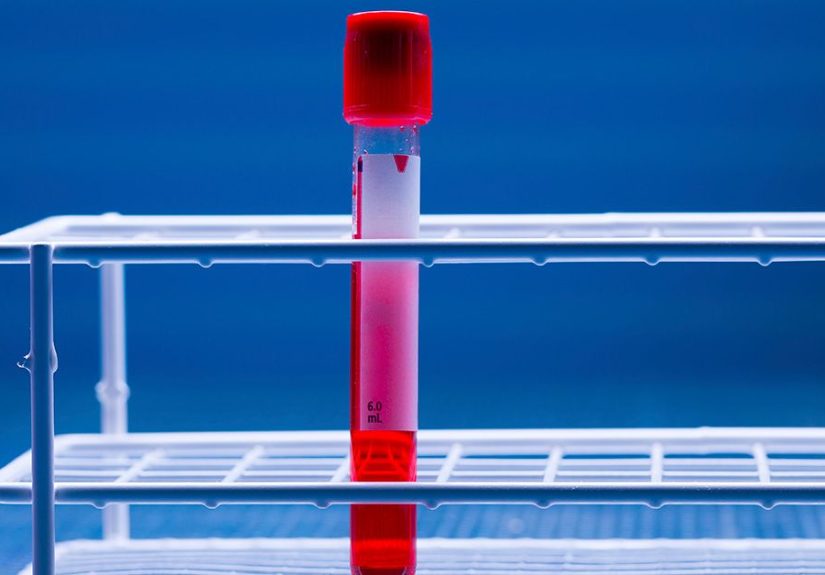
- NAT: can often detect HIV about 10 to 33 days after exposure.
- Lab antigen/antibody test: usually detects HIV around 18 to 45 days after exposure.
- Rapid finger-prick antigen/antibody test: may take about 18 to 90 days.
- Antibody-only tests: usually detect infection about 23 to 90 days after exposure.
If you test too early, a negative result may not tell the whole story. That is why follow-up testing is sometimes necessary. If the exposure was very recent, especially within the last 72 hours, emergency care may also be needed for post-exposure prophylaxis, or PEP.
What to do if you think you have HIV symptoms
- Do not panic. These symptoms overlap with many other conditions.
- Do not self-diagnose. Google is a search engine, not a lab test.
- Get tested promptly. Choose the right test for the timing of your exposure.
- Ask about STI testing too. HIV symptoms can overlap with other sexually transmitted infections, and co-infections are common.
- Seek urgent care if exposure was recent. PEP works best when started within 72 hours.
- If positive, start treatment quickly. Modern antiretroviral therapy can help people with HIV live long, healthy lives and prevent progression.
What men often experience around these symptoms: the human side of the story
Beyond the medical list, there is a real-world pattern many men describe when HIV symptoms show up. First comes uncertainty. A guy gets a fever, swollen glands, maybe a rash, and thinks it is the flu, COVID, stress, lack of sleep, or the universe being rude. If he recently had a sexual encounter he feels unsure about, another feeling often shows up right behind the physical symptoms: dread.
Then comes the bargaining phase. “I’m probably overthinking this.” “The rash is already fading.” “I’ll wait a few days.” “I feel mostly okay now.” This is incredibly common. Men are often socialized to tough things out, minimize symptoms, and avoid care unless something is visibly on fire. HIV does not always reward that strategy.
Another common experience is confusion caused by symptom overlap. Acute HIV can feel almost boringly ordinary. A sore throat, body aches, fatigue, maybe diarrhea. That does not scream HIV to most people. It whispers it. And whispers are easy to ignore. Some men only connect the dots later, especially if symptoms pass and they assume the problem solved itself.
There is also the emotional side of testing. Many men report that waiting for results feels harder than the blood draw itself. Shame, fear, stigma, and “what if” thinking can hit like a freight train. Some worry about relationships. Others worry about being judged. Some avoid testing because they think not knowing will feel safer. In reality, uncertainty is usually the heavier burden.
For men who do test positive, the experience can shift quickly from panic to relief once they get accurate information and medical care. Modern HIV treatment is not what many people still imagine from outdated public messages or old movie scenes. A diagnosis is serious, but it is also manageable. Many men describe the most difficult part not as treatment itself, but as the period before diagnosis when everything felt vague, scary, and undefined.
And for men who test negative, the experience still matters. It can be the wake-up call that leads to safer sex practices, regular screening, PrEP discussions, or better attention to overall sexual health. Either way, the best outcome usually starts with the same choice: getting tested instead of guessing.
Conclusion
The phrase “15 symptoms of HIV in men” sounds neat and searchable, but real life is messier. HIV symptoms can be subtle, can mimic everyday illness, and may not appear at all. The biggest red flags in men include fever, rash, sore throat, fatigue, swollen lymph nodes, mouth sores, thrush, diarrhea, night sweats, weight loss, genital or anal sores, and frequent infections. Still, no symptom list can confirm HIV. Only testing can.
If there is one message worth remembering, it is this: early action changes everything. The sooner HIV is diagnosed, the sooner treatment can begin, and the better the outlook tends to be. So if your body is sending mixed signals, do not wait for a dramatic plot twist. Get tested, get clear answers, and move forward with facts.
SEO Tags
“` :