Table of Contents >> Show >> Hide
- What Is Hanukkah?
- 18 Fun Hanukkah Facts
- 1. Hanukkah Means “Dedication”
- 2. The Holiday Lasts Eight Nights
- 3. Hanukkah Is Called the Festival of Lights
- 4. The Hanukkah Menorah Has Nine Branches
- 5. Candles Are Added One Night at a Time
- 6. The Story Begins in the Second Century BCE
- 7. Judah Maccabee Was a Real Historical Figure
- 8. The Oil Miracle Became a Central Tradition
- 9. Latkes Are More Than Potato Pancakes
- 10. Sufganiyot Are Hanukkah Doughnuts
- 11. The Dreidel Has a Hidden Message
- 12. Gelt Means Money
- 13. Hanukkah Is Not “Jewish Christmas”
- 14. Hanukkah Is a Smaller Holiday With Big Cultural Presence
- 15. Public Menorah Lightings Are a Modern Tradition
- 16. Songs Add Warmth to the Holiday
- 17. Hanukkah Celebrations Look Different Around the World
- 18. The Number 18 Has a Special Jewish Connection
- How to Celebrate Hanukkah Meaningfully
- Hanukkah Celebration Ideas for Families, Friends, and Communities
- Experience Section: What Hanukkah Feels Like in Real Life
- Conclusion
Hanukkah is the holiday that proves a small flame can carry a very big story. Known as the Festival of Lights, this eight-day Jewish celebration blends history, faith, food, family traditions, and just enough sizzling oil to make every kitchen smell like a delicious miracle. Whether you grew up lighting a menorah every winter or you are simply curious about why dreidels spin and latkes disappear at suspicious speed, Hanukkah offers a warm, meaningful window into Jewish resilience and joy.
The story reaches back more than 2,000 years, to a time when Jewish people fought to preserve their religious identity and rededicated the Temple in Jerusalem. Today, Hanukkah is celebrated with nightly candle lighting, blessings, songs, fried foods, games, gatherings, and acts of generosity. It is not just a holiday about what happened long ago. It is also about what people choose to keep alive now: hope, memory, courage, and light in the darkest part of the year.
Below are 18 fun Hanukkah facts that explain the history, symbols, foods, and customs of the holiday, followed by practical ideas for celebrating with meaning, warmth, and maybe a plate of latkes that does not survive long enough for leftovers.
What Is Hanukkah?
Hanukkah, sometimes spelled Chanukah, is an eight-day Jewish holiday that begins on the 25th day of Kislev, a month in the Hebrew calendar. Because the Hebrew calendar does not line up exactly with the Gregorian calendar used in daily life, Hanukkah usually falls in late November or December, and its dates change from year to year.
The Hebrew word “Hanukkah” means “dedication,” which points directly to the holiday’s central story: the rededication of the Second Temple in Jerusalem after it was reclaimed by Jewish rebels known as the Maccabees in the second century BCE. Over time, the holiday became closely associated with the miracle of oil and the symbolic power of light.
18 Fun Hanukkah Facts
1. Hanukkah Means “Dedication”
The name Hanukkah comes from the Hebrew word for dedication. That is not a random title slapped onto the holiday like a last-minute gift tag. It refers to the rededication of the Temple in Jerusalem after the Maccabees regained control of it. The word captures the heart of the holiday: restoring something sacred, renewing identity, and making a public commitment to faith and community.
2. The Holiday Lasts Eight Nights
Hanukkah lasts eight nights and eight days. The number eight is connected to the tradition that a small amount of pure oil, enough for only one day, burned for eight days in the Temple menorah. That gave the Jewish people time to prepare more oil. Whether you focus on the military victory, the spiritual renewal, or the miracle of the oil, the eight-night structure gives the celebration its rhythm.
3. Hanukkah Is Called the Festival of Lights
Light is the superstar of Hanukkah. Each night, families add another candle to the Hanukkah menorah, creating a growing display of brightness. By the final night, all eight candles shine together. The symbolism is hard to miss: light can grow, hope can expand, and even a small flame can push back a surprising amount of darkness.
4. The Hanukkah Menorah Has Nine Branches
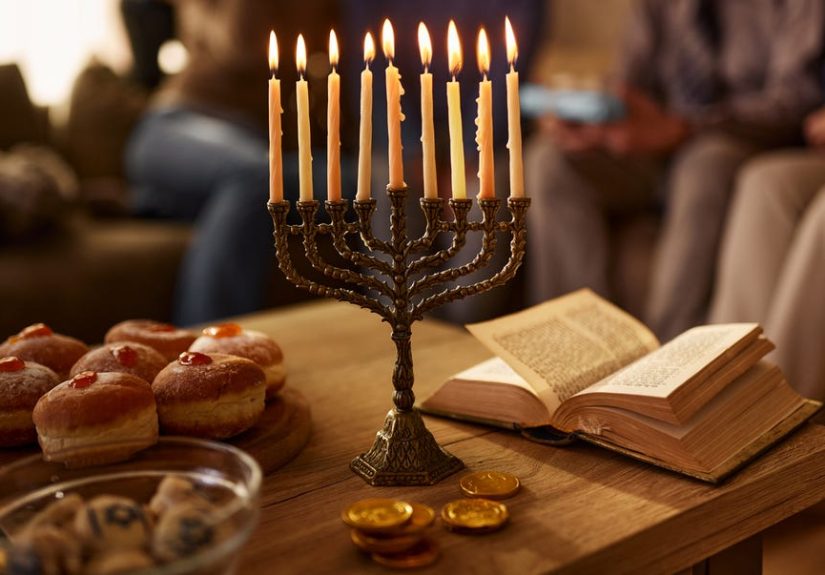
A regular Temple menorah has seven branches, but a Hanukkah menorah, also called a hanukkiyah, has nine. Eight branches represent the eight nights of the holiday. The ninth holds the shamash, or helper candle, which is used to light the others. Think of the shamash as the candle with a job description. It does not just stand there looking festive; it helps every other light do its thing.
5. Candles Are Added One Night at a Time
On the first night of Hanukkah, one candle is lit. On the second night, two candles are lit, and so on until the eighth night, when all eight are glowing. Many families place the candles from right to left and light them from left to right, beginning with the newest candle. This growing pattern turns the menorah into a visual countdown, except instead of counting down to zero, it counts up to full radiance.
6. The Story Begins in the Second Century BCE
The historical background of Hanukkah takes place in the second century BCE, during the rule of the Seleucid Empire. Jewish religious practice came under severe pressure, and the Temple in Jerusalem was desecrated. A Jewish rebel group led by Judah Maccabee fought back, eventually reclaiming the Temple. The holiday remembers that victory, but it also remembers the deeper struggle for religious freedom and cultural survival.
7. Judah Maccabee Was a Real Historical Figure
Judah Maccabee, whose name is often translated as “Judah the Hammer,” became the central hero of the Hanukkah story. He and his followers were not exactly favored by the odds. The Maccabees were a small force facing a powerful empire, which is one reason the holiday has long been connected with the theme of the few overcoming the many. It is history with underdog energy.
8. The Oil Miracle Became a Central Tradition
According to later Jewish tradition, when the Temple was rededicated, only one small container of pure oil could be found for the menorah. Instead of lasting one day, it lasted eight. This miracle of oil helped shape the way Hanukkah is celebrated today, especially the nightly candle lighting and the delicious habit of eating foods fried in oil.
9. Latkes Are More Than Potato Pancakes
Latkes are crispy potato pancakes often served with applesauce, sour cream, or strong family opinions about which topping is correct. They are especially popular among Ashkenazi Jewish communities. Because they are fried in oil, latkes connect directly to the Hanukkah story. They also connect directly to the universal human experience of standing near the stove and pretending you are not “testing” every batch.
10. Sufganiyot Are Hanukkah Doughnuts
Sufganiyot are jelly-filled doughnuts traditionally eaten during Hanukkah, especially in Israel. Like latkes, they are fried in oil, making them another edible reminder of the holiday’s miracle. Modern versions may be filled with jam, custard, chocolate, caramel, or other sweet surprises. A good sufganiyah is basically a holiday lesson wrapped in powdered sugar.
11. The Dreidel Has a Hidden Message
A dreidel is a four-sided spinning top used in a traditional Hanukkah game. Outside Israel, its Hebrew letters usually stand for the phrase “A great miracle happened there.” In Israel, one letter is often changed so the phrase means “A great miracle happened here.” The game is simple enough for children and competitive enough for adults who claim they are “just playing for fun” while guarding their chocolate coins like treasure.
12. Gelt Means Money
Hanukkah gelt traditionally refers to money given during the holiday. Today, many people think of chocolate coins wrapped in shiny gold or silver foil. Gelt is often used in dreidel games, given to children, or included in festive gift bags. Historically, the custom also connects to ideas of generosity, education, and celebrating Jewish independence.
13. Hanukkah Is Not “Jewish Christmas”
Because Hanukkah often falls near Christmas, many people mistakenly think of it as the Jewish version of Christmas. It is not. Hanukkah has its own history, theology, symbols, foods, and customs. Gift-giving has become common in many modern households, especially in the United States, but it is not the original center of the holiday. The central ritual remains lighting the menorah.
14. Hanukkah Is a Smaller Holiday With Big Cultural Presence
In the Jewish calendar, Hanukkah is not as religiously major as holidays such as Passover, Rosh Hashanah, Yom Kippur, or Sukkot. Still, it has become one of the most recognizable Jewish holidays, especially in countries where it coincides with a broader winter holiday season. Its themes of light, freedom, family, and identity have helped it become widely loved and publicly visible.
15. Public Menorah Lightings Are a Modern Tradition
Many communities now hold public menorah lightings in parks, town squares, synagogues, campuses, and civic spaces. These gatherings make the holiday visible and welcoming. They also reflect a major idea behind Hanukkah: publicizing the miracle. The menorah is often placed where its lights can be seen, such as near a window, reminding people that the story is not meant to be hidden away.
16. Songs Add Warmth to the Holiday
Hanukkah songs range from traditional Hebrew songs to playful children’s tunes. Many families sing after lighting the candles, and schools, synagogues, and community groups often use music to teach the story. Songs help children remember the symbols of the holiday, but they also do something more powerful: they turn memory into sound.
17. Hanukkah Celebrations Look Different Around the World
Different Jewish communities celebrate Hanukkah with different foods, melodies, family customs, and languages. Some families emphasize latkes, while others serve doughnuts, fritters, cheese dishes, or regional favorites. Some homes keep the evening quiet and reflective, while others host lively gatherings. The shared structure is the same, but the details carry the flavor of each community’s history.
18. The Number 18 Has a Special Jewish Connection
This article includes 18 Hanukkah facts for a reason. In Jewish tradition, the number 18 is associated with the Hebrew word “chai,” meaning “life.” That makes 18 a popular symbolic number for gifts and celebrations. It is a fitting number for Hanukkah, a holiday about spiritual survival, renewed dedication, and the stubbornly beautiful fact that light keeps finding a way.
How to Celebrate Hanukkah Meaningfully
Light the Menorah Each Night
The most important Hanukkah tradition is lighting the menorah. Families usually gather at sundown or after nightfall, recite blessings, light the candles, and spend time together while the flames burn. Some people sing, tell the Hanukkah story, or share what they are grateful for. The ritual is simple, but its repetition over eight nights gives it emotional weight.
Tell the Story Behind the Holiday
Hanukkah becomes more meaningful when the history is part of the celebration. You do not need to turn dinner into a graduate seminar on the Seleucid Empire, unless your guests are into that sort of thing. A short retelling works beautifully: the Maccabees resisted oppression, reclaimed the Temple, rededicated it, and the oil burned for eight days. That is enough to connect the candles on the table with the courage behind them.
Cook Foods Fried in Oil
Food is one of the easiest ways to make Hanukkah memorable. Latkes, sufganiyot, fritters, and other fried treats all point back to the miracle of oil. For a family-friendly celebration, set up a latke topping bar with applesauce, sour cream, smoked fish, herbs, or even creative sweet toppings. Just remember: hot oil deserves respect, patience, and a splatter guard if you value your stovetop.
Play Dreidel
Dreidel is a classic Hanukkah game because it is easy to learn and fun for mixed ages. Players use coins, nuts, candies, or chocolate gelt as tokens. Each spin tells the player whether to take from the pot, take half, do nothing, or add to the pot. It is part game, part tradition, and part reminder that every family gathering benefits from a small spinning object causing dramatic reactions.
Give Thoughtful Gifts or Gelt
Gift-giving is common in many Hanukkah celebrations, but it does not have to become the main event. Small, thoughtful gifts can work better than a mountain of wrapping paper. Books, crafts, candles, donations, family recipes, or handwritten notes can all fit the spirit of the holiday. Gelt can also be used to teach children about saving, sharing, and giving to charity.
Practice Tzedakah
Tzedakah, often translated as charity or righteous giving, is a meaningful way to celebrate Hanukkah. Families might donate money, volunteer, collect food, support a community organization, or choose one cause for each night. This turns the holiday’s message outward. The point is not only to enjoy light, but to help create it for others.
Hanukkah Celebration Ideas for Families, Friends, and Communities
Create an Eight-Night Theme
One creative approach is to give each night a theme. One night can be for family stories, another for cooking, another for music, another for giving, and another for learning about Jewish history. This makes the holiday feel fresh without losing its structure. It also helps children understand that Hanukkah is not one event repeated eight times; it is a story explored from eight angles.
Host a Latke Night
A latke night is a crowd-pleaser. Offer classic potato latkes, sweet potato latkes, zucchini latkes, or gluten-free variations if needed. Let guests vote on toppings, but prepare emotionally for intense debates. Applesauce versus sour cream has ended many peaceful conversations. The good news is that both sides are delicious.
Make a Hanukkah Memory Table
Set up a small table with family menorahs, old photos, recipe cards, children’s crafts, and handwritten notes about past celebrations. This turns Hanukkah into a bridge between generations. For families without inherited objects, start the tradition now. A simple printed photo from this year’s candle lighting can become a treasured memory later.
Teach Guests Respectfully
If you invite friends who are not Jewish, explain the customs without making anyone feel like they accidentally walked into a final exam. Show them the menorah, explain the shamash, introduce the dreidel letters, and share why foods fried in oil are served. A welcoming explanation helps guests appreciate the holiday as a living tradition, not just a seasonal decoration.
Experience Section: What Hanukkah Feels Like in Real Life
Hanukkah is often described through its history, but the experience of the holiday lives in small moments. It is the quiet pause before the candles are lit, when everyone stops moving for just long enough to notice the room. It is the way a child watches the shamash touch the first wick as if the whole universe has leaned in. It is the smell of potatoes frying in oil, the sound of a dreidel wobbling across the table, and the happy panic of someone shouting, “Wait, whose turn is it?”
In many homes, the first night feels especially tender. The menorah may be polished or pulled from a cabinet with a little wax still stuck from last year. Someone looks for the box of candles. Someone else insists they know where the dreidel is, which usually means nobody knows where the dreidel is. Then the blessings begin, and the ordinary room changes. The flame is small, but the moment feels large. It connects the people standing there to ancestors, stories, struggles, and celebrations far beyond that single evening.
The middle nights often carry the most relaxed joy. By then, the rhythm is familiar. The menorah grows brighter, and the celebration settles into the household. Maybe dinner is simple one night and festive the next. Maybe a family tries a new sufganiyot recipe and discovers that powdered sugar has a talent for reaching every surface in the kitchen. Maybe grandparents tell the same Hanukkah story they told last year, and everyone pretends to complain while secretly hoping they tell it again next year too.
For children, Hanukkah can be a holiday of sensory memory. The blue and white decorations, the chocolate gelt, the songs, the candle glow, the spinning top, and the crisp edges of latkes all become part of how they understand tradition. Even when they are too young to grasp the full history of the Maccabees or the rededication of the Temple, they understand that something special is happening. They understand that people gather. They understand that light matters.
For adults, Hanukkah can feel different each year. Some years it is joyful and crowded, with guests, food, and laughter. Other years it is quieter, perhaps even bittersweet, especially when loved ones are far away or family traditions have changed. But the menorah has a gentle way of meeting people where they are. It does not demand perfection. It only asks for one more light tonight than there was last night.
That may be the most powerful Hanukkah experience of all. The holiday does not begin with full brightness. It begins with one flame. Then another. Then another. It teaches patience without giving a lecture. It shows that celebration can grow slowly, that courage can begin small, and that memory can be renewed through simple acts repeated with love. In a world that often feels loud, rushed, and overcomplicated, Hanukkah offers a beautifully clear invitation: gather close, tell the story, share the food, spin the dreidel, give generously, and let the light increase.
Conclusion
Hanukkah is fun, but it is not shallow. Behind the candles, games, songs, and fried foods is a story about dedication, identity, religious freedom, and hope. The Maccabees’ victory, the rededication of the Temple, and the miracle of the oil all continue to shape the way Jewish families and communities celebrate today.
Whether you are lighting a menorah for the first time, teaching children the dreidel game, hosting a latke night, or simply learning about the Festival of Lights, Hanukkah invites reflection as much as celebration. It reminds us that traditions survive because people practice them, share them, and give them new life in every generation. And yes, if that new life happens to include jelly doughnuts, nobody should complain.
Note: This article is original, publication-ready content synthesized from reputable educational, historical, and Jewish cultural references. Source links are intentionally not included in the article body for clean web publishing.