Table of Contents >> Show >> Hide
- Why the Vanity Matters So Much in a Small Bathroom
- 19 Small-Bathroom Vanity Ideas to Solve Your Storage Problems
- 1. Install a Floating Vanity With Real Drawers
- 2. Choose a Narrow-Depth Vanity
- 3. Use a Freestanding Vanity With an Open Bottom Shelf
- 4. Prioritize Drawers Over One Big Cabinet Door
- 5. Put the Vanity in the Corner
- 6. Custom-Fit a Vanity Into an Alcove or Niche
- 7. Add a Recessed Medicine Cabinet Above the Vanity
- 8. Pair the Vanity With a Wall-Mounted Faucet
- 9. Pick a Furniture-Style Vanity on Legs
- 10. Add a Toe-Kick Drawer
- 11. Choose Light Finishes or Mirrored Fronts
- 12. Make Open Storage Behave With Baskets and Trays
- 13. Add a Slim Pull-Out or Side Tower Next to the Vanity
- 14. Turn a Console or Dresser Into a Vanity
- 15. Go Curved to Soften a Tight Layout
- 16. Coordinate the Vanity With Over-the-Toilet Storage
- 17. Organize the Inside of the Vanity Like a Kitchen Drawer
- 18. Consider a Wall-to-Wall Vanity in a Narrow Room
- 19. Use a Rolling Cart or Rotating Tower as a Vanity Sidekick
- How to Choose the Best Small Bathroom Vanity for Your Space
- Conclusion
- Extra Experience and Practical Takeaways From Real Small-Bathroom Living
If your bathroom is so small that turning around feels like a trust exercise, welcome. You are among friends. A tiny bathroom can be charming, efficient, and surprisingly stylish, but only if the vanity pulls its weight. In a cramped space, that one piece has to do a lot: hold the sink, hide the clutter, create some breathing room, and ideally not make the room feel like a crowded coat closet with plumbing.
The good news is that smart small-bathroom vanity ideas can solve more than one problem at once. The right vanity can create extra storage, improve the layout, and even make the room look larger. That is why designers and home experts keep returning to a few tried-and-true moves: lift the vanity off the floor, use vertical storage, squeeze value out of awkward corners, and choose pieces that look visually lighter than they actually are.
Below are 19 practical, stylish, and sanity-saving ways to make a small bathroom vanity work harder. Some are renovation-level ideas, some are easy upgrades, and all of them are meant to help you win the daily battle against cotton swabs, backup toothpaste, and that one hair dryer that never fits anywhere.
Why the Vanity Matters So Much in a Small Bathroom
In a large bathroom, the vanity is one feature among many. In a small bathroom, it is practically the mayor. It controls how much floor space you can see, how much counter space you get, and whether your essentials live in organized drawers or in a messy pile that silently judges you every morning.
A good small-bathroom vanity should do three things well. First, it needs to fit the footprint without blocking movement. Second, it should provide storage that matches real life, not fantasy life. Third, it should visually calm the room. That means fewer bulky shapes, smarter compartments, and finishes that help the room feel open rather than boxed in.
19 Small-Bathroom Vanity Ideas to Solve Your Storage Problems
1. Install a Floating Vanity With Real Drawers
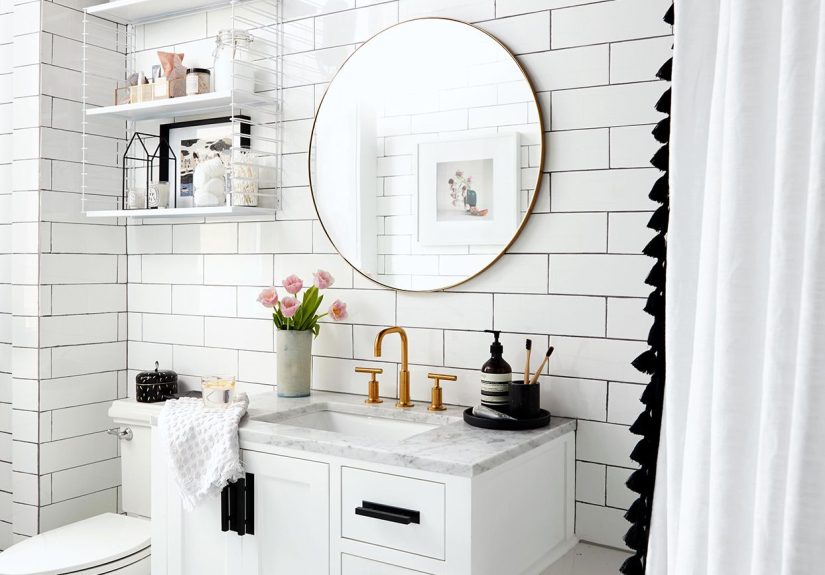
A floating vanity is the overachiever of small bathroom design. Because it mounts to the wall and leaves the floor visible underneath, the whole room feels more open. That little slice of empty space does a lot of visual magic. Better yet, many floating designs include drawers, so you get the storage pedestal sinks never offered. Go for a model with deep drawers instead of just one hollow cabinet. Drawers make it much easier to organize skincare, hair tools, backups, and cleaning supplies without crawling on the floor like a raccoon in search of lip balm.
2. Choose a Narrow-Depth Vanity
Sometimes the problem is not width. It is depth. In a tight bathroom, even a few extra inches can make the path between the vanity and toilet feel awkward. A narrow-depth vanity gives you storage while preserving movement. This is especially useful in galley-style bathrooms or powder rooms where traffic flow matters more than sprawling counter space. Pair it with a compact sink and a neat faucet profile so the surface still feels usable. The result is less bumping elbows, fewer bruised hips, and a bathroom that feels more intentional.
3. Use a Freestanding Vanity With an Open Bottom Shelf
If a full closed cabinet looks too heavy, try a freestanding vanity with a lower shelf. It keeps the piece feeling airy while adding room for baskets, rolled towels, or extra toilet paper. The trick is not to let the shelf become a public display of chaos. Use matching bins, woven baskets, or lidded boxes so the storage looks styled instead of accidental. This approach works especially well in bathrooms that need softness and texture, since baskets can warm up all the hard surfaces that bathrooms naturally collect.
4. Prioritize Drawers Over One Big Cabinet Door
A single under-sink cabinet sounds useful until you have to fish through the back for nail clippers, contact lens solution, or that one unopened soap refill. Drawers are usually more functional than one large cavity because they separate categories and bring the contents to you. A vanity with stacked drawers, pull-outs, or a combination of shallow and deep compartments can turn wasted space into highly usable storage. In a small bathroom, convenience matters. If it is hard to reach, it might as well be stored on the moon.
5. Put the Vanity in the Corner
Awkward corners are often wasted space, especially in small powder rooms. A corner vanity can rescue that dead zone and free up the rest of the room. It also adds a custom feel, even when the idea itself is simple. If your bathroom layout has a door swing, radiator, or tight path that rules out a standard vanity placement, this move can be a lifesaver. Corner vanities are especially effective when paired with a corner mirror or compact sconce setup that keeps everything proportional.
6. Custom-Fit a Vanity Into an Alcove or Niche
Small bathrooms rarely reward generic thinking. If you have a little recess, niche, or strange wall condition, a custom-fit vanity can make the most of every inch. This does not always mean fully bespoke millwork. Sometimes it means trimming filler panels, using a semi-custom cabinet, or combining stock components thoughtfully. The payoff is worth it: no dead gaps, no awkward wasted edges, and storage that feels built for the room rather than dropped into it at the last minute.
7. Add a Recessed Medicine Cabinet Above the Vanity
Want more storage without making the vanity itself bulkier? Go upward. A recessed medicine cabinet gives you hidden storage where a regular mirror would normally go, which is a beautiful little cheat code for small bathrooms. You get a mirror and a cabinet in the same footprint, and because it sits into the wall, it does not jut out into the room as much as a surface-mounted option. This is ideal for everyday essentials like medicine, serums, razors, and all the small items that otherwise crowd the countertop.
8. Pair the Vanity With a Wall-Mounted Faucet
This idea is sneaky good. A wall-mounted faucet can free up precious counter space and allow for a shallower vanity or sink setup. In a small bathroom, that can mean the difference between a counter that functions and one that is constantly overwhelmed by hand soap and a toothbrush cup. It also creates a cleaner look, which helps visually simplify the room. If you are remodeling and can move plumbing, this option is worth serious consideration.
9. Pick a Furniture-Style Vanity on Legs
A furniture-style vanity with visible legs can make a compact bathroom feel less cramped than a chunky box that sits flat on the floor. Because you can see beneath and around it, the piece feels lighter. That visual openness matters in small spaces. It also gives the room a more collected, less builder-basic vibe. Look for one with doors or drawers so it still earns its keep on storage. Bonus points if the legs are slim and the silhouette is slightly elevated rather than squat.
10. Add a Toe-Kick Drawer
That little recessed space at the bottom of a vanity does not have to be dead air. A toe-kick drawer can store items you do not need every day, such as extra washcloths, spare soap, travel toiletries, or backup supplies. It is one of those features that feels almost annoyingly clever once you see it. In a small bathroom, hidden storage matters because visible clutter builds up fast. If you are customizing a vanity, this is a smart place to sneak in extra capacity without enlarging the piece.
11. Choose Light Finishes or Mirrored Fronts
Storage is not only about what fits. It is also about how the room feels. A dark, bulky vanity can make a tiny bathroom feel smaller, even if it technically provides plenty of storage. Lighter wood tones, soft paint colors, and reflective finishes help bounce light around and keep the room from feeling weighed down. Mirrored panels can also visually expand the space, though they work best when the design stays simple. Think airy, not disco ball.
12. Make Open Storage Behave With Baskets and Trays
Open shelving can be wonderful in a small bathroom, but only if it is edited. The goal is to keep useful items accessible without creating a visual yard sale. On or under the vanity, use baskets for bulk items, a tray for daily essentials, and small containers for tiny necessities like cotton rounds or hair ties. Grouping items makes even open storage feel tidy. This is one of the easiest ways to make a modest vanity function like a much larger one.
13. Add a Slim Pull-Out or Side Tower Next to the Vanity
If your vanity area has even a little spare width, consider adding a narrow pull-out cabinet or slim storage tower beside it. These skinny companions are perfect for vertical storage: hair tools, rolled towels, extra paper goods, and taller bottles that do not sit well in drawers. Because they use height instead of floor sprawl, they work especially well in cramped bathrooms. A coordinated side tower can also make a standard vanity look more built-in and expensive than it really is.
14. Turn a Console or Dresser Into a Vanity
A converted dresser, console table, or vintage cabinet can give a small bathroom more personality while solving storage needs creatively. Drawers are great for organization, and furniture pieces often have a lighter, more charming presence than conventional bathroom cabinetry. The key is choosing something sized appropriately for moisture and plumbing needs. This idea works best when you want a bathroom that feels unique rather than straight out of a showroom aisle under fluorescent lighting.
15. Go Curved to Soften a Tight Layout
Round edges are not just pretty. They are practical. A curved vanity or one with softened corners is easier to move around in a small room, especially if the path between fixtures is narrow. It also helps the room feel less boxy and severe. This is one of those subtle design moves people often overlook, but it can make daily use noticeably better. Fewer sharp corners means fewer accidental hip checks. Your future self will be grateful.
16. Coordinate the Vanity With Over-the-Toilet Storage
Sometimes the vanity cannot do all the work alone, and that is fine. In a genuinely tiny bathroom, pairing the vanity with over-the-toilet shelving or cabinetry can create a full storage system without demanding more floor area. The trick is coordination. Match the finish, color, or hardware so the extra storage feels intentional rather than like a random add-on from a desperate weekend shopping trip. Closed storage above the toilet is especially useful for the not-cute stuff you still need nearby.
17. Organize the Inside of the Vanity Like a Kitchen Drawer
A lot of storage problems are really organization problems wearing a fake mustache. Even a decent vanity can feel inadequate if the inside is one dark cave of half-used products. Add stackable bins, lazy Susans, drawer dividers, clear containers, and under-sink risers to create zones. Give categories a home: dental, skincare, hair, backup supplies, cleaning. Once the interior starts behaving, the vanity suddenly seems twice as useful. Fancy? Maybe not. Effective? Extremely.
18. Consider a Wall-to-Wall Vanity in a Narrow Room
This sounds counterintuitive, but bigger can sometimes be smarter. In a narrow bathroom, a wall-to-wall vanity can maximize every inch and provide far more storage than a tiny standalone piece surrounded by wasted gaps. It creates a custom look, gives you generous countertop space, and can include a blend of drawers, doors, and open storage. The key is proportion. Keep the lines simple, the color calm, and the top uncluttered so the room still feels streamlined.
19. Use a Rolling Cart or Rotating Tower as a Vanity Sidekick
If remodeling is not in the cards, let the vanity have a supporting actor. A slim rolling cart, rotating tower, or compact movable cabinet can hold overflow items without permanent installation. This works well for renters, family bathrooms, or anyone whose product collection has quietly grown from “a few essentials” to “small beauty supply store.” Keep the piece narrow and purposeful, and tuck it beside the vanity or toilet. Temporary storage can still be smart storage.
How to Choose the Best Small Bathroom Vanity for Your Space
Before you buy anything, think about how you actually use the bathroom. Do you need more hidden storage, more counter space, or a vanity that simply stops the room from feeling overcrowded? The answer shapes the solution. A floating vanity is great for visual openness. A freestanding vanity with drawers may be better for families. A custom or corner vanity works when your layout is genuinely awkward.
Also pay attention to what should live in the vanity and what should not. Daily essentials deserve the easiest access. Bulk backups can go higher, deeper, or elsewhere entirely. Small bathrooms work best when the vanity stores the right things, not every single thing. Good design is not just adding more storage. It is editing what belongs there in the first place.
Conclusion
The best small-bathroom vanity ideas do not just squeeze more stuff into less space. They make the room feel calmer, easier to use, and a little more grown-up. Whether you choose a floating vanity, a custom alcove solution, a corner setup, or a simple freestanding piece with clever organizers inside, the goal is the same: store more, stress less, and stop balancing your moisturizer on a sink edge like it is competing in an Olympic event.
In other words, your vanity should not just hold a sink. It should solve problems. And in a small bathroom, that is a very beautiful thing.
Extra Experience and Practical Takeaways From Real Small-Bathroom Living
People often assume the answer to a cramped bathroom is finding the tiniest vanity possible, but real-life experience usually proves otherwise. A super-small vanity can look cute online and still fail spectacularly once you try to live with it. There is never enough room for hand soap, a toothbrush holder, and the one product you use every single day. Then the overflow starts creeping onto the toilet tank, the window ledge, and the edge of the tub, and suddenly your “minimal” bathroom feels messy all the time.
What tends to work better in daily life is a vanity that is thoughtfully sized rather than merely small. Many homeowners discover that a slightly wider vanity with better drawer storage feels neater than a tiny vanity with one awkward cabinet. Others find that a floating vanity changes the mood of the whole room because being able to see more floor makes the bathroom feel less cramped, even when the actual storage capacity stays similar. That psychological effect is real, and in a room you use every day, it matters.
Another common experience is realizing that open storage is only charming when you are disciplined. In real bathrooms, open shelves can become a stage for visual clutter in record time. Baskets fix a lot of that. Matching containers, labeled bins, or even one simple tray can turn “stuff everywhere” into something that feels deliberate. The same goes for drawer organizers. The inside of a vanity may be hidden, but when it is chaotic, your morning routine still feels chaotic. Order inside the cabinet creates calm outside it.
Corner vanities and custom-fit alcove vanities also tend to get rave reviews from people dealing with older homes, odd layouts, or tiny powder rooms. These are the kinds of spaces where standard sizes just do not behave. A custom approach may cost more upfront, but it often prevents years of annoyance. The same is true for recessed medicine cabinets. Once homeowners add one, they often wonder why they waited so long. Hidden storage right above the sink is wildly useful, especially for all the small essentials that usually crowd the countertop.
And perhaps the biggest lesson from real small-bathroom use is this: storage works best when it matches habits. If you do skincare at the sink every night, those items need an easy-access drawer. If you stock up on toiletries, you need deeper concealed storage. If several people use the same bathroom, zones matter. The smartest vanity is not the trendiest one. It is the one that supports the way your home actually lives. That is the difference between a bathroom that photographs well and one that quietly makes every day easier.