Table of Contents >> Show >> Hide
- Why This Pot and Pan Rack Still Feels Fresh
- What Makes the Metropolitan Produce Pot and Pan Rack Different
- The Real Pros of This Kind of Storage
- The Drawbacks You Should Not Ignore
- Who Should Consider This Style of Rack?
- How to Borrow the Idea Without Spending Metropolitan Produce Money
- My Take: Is the Metropolitan Produce Pot and Pan Rack Worth the Hype?
- Experience: What Living With This Kind of Pot and Pan Rack Actually Feels Like
- SEO Tags
If your kitchen cabinets sound like a cymbal crash every time you reach for a skillet, welcome. You are among friends. Pots are bulky, pan handles have a personal vendetta against neat stacks, and lids behave like they were engineered by chaos gremlins. That is exactly why the Metropolitan Produce Pot and Pan Rack is still such an intriguing idea. It is not just a place to hang cookware. It is a reminder that the best kitchen storage can solve a practical problem and still look cool enough to make guests say, “Wait, where did you get that?”
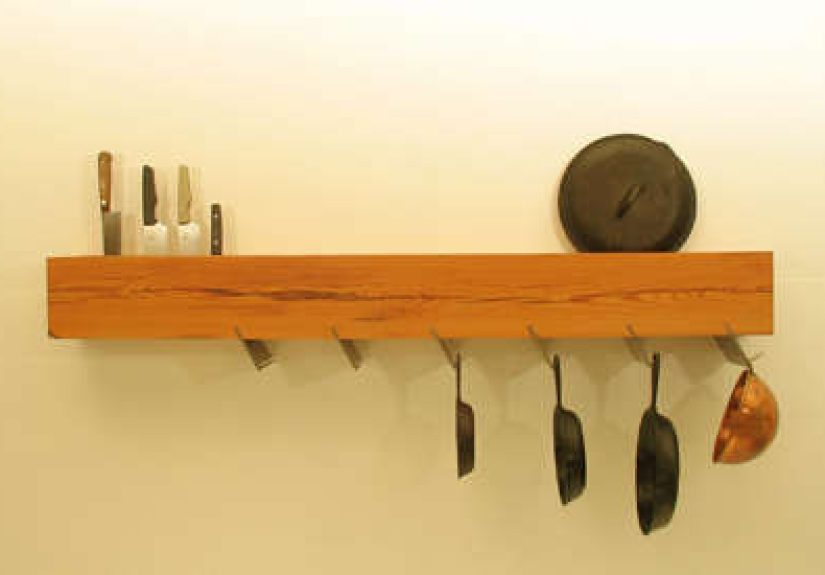
The original piece, featured years ago as a standout storage object, was designed by Brooklyn-based Metropolitan Produce. The concept was wonderfully simple and wonderfully not cheap: a reclaimed beam, inscribed with grooves for kitchen storage and bolted to the wall. In other words, part sculpture, part hardworking organizer, part “yes, I absolutely have opinions about reclaimed wood.” Its reported price tag, around $3,500, placed it firmly in the category of design splurge, but the idea behind it remains deeply relevant for today’s kitchens: use vertical space, keep cookware accessible, and let functional objects double as decor.
Why This Pot and Pan Rack Still Feels Fresh
Some kitchen storage trends age badly. Remember the era when every countertop had to host a giant novelty rooster? The Metropolitan Produce rack has held up because it was built around a timeless principle: the things you use often should be easy to grab. That sounds obvious, but many kitchens are organized like a scavenger hunt. Your favorite sauté pan is trapped under a stockpot you use twice a year. Your lids are stacked like unstable frisbees. Your cabinet shelf is doing emotional damage to your Dutch oven.
A wall-mounted pot rack fixes much of that. Design and organization experts consistently recommend using wall space, ceiling space, rails, hooks, pegboards, and under-cabinet zones to free up cabinets and keep cookware close to the cooking area. The appeal is both visual and functional: hanging storage opens up drawers, reduces cabinet traffic jams, and creates a kitchen that works more like a real workstation than a puzzle box.
That is where the Metropolitan Produce version earns its keep as inspiration. It did not scream “utility closet.” It made storage feel architectural. The reclaimed beam gave it warmth, character, and just enough roughness to keep it from looking too polished. In a room full of slick appliances and hard surfaces, that kind of tactile material matters. It softens the kitchen without making it precious.
What Makes the Metropolitan Produce Pot and Pan Rack Different
1. It turns cookware into part of the room
There are two ways to think about pots and pans: either they are clutter you hide, or they are tools worthy of display. The Metropolitan Produce rack leans hard into the second idea. When your cookware is attractive, well-made, and used all the time, open storage can make a lot of sense. Stainless steel, black cast iron, copper accents, and even simple matte nonstick pieces all look more intentional when arranged on a strong, minimal rack.
That design-forward approach is one reason pot racks have made a comeback. Modern versions feel less like restaurant leftovers and more like thoughtful, flexible storage. The Metropolitan Produce piece helped preview that shift before it became a broader kitchen trend.
2. It uses vertical space instead of fighting for cabinet space
One of the smartest things about wall-mounted cookware storage is that it recruits space you are probably underusing anyway. Kitchen organization advice today repeats this over and over because it works: look up, look at the wall, look at the blank stretch between cabinets and counters. A good rack can reclaim square footage without touching your floor plan.
That matters even more in small kitchens. Narrow kitchens, apartments, and older homes often do not have enough drawers for large pans. Hanging storage can store frequently used pieces in just a few inches of wall depth instead of eating up an entire deep drawer. In practical terms, that means fewer noisy stacks, less bending, and much less muttering under your breath at 6:15 p.m.
3. It blends sustainability with utility
The reclaimed beam is not just a style flourish. It changes the emotional tone of the object. Instead of feeling like a generic metal organizer, the rack reads as a piece with history. That gives it the kind of visual weight designers chase when they want a kitchen to feel layered and lived-in, not flat and showroom-perfect. Reclaimed materials also make the piece feel less disposable, which is exactly what you want in a kitchen feature that is supposed to age gracefully.
The Real Pros of This Kind of Storage
Easy access while cooking
The best cookware storage follows your habits. If you grab the same skillet every morning and the same saucepan every night, those pieces should live near your prep or cooking zone. A pot rack does that beautifully. Instead of opening a cabinet, shifting a lid, lifting a stack, and hoping nothing tumbles, you just reach out and take what you need.
More room in cabinets and drawers
This is the most obvious benefit, but also the most satisfying. Hanging even four or five frequently used pieces can dramatically reduce cabinet congestion. That newly freed space can hold mixing bowls, pantry overflow, baking dishes, or the random small appliance you swear you use enough to justify owning.
A stronger visual focal point
Done well, a pot rack creates a focal point without adding useless decoration. The Metropolitan Produce rack especially works because its material has presence. The beam anchors the wall, the cookware adds shape and shine, and the whole setup says, “Someone here actually cooks,” which is a lot more charming than twenty-seven decorative signs announcing that the kitchen is where memories are made.
Flexibility
Open storage systems can do more than hold pots. Hooks can corral ladles, strainers, and cutting boards. A rail can hold lids. A nearby shelf can support spices or small crocks. Many of the best kitchen organization ideas work because one storage move solves three problems at once.
The Drawbacks You Should Not Ignore
It is not ideal for every kitchen
HGTV and other kitchen-planning sources make a fair point: pot racks are not automatically right for every layout. A ceiling rack hung too low can become a forehead-level threat. A wall rack placed too far from the work zone becomes decorative but annoying. A rack installed too high may look nice and still force you to do a daily shoulder workout.
The sweet spot is reachable, secure, and close to where you actually cook. If you need a step stool to retrieve your everyday pan, the storage has failed you.
Open storage requires visual discipline
Let us be honest. Open storage looks gorgeous when the collection is curated. It looks less magical when it is holding a warped cookie sheet, three mystery lids, and the pan with the loose handle you keep meaning to replace. A rack like the Metropolitan Produce model works best when you edit what hangs there. Think favorites, not the entire cookware census.
Dust and grease are real
Anything stored openly in a kitchen needs occasional wiping. That is not a dealbreaker, but it is part of the trade-off. If your cookware is always out, it should also be always reasonably clean. The good news is that frequently used pans rarely sit still long enough to become dusty legends.
Installation matters a lot
This is not the category for flimsy mounting. Good guidance across kitchen storage sources is clear: heavy-duty racks need secure installation, ideally into studs or with hardware appropriate for the load. That is especially true if you hang cast iron, Dutch ovens, or anything else with “I could double as gym equipment” energy.
Who Should Consider This Style of Rack?
A storage concept like the Metropolitan Produce Pot and Pan Rack makes the most sense for a few types of kitchens and cooks:
The small-kitchen realist
If your cabinets are full and your drawers are staging a revolt, vertical storage is not trendy; it is survival. A wall-mounted rack gives you breathing room without requiring a remodel.
The design-minded home cook
If you want your kitchen to feel collected, warm, and a little editorial, a reclaimed-wood pot rack adds instant character. It is practical, but it does not look purely practical, and that is the whole point.
The frequent cook
If you cook often, access matters. Keeping your go-to cookware visible and within arm’s reach saves time and friction. You may not think two seconds here and four seconds there matter, but after a week of dinner prep, those seconds start adding up into actual ease.
The person tired of cabinet avalanches
You know who you are. You open one door and a lid slides out like it has been waiting for revenge. This rack style is for you.
How to Borrow the Idea Without Spending Metropolitan Produce Money
The original rack had designer pedigree and pricing to match, but the underlying lessons are wonderfully adaptable. You can capture the same spirit in more affordable ways:
Use a wall rail with S-hooks
This is the easiest translation. It gives you the same grab-and-go functionality and works especially well near a stove, sink, or prep zone.
Try a pegboard system
Pegboards are a favorite because they are customizable, compact, and surprisingly handsome when painted to match the wall. They are excellent for pans, lids, utensils, and little extras.
Add a shelf-plus-hook combo
If you want the reclaimed-beam look, a wood shelf with a rod or hooks underneath gets close. It gives you the warmth of wood and the efficiency of hanging storage, without requiring a museum-level budget.
Edit your cookware first
Before you install anything, declutter. Keep the pieces you actually use. Donate duplicates, broken items, or cookware that has been living rent-free for years. A pot rack is not magic. It just makes your best tools easier to use and easier to appreciate.
My Take: Is the Metropolitan Produce Pot and Pan Rack Worth the Hype?
As a design object, yes. As a universal buying recommendation, not exactly. The original Metropolitan Produce Pot and Pan Rack is one of those pieces that succeeds because it makes an everyday problem look elegant. It understands that kitchens are both workspaces and living spaces. It also understands that storage does not have to apologize for being visible.
Would I tell every homeowner to hunt down a reclaimed beam and spend luxury-money on cookware storage? Probably not, unless your budget says, “Go on, be dramatic.” But would I tell people to borrow the logic behind it? Absolutely. Use the wall. Keep what you love within reach. Let utility earn its place in the design. And if a storage solution makes your kitchen easier to use and prettier to look at, that is not indulgence. That is smart planning with a better outfit on.
Experience: What Living With This Kind of Pot and Pan Rack Actually Feels Like
Here is the part that design photos do not always tell you: living with a wall-mounted pot and pan rack changes the rhythm of your kitchen in small, sneaky ways. The first thing you notice is the silence. Not total silence, obviously; kitchens are full of clanks, timers, and someone asking where the spatula went while holding the spatula. But the weird cabinet thunder starts to disappear. You stop dragging one skillet across another. You stop playing lid roulette. You stop restacking everything just to reach the one pan you wanted in the first place.
There is also a weirdly satisfying feeling that comes from seeing your cookware lined up and ready. It makes the kitchen feel active, like it is prepared for business. On hectic weeknights, that matters. When you are trying to get pasta on the stove, vegetables chopped, and dinner moving before everyone gets dramatically hungry, having your favorite sauté pan hanging within reach feels luxurious in the most ordinary way.
What surprised me most about this kind of setup is how much it changes behavior. When the cookware is visible, you become a little more intentional. You keep the pieces you really use. You notice the duplicates. You stop pretending that the giant stockpot you only touch once every Thanksgiving needs premium real estate. A good rack does not just store your pans; it edits your kitchen habits. Politely, but firmly.
I also think a storage piece like this adds emotional warmth to a kitchen. That may sound dramatic for something whose main job is holding metal circles, but hear me out. Kitchens can get sterile fast. Stainless appliances, hard counters, straight lines everywhere. A reclaimed-wood rack softens all that. It brings in texture, history, and that slightly imperfect look that makes a room feel human. If the pans have some patina and the wood has character, even better. Suddenly the kitchen looks less like a catalog and more like a place where actual meals happen.
Of course, there are realities. You do have to wipe things down. You do have to make sure the rack is mounted properly. And yes, if you hang every pan you own without editing, it can start to look less “curated chef’s kitchen” and more “culinary wind chime collection.” The trick is restraint. Keep the daily drivers out. Store the awkward extras somewhere else. Let the rack be useful, not overloaded.
The other experience that stands out is how this kind of storage invites people in. Guests notice it. They comment on it. They ask whether the pans are easier to grab. They end up talking about their own kitchen frustrations, and suddenly everyone is sharing storage confessions like it is group therapy for disorganized drawers. That is the charm of a good kitchen feature: it is practical enough to improve your routine and distinctive enough to start a conversation.
So if you love the look of the Metropolitan Produce Pot and Pan Rack, what you are really responding to is not just the beam or the hooks or the styling. You are responding to the promise of a kitchen that works better and feels better at the same time. And honestly, that is the dream. Not perfection. Not a showroom. Just a kitchen that helps dinner happen with less clutter, less friction, and maybe a little more style than strictly necessary. Which, in my book, is exactly the right amount.