Table of Contents >> Show >> Hide
- What Is Mock Apple Pie?
- Why This Pie Took Off in the 1930s
- How Can Crackers Taste Like Apples?
- 1930s Mock Apple Pie Recipe
- Step-by-Step Instructions
- Best Tips for the Perfect Mock Apple Pie
- Serving Ideas
- Easy Variations
- How to Store Mock Apple Pie
- Why This Vintage Recipe Still Deserves a Place Today
- Experiences Related to a 1930s Mock Apple Pie Recipe
- Conclusion
- SEO Tags
Imagine setting a pie on the table that smells like cinnamon, lemon, butter, and old-fashioned American optimism, then casually announcing, “By the way, there are no apples in it.” That is the charming little prank at the heart of a 1930s mock apple pie recipe. It is part dessert, part history lesson, and part culinary magic trick.
This pie became famous during hard times, when home cooks had to stretch what they had and still wanted something that felt special. The result was a clever dessert made with buttery crackers, sugar, lemon, cinnamon, and pie crust. Somehow, against all logic and maybe a tiny bit against nature, it tastes surprisingly close to apple pie.
If you love vintage recipes, Depression-era cooking, or just the thrill of making a dessert that causes people to squint suspiciously at the first bite, this recipe deserves a spot in your kitchen. Below, you will find the history, the science behind the flavor, a step-by-step recipe, baking tips, serving ideas, and a longer section on the real-life experience of making and sharing mock apple pie today.
What Is Mock Apple Pie?
Mock apple pie is a fruit-free pie designed to imitate the flavor and texture of traditional apple pie. Instead of sliced apples, the filling relies on crackers softened in a sweet-tart syrup. Add lemon juice, lemon zest, cinnamon, and a flaky crust, and the illusion is unexpectedly convincing.
The best-known version is the Ritz cracker mock apple pie, which became a classic American recipe in the 1930s. But the idea itself is older than the Depression. Earlier cracker-based “mock” pies existed in the 19th century, which makes sense when you think about it. Apples were not always easy to get year-round, but pantry staples like crackers, sugar, and spices often were.
In other words, this pie is not just quirky. It is practical, nostalgic, and deeply American. It turns ordinary shelf-stable ingredients into something festive enough for Sunday dinner, church supper, or a holiday table where at least one guest will say, “Wait. Are you serious?”
Why This Pie Took Off in the 1930s
The 1930s were shaped by thrift. During the Great Depression, home cooks were masters of adaptation. Recipes had to be affordable, flexible, and comforting. A dessert that looked and tasted like apple pie, but did not require apples, fit that mood perfectly.
That is where crackers entered the scene wearing a rather convincing apple costume. Ritz crackers, introduced in the 1930s, were buttery, widely available, and inexpensive enough to turn into an everyday pantry hero. Printed recipes helped spread the idea further, and mock apple pie became one of those back-of-the-box legends that somehow survived long enough to impress future generations.
There is also an emotional reason the recipe lasted. Apple pie is not just pie in America. It is comfort, memory, and ceremony. A recipe that could mimic that experience during lean years was bound to stick. Even today, making a 1930s mock apple pie recipe feels like baking a small tribute to kitchen ingenuity.
How Can Crackers Taste Like Apples?
The texture trick
When buttery crackers absorb hot syrup, they soften into tender pieces that resemble very soft cooked apple slices. They do not become crisp, crunchy cracker bits. Instead, they mellow out into a filling that is surprisingly spoonable and sliceable once baked and cooled.
The flavor illusion
Apple pie flavor is not only about apples. It also comes from the supporting cast: lemon, cinnamon, sugar, butter, and flaky crust. Cream of tartar adds acidity, which helps mimic the bright tang you expect from fruit filling. Lemon zest gives the pie a fresh, fragrant note. Cinnamon whispers “apple pie” to your brain before your taste buds have time to file a complaint.
The nostalgia factor
Let us be honest. Part of the charm is psychological. The smell is familiar. The color is familiar. The crust is familiar. By the time you take a bite, your brain is already halfway convinced. It is basically a delicious culinary con artist.
1930s Mock Apple Pie Recipe
This version stays close to the classic Depression-era style while using modern baking wisdom for better texture and cleaner slices.
Yield and Time
- Servings: 8 to 10
- Prep time: 25 minutes
- Cooling time: 2 to 3 hours
- Bake time: 30 to 35 minutes
Ingredients
- 1 package double pie crust, or homemade pastry for a 9-inch double-crust pie
- 36 buttery round crackers, coarsely broken
- 2 cups granulated sugar
- 2 teaspoons cream of tartar
- 1 3/4 cups water
- Zest of 1 lemon
- 2 tablespoons fresh lemon juice
- 2 tablespoons unsalted butter, cut into small pieces
- 1/2 to 3/4 teaspoon ground cinnamon
- 1 egg, beaten with 1 tablespoon milk, optional for egg wash
- 1 tablespoon coarse or granulated sugar for the top, optional
Step-by-Step Instructions
1. Make the syrup
In a medium saucepan, combine the sugar, cream of tartar, and water. Bring the mixture to a boil over medium-high heat, stirring until the sugar dissolves. Reduce the heat and simmer for about 5 to 15 minutes, until the syrup reduces slightly. Stir in the lemon zest and lemon juice, then let the syrup cool for about 30 minutes.
This step matters more than it looks. A slightly reduced syrup helps the crackers absorb flavor without turning the pie into a soggy identity crisis.
2. Prepare the crust
Preheat the oven to 425°F. Roll out the bottom crust and fit it into a 9-inch pie plate. If you are using refrigerated crust, let it soften just enough to unroll without cracking. Do not stretch it into the pan, or it may shrink in the oven.
3. Build the filling
Scatter the broken crackers evenly into the bottom crust. Pour the cooled lemon syrup over the crackers. Dot the top with butter and sprinkle evenly with cinnamon.
At this point, it may look odd. Trust the process. Many great American recipes begin with a moment of doubt.
4. Add the top crust
Roll out the top crust and place it over the filling. Trim any excess dough, then seal and crimp the edges. Cut several vents in the top so steam can escape while baking. If you want a prettier finish, brush the crust with egg wash and sprinkle lightly with sugar.
5. Bake until golden
Bake for 30 to 35 minutes, or until the crust is deeply golden and the filling is bubbling through the vents. If the edges brown too quickly, cover them loosely with foil.
6. Cool before slicing
Remove the pie from the oven and let it cool completely on a wire rack. This is the hardest part, because it smells fantastic. But cooling is what allows the filling to settle into clean slices instead of tumbling out in a sweet landslide.
Best Tips for the Perfect Mock Apple Pie
Use buttery crackers, not dry plain crackers
Richer crackers create the most convincing texture and flavor. They hold their structure just long enough to imitate cooked fruit while still soaking up the syrup.
Do not skip the lemon
Lemon juice and zest do the heavy lifting in this pie. They add brightness and help reproduce the tart edge that real apples naturally bring.
Respect cream of tartar
This unsung ingredient adds acidity and helps build the pie’s sweet-tart balance. Without it, the filling can taste flat and simply sugary instead of apple-pie-like.
Vent the crust well
A vented top crust lets steam escape and helps the crust bake up flaky instead of damp. Nobody dreams of soggy pie. Absolutely nobody.
Let it cool all the way
Yes, warm pie is tempting. But for the neatest slices and the best texture, give the pie time to rest. This is one of those cases where patience is not just a virtue. It is structural engineering.
Serving Ideas
You can serve this pie warm, room temperature, or chilled. Each version has its fans.
- Warm: Best with vanilla ice cream melting into the top crust.
- Room temperature: Great for clean slices and classic pie flavor.
- Chilled: Slightly firmer, sweeter, and excellent with whipped cream.
If you want to dress it up, try a pinch of nutmeg, a touch of vanilla, or a spoonful of whipped cream with lemon zest. But the plain version is the one that captures the vintage charm best.
Easy Variations
Crumb-topped mock apple pie
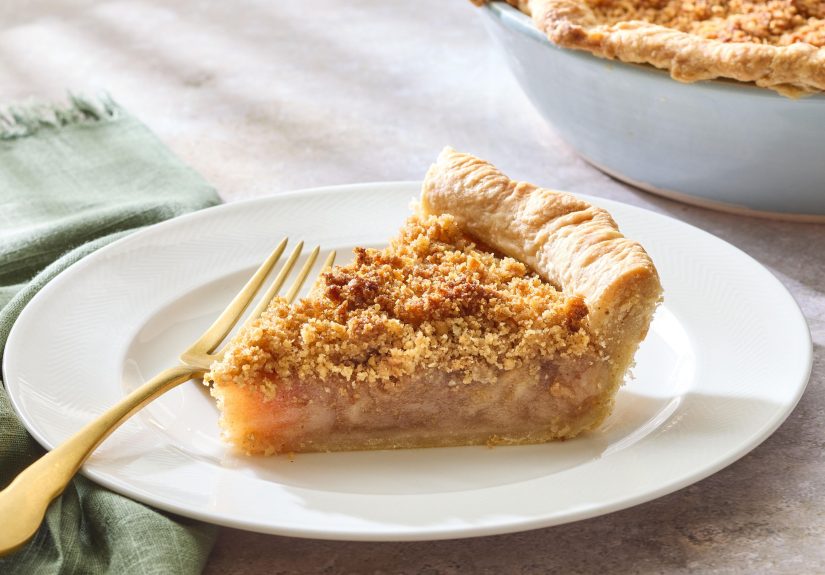
Some versions skip the top crust and use a buttery cracker crumble topping instead. It is easy, rustic, and wonderfully crunchy.
Spiced holiday version
Add a pinch of nutmeg, ginger, or allspice for more of a holiday dessert vibe. Just do not bury the lemon. It is part of the illusion.
Old-fashioned pantry pie approach
If you want the recipe to feel extra vintage, use a simple homemade crust and keep the ingredient list humble. This pie shines brightest when it stays honest about its roots.
How to Store Mock Apple Pie
Once cooled, you can keep the pie at room temperature for a day or two if your kitchen is not too warm. For longer storage, cover it and refrigerate it. It also freezes well. Reheat slices in a low oven to freshen the crust.
Like many fruit-style pies, the flavor often deepens after the first day, when the lemon, cinnamon, and buttery crust settle into each other. Leftover pie for breakfast is not officially required, but history would probably approve.
Why This Vintage Recipe Still Deserves a Place Today
It would be easy to dismiss mock apple pie as just a novelty recipe from another era. But that would miss the point. This pie lasts because it delivers more than a gimmick. It tells a story about creativity, economy, and the determination to make something special from ordinary ingredients.
It also reminds us that recipes are not only about perfection. They are about adaptation. The 1930s mock apple pie recipe is one of those rare dishes that feels both practical and poetic. It tastes good, sparks conversation, and carries a little bit of American food history in every slice.
And honestly, in a world full of overcomplicated desserts with seventeen layers and a personality disorder, there is something refreshing about a pie made from crackers that simply says, “I know how this sounds, but stay with me.”
Experiences Related to a 1930s Mock Apple Pie Recipe
One of the most memorable things about making a 1930s mock apple pie recipe is the emotional whiplash. At first, the ingredient list looks like a prank written by a mischievous aunt. Crackers? In pie? In place of apples? It feels like the sort of recipe someone would invent after losing a bet at a county fair. But as the syrup simmers and the lemon zest hits the steam, skepticism starts to soften. By the time the crust goes on, you are no longer laughing at the recipe. You are rooting for it.
The baking experience itself is unexpectedly comforting. The kitchen fills with the exact aroma people associate with classic apple pie: butter, cinnamon, citrus, toasted pastry, and warm sugar. That smell has power. It changes the mood of the room. Even if someone knows there are no apples in the pie, the scent still tells a different story. It says holidays, family dinners, handwritten recipe cards, and a time when dessert had to be clever as well as delicious.
Serving the pie is where the real fun begins. Mock apple pie is one of those rare desserts that doubles as conversation. Most people take a bite, pause, and go back for a second bite before asking questions. The first reaction is usually surprise, followed by suspicion, followed by admiration. Some tasters insist it tastes exactly like soft apple pie filling. Others say it reminds them of apple cobbler, apple Danish, or a very old-fashioned pie from a church cookbook. Almost everyone agrees on one thing: it is far better than it has any right to be.
There is also something deeply satisfying about the recipe’s thriftiness. Even in modern kitchens, where apples are easy to buy, this pie feels like a lesson in resourcefulness. It proves that great comfort food does not always come from expensive ingredients. Sometimes it comes from understanding flavor, texture, and the simple magic of a good crust. That makes the pie especially meaningful for bakers who love vintage recipes or want to connect with how earlier generations cooked through hard times without giving up dessert.
Another common experience is the desire to tell the story while serving the pie. This is not really a silent dessert. It invites context. People want to know where it came from, why it exists, and how anyone first discovered that crackers and lemon syrup could mimic apples. It turns an ordinary slice of pie into a small history lesson, which makes it especially wonderful for family gatherings, holiday tables, potlucks, and any meal where storytelling matters as much as the menu.
In the end, baking mock apple pie feels less like chasing a substitute and more like honoring ingenuity. It is a recipe that asks for trust, rewards curiosity, and leaves people smiling. That is a pretty impressive legacy for a dessert built on crackers and courage.
Conclusion
If you have never made a 1930s mock apple pie recipe, this is your sign to give it a try. It is easy, affordable, deeply nostalgic, and weird in the most wonderful way. The filling is sweet, bright, and cinnamon-kissed. The crust is flaky. The story is unforgettable. And the first slice comes with a built-in plot twist.
Some recipes survive because they are luxurious. Others survive because they are useful. This one survives because it is both clever and comforting. It turns pantry staples into a dessert that still delights modern bakers, nearly a century later. That is not just a good recipe. That is kitchen folklore with a golden crust.