Table of Contents >> Show >> Hide
- 20 influencer careers that fell apart at top speed
- 1. Logan Paul
- 2. James Charles
- 3. Shane Dawson
- 4. David Dobrik
- 5. Jenna Marbles
- 6. Colleen Ballinger
- 7. Ruby Franke
- 8. Brittany Dawn
- 9. Myka Stauffer
- 10. Dr Disrespect
- 11. Andrew Callaghan
- 12. Austin Jones
- 13. Ray Hushpuppi
- 14. Liver King
- 15. The ACE Family
- 16. Jay Mazini
- 17. Ned Fulmer
- 18. Tati Westbrook
- 19. Chiara Ferragni
- 20. Belle Gibson
- Why these influencer careers collapsed so fast
- What it actually feels like when a creator’s world caves in
- Conclusion
Internet fame looks glamorous right up until it melts. One minute, a creator is selling out merch, stacking brand deals, and posting “just being real with you guys” videos from a mansion-sized kitchen. The next, their follower count is falling like a dropped ring light, sponsors are sprinting for the exits, and the apology video is filmed in suspiciously soft lighting. That is the strange, brutally fast economy of influencer culture: trust is the product, and once trust cracks, the whole storefront can collapse.
This list is not about petty drama or harmless cringe. It is about major creator controversies, influencer scandals, public backlash, legal trouble, platform penalties, and the kind of social media implosions that permanently altered careers. Some of these internet stars eventually rebuilt parts of their brand. Others became cautionary tales with a Wi-Fi signal. Together, they show how fast online celebrity can turn from rocket launch to smoking crater.
20 influencer careers that fell apart at top speed
1. Logan Paul
Logan Paul’s 2018 collapse became one of the first major case studies in how quickly a giant creator can lose corporate support. His already loud, chaos-first brand finally hit a wall after the Aokigahara controversy, and YouTube responded by pulling him from premium programs and suspending ad revenue. The interesting part is not just the fall, but the rebound: he eventually rebuilt his public image. Still, the scandal remains the textbook example of a creator learning that “viral” and “career-safe” are not the same word.
2. James Charles
James Charles was once beauty YouTube’s unstoppable prodigy, but his reputation took repeated hits from feud culture, then much more serious fallout when he addressed accusations involving inappropriate messages with minors. That changed the conversation around him from makeup innovator to damage-control regular. He did not disappear, but the golden-boy glow never fully returned. In creator culture, losing trust is bad; losing trust while your whole brand depends on parasocial closeness is worse.
3. Shane Dawson
Shane Dawson spent years evolving from edgy YouTuber to documentary-style comeback king, only to watch that reinvention crumble when older racist and offensive content resurfaced. YouTube demonetization turned the backlash into something bigger than bad press: it became a business problem. His case proved a harsh truth for long-running creators. The internet never really forgets, and archived content has a nasty habit of returning right when a rebrand is making itself comfortable.
4. David Dobrik
David Dobrik’s empire looked nearly recession-proof until the Vlog Squad backlash exploded into a full business crisis. Sponsors distanced themselves, investors bailed from Dispo, and Dobrik stepped away from the company’s board. What made his fall so dramatic was speed. He went from lovable prank-ringmaster energy to corporate risk in what felt like a single news cycle. Even when a creator remains famous, the loss of brand safety can be more damaging than the loss of views.
5. Jenna Marbles
Jenna Marbles’ exit was different from most careers on this list because the crash was tied to accountability and retreat rather than denial and escalation. After criticism over older offensive videos, she publicly apologized and walked away from YouTube. In a strange way, that made her departure even more powerful. She had one of the most beloved online careers of her era, and yet the moment public trust shifted, she chose silence over endless spin. She never really came back in the old sense.
6. Colleen Ballinger
Colleen Ballinger’s downfall was one of those internet moments that felt almost too bizarre to be real. Allegations about inappropriate interactions with underage fans and toxic fan dynamics were followed by canceled shows, a scrapped podcast, and a response video that somehow made the backlash worse instead of better. For a creator whose persona depended on theatrical control, the collapse was painfully public. The lesson was simple: when people expect accountability, performance art is a risky substitute.
7. Ruby Franke
Ruby Franke went from family-vlogging success to one of the darkest cautionary tales in the creator economy. The former 8 Passengers star pleaded guilty in a child abuse case and was sentenced to prison, instantly ending any question of a comeback in the old form. Her story reshaped conversations around family content, child privacy, and the ethics of monetizing domestic life. It also made “sharenting” sound less cute and much more like a red flag with a ring light attached.
8. Brittany Dawn
Brittany Dawn built a following by selling personalized fitness coaching, then watched that business model turn into a legal and reputational nightmare. The state of Texas sued her over allegedly deceptive fitness plans, and the settlement left a permanent stain on her influencer brand. She later pivoted into different content, but the original credibility engine was gone. In the influencer world, nothing wrecks authority faster than selling “personalized” help and getting accused of delivering copy-and-paste promises.
9. Myka Stauffer
Myka Stauffer’s backlash was swift and lasting because it struck at the emotional core of family content. After heavily featuring her adopted son in monetized videos, she announced that he had been placed with another family, and public reaction was immediate and fierce. Viewers did not just see a bad decision. They saw a child turned into content, then effectively written out of the storyline. Her case remains one of the clearest examples of audiences rejecting the commodification of family life.
10. Dr Disrespect
Few streamer collapses hit as hard, or as late, as Dr Disrespect’s. Years after his mysterious Twitch ban, fallout intensified when he publicly acknowledged inappropriate messages with a minor. YouTube demonetized him, the 49ers cut ties, and even his own gaming company moved on without him. He later kept creating elsewhere, but the mainstream-brand version of his career took a major blow. In creator economics, mystery can be marketable; clarity can be catastrophic.
11. Andrew Callaghan
Andrew Callaghan looked like the rare internet journalist who could turn outsider energy into serious media credibility. Then allegations of sexual misconduct brought that rise to a sudden halt. He responded publicly, apologized in part, and stepped back, but the momentum around his career changed overnight. That is the brutal math of creator fame: one year you are the cool new voice with prestige backing, and the next year every profile includes a paragraph that used to be missing.
12. Austin Jones
Austin Jones once had the kind of niche internet fame that seemed sticky: loyal fans, music crossover appeal, and the illusion of direct intimacy that made followers feel seen. That ended when he was federally prosecuted and later sentenced to prison for child pornography-related offenses involving underage fans. This was not a temporary scandal, a PR stumble, or a fandom war. It was a complete collapse, and one of the clearest examples on this list of a career that was not coming back.
13. Ray Hushpuppi
Ray Hushpuppi sold luxury fantasy to millions: designer labels, private jets, and the kind of Instagram wealth designed to make regular people question every financial decision they had ever made. Then the image detonated. U.S. authorities said the glamorous persona was tied to massive fraud and money laundering, and he was sentenced to more than 11 years in prison. His story is a blunt reminder that influencer credibility can look expensive even when it is built on counterfeit foundations.
14. Liver King
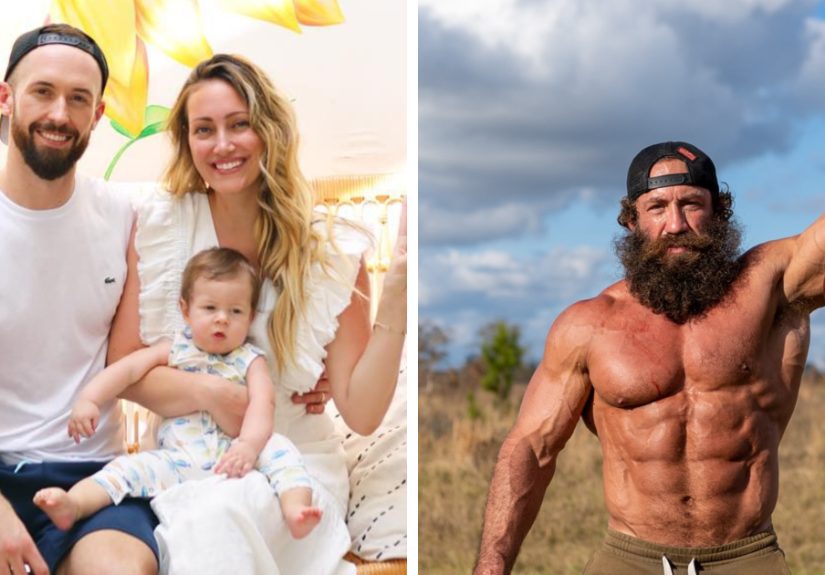
Liver King’s whole brand rested on one core sales pitch: that his superhuman physique came from “ancestral living,” raw organs, and savage discipline rather than performance-enhancing drugs. Once that claim collapsed, the character collapsed with it. He apologized after steroid-use revelations, but the damage was obvious. Audiences can forgive weird. They can even forgive theatrical. What they struggle to forgive is a business built on “natural truth” that turns out to have a chemical footnote.
15. The ACE Family
The ACE Family represented peak family-channel excess: giant homes, viral videos, event hype, and an image of internet prosperity that felt designed by a luxury algorithm. Then came lawsuits, business controversy, criticism around ventures, and foreclosure trouble tied to the image they had so publicly monetized. Their career did not vanish in a single upload, but the fantasy cracked fast. Once viewers start seeing the machine behind the smiles, even the fanciest content begins to look like staged wallpaper.
16. Jay Mazini
Jay Mazini built influence by playing the generous online success story, the guy handing out cash and looking like proof that social media fame could be both flashy and holy. Then the image imploded. Federal prosecutors said he used that trust to run fraud schemes, and he was later sentenced to prison. His fall was especially instructive because it showed how quickly visible generosity can become part of the con itself. Internet charisma is persuasive; that is exactly why it can be dangerous.
17. Ned Fulmer
Ned Fulmer was not a classic solo influencer, but he absolutely sold a branded identity online, and that identity exploded in spectacular fashion. The “wife guy” persona was central to his popularity with The Try Guys, which is why the workplace-affair scandal was so professionally destructive. He was removed from the company, the group scrambled to edit him out of projects, and his carefully polished image evaporated. When the brand is “trust me,” hypocrisy is not a scratch. It is a wrecking ball.
18. Tati Westbrook
Tati Westbrook’s fall was messier than a simple cancellation story because she was both a driver of beauty YouTube drama and later one of its casualties. “Bye Sister” helped redefine how creator feuds could move audiences and subscriber counts at insane speed, but the aftermath damaged her own authority too. Lawsuits, disappearing acts, and long silences chipped away at the calm, credible image that once made her seem above the chaos. She returned, but not with the same untouchable status.
19. Chiara Ferragni
Chiara Ferragni’s case shows that even the most polished influencer empires can stumble hard when charity marketing and consumer trust collide. Authorities in Italy alleged that consumers were misled by a charity-linked product campaign, triggering fines, political attention, and major backlash. Ferragni was later acquitted on fraud charges, which matters, but acquittal does not erase reputational damage on the internet. In influencer culture, public suspicion often arrives faster than legal clarity, and it can cost partnerships just the same.
20. Belle Gibson
Belle Gibson became one of the earliest and most infamous examples of wellness influence turning into public fraud. She built a business and audience around false claims about illness and healing, and once those claims unraveled, her career did too. Long before “de-influencing” became trendy, her story exposed how easily emotional storytelling, health fear, and personal branding can fuse into something deeply manipulative. Some influencer crashes are about cringe. This one was about trust at its most vulnerable.
Why these influencer careers collapsed so fast
The common thread is not fame. It is trust. Influencers do not just sell content; they sell closeness, credibility, and the feeling that audiences know the real person behind the camera. That is why creator controversies hit harder than ordinary celebrity scandals. When followers feel betrayed, they do not just stop watching. They feel tricked.
The second reason is speed. Traditional stars used to have teams, studios, and layers of gatekeeping between mistake and disaster. Influencers often have a phone, an upload button, and a fan base that expects constant access. The same direct pipeline that builds a brand can torch it in real time. One bad post becomes five reaction videos, three sponsor statements, a trending hashtag, and a thousand comments that all begin with, “I used to be a fan, but…”
The third reason is receipts. The internet keeps screenshots like a dragon keeps gold. Old videos resurface. Deleted tweets return. Private messages leak. Court filings go public. Former collaborators speak. In other words, the algorithm is not loyal, but the archive absolutely is.
What it actually feels like when a creator’s world caves in
There is a human side to these influencer scandals that viewers often miss, and it helps explain why the crash can feel so total. When a creator’s career tanks, the damage is not just public embarrassment. It is identity collapse. Many influencers spend years turning their face, voice, routines, jokes, relationships, and even breakfast into a business model. When the audience turns, they are not losing a job in the usual sense. They are losing the character they built, the income tied to it, and the daily validation loop that helped keep the whole machine humming.
That is why so many downfall stories look eerily similar. First comes denial. Then comes the Notes app apology, the crying video, the “I need to take accountability” phase, and the temporary disappearance. For some creators, that retreat lasts a week. For others, it becomes a permanent exile. What makes it especially brutal is that there is no clean line between personal and professional failure. If you are a creator, your brand lives in your name, your history, your search results, and your comment section. The office is your face. The company logo is your username.
There is also the sponsor problem. Fans may argue for months about whether someone deserves a second chance, but brands usually do not enjoy philosophical adventures. They like predictability. Once a creator becomes a headline risk, the emails stop, partnerships evaporate, and suddenly the person who seemed rich enough to buy a second sports car is discovering that internet fame is not the same thing as financial permanence.
Then there is the social whiplash. Friends distance themselves. Collaborators quietly unfollow. Former allies start sounding like documentary interview subjects. Even creators who do manage a comeback often return to a smaller, more suspicious audience. The internet may love redemption arcs, but it loves dragging old clips back into the sunlight even more.
And yet, the strangest part is that not every collapse looks the same from the inside. Some creators truly do seem to recognize the harm they caused. Others appear mostly upset that consequences arrived before the merch shipment cleared. Audiences are surprisingly good at detecting the difference. That is why two apologies with similar wording can land in completely opposite ways. People do not just listen for regret. They listen for sincerity, humility, and whether the person finally understands that followers are not NPCs in the background of their own fame story.
In the end, these crashes feel so dramatic because influencer culture promises intimacy at scale. It tells audiences, “You know me.” So when the image shatters, the break feels personal. That is the real reason these careers can tank in the blink of an eye. They are built on attention, but they survive on trust. Lose one, and you can post through it. Lose the other, and the internet starts writing your cautionary tale for you.
Conclusion
The biggest myth in social media is that influence itself is a moat. It is not. It is more like a glass balcony: beautiful view, terrible margin for error. The influencers on this list fell for different reasons, but the pattern is the same. Audiences may tolerate weirdness, ego, and even a little mess. What they rarely forgive is deception, hypocrisy, exploitation, or the sense that fame made someone believe consequences were for other people. In a creator economy built on personal branding, the blink-of-an-eye downfall is no longer the exception. It is part of the business model’s fine print.