Table of Contents >> Show >> Hide
- 1. Clear the Countertops by Giving Everything a “Parking Spot”
- 2. Use Closed Storage to Hide the “Not Cute” Stuff
- 3. Make Vertical Space Work Harder
- 4. Tame the Pantry Before It Tames You
- 5. Create Daily Clutter Zones That Are Easy to Reset
- Bonus Tips for Keeping Kitchen Clutter Hidden Longer
- Real-Life Experience: What Actually Works When Hiding Kitchen Clutter
- Conclusion
The kitchen is the heart of the home, which is a sweet way of saying it is also the place where mail, mugs, snack bags, mystery chargers, school papers, water bottles, and one lonely avocado go to form a small civilization. A lived-in kitchen is normal. A kitchen that looks like it lost a wrestling match with a pantry shelf is optional.
The good news? You do not need a luxury remodel, a marble island the size of Rhode Island, or a professional organizer who whispers motivational quotes to your measuring cups. Learning how to hide kitchen clutter is mostly about creating smart homes for the things you already use. The secret is not hiding everything randomly behind cabinet doors and hoping future-you forgives present-you. The goal is to make clutter less visible while keeping your kitchen easy to cook in, clean, and enjoy.
Below are five practical, stylish, and realistic ways to hide kitchen clutter without turning your kitchen into a museum where no one is allowed to make toast.
1. Clear the Countertops by Giving Everything a “Parking Spot”
Kitchen counters attract clutter because they are flat, convenient, and apparently magnetic. The toaster sits there because you use it often. The coffee grinder sits there because moving it feels unnecessary. The stack of mail sits there because “I’ll deal with it later” is the official anthem of modern adulthood.
But clear countertops instantly make a kitchen feel cleaner, larger, and calmer. The first step is deciding what truly deserves counter space. Daily-use items may stay, but they need boundaries. Everything else should be assigned a cabinet, drawer, shelf, basket, or pantry zone.
Use trays to make loose items look intentional
A tray is basically a polite little fence for clutter. Instead of olive oil, salt, pepper, vitamins, and a random bottle of hot sauce spreading across the counter like they own the lease, group them on a small tray. Suddenly, the same items look curated rather than chaotic. This works especially well near the stove, coffee maker, or sink.
For example, place cooking oils and seasonings on a washable tray beside the range. Put hand soap, dish soap, and a small brush on a sink tray. Keep the tray small enough that it limits what can live there. A tray that becomes a parking garage for every object in the kitchen is not a tray anymore; it is a tiny landfill with handles.
Move bulky tools into drawers or cabinets
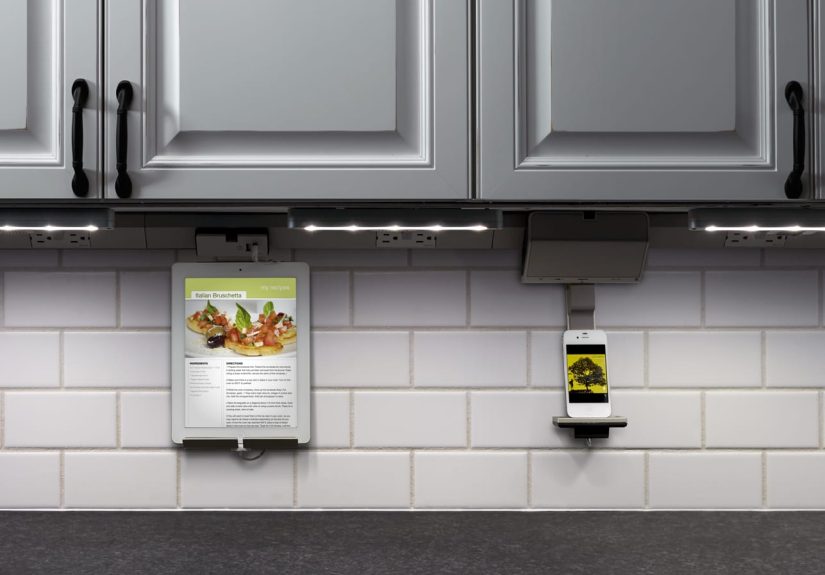
Knife blocks, utensil crocks, paper towel holders, and appliance cords can make counters look busy fast. Try a drawer knife insert, wall-mounted magnetic strip, under-cabinet paper towel holder, or drawer dividers for spatulas and whisks. If you use a toaster only on weekends, store it in a lower cabinet. If the stand mixer comes out once a month, it does not need VIP countertop seating.
The more visual breathing room you create, the more your kitchen will feel like a place to cook instead of a storage unit with a sink.
2. Use Closed Storage to Hide the “Not Cute” Stuff
Open shelving looks beautiful when it holds matching dishes, clear glass jars, and maybe one cookbook casually opened to a page no one actually cooks from. But open storage is unforgiving. A half-empty cereal box, three mismatched mugs, and a neon snack bag can turn charming shelves into visual static.
Closed storage is your friend when you want to hide kitchen clutter. Cabinets, bins, baskets, pull-out drawers, lidded containers, and appliance garages allow your kitchen to look calm on the outside while still supporting real life on the inside.
Add bins inside cabinets
Bins are excellent for grouping categories: baking supplies, snacks, pasta, lunch-packing items, tea, vitamins, or cleaning cloths. Instead of digging through a cabinet like you are searching for buried treasure, you can pull out one bin and see what you have.
Choose clear bins if you want visibility. Choose woven or solid bins if you want to hide packaging. Label them in plain language: “snacks,” “baking,” “coffee,” “kids’ lunch,” or “things I bought because the recipe sounded easy.” Labels reduce the chance that everyone in the house will ask where the granola bars are while standing directly in front of them.
Use appliance garages for countertop machines
An appliance garage is a cabinet or nook that hides small appliances while keeping them accessible. It is ideal for coffee makers, blenders, toasters, mixers, or air fryers. If a built-in appliance garage is not possible, use a cabinet shelf, rolling cart, or pantry section as a substitute.
The trick is to store appliances near where you use them. A blender stored three rooms away may technically be “put away,” but it will eventually migrate back to the counter because nobody wants cardio before a smoothie.
3. Make Vertical Space Work Harder
When people run out of kitchen storage, they usually look inside cabinets. But some of the best clutter-hiding solutions are vertical: walls, cabinet doors, backsplash areas, sides of cabinets, and the inside of pantry doors. These zones are often ignored, which is rude considering how helpful they can be.
Install hooks, rails, or pegboards
Hooks are perfect for mugs, potholders, measuring cups, small pans, or cleaning brushes. A slim rail under upper cabinets can hold frequently used tools without covering the counter. A pegboard can transform an empty wall into flexible storage for cookware, utensils, or baskets.
This strategy is especially useful in small kitchens because it moves items upward instead of outward. The counter stays open, and your tools remain easy to grab. It also adds a practical, restaurant-inspired look, as long as you avoid hanging every single kitchen item you own like a garage sale with better lighting.
Use cabinet doors and narrow gaps
The inside of cabinet doors can hold spice racks, cutting board holders, measuring spoon hooks, foil and wrap organizers, or cleaning supply caddies. A narrow space beside the refrigerator can fit a slim rolling cart for pantry items, oils, or baking supplies.
These hidden storage spots help reduce clutter without changing your kitchen layout. They are ideal for renters, small-space dwellers, and anyone who has ever opened a cabinet and been attacked by a falling pot lid.
4. Tame the Pantry Before It Tames You
Pantry clutter is sneaky. It starts with one extra bag of rice and somehow becomes a museum of expired crackers, duplicate spices, and three kinds of flour you bought during a confident baking phase. A messy pantry spills into the rest of the kitchen because when you cannot see what you own, you buy more, stack more, and eventually store snacks on the counter.
To hide kitchen clutter properly, pantry organization matters. A clean pantry keeps food packaging contained and makes everyday cooking faster.
Group food by category
Create simple zones: breakfast, snacks, grains, canned goods, baking, spices, oils, and backstock. Store daily items at eye level. Put occasional-use ingredients higher or lower. Keep kid-friendly snacks where children can reach them if that works for your household. Keep the chocolate wherever your personal security system is strongest.
Grouping also prevents duplicate buying. When all pasta lives together, you know whether you need more spaghetti or whether you are already running a small noodle warehouse.
Decant selectively, not obsessively
Decanting dry goods into airtight containers can save space and reduce visual clutter, especially for flour, sugar, rice, oats, pasta, cereal, and snacks. Stackable containers are helpful because they make shelves look neat and use vertical room efficiently.
However, you do not need to decant every almond, sprinkle, and lentil in your home. Focus on items you buy regularly and use often. If decanting becomes a second unpaid job, the system is too complicated. Kitchen organization should make life easier, not turn you into the manager of a boutique oat display.
5. Create Daily Clutter Zones That Are Easy to Reset
Some kitchen clutter has nothing to do with cooking. Mail, keys, chargers, receipts, school papers, reusable bags, sunglasses, and water bottles often land in the kitchen because it is the first or most central room people use. Pretending this will stop is adorable. Planning for it is smarter.
Build a command center away from prep space
A command center can be as simple as a wall pocket, small basket, corkboard, drawer, or file sorter. Use it for mail, coupons, school notes, meal plans, and reminders. Keep it away from the main food prep zone so paper clutter does not compete with chopping vegetables.
Give each type of paper a destination. Bills go in one folder. School papers go in another. Junk mail goes directly into recycling. The counter should not be a waiting room for documents with commitment issues.
Use a “reset basket” for quick cleanups
A reset basket is a temporary holding spot for items that belong elsewhere. At the end of the day, walk through the kitchen, toss misplaced objects into the basket, and return them to their proper homes. This is especially useful for busy families, roommates, or anyone whose kitchen becomes a drop zone by 6 p.m.
The important word is “temporary.” A reset basket should be emptied daily or every few days. Otherwise, it becomes a decorative basket of guilt, and nobody needs that next to the bananas.
Bonus Tips for Keeping Kitchen Clutter Hidden Longer
Follow the one-in, one-out rule
When you buy a new mug, donate or retire an old one. When you bring home a new gadget, decide whether another tool can go. Kitchens become cluttered when every new item is treated like a permanent resident.
Store items by frequency of use
Daily tools should be easy to reach. Occasional items can go higher, lower, or farther away. Holiday platters do not need prime cabinet space in July unless your family celebrates mashed potatoes with unusual enthusiasm.
Choose matching containers carefully
Matching containers can reduce visual clutter, but buy them only after measuring shelves and identifying what you actually need to store. Otherwise, you may create a new category of clutter called “containers waiting for a purpose.”
Do a weekly ten-minute reset
Once a week, clear counters, toss expired food, wipe shelves, return stray objects, and review what is sitting out. Ten minutes can prevent the kitchen from slowly turning into a documentary about abandoned systems.
Real-Life Experience: What Actually Works When Hiding Kitchen Clutter
In real kitchens, the best clutter solutions are rarely the fanciest ones. They are the ones people can maintain when dinner is running late, the dishwasher is full, and someone has just asked where the “big spoon” is while holding a spoon of perfectly normal size.
One of the most effective changes is removing unnecessary items from the counter. At first, it can feel strange to put away things that have always lived there. But after a few days, the difference is obvious. Cooking feels easier because there is room to chop, mix, plate, and breathe. Cleaning takes less time because you are not lifting twelve objects just to wipe one surface. Even a small kitchen can feel bigger when the countertops stop carrying the emotional baggage of every cabinet.
Another lesson: storage must match habits. If your family makes coffee every morning, a coffee zone makes sense. Keep mugs, filters, beans, sweeteners, and spoons together. If snacks are constantly appearing on the counter, create a snack bin or snack drawer. If mail always lands by the fridge, put a wall organizer there instead of pretending everyone will suddenly walk to an office folder. A good kitchen system does not fight your habits; it gently redirects them.
Clear bins and baskets are also surprisingly powerful. A pantry shelf filled with loose packages looks messy even when the food is technically organized. But put those same items into labeled bins and the shelf instantly looks calmer. The bin hides odd shapes, keeps categories together, and makes it easier to pull items out. This is especially helpful for small snacks, spice packets, tea bags, baking decorations, and all the tiny things that vanish the moment you need them.
Drawer dividers are another quiet hero. Without dividers, drawers become kitchen junk swamps. With dividers, utensils, measuring tools, clips, and small gadgets stay in lanes. The goal is not perfection. The goal is being able to open a drawer without hearing the theme music from an adventure movie.
Experience also proves that not every clutter problem needs a purchase. Sometimes the best fix is subtraction. Remove duplicate mugs, warped containers, mystery lids, expired pantry items, stained towels, and gadgets you never use. Hiding clutter is easier when there is less clutter to hide. A cabinet with 30 percent breathing room works better than a cabinet packed so tightly that removing one pan requires negotiation.
Finally, the kitchen needs a closing routine. It can be short: clear the counter, load the dishwasher, return food to the pantry, empty the reset basket, and wipe the main work surface. This routine does not have to be perfect or dramatic. No inspirational music required. But waking up to a calmer kitchen changes the tone of the morning. The coffee tastes better when it is not brewed next to yesterday’s mail and a suspicious pile of crumbs.
The most useful mindset is simple: your kitchen should support your life, not audition for a magazine cover. A little hidden clutter is fine. Real homes have lunch boxes, sauce bottles, homework papers, and people who leave cabinet doors open like tiny architectural mysteries. The win is not a flawless kitchen. The win is a kitchen that resets easily, hides visual noise, and gives you enough clear space to make dinner without moving a mountain first.
Conclusion
Learning how to hide kitchen clutter is not about pretending your household does not own things. It is about giving those things smart, accessible, and visually calm places to live. Clear the counters, use closed storage, take advantage of vertical space, organize the pantry, and create daily reset zones. These five strategies can make your kitchen feel bigger, cleaner, and more functional without a full renovation.
A clutter-free kitchen is not built in one heroic Saturday. It is created through small decisions: one basket, one drawer divider, one cleared counter, one less duplicate spatula. Start with the area that annoys you most. Fix that first. Then keep going. Before long, your kitchen will still be busy, warm, and full of lifebut it will no longer look like the snack cabinet exploded and invited the junk drawer to the party.