Table of Contents >> Show >> Hide
- Why Pineapple-Glazed Ham Works So Well
- Best Ham to Use for Pineapple Glazed Ham
- Ingredients for the Best Pineapple Ham Glaze
- How to Make Pineapple Glazed Ham
- How to Decorate Pineapple-Glazed Ham
- Tips for Juicy, Flavorful Pineapple-Glazed Ham
- What to Serve with Pineapple-Glazed Ham
- How to Store and Reheat Leftover Ham
- Best Ways to Use Leftover Pineapple-Glazed Ham
- Common Pineapple-Glazed Ham Mistakes
- Flavor Variations for Pineapple Ham Glaze
- Experience Notes: What Making Pineapple-Glazed Ham Teaches You
- Conclusion
Note: This article is written for web publication and focuses on a practical, flavorful, family-friendly pineapple-glazed ham recipe using standard American English, real cooking principles, and reliable food-safety practices.
Pineapple-glazed ham is one of those dishes that walks into a dining room like it owns the mortgage. It is glossy, golden, sweet, salty, a little tangy, and dramatic enough to make everyone pause before reaching for the mashed potatoes. The best part? It looks like a special-occasion masterpiece, but it is surprisingly easy to make. No culinary degree required. No secret handshake. Just a good ham, a bright pineapple glaze, a little patience, and the courage to let your oven do most of the work.
This guide explains how to make pineapple glazed ham that is juicy in the center, sticky around the edges, and balanced enough that it does not taste like dessert accidentally crashed into dinner. The goal is not just “sweet ham.” The goal is a holiday ham recipe with layers: smoky meat, tropical pineapple, brown sugar warmth, mustardy sharpness, and a shiny glaze that clings instead of sliding off like it has somewhere better to be.
Why Pineapple-Glazed Ham Works So Well
The classic pineapple glazed ham recipe has been popular for generations because the flavor pairing simply makes sense. Ham is salty, smoky, and rich. Pineapple brings sweetness and acidity, which cuts through the richness and makes every bite feel brighter. Brown sugar adds caramel-like depth, while Dijon mustard and a splash of vinegar keep the glaze from becoming too sugary.
Think of pineapple ham glaze as a tiny flavor committee. Brown sugar says, “Let’s be cozy.” Pineapple juice says, “Let’s be sunny.” Mustard says, “Please behave.” Vinegar says, “I brought balance.” Together, they turn a fully cooked ham into a centerpiece worthy of Easter, Christmas, Thanksgiving, Sunday dinner, or any gathering where people mysteriously appear in the kitchen asking, “Is it ready yet?”
Best Ham to Use for Pineapple Glazed Ham
For the easiest results, use a fully cooked bone-in spiral sliced ham weighing about 8 to 10 pounds. A bone-in ham tends to stay moist and flavorful, and the spiral cuts make serving simple. The slices also give the glaze little pathways to sneak into the meat. That is a good thing. Glaze should not be shy.
A boneless ham works too, especially if you want neat slices and easy carving. However, boneless hams can dry out faster, so keep them covered during most of the heating time. If using a whole or half ham that is not spiral sliced, score the fat in a diamond pattern so the glaze can settle into the surface and create a beautiful caramelized crust.
Ingredients for the Best Pineapple Ham Glaze
Main Ingredients
- 1 fully cooked bone-in spiral ham, 8 to 10 pounds
- 1 cup pineapple juice
- 1 cup packed light brown sugar
- 1/3 cup honey
- 2 tablespoons Dijon mustard
- 1 tablespoon apple cider vinegar
- 1 tablespoon unsalted butter
- 1/2 teaspoon ground cinnamon
- 1/4 teaspoon ground cloves
- 1/4 teaspoon garlic powder, optional but excellent
- Pineapple rings, optional for decorating
- Maraschino cherries, optional for a retro holiday look
The pineapple juice is the star of the glaze, but the supporting cast matters. Brown sugar helps the glaze thicken and caramelize. Honey makes it glossy. Dijon mustard adds sharpness. Apple cider vinegar wakes everything up. Cinnamon and cloves bring a holiday aroma without making the ham taste like a scented candle. The optional garlic powder adds a quiet savory note that makes the sweetness feel more grown-up.
How to Make Pineapple Glazed Ham
Step 1: Prepare the Ham
Preheat the oven to 325°F. Remove the ham from its packaging and place it cut-side down in a roasting pan. If the ham came with a plastic disk over the bone, remove it. That little piece is useful for packaging, not for dinner. Add about 1/2 cup of water or pineapple juice to the bottom of the pan to create moisture while the ham reheats.
Cover the ham tightly with foil. This is one of the most important steps for a juicy pineapple-glazed ham. Since most hams sold for holidays are already fully cooked, your job is to warm the ham gently, not roast it into pork jerky. Foil keeps steam around the meat and helps prevent dry edges.
Step 2: Warm the Ham Slowly
Bake the covered ham for about 10 to 12 minutes per pound, or until it is heated through according to the package directions. Use an instant-read thermometer to check the internal temperature. A fully cooked ham from a USDA-inspected plant is typically reheated to 140°F, while repackaged or leftover ham should reach 165°F. The label on your ham is your best guide, so give it a quick read before the oven starts working.
During this first stage, do not add the glaze yet. Sugar burns quickly, and pineapple glaze contains plenty of sugar. If you glaze too early, the outside may scorch before the center is warm. That is how good intentions become sticky smoke alarms.
Step 3: Make the Pineapple Brown Sugar Glaze
While the ham warms, combine pineapple juice, brown sugar, honey, Dijon mustard, apple cider vinegar, cinnamon, cloves, and garlic powder in a small saucepan. Bring the mixture to a gentle simmer over medium heat, stirring often. Let it bubble for 8 to 12 minutes, or until slightly thickened.
The glaze should coat the back of a spoon but still be brushable. If it becomes too thick, add a splash of pineapple juice. If it is too thin, simmer it a few minutes longer. Remove it from the heat and stir in the butter. The butter gives the glaze a silky finish and helps it shine like it is auditioning for a food magazine cover.
Step 4: Glaze the Ham in Layers
When the ham is nearly heated through, remove it from the oven and carefully uncover it. Increase the oven temperature to 375°F. Brush a generous layer of pineapple ham glaze over the surface, letting some drip between the spiral slices. Return the ham to the oven uncovered for 10 to 15 minutes.
Brush again with more glaze, then bake another 10 to 15 minutes. Repeat once more if you want an extra glossy finish. Layering the glaze creates better flavor and texture than dumping it all on at once. The result is a sticky, caramelized coating that clings beautifully to the ham.
Step 5: Rest Before Slicing
Remove the ham from the oven and let it rest for 15 to 20 minutes before serving. Resting helps the juices settle and makes slicing easier. If you decorated the ham with pineapple rings and cherries, this is when everyone will begin taking photos and pretending they were not already sneaking bites from the edges.
How to Decorate Pineapple-Glazed Ham
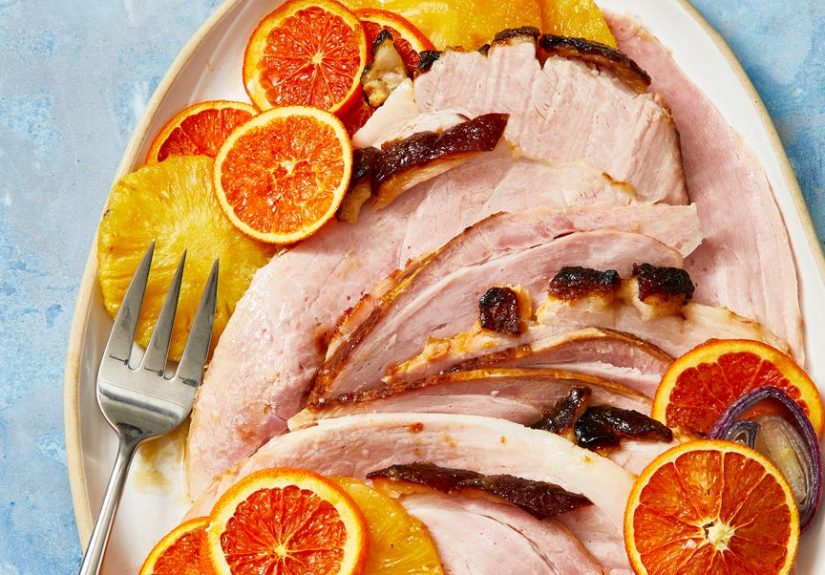
For the classic look, attach pineapple rings to the outside of the ham during the final glazing stage. Place a maraschino cherry in the center of each ring and secure with toothpicks. This style is charming, nostalgic, and slightly theatrical in the best way. It says, “Yes, I made dinner, and yes, it has accessories.”
If you prefer a more modern presentation, skip the cherries and serve the ham with roasted pineapple wedges on the side. You can also spoon warm glaze over the carved slices just before serving. A sprinkle of fresh parsley adds color, although nobody has ever loved ham because of parsley. It is there to look pretty and mind its business.
Tips for Juicy, Flavorful Pineapple-Glazed Ham
Do Not Overheat the Ham
The most common mistake when making pineapple glazed ham is cooking it too long. Remember, a fully cooked ham is already cooked. You are reheating it gently and adding flavor. A thermometer is more reliable than guessing based on time, because ham size, shape, and oven performance can vary.
Keep It Covered at First
Foil is your friend. Covering the ham traps moisture and keeps the slices from drying out. Save the uncovered baking for the final glaze stage, when you want caramelization and shine.
Balance Sweetness with Tang
Pineapple and brown sugar are delicious, but too much sweetness can make the ham taste flat. Dijon mustard and apple cider vinegar add contrast. You can also add a small squeeze of lemon juice if the glaze tastes too sweet.
Glaze Late, Not Early
Because sugar burns, glaze the ham during the final 30 to 45 minutes of cooking. Multiple thin layers create a better finish than one heavy layer. This technique gives you that glossy, sticky, holiday-card-worthy surface without bitter burnt spots.
What to Serve with Pineapple-Glazed Ham
Pineapple-glazed ham pairs beautifully with classic sides. For a holiday table, serve it with creamy mashed potatoes, scalloped potatoes, roasted carrots, green beans, deviled eggs, dinner rolls, macaroni and cheese, or a crisp salad. The sweet and salty ham also works well with tangy sides like coleslaw, pickled onions, or mustardy potato salad.
If you want a lighter plate, try roasted asparagus, sautéed green beans, or a citrus salad. Pineapple glazed spiral ham is rich, so fresh and bright sides help keep the meal balanced. For a casual dinner, serve slices on soft rolls with a little extra glaze or mustard. That sandwich may not win a beauty contest, but it will absolutely disappear.
How to Store and Reheat Leftover Ham
Let leftover ham cool, then store it in airtight containers in the refrigerator. Use leftovers within 3 to 4 days for best quality and safety. For longer storage, freeze sliced ham in meal-size portions. Add a little glaze or cooking liquid before freezing to help protect the texture.
To reheat, place slices in a covered baking dish with a spoonful of water, pineapple juice, or leftover glaze. Warm gently in a 300°F oven until heated through. You can also reheat individual slices in a skillet over low heat. Avoid blasting ham in the microwave for too long, unless your goal is to create salty roofing shingles.
Best Ways to Use Leftover Pineapple-Glazed Ham
Leftover pineapple-glazed ham is a gift to future you. Dice it into omelets, add it to fried rice, tuck it into grilled cheese, stir it into split pea soup, or layer it into breakfast casseroles. It is also excellent in ham sliders with Swiss cheese and mustard. The pineapple glaze brings enough sweetness that even simple leftovers taste special.
For an easy next-day meal, chop ham and sauté it with leftover roasted vegetables. Add rice or potatoes, then finish with a spoonful of extra glaze. You get a fast dinner with holiday flavor and very little effort. That is the kind of kitchen math everyone can support.
Common Pineapple-Glazed Ham Mistakes
Using the Glaze Packet Without Adjusting It
Many hams come with a glaze packet, but homemade pineapple glaze tastes fresher and gives you more control. If you want to use the packet, consider adding pineapple juice, Dijon mustard, and a splash of vinegar to improve the balance.
Skipping the Thermometer
Time estimates are helpful, but temperature tells the truth. An instant-read thermometer prevents overcooking and gives you confidence that the ham is properly reheated.
Pouring All the Glaze on at Once
A giant flood of glaze can slide off the ham and burn in the pan. Brush it on in stages. Thin layers build flavor and create a better finish.
Carving Immediately
Let the ham rest before serving. Even spiral ham benefits from a short rest because it helps the slices stay juicy and easier to handle.
Flavor Variations for Pineapple Ham Glaze
Once you master the basic pineapple brown sugar ham glaze, you can adjust it to fit your menu. For a spicier version, add a pinch of cayenne or a few dashes of mild hot sauce. For a citrusy version, add orange zest or a tablespoon of orange juice. For a deeper savory flavor, add a teaspoon of soy sauce. For a classic holiday aroma, increase the cinnamon slightly and add a tiny pinch of allspice.
Keep the balance in mind: sweet, tangy, salty, and warm. If one flavor gets too loud, the others should politely bring it back to the table.
Experience Notes: What Making Pineapple-Glazed Ham Teaches You
Making the best pineapple-glazed ham is less about complicated cooking and more about timing, patience, and understanding what the ham needs. The first time many home cooks make ham, they treat it like a roast that needs hours of aggressive heat. That usually leads to dry slices and a glaze that looks more tired than festive. The better approach is gentle reheating followed by confident glazing at the end.
One useful experience is learning how the glaze changes as it simmers. At first, the mixture looks thin and unimpressive, like sweet pineapple tea. Then the brown sugar dissolves, the bubbles become slower, and the glaze starts to cling to the spoon. That moment matters. A glaze that is slightly reduced will brush onto the ham instead of running straight into the pan. But if you reduce it too far, it can become sticky before it even reaches the oven. The sweet spot is glossy, pourable, and just thick enough to coat.
Another lesson is that pineapple glazed ham rewards restraint. It is tempting to add more sugar, more honey, more pineapple, and more decorations because holiday cooking has a way of whispering, “Be dramatic.” But the best ham is balanced. Too much sugar hides the smoky flavor of the meat. Too much mustard can become sharp. Too many spices can make the glaze taste heavy. A great pineapple ham glaze should enhance the ham, not bury it under a tropical candy blanket.
The serving experience also matters. Ham is often made for gatherings, which means timing can get chaotic. Someone is late. Someone brought a side dish that needs the oven. Someone is standing in the kitchen asking where the serving spoon is while holding the serving spoon. Luckily, pineapple-glazed ham is forgiving. It can rest longer than many meats, and it still tastes wonderful warm or at room temperature. That makes it one of the easiest main dishes for holidays and family meals.
Leftovers may be the most underrated part of the whole experience. A good pineapple-glazed ham turns into several meals without feeling repetitive. The sweet-savory flavor works in breakfast, lunch, and dinner. Thin slices make excellent sandwiches. Diced ham brings instant flavor to eggs, potatoes, soups, and casseroles. Even the bone, if you use bone-in ham, can be saved for beans or soup. That is not just cooking; that is meal planning wearing a holiday outfit.
Finally, pineapple-glazed ham has a nostalgic quality. It feels familiar even when you update the glaze with Dijon, vinegar, or a little garlic. The pineapple rings, the shiny crust, the sweet aroma from the oven, and the first slice on the platter all create the kind of meal people remember. It is not fussy, but it feels generous. It is not difficult, but it looks impressive. And when the glaze catches the light just right, you may briefly feel like the ruler of your kitchen. Honestly, enjoy that moment. You earned it.
Conclusion
The best pineapple-glazed ham is juicy, glossy, balanced, and far easier than it looks. Start with a fully cooked ham, warm it gently under foil, simmer a pineapple brown sugar glaze with mustard and vinegar, then brush it on in layers near the end. That simple method gives you tender slices, caramelized edges, and a holiday centerpiece that tastes like comfort with a tropical wink.
Whether you serve it for Easter, Christmas, Thanksgiving, Sunday dinner, or a family gathering that needs a little edible drama, pineapple glazed ham delivers. It is classic, flexible, and friendly to leftovers. Most importantly, it makes the table feel special without making the cook feel like they need a nap before dessert.