Table of Contents >> Show >> Hide
- Before You Go Full “Ant Apocalypse”: Know What You’re Fighting
- 20 Safe Ways to Kill Ants (and Keep Them from Reappearing)
- 1) Do a “crumb audit” like you’re hosting a food inspector
- 2) Lock down food like it’s in witness protection
- 3) Remove water sources (ants are thirsty little overachievers)
- 4) Pick up pet bowls and feed at set times
- 5) Take out trash like it’s your least favorite roommate
- 6) Vacuum ant trails, then wipe with soapy water
- 7) Break the trail with a 50/50 vinegar-and-water wipe
- 8) Seal entry points with caulk (yes, even that tiny crack)
- 9) Add door sweeps and weather stripping
- 10) Trim “ant bridges” outside
- 11) Use commercial ant bait stations (the safe MVP)
- 12) Try gel bait for tight spots and trail edges
- 13) DIY sugar bait with borax (use carefully)
- 14) DIY protein bait for “grease ants”
- 15) Use food-grade diatomaceous earth (DE) as a barrier
- 16) Use a simple soap-and-water spray for instant takedowns
- 17) Try a “sticky trap checkpoint” near trails
- 18) Make a petroleum jelly (or tape) “no-cross zone”
- 19) Use essential oils as deterrents (peppermint/citrus), with pet caution
- 20) Treat outdoor nests safelyonly when you’re sure where the nest is
- What Not to Do (Unless You Enjoy Making Ants Stronger)
- When to Hire a Pro (and Why It’s Not “Giving Up”)
- A Simple 7-Day Ant Plan (Low Drama, High Success)
- Conclusion: Win the War, Not the One Battle on Your Counter
- of Real-World “Ant Experiences” (So You Don’t Have to Learn the Hard Way)
- Experience #1: “I cleaned… and the ants came back an hour later.”
- Experience #2: “They ignored my bait like it was a salad.”
- Experience #3: “Spray worked instantly… and then it got worse.”
- Experience #4: “We fixed the ants… but they returned every rainy week.”
- Experience #5: “It wasn’t just ants. It was a home issue.”
- SEO Tags
Ants are tiny. Your patience is not. One minute you’re minding your business, the next you’ve got a six-legged conga line
headed straight for the dog bowl like it’s a buffet with free valet parking.
The good news: you can usually get rid of ants safely without turning your kitchen into a chemistry lab.
The even better news: the most effective approach is also the least dramaticclean, block, bait, and repeat.
This guide walks through 20 safer, practical ways to kill ants and stop them from coming back, plus the moment when it’s
smarter (and cheaper in the long run) to call a professional.
Before You Go Full “Ant Apocalypse”: Know What You’re Fighting
Most indoor ant invasions are foraging problems, not “ants moved in and now they pay rent” problems.
Worker ants scout for food and water, lay down scent trails, and invite their friendsbecause ants have group chats and
they actually use them.
Quick ID clues that change what works
- Small “sugar ants” in kitchens/pantries: usually chasing sweets, crumbs, and sticky spills.
- Grease-loving ants near trash, pet food, or stovetops: often prefer protein/fat-based baits.
- Large ants or sawdust-like debris near wood: possible carpenter ants (higher stakes).
- Ants that sting (especially outdoors): could involve fire ants (treat cautiously and consider a pro).
In most homes, the safest “big picture” strategy is Integrated Pest Management (IPM):
remove what attracts ants, block entry, and use targeted baits so the colony collapseswithout spraying everything that
sits still.
20 Safe Ways to Kill Ants (and Keep Them from Reappearing)
These methods are listed in a smart order: start with low-risk, high-impact steps, then add targeted kill strategies.
You don’t need to do all 20just the ones that match your situation.
-
1) Do a “crumb audit” like you’re hosting a food inspector
Ants don’t need a full sandwich. They need one sticky fingerprint of jelly behind the toaster.
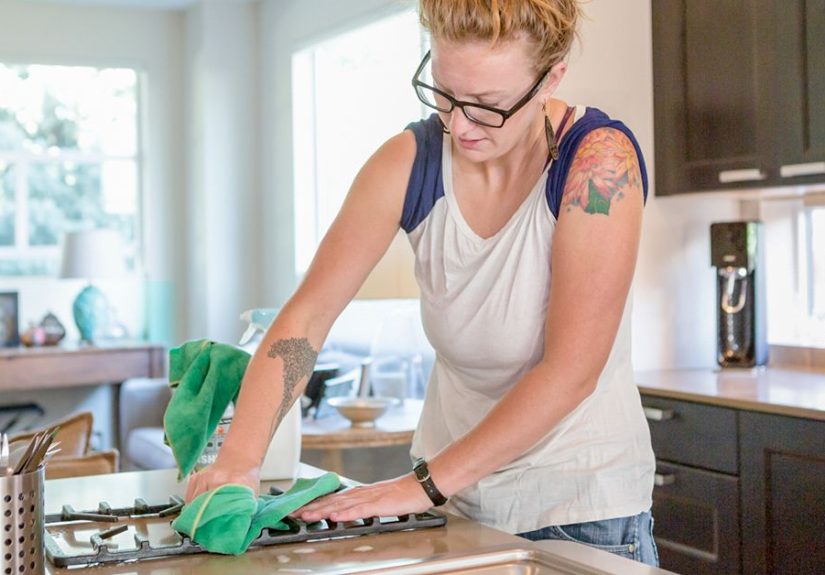
Wipe counters, sweep/vacuum floors, and clean under small appliances.Why it works: fewer food cues = fewer scouts = fewer trails.
-
2) Lock down food like it’s in witness protection
Use airtight containers for cereal, sugar, flour, pet treats, and anything remotely snackable.
Ants can sniff out tiny residues inside flimsy packaging.Bonus: this also protects against pantry moths and the existential dread of stale crackers.
-
3) Remove water sources (ants are thirsty little overachievers)
Fix drips, wipe sinks at night, and don’t leave wet sponges lounging like they own the place.
If you have a humid basement, run a dehumidifier.Best for: ants consistently showing up near bathrooms, sinks, or HVAC condensation.
-
4) Pick up pet bowls and feed at set times
Leaving kibble out 24/7 is basically running a 24/7 ant diner.
Serve meals, then wash bowls and wipe the floor. -
5) Take out trash like it’s your least favorite roommate
Use a bin with a tight lid, rinse recyclables, and clean the inside of the can occasionally.
A little sticky soda at the bottom is an ant nightclub. -
6) Vacuum ant trails, then wipe with soapy water
Vacuuming removes live ants and crumbs. Follow up with warm soapy water to help erase scent trails.
Safety note: low-risk, kid- and pet-friendly.
-
7) Break the trail with a 50/50 vinegar-and-water wipe
Vinegar can help mask the pheromone trail ants use like GPS.
Spray/wipe along the trail and entry points (test on stone or delicate surfaces first).Best for: “I keep seeing a marching line in the same exact spot.”
-
8) Seal entry points with caulk (yes, even that tiny crack)
Look for gaps around baseboards, pipes under sinks, window frames, and where cabinets meet walls.
Seal with caulk or appropriate filler.Why it’s huge: you can’t out-bait a wide-open ant freeway.
-
9) Add door sweeps and weather stripping
Ants can enter through the same gaps that let in drafts and dust.
A $10 door sweep can do more than a $100 pile of sprays. -
10) Trim “ant bridges” outside
Branches, shrubs, and vines touching the home can act like on-ramps.
Trim vegetation back and avoid mulch piled against siding.Best for: ants appearing in upper rooms or near windows.
-
11) Use commercial ant bait stations (the safe MVP)
Baits attract worker ants, who carry food back to the colonyeventually reducing the population at the source.
Place bait near trails but out of reach of kids and pets, and follow label directions.Important: don’t spray repellent insecticide near the bait, or ants may avoid it.
-
12) Try gel bait for tight spots and trail edges
Gel baits can be placed in small dots near entry points or along trailsagain, where children and pets can’t access.
This can be especially helpful when ants aren’t interested in bait stations. -
13) DIY sugar bait with borax (use carefully)
Many common house ants love sweets. A slow-acting borax-and-sugar bait can work by letting workers share it back at the nest.
Mix a small amount of borax with sugar and warm water, soak cotton balls, and place them in a covered container with tiny access holes.Safety note: borax is not candy. Keep it inaccessible to children and pets and don’t place it on food surfaces.
If you can’t keep it secured, skip DIY and use enclosed commercial baits. -
14) DIY protein bait for “grease ants”
If ants ignore sweet bait, they may prefer protein/fat.
Try a very small amount of peanut butter mixed with a measured, cautious borax solution in a secure bait container.Rule: match the bait to the ant’s menu, or they’ll leave you on read.
-
15) Use food-grade diatomaceous earth (DE) as a barrier
DE can damage insects’ exoskeletons as they cross it. Apply a thin, dry line in wall voids, behind baseboards, or along entry points.
Keep it dry for effectiveness.Safety note: use food-grade DE, avoid creating dust, and keep it away from where kids/pets can kick it up.
-
16) Use a simple soap-and-water spray for instant takedowns
A few drops of dish soap in water can kill ants on contact by disrupting their outer coating.
This is great for the “right now” problem while baits work on the colony.Best for: countertop rush-hour traffic you want gone in 30 seconds.
-
17) Try a “sticky trap checkpoint” near trails
Non-toxic sticky traps can catch foragers and help you identify where ants are traveling.
Place along baseboards or under sinks.Bonus: it doubles as a scouting tool for entry points.
-
18) Make a petroleum jelly (or tape) “no-cross zone”
For a temporary barrier, apply a thin line of petroleum jelly around small entry points or use double-sided tape on a ledge.
Ants struggle to cross it.Best for: stopping a trail long enough to clean and place bait correctly.
-
19) Use essential oils as deterrents (peppermint/citrus), with pet caution
Some homeowners use diluted peppermint or citrus oil to discourage trails.
Wipe along baseboards and entry points (spot-test surfaces).Safety note: essential oils can be irritating and some are unsafe for pets (especially cats).
If you have pets that lick floors or rub along baseboards, choose soap/vinegar and physical exclusion instead. -
20) Treat outdoor nests safelyonly when you’re sure where the nest is
If you locate an outdoor nest (not inside walls), targeted outdoor ant baits can reduce colonies over time.
For fire ants specifically, broadcast bait approaches are commonly recommended in regions where they’re established.Safety note: follow label directions, keep kids/pets away during application, and avoid DIY “gasoline/bleach” myths (dangerous and illegal in many places).
What Not to Do (Unless You Enjoy Making Ants Stronger)
-
Don’t spray repellent insecticide over bait.
You can accidentally “teach” ants to avoid the area while the colony keeps thriving elsewhere. -
Don’t rely on random powders everywhere.
A little in the right place can help; a blizzard across your kitchen is messy and less effective. -
Don’t ignore moisture and entry points.
If ants have a reliable water source and an open crack, your bait is doing cardio for nothing.
When to Hire a Pro (and Why It’s Not “Giving Up”)
DIY works best for small, straightforward foraging problems. But sometimes ants aren’t just visitingthey’re
running a serious operation. Call a licensed pest professional when:
You should strongly consider professional help if…
-
You suspect carpenter ants.
Signs can include large ants, activity near damp/rotting wood, or piles of wood shavings-like debris.
Carpenter ants can nest inside structural wood and may indicate moisture problems. -
You’re seeing ants in multiple rooms with no obvious trail.
That can suggest multiple entry points or a larger, established infestation. -
DIY baiting hasn’t reduced activity after 10–14 days.
You may be using the wrong bait type for the speciesor the nest is in a hard-to-reach location. -
Anyone in the home is highly sensitive to stings or chemicals.
Pros can use targeted strategies that minimize exposure and can advise on safer placement. -
You have fire ants, frequent stings, or outdoor colonies near high-traffic areas.
Fire ants can be a medical issue, especially for kids, older adults, and anyone with allergies. -
You find ants coming from wall voids, outlets, or behind built-ins.
Treating structural voids safely can be tricky, and moisture/rot issues may need evaluation.
What a good pro typically does (so you know what you’re paying for)
- Species/behavior ID (so the bait matches the ant’s diet)
- Inspection for moisture issues, nesting sites, and entry points
- Targeted baiting and non-repellent options where appropriate
- Exclusion recommendations (caulk, sweeps, repairs) to prevent repeats
A Simple 7-Day Ant Plan (Low Drama, High Success)
- Day 1: Clean thoroughly, remove food/water attractants, and wipe trails.
- Day 1–2: Identify entry points; seal what you can immediately.
- Day 2: Place the right bait near trails (sweet or protein-based), out of reach.
- Days 3–7: Don’t spray near bait. Keep cleaning. Replace bait if it dries out or gets ignored.
- Day 7: If activity is unchanged, reassess bait type or consider a professional inspection.
Conclusion: Win the War, Not the One Battle on Your Counter
The safest, most reliable way to kill ants is also the least exciting: remove what they want, block how they get in,
and use baits so the colony collapses instead of simply relocating. For most homes, that combination beats “spray and pray”
every time. And when the problem points to carpenter ants, fire ants, wall-void nests, or a repeat invasion you can’t crack,
hiring a pro isn’t defeatit’s strategy.
of Real-World “Ant Experiences” (So You Don’t Have to Learn the Hard Way)
Homeowners tend to run into the same handful of ant storylinesalmost like ants are reading from a script. Here are common
experiences people report, and the practical lesson hidden inside each one.
Experience #1: “I cleaned… and the ants came back an hour later.”
This usually happens when cleaning removes the visible ants but not the trail and not the why. The trail is
basically an invisible neon sign that says “FREE SNACKS THIS WAY.” People often wipe the counter and feel victorious, but the
trail remains on the baseboard, the cabinet hinge, or the tiny gap under the sink. The fix is boring but powerful:
vacuum the trail, wipe it with soapy water or vinegar solution, and then hunt for the entry point like you’re playing a
low-stakes detective in slippers. Seal that crack, and suddenly your cleaning “sticks.”
Experience #2: “They ignored my bait like it was a salad.”
Ants don’t eat the same thing all the time. Many people set a sweet bait and wonder why nothing happensthen discover the
ants were raiding pet food, grease splatter, or protein scraps. This is where switching bait types helps. If ants walk past
sweet bait repeatedly, try a protein/fat-based bait option. The most frustrating part is that ants can make this feel
personal, but it’s just their diet preference. The lesson: the best bait is the one ants actually take.
Experience #3: “Spray worked instantly… and then it got worse.”
Instant-kill sprays can wipe out the foragers you see, which feels like winninguntil new ants appear from a different
direction. Many homeowners describe this as the infestation “spreading.” What’s happening is the colony is still alive, and
you may have disrupted trails without addressing the nest. That’s why baits (slow, unglamorous, effective) tend to produce
longer-lasting results. A smart compromise some people use: soap-and-water spray for the ants on the counter today,
bait for the colony this week.
Experience #4: “We fixed the ants… but they returned every rainy week.”
Seasonal spikes are common. Heavy rain can push ants to seek drier shelter; heat can increase foraging; drought can increase
indoor water-seeking. Homeowners who finally stop repeat invasions usually report they did two things: sealed entry points
(especially around plumbing and doors) and addressed moisture (drips, condensation, damp crawl spaces). The takeaway:
if ants keep “randomly” returning, they may be reacting to weatherand your home is the best option on the block.
Experience #5: “It wasn’t just ants. It was a home issue.”
With carpenter ants especially, people often realize the ant problem was a symptom of damp wood, a slow leak, or rot.
The most successful outcomes typically involve both pest control and a repair: fix the moisture source, replace damaged
wood, improve ventilation, then treat the ants. That’s also the moment many homeowners decide a professional inspection is
worth itbecause solving the ant problem means solving the house problem, too.