Table of Contents >> Show >> Hide
- 20 Smart Ways to Make Your Home Feel Warmer
- 1. Let the sun do the heavy lifting during the day
- 2. Close curtains the minute the sun goes down
- 3. Swap flimsy curtains for thermal or lined panels
- 4. Add temporary window insulation film
- 5. Hunt down drafts like they are hiding your paycheck
- 6. Use a door sweep or draft snake at exterior doors
- 7. Reverse your ceiling fan for winter
- 8. Put rugs and runners anywhere your feet keep filing complaints
- 9. Layer your soft furnishings like winter means business
- 10. Warm the bedroom first, because cold sheets are a character test
- 11. Move furniture away from vents, radiators, and sunny windows
- 12. Keep interior doors strategic, not random
- 13. Seal and insulate accessible ducts
- 14. Check the fireplace damper when the fireplace is not in use
- 15. Use a humidifier carefully and keep indoor humidity balanced
- 16. Insulate the water heater and hot water pipes
- 17. Keep vents open and unobstructed in the rooms you use most
- 18. Cook, bake, and simmer strategically, but never use the oven as a heater
- 19. Use warm lighting and richer colors to create a warmer feel
- 20. Build a “cozy core” instead of trying to warm every inch equally
- Which Home-Warming Tricks Matter Most?
- Mistakes That Make a House Feel Colder
- Real-Life Experience: What These Tricks Feel Like Day to Day
- Conclusion
- SEO Tags
When the house feels chilly, most people march straight to the thermostat like it owes them money. But before you crank the heat and watch your utility bill start doing gymnastics, try a smarter move: keep the warmth you already have, capture a little free heat, and make your rooms feel cozier on purpose.
The good news is that learning how to warm up your home without touching the thermostat is less about suffering through winter in three sweaters and more about outsmarting drafts, cold floors, and underperforming rooms. A few small changes can make your home feel dramatically warmer, even if the actual temperature barely changes.
Below are 20 practical, realistic, and budget-friendly ways to make your house warmer in winter. Some are quick weekend fixes. Some are cozy styling tricks. Some are the kind of home-maintenance moves your future self will thank you for in January.
20 Smart Ways to Make Your Home Feel Warmer
1. Let the sun do the heavy lifting during the day
Free heat is still the best kind of heat. If you have sun-facing windows, open your curtains or blinds during daylight hours and let natural sunlight pour in. Even a cold winter day can give your living room a nice boost if the sun hits the space directly. Think of it as passive solar heating without the engineering degree.
2. Close curtains the minute the sun goes down
Windows are beautiful, but in winter they can act like polite little escape routes for your indoor heat. Once evening rolls in, close the curtains to help trap warmth inside. This works especially well in bedrooms and living rooms where heat tends to drift away at night.
3. Swap flimsy curtains for thermal or lined panels
If your current curtains are more decorative than functional, it may be time for an upgrade. Thermal curtains, blackout panels, and heavily lined drapes add another barrier between your room and the cold glass. Bonus: they also make a room feel softer, quieter, and more intentionally cozy.
4. Add temporary window insulation film
For drafty windows, especially older ones, a clear insulation film kit can make a surprising difference. It creates an extra layer that helps reduce heat loss without blocking light. It is not glamorous, but neither is shivering beside a window that feels like it is trying to become an outdoor patio.
5. Hunt down drafts like they are hiding your paycheck
Cold air sneaks in around doors, windows, baseboards, attic hatches, plumbing penetrations, and wiring gaps. Run your hand around these spots on a windy day. If it feels chilly, seal it. Weatherstripping, caulk, and foam gaskets are inexpensive fixes that can make a room feel more stable and comfortable fast.
6. Use a door sweep or draft snake at exterior doors
That gap under the front or back door may look tiny, but it can leak a lot of cold air. A door sweep, draft stopper, or even a well-made fabric draft snake can block that chill. It is one of the quickest upgrades on this list and one of the least dramatic financially. Your wallet gets to remain calm.
7. Reverse your ceiling fan for winter
Yes, your ceiling fan has a winter setting, and no, it is not just there for decoration. Switch the blade direction so it spins clockwise on low speed. This helps push warm air that has collected near the ceiling back down into the room. Warm air rises. Your comfort should not have to rise with it.
8. Put rugs and runners anywhere your feet keep filing complaints
Cold floors can make an entire room feel colder than it really is. Area rugs, runners, and carpet layers add literal insulation and visual warmth. This matters most over hardwood, tile, vinyl, or concrete floors. If your toes are unhappy, the rest of you usually follows.
9. Layer your soft furnishings like winter means business
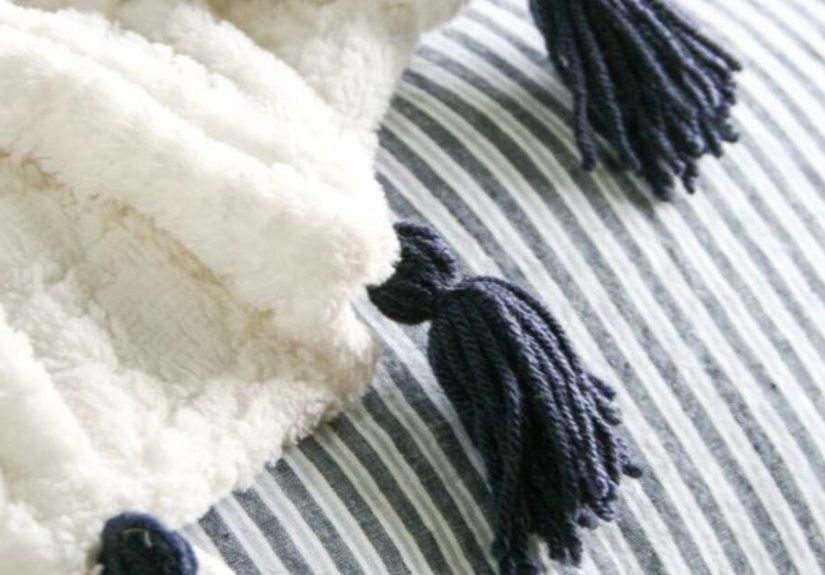
Throws, heavier bedding, textured pillows, upholstered ottomans, and fabric-covered surfaces do more than look cozy. They help a space feel less stark and less echoey, which changes the way a room is experienced. A leather sofa in winter can feel sleek but chilly. Add a chunky knit blanket and suddenly it becomes invitation furniture.
10. Warm the bedroom first, because cold sheets are a character test
Flannel sheets, a heavier duvet, layered blankets, and a mattress pad can transform nighttime comfort. If the bedroom feels warmer, the whole house seems less punishing. This is also one of the easiest ways to reduce the urge to touch the thermostat before bed or first thing in the morning.
11. Move furniture away from vents, radiators, and sunny windows
If a sofa is blocking a vent or a bookshelf is parked in front of a radiator, you are basically paying to heat the furniture. Rearranging the room can help warm air circulate where people actually sit. The same goes for heavy furniture placed in front of a sunny window: do not let your favorite chair steal all the daylight from the rest of the room.
12. Keep interior doors strategic, not random
In winter, it helps to think in zones. Close off rooms you rarely use so you are not trying to make the entire house feel equally cozy at all times. In open floor plans, even hanging a heavy curtain over a wide doorway or open arch can help hold warmth where you spend the most time.
13. Seal and insulate accessible ducts
If some rooms are always too cold, the problem may not be the thermostat at all. Leaky ducts in attics, basements, crawl spaces, or garages can waste heated air before it ever reaches the room. Sealing accessible ducts and the gaps around vent boots can improve comfort without asking your heating system to work harder.
14. Check the fireplace damper when the fireplace is not in use
A forgotten open damper can suck warm indoor air right up the chimney. If you have a fireplace and are not actively using it, make sure the damper is closed. If you do use the fireplace, keep it maintained and use it correctly. Cozy should not come with a side of smoke problems.
15. Use a humidifier carefully and keep indoor humidity balanced
Humid air often feels warmer than very dry air, which is one reason winter air can feel extra harsh indoors. A humidifier can help a room feel more comfortable, but moderation matters. Too much humidity can lead to condensation, musty smells, and mold issues. Aim for balance, not tropical-forest energy in your guest room.
16. Insulate the water heater and hot water pipes
This is not the flashiest tip, but it is a smart one. Insulating an electric water heater tank and exposed hot water pipes can reduce standby heat loss and help hot water stay hot longer. In real life, that means less waiting for warm water and fewer complaints from the first person who showers after everyone else.
17. Keep vents open and unobstructed in the rooms you use most
People often close vents in colder months thinking it forces more warm air elsewhere. In many homes, that backfires. Instead, make sure supply vents and return vents are open and not blocked by rugs, drapes, or furniture. Sometimes the path to a warmer room is simply letting the room participate in the heating plan.
18. Cook, bake, and simmer strategically, but never use the oven as a heater
Making soup, roasting vegetables, or baking a casserole adds some welcome warmth to the kitchen and surrounding rooms. It is one of winter’s small joys: dinner and comfort arriving at the same time. But keep the safety line bright and bold: never use your oven, grill, or stovetop as a space heater.
19. Use warm lighting and richer colors to create a warmer feel
Not every trick is about air temperature. Lamps with warm bulbs, layered lighting, wood tones, rust colors, earthy neutrals, and deeper textiles all make a space feel warmer psychologically. A room lit like a dentist’s office is never going to feel cozy, no matter how many blankets you throw at it.
20. Build a “cozy core” instead of trying to warm every inch equally
Choose one or two key zones to make extra comfortable: the sofa corner, the breakfast nook, the reading chair, the side of the bed you actually sleep on. Add a rug, lamp, throw blanket, curtains, and better seating placement. When those lived-in zones feel warm, the whole house starts to feel friendlier.
Which Home-Warming Tricks Matter Most?
If you want the biggest payoff, start with the places where heat escapes: windows, doors, ducts, and obvious drafts. That is where comfort disappears fastest. After that, work on the surfaces your body interacts with every day: floors, bedding, seating areas, and lighting.
In other words, the best winter comfort strategy has two parts. First, stop heat loss. Second, make the rooms feel warmer through texture, layout, and targeted comfort. One part is building science. The other part is common sense with a blanket.
A simple example: imagine a living room with drafty windows, bare floors, thin curtains, and a sofa shoved over a vent. You could leave the thermostat alone and still make that room feel much warmer by adding a rug, thermal curtains, a draft stopper, rearranging the furniture, and letting in sun during the day. None of those changes are dramatic on their own. Together, they are the difference between “Why is this room freezing?” and “Actually, this is kind of nice.”
Mistakes That Make a House Feel Colder
Sometimes the issue is not what you are missing, but what you are accidentally doing wrong. Blocking vents, leaving curtains open after dark, ignoring leaks around attic hatches, and forgetting to reverse ceiling fans are all common winter mistakes. So is focusing only on air temperature while ignoring cold floors, cold beds, and cold seating areas.
Another big one: trying to heat the whole house evenly when your family uses only a few rooms most of the day. A better plan is to improve comfort where life actually happens. The home office, living room, kitchen, and bedroom deserve the first round of upgrades. The formal dining room that gets used twice a year can wait its turn.
Real-Life Experience: What These Tricks Feel Like Day to Day
The interesting thing about warming up your home without touching the thermostat is that most of the improvement does not arrive with fireworks. It shows up in quieter, more satisfying ways. You notice that your living room no longer has that cold stripe across the floor near the window. You stop avoiding the chair by the door because it no longer feels like a bus stop in February. The bedroom feels less hostile at 6:30 in the morning. Even the hallway seems less dramatic.
One of the biggest real-life changes is that the house starts feeling more even. Before making these small fixes, many people live with a weird indoor map of temperatures: the sofa is fine, the kitchen is okay if the oven is on, the bedroom is an ice cave, and the bathroom feels like a personal betrayal. Once you add rugs, seal drafts, adjust the fan, and use better curtains, those temperature swings start calming down. The home does not necessarily become tropical. It just stops feeling unpredictable.
There is also a psychological shift. Warmth is not only about degrees on a thermostat display. A room with layered light, thick curtains, soft bedding, and a rug underfoot simply reads as warmer to the brain. That matters. It changes how long you want to stay in the room, how relaxed you feel, and whether the space invites you in or dares you to leave. Winter comfort is sensory. It is the difference between sitting stiffly on a couch and actually settling in with a book.
These tips also tend to improve routines you do not think about until winter hits. Getting dressed in a warmer bedroom is easier. Making coffee in a kitchen that is not drafty feels nicer. Walking barefoot for five seconds without regretting all your life choices feels like luxury. Even guests notice it. They may not say, “Ah yes, excellent air sealing strategy,” but they will say, “Your place feels so cozy.” That is the medal ceremony for all this work.
And perhaps the best part is that many of these changes continue paying off. Thermal curtains still help next winter. Draft sealing keeps doing its job quietly. Rugs remain useful. Better duct sealing improves comfort beyond a single season. So while these ideas are perfect for cold months, they are not disposable tricks. They are upgrades to the way your home functions and feels.
In the end, the experience is less about chasing heat and more about holding onto comfort. You are not trying to bully winter into submission. You are simply making your house better at being on your side.
Conclusion
If you want to keep your house warm in winter without touching the thermostat, the smartest approach is a layered one. Capture sunlight. Stop drafts. Insulate the weak spots. Use rugs, curtains, bedding, and lighting to make rooms feel warmer on purpose. Focus on the spaces you actually live in, and the payoff is more comfort, better efficiency, and less temptation to wage war on the thermostat every time the weather turns rude.
The result is not just a warmer home. It is a more livable one.