Table of Contents >> Show >> Hide
- How to Build a High-Protein Vegan Plate (Without Becoming a Soybean)
- Breakfast & Brunch
- Lunch & Meal Prep
- Dinner
- 13) Black Bean & Quinoa Stuffed Peppers
- 14) Tempeh Tacos with Black Beans & Lime Slaw
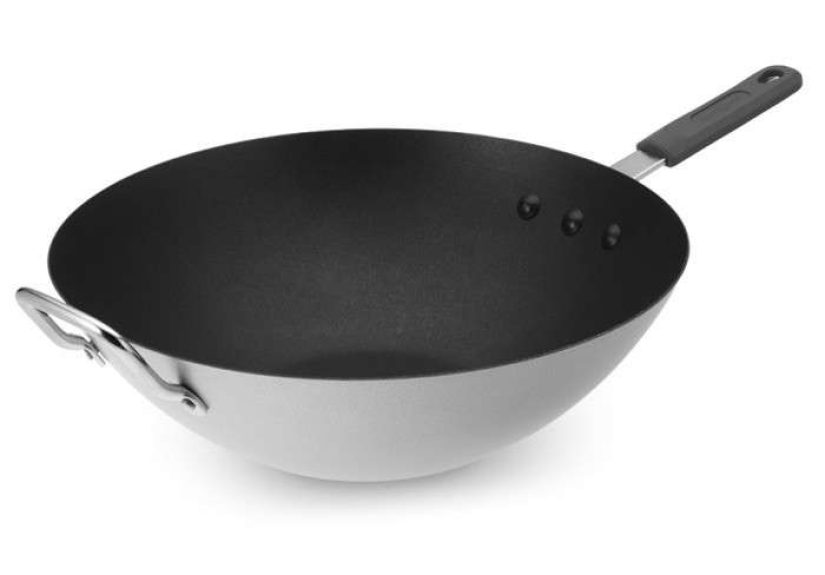
- 15) Seitan & Broccoli Stir-Fry (Takeout Energy, Home Kitchen)
- 16) Chickpea Pasta with Lentil Bolognese
- 17) Tofu & Chickpea Tikka Masala
- 18) One-Pot Red Lentil Chili
- 19) Creamy “Marry Me” Tofu with Sun-Dried Tomatoes
- 20) Soy Curl Fajita Sheet-Pan Bowls
- Snacks & Dessert
- Real-World Cooking Experience: What Actually Helps You Stick With High-Protein Vegan Eating
- Conclusion
If you’ve ever heard “But where do you get your protein?” while holding a fork like it’s a microphone, welcome. This guide is your delicious, no-drama answer: high-protein vegan recipes that actually taste like something you’d crave on purpose. We’re talking tofu that’s crispy (not sad), beans that don’t feel like punishment, lentils that pull their weight, and sauces that deserve their own fan club.
Below you’ll find 22 protein-packed vegan mealsbreakfasts, lunches, dinners, and snackswith simple steps, smart swaps, and realistic protein boosters. (No, you don’t need to live on powder and regret.)
How to Build a High-Protein Vegan Plate (Without Becoming a Soybean)
The secret to plant-based protein isn’t one magical ingredientit’s a simple formula: pick a protein anchor, add a supporting cast, and finish with flavor that makes you forget you’re “being healthy.”
The easiest protein anchors
- Soy mains: tofu, tempeh, edamame (versatile, high-protein, and sauce-friendly).
- Legume legends: lentils, chickpeas, black beans, white beans (protein + fiber = staying power).
- Wheat/pea options: seitan, soy curls, TVP (when you want that hearty, chewy “main dish” vibe).
- Grain upgrades: quinoa, high-protein pasta (like chickpea or lentil pasta), oats.
Protein boosters that don’t scream “I’m a booster”
- Nutritional yeast for savory, cheesy vibes.
- Hemp hearts, chia, pumpkin seeds for stealth protein in bowls, oats, and salads.
- Nut butters (peanut, almond, tahini) for rich sauces that double as protein insurance.
- Pairing trick: combine legumes + whole grains (think beans + quinoa) for a more balanced amino acid profile.
Protein numbers vary by brand and portion, so the estimates below are just thatestimates. If you track macros, treat them as a helpful starting line, not a court ruling.
Breakfast & Brunch
1) Tofu Scramble Breakfast Burritos
Fluffy tofu scramble, black beans, and salsa rolled into a warm burrito that says, “Yes, I have my life together,” even if your laundry disagrees.
Protein move: tofu + beans + a sprinkle of nutritional yeast.
How: Crumble tofu, sauté with onion/peppers, turmeric, garlic, salt; fold in beans; wrap with avocado + salsa.
Estimated protein: ~22–30g per burrito (depending on tortilla + portions).
2) Peanut Butter–Chia Overnight Oats
Overnight oats are basically breakfast you outsource to your fridge. Add chia and peanut butter and it becomes a protein-forward, spoonable situation.
Protein move: soy milk + chia + hemp hearts (optional).
How: Mix oats, soy milk, chia, peanut butter, pinch of salt; refrigerate overnight; top with berries.
Estimated protein: ~18–25g per jar.
3) Chickpea Flour Veggie Omelet (Socca-Style)
Chickpea flour turns into a golden, egg-free “omelet” that’s shockingly satisfying. Think savory pancake with ambition.
Protein move: chickpea flour + sautéed veggies; add tofu feta if you’re feeling fancy.
How: Whisk chickpea flour + water + spices; pour into a skillet; add spinach, mushrooms, tomatoes; fold and serve.
Estimated protein: ~16–22g per serving.
4) High-Protein Green Smoothie (That Doesn’t Taste Like Lawn)
This one is creamy, not “compost-adjacent.” The trick is banana + nut butter + a legit protein source.
Protein move: pea/soy protein (optional) or silken tofu + hemp hearts.
How: Blend spinach, frozen banana, soy milk, nut butter, silken tofu (or protein powder), and cinnamon.
Estimated protein: ~20–35g per smoothie (depending on add-ins).
5) Tempeh “Bacon” Breakfast Sandwich
Smoky tempeh, tomato, greens, and a toasted English muffinbrunch energy without the waitlist.
Protein move: tempeh + a smear of hummus instead of mayo.
How: Slice tempeh; marinate in soy sauce, maple, smoked paprika; pan-sear; stack with lettuce + tomato + hummus.
Estimated protein: ~20–28g per sandwich.
6) Savory Lentil-Quinoa Breakfast Bowl with Tahini
If sweet breakfast isn’t your thing, this bowl is your new best friend: warm lentils, quinoa, greens, and a lemony tahini drizzle.
Protein move: lentils + quinoa = hearty base.
How: Warm cooked lentils and quinoa; toss with sautéed kale; top with tahini + lemon + garlic sauce.
Estimated protein: ~18–26g per bowl.
Lunch & Meal Prep
7) Edamame Quinoa Crunch Salad
Bright, crunchy, and meal-prep friendly. Edamame brings the protein; quinoa brings the staying power; the veggies bring the “I’m thriving” photo.
Protein move: edamame + quinoa + pumpkin seeds.
How: Toss quinoa, shelled edamame, cucumber, shredded carrots, cabbage; dress with rice vinegar + sesame + ginger.
Estimated protein: ~18–27g per serving.
8) Lentil “Tuna” Salad Wraps
Mashed lentils + crunchy celery + dill = a deli-style filling that’s weirdly addictive.
Protein move: lentils + hemp hearts (optional) for extra oomph.
How: Mash cooked lentils; mix with celery, pickles, mustard, lemon, vegan mayo; wrap with greens in a tortilla.
Estimated protein: ~17–25g per wrap.
9) Chickpea “Egg” Salad Lettuce Cups
Classic egg-salad vibes, minus the eggs, plus a little turmeric magic. Great when you want high-protein vegan food that feels snacky but is secretly a meal.
Protein move: chickpeas + tahini or tofu mayo.
How: Mash chickpeas; stir in mustard, paprika, turmeric, chopped onion; spoon into romaine leaves.
Estimated protein: ~14–20g per serving.
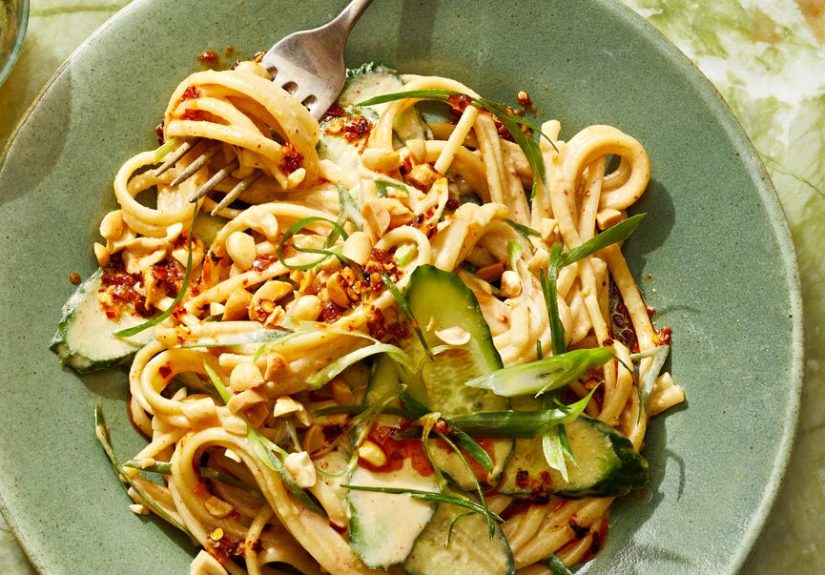
10) Peanut Soba Noodle Jars with Tofu
A mason-jar lunch that doesn’t get sad by noon. The peanut sauce doubles as flavor and protein support.
Protein move: baked tofu + peanut/tahini sauce.
How: Layer sauce, shredded veggies, soba noodles, tofu; shake when ready to eat.
Estimated protein: ~20–30g per jar.
11) White Bean “Shakshuka” with Spinach
Tomato sauce, spices, and white beans bubbling in one pancozy, bold, and perfect with crusty bread.
Protein move: white beans + extra spoon of nutritional yeast.
How: Simmer onions, garlic, crushed tomatoes, cumin, paprika; add white beans + spinach; finish with herbs.
Estimated protein: ~18–26g per serving.
12) Buffalo Chickpea & Seitan Pita
When your lunch wants to be spicy and loud (in a good way). Chickpeas bring the fiber; seitan brings the “whoa, that’s protein.”
Protein move: chickpeas + seitan strips + hummus spread.
How: Toss chickpeas and seitan with Buffalo sauce; warm; stuff into pita with lettuce and cucumber.
Estimated protein: ~25–35g per pita.
Dinner
13) Black Bean & Quinoa Stuffed Peppers
These are weeknight-friendly, freezer-friendly, and “I meal-prepped” friendly.
Protein move: black beans + quinoa + optional tofu crumble.
How: Mix cooked quinoa, beans, corn, salsa; stuff bell peppers; bake until tender; top with cilantro.
Estimated protein: ~18–28g per pepper.
14) Tempeh Tacos with Black Beans & Lime Slaw
Tempeh crumbles soak up spices like they’re trying to win an award.
Protein move: tempeh + black beans (double anchor, double satisfaction).
How: Crumble tempeh; sauté with taco seasoning; add beans; serve in tortillas with cabbage-lime slaw.
Estimated protein: ~25–35g per 2–3 tacos.
15) Seitan & Broccoli Stir-Fry (Takeout Energy, Home Kitchen)
If you want a high-protein vegan dinner that feels like takeout without the mystery oil slick, this is it.
Protein move: seitan + cashews.
How: Stir-fry broccoli; add seitan; pour in sauce (soy sauce, ginger, garlic, a little maple); finish with cashews.
Estimated protein: ~30–45g per serving.
16) Chickpea Pasta with Lentil Bolognese
Pasta night, upgraded. Lentils create that rich, meaty texture, and chickpea pasta turns it into a true protein-packed vegan meal.
Protein move: lentils + high-protein pasta.
How: Simmer onions, garlic, marinara, herbs; add cooked lentils; toss with chickpea pasta; top with nutritional yeast.
Estimated protein: ~28–40g per bowl.
17) Tofu & Chickpea Tikka Masala
Creamy, spiced, and deeply satisfyingwithout dairy, without chicken, without sadness.
Protein move: tofu cubes + chickpeas in the same sauce.
How: Sauté onion, garlic, ginger, garam masala; add tomato sauce + coconut milk; simmer with tofu + chickpeas.
Estimated protein: ~25–38g per serving.
18) One-Pot Red Lentil Chili
This chili is thick, smoky, and basically the answer to “I need dinner to hug me.”
Protein move: red lentils + beans (optional) for a heartier pot.
How: Cook onion and spices; add tomatoes, lentils, broth; simmer until thick; finish with lime and cilantro.
Estimated protein: ~20–30g per bowl.
19) Creamy “Marry Me” Tofu with Sun-Dried Tomatoes
Creamy sauce, crispy tofu, and that sun-dried tomato tang that makes you consider proposingto the skillet.
Protein move: pan-seared tofu + optional white beans stirred into the sauce.
How: Crisp tofu; sauté garlic; add sun-dried tomatoes, broth, dairy-free cream; simmer; return tofu and serve over pasta.
Estimated protein: ~25–40g per serving.
20) Soy Curl Fajita Sheet-Pan Bowls
This is “minimal effort, maximum payoff” in bowl form: smoky peppers, onions, and chewy soy curls.
Protein move: soy curls + beans (if you want the deluxe edition).
How: Rehydrate soy curls; toss with fajita spices; roast with peppers/onions; serve over brown rice with salsa and guac.
Estimated protein: ~25–40g per bowl.
Snacks & Dessert
21) Crispy Roasted Edamame + Pumpkin Seed Snack Mix
A crunchy, salty, high-protein vegan snack that travels well and disappears fast.
Protein move: edamame + pumpkin seeds.
How: Roast thawed edamame until crisp; toss with pumpkin seeds, smoked paprika, chili powder, and salt.
Estimated protein: ~12–20g per snack portion.
22) Silken Tofu Chocolate Mousse (Dessert With Benefits)
Silken tofu + cocoa becomes a smooth, rich mousse that tastes like dessert first and “wow, protein” second.
Protein move: silken tofu + peanut butter (or melted dark chocolate).
How: Blend silken tofu, cocoa, maple syrup, vanilla, pinch of salt; chill; top with berries or crushed nuts.
Estimated protein: ~12–20g per serving.
Real-World Cooking Experience: What Actually Helps You Stick With High-Protein Vegan Eating
Recipes are great. Real life is… louder. Here are the practical, lived-in tips that make plant-based high-protein meals feel easy on a Wednesday night when your brain is 90% notifications.
1) Stop asking one ingredient to do all the work. The easiest way to hit satisfying protein without obsessing is to “stack” it: tofu + beans, lentils + quinoa, tempeh + a seed-y sauce. You don’t need a mountain of any single food; you need a smart duo. This also improves texturecreamy plus chewy, hearty plus brightwhich is why the meals above don’t feel like you’re eating “nutrition.”
2) Treat sauce like a macro strategy. Peanut sauce, tahini-lemon dressing, and cashew-ish creamy sauces aren’t just flavorthey’re how you quietly add protein and calories that keep you full. If your salads feel like punishment, it’s usually not the greens’ fault. It’s the “two teaspoons of dressing” situation.
3) Make your protein prep stupid-simple. Pick one: bake tofu, pan-sear tempeh crumbles, or roast soy curls. Do it once, then use it three ways. Crispy tofu becomes: noodle jars, stir-fries, and burritos. Tempeh crumbles become: tacos, grain bowls, and pasta topper. This is the difference between “I eat high-protein vegan” and “I tried once and now I only eat toast.”
4) Fiber is the superhero and the chaos gremlin. Beans and lentils are amazing, but if you suddenly go from “mostly refined carbs” to “three cups of legumes a day,” your digestive system may file a complaint. Ease in, hydrate, and use simple tricks: rinse canned beans, cook lentils until tender, and pair them with cooked veggies (often gentler than huge raw salads). Peppermint tea and a short walk after dinner? Surprisingly helpful.
5) Use a “protein floor,” not a “protein ceiling.” Instead of trying to max out protein at every meal, aim for a baseline that keeps you satisfiedthen let the rest be flexible. A practical pattern is: a protein-anchored breakfast, a protein-forward lunch, and a dinner with a clear main (tofu/tempeh/beans/seitan). Snacks can be supportive, not stressful. When you’re consistent, you don’t need to be perfect.
6) Don’t let blandness be your reason for quitting. The biggest “vegan protein” problem isn’t proteinit’s boredom. Rotate seasoning profiles: taco spices one night, curry the next, then a sesame-ginger stir-fry. Keep three “always” condiments around (hot sauce, soy sauce, mustard) and your meals stop feeling repetitive even when your grocery list is basically beans, tofu, and “whatever vegetable was on sale.”
Bottom line: high-protein vegan eating becomes sustainable when it’s flavorful, repeatable, and forgiving. Build a couple of go-to breakfasts, two meal-prep lunches, and three dinners you can make on autopilot. The rest is just seasoning and confidence.
Conclusion
High-protein vegan cooking doesn’t have to be complicatedor joyless. With the right anchors (tofu, tempeh, lentils, beans, seitan, and edamame) and a few reliable sauces, you can build satisfying meals that support fitness goals, busy schedules, and actual cravings. Start with two recipes you’re genuinely excited to eat, repeat them until they’re effortless, then expand your rotation. Consistency beats perfection. Also: sauce beats sadness.