Table of Contents >> Show >> Hide
- Why Porch Railings Matter More Than Homeowners Think
- Classic Porch Railing Ideas That Never Go Out of Style
- Modern Porch Railing Ideas for a Clean, Updated Look
- Porch Railing Ideas That Add Texture, Warmth, and Character
- Smart Curb Appeal Moves That Make Railings Work Harder
- How to Choose the Right Porch Railing for Your Home
- Real-World Experiences: What Homeowners Notice After Upgrading a Porch Railing
- Conclusion
Your porch railing does more than keep people from performing an unplanned interpretive dance off the steps. It frames your entry, supports your home’s style, and quietly tells visitors whether your place is classic, modern, cozy, bold, or gloriously somewhere in between. In other words, the right porch railing design can do a surprising amount of heavy lifting for your curb appeal.
And that is good news, because railings are one of the easiest architectural details to upgrade without reinventing the entire front exterior. Swap skinny, dated pickets for a cleaner profile, add contrast with dark metal, introduce pattern with lattice or geometric trim, or lean into historic charm with turned balusters and decorative brackets. Suddenly the porch feels intentional, polished, and a whole lot more welcoming.
Below, you will find 22 porch railing design ideas that work across farmhouse, Craftsman, Colonial, coastal, cottage, and modern homes. Some are dramatic. Some are subtle. All of them can help your home look sharper from the street.
Why Porch Railings Matter More Than Homeowners Think
A porch railing sits at eye level, which means people notice it fast. Even when they cannot explain why one home looks better than another, they are often reacting to proportion, material, color contrast, and how neatly the railing ties the porch to the architecture. A poorly chosen railing can make a beautiful home look generic. A well-chosen one can make an ordinary porch look custom.
There is also the practical side. Railings can add privacy, define the edge of the porch, improve safety, and create a natural place for lighting, planters, and seasonal decor. If your porch is raised, local building codes may also require a guardrail, so the smartest upgrade is one that blends style with function instead of treating safety like an afterthought.
One important tip before you choose a design: match the railing to the house, not just to your Pinterest mood board. A crisp cable railing might look stunning on a modern home, but it can feel out of place on a historic Craftsman with chunky columns and warm wood trim. The best curb appeal comes from visual harmony.
Classic Porch Railing Ideas That Never Go Out of Style
1. Traditional White Balusters
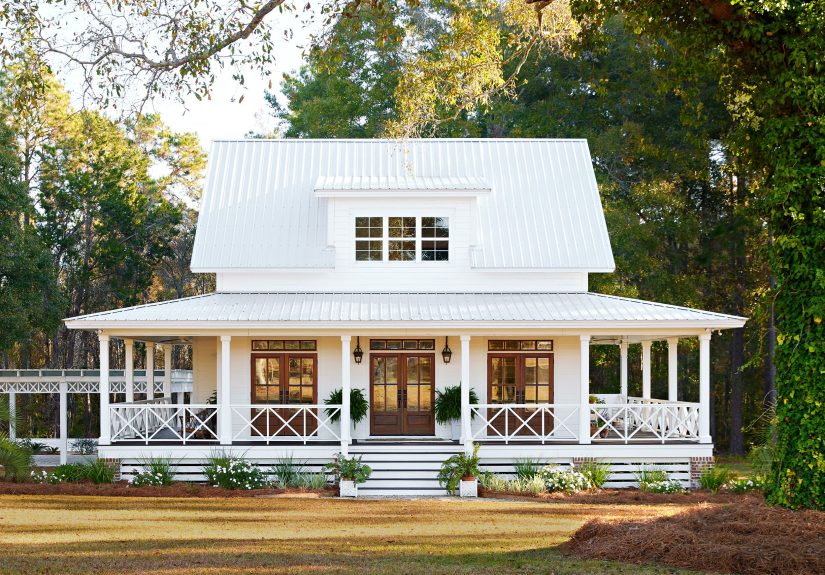
You cannot go wrong with clean white balusters on a front porch. This look feels timeless, bright, and welcoming, especially on Colonial, cottage, and farmhouse homes. Pair it with a darker floor stain or painted steps for contrast, and your porch instantly looks more tailored.
2. Turned Spindles for Vintage Charm
If your house has older bones, turned wood spindles bring back the kind of detail people associate with historic homes and storybook curb appeal. They work beautifully on Victorian, bungalow, and traditional porches where plain square balusters would feel a little too business-casual.
3. Craftsman-Style Square Balusters
For a porch with solid columns and broad trim, square balusters are a natural fit. They feel sturdy, honest, and architectural. If your home already leans Craftsman, this is one of the easiest ways to make the exterior feel consistent from the foundation to the roofline.
4. Chippendale Pattern Railings
Chippendale railings use geometric patterns that look elegant without becoming fussy. They add instant personality and work especially well on Southern-style porches, traditional homes, and houses that need a bit more decorative structure. Think of them as jewelry for the porch, only less expensive than diamonds.
5. X-Pattern Railings
An X-pattern railing gives a porch a little farmhouse energy and a little coastal attitude. It is charming, graphic, and easy to notice from the street. This design also works well when you want the railing to act as a visual feature rather than quietly disappear.
6. Gingerbread Trim Railings
If your goal is pure romantic charm, gingerbread trim is ready to earn its keep. Decorative cutouts and ornamental details can transform a plain porch into something memorable, especially on older homes. Use this idea carefully, though: too much ornament on the wrong house can look costume-y instead of classic.
Modern Porch Railing Ideas for a Clean, Updated Look
7. Black Metal Vertical Balusters
Black metal railings are the MVP of modern curb appeal. They look crisp, create contrast, and pair well with almost every exterior palette, from white siding to warm brick to natural wood. If your porch needs an instant refresh, this is one of the most reliable upgrades you can make.
8. Horizontal Slat Railings
Horizontal lines visually widen a porch, which makes smaller front entries feel bigger and more contemporary. Wood or metal slats can both work well here. Just keep the spacing code-compliant and the layout clean, because this design looks best when it feels intentional and not like someone got halfway through building a fence.
9. Cable Railings
Cable railings are sleek, minimal, and excellent for preserving a view. If your porch overlooks a garden, lake, or tree-lined yard, this style lets the scenery keep its starring role. It is especially effective on modern, mountain, and transitional homes.
10. Glass Panel Railings
For a modern luxury look, glass panel railings make a strong statement. They create openness, block wind better than cable, and help smaller porches feel less boxed in. They do require regular cleaning, so choose this option if you are comfortable spending quality time with glass cleaner and a microfiber cloth.
11. Mixed Wood-and-Metal Railings
Want warmth and edge at the same time? Combine a stained wood top rail with black metal balusters. The wood softens the look, while the metal keeps it current. This style is ideal for homeowners who want a modern update without making the porch feel cold or overly industrial.
12. Minimalist Flat-Bar Railings
Flat-bar metal railings have a clean, architectural look that works beautifully on contemporary homes. The lines are simple, the profile is slim, and the overall effect is sharp without being loud. If your exterior already features large windows, smooth siding, or simple trim, this railing style fits right in.
Porch Railing Ideas That Add Texture, Warmth, and Character
13. Natural Wood Railings
Stained wood railings bring warmth that painted systems often cannot match. Cedar and other exterior-friendly woods look especially good on cabins, Craftsman homes, rustic farmhouses, and porches surrounded by landscaping. The catch is maintenance: wood needs sealing and occasional upkeep if you want it to stay handsome instead of drifting into “weathered but not in a cool way.”
14. Wrought Iron Details
Wrought iron or iron-look railings bring old-school elegance and work especially well with brick homes, historic facades, and formal front entries. Scrollwork, spear tops, and subtle curves can all elevate the design. Just keep the detailing proportional to the house.
15. Rope or Nautical-Inspired Railings
For beach houses and coastal cottages, rope accents can bring in personality without going overboard. Use them as decorative infill or paired with wood posts for a relaxed, vacation-like vibe. This look is best when the rest of the porch also leans breezy and unfussy.
16. Hog Wire or Grid Panels
Grid-style railings made from metal mesh or hog wire panels bring farmhouse and industrial style together in a surprisingly approachable way. Framed in wood, they feel casual and custom at once. They also allow airflow and visibility, which keeps the porch feeling open.
17. Lattice-Inspired Lower Panels
Lattice-style sections can add privacy and visual interest, especially on deeper porches where you want a cozier feel. This design is a smart choice when the porch is close to the street and you want a subtle screen without shutting the space off completely.
18. Decorative Cutout Panels
If you want something a little more custom, laser-cut or decorative panels can add a bold design moment. Geometric, botanical, and abstract motifs all work depending on the home style. Used sparingly, they make the porch memorable in the best possible way.
Smart Curb Appeal Moves That Make Railings Work Harder
19. Contrasting Top Rails
A contrasting top rail can make even a simple railing system look more intentional. Think black balusters with a wood cap, white railings with a stained handrail, or dark bronze metal with a warm cedar top. That one extra layer of contrast often makes the whole porch feel more custom.
20. Built-In Railing Planters
Railing planters are a friendly little cheat code for curb appeal. They add color, soften hard lines, and give the porch a lived-in feel. Herbs, trailing flowers, and compact evergreens all work nicely. Just be sure the boxes are properly secured and do not overwhelm the architecture.
21. Integrated Railing Lighting
Small lights tucked into posts, stair rails, or the underside of a cap rail can make a porch feel polished after dark. They improve visibility and add ambiance without the glare of oversized fixtures. This is one of those details visitors notice emotionally, even if they do not say, “Wow, your post-cap lighting is excellent.”
22. Painted Railings That Echo the Front Door
If your porch needs energy, pull a color from the front door and repeat it subtly on the railing. Deep navy, muted green, charcoal, or even a warm greige can create cohesion and help the porch feel designed rather than assembled. This works especially well when the rest of the exterior is fairly neutral.
How to Choose the Right Porch Railing for Your Home
Start with architecture. A railing should feel like it belongs to the house. Farmhouse porches love simple wood, black metal, and X-pattern details. Craftsman homes look best with sturdy square lines and warm materials. Coastal homes can handle lighter, breezier details, while modern homes shine with cable, glass, or slim metal profiles.
Then think about maintenance. If you want low fuss, powder-coated aluminum, composite, and vinyl are easier to live with than natural wood. If warmth matters more than convenience, stained wood is hard to beat. If you care deeply about preserving a view, cable and glass are strong contenders. If privacy matters, lattice, decorative panels, and denser baluster patterns are worth considering.
Finally, remember the practical stuff. In many areas of the U.S., raised porches require guards, and spacing rules matter. Local code requirements can affect railing height, baluster spacing, stair details, and load performance, so always verify with your building department or contractor before committing to a design.
Real-World Experiences: What Homeowners Notice After Upgrading a Porch Railing
One of the most interesting things about porch railing upgrades is how often homeowners say the change felt bigger than expected. On paper, a railing sounds like a detail. In real life, it can completely reshape the way the front of a house reads from the street. People expect a mild improvement and then end up with a porch that suddenly looks finished, balanced, and far more expensive than it did the week before.
A very common experience is that the porch starts looking cleaner even before anyone adds furniture or decor. That is because a more thoughtful railing design creates order. Slim black balusters can make an old porch feel sharper. A chunkier Craftsman-style railing can make skinny, awkward columns look more grounded. A warm wood cap rail can soften a porch that used to feel cold and flat. The structure starts making visual sense, and once that happens, everything else on the porch looks better too.
Another thing homeowners often notice is how much the railing affects first impressions. Neighbors may not comment on your gutter guards or attic insulation, but they absolutely notice a front porch that suddenly looks welcoming. A fresh railing has a strange talent for making the whole home seem more cared for. It suggests maintenance, intention, and style all at once. That can matter emotionally if you are staying put, and financially if you are preparing to sell.
There is also a livability factor that people do not always anticipate. A porch with the right railing can feel more usable. Slightly taller or more substantial railings can make seating areas feel defined and cozy. A privacy-friendly design can make morning coffee feel less like a public performance. Rail planters and lighting can turn a pass-through entry into a space where people actually want to sit for ten minutes and breathe.
Homeowners with older houses often describe the best results when the new railing respects the age of the home instead of fighting it. Replacing ornate woodwork with something too modern can make the front elevation feel disconnected. On the other hand, restoring or echoing the original style often brings a surprising sense of harmony. Suddenly the trim, columns, steps, and front door stop competing and start acting like they have known each other for years.
For modern homes, the experience is usually the opposite but equally satisfying. Many homeowners say that simplifying the railing is what finally made the exterior click. A cluttered or bulky railing can visually interrupt clean lines. Once it is replaced with cable, glass, or slim metal, the architecture gets to breathe. The porch looks larger, the sightlines open up, and the home feels more intentional.
Budget also shapes the experience. Not everyone installs custom fabricated metal or designer glass panels, and that is completely fine. Some of the happiest upgrades come from fairly modest moves: painting an old railing crisp white, switching to black balusters, adding a stained cap rail, or incorporating planters and lighting into a straightforward design. These smaller updates often deliver the biggest bang-for-buck because they change what people see first.
The biggest lesson from real porch projects is simple: the best railing is not necessarily the fanciest one. It is the one that fits the home, suits the lifestyle, and makes the porch feel more welcoming from both the street and the front door. When that happens, curb appeal stops being a buzzword and starts becoming something you can actually feel every time you pull into the driveway.
Conclusion
The right porch railing can sharpen your home’s architecture, add safety and comfort, and make the front entry feel far more intentional. Whether you love classic white balusters, warm stained wood, bold black metal, or statement-making geometric patterns, the secret is choosing a style that fits your house and supports the way you want the porch to feel. Done well, a railing is not just a boundary. It is a frame for your home’s personality.