Table of Contents >> Show >> Hide
Some art decorates a wall. Some art decorates your conscience with a giant blinking sign that says, “Hey, maybe stop calling this normal.” The 24 uncomfortable illustrations in this roundup by Milk Dong Comics belong firmly in the second category. They do not aim to be cute, cozy, or pleasantly forgettable. They are meant to stick in your mind like a song lyric you did not ask for and now cannot un-hear.
That is exactly why they work.
These illustrations take animal cruelty out of the abstract and place it where it becomes much harder to ignore: inside familiar systems, everyday habits, and entertainment people often defend with a shrug. Instead of using graphic shock, the artist leans on symbolism, irony, and emotional contrast. A simple composition can say what a five-page policy report sometimes cannot: that animals are too often treated like products, props, or background equipment in stories humans tell themselves about convenience, profit, beauty, and fun.
And yes, that makes this collection uncomfortable. Good. It should. Comfort is rarely the goal when the subject is suffering hidden behind packaging, ticket booths, pet store windows, laboratory doors, or tourist smiles. These images do not ask viewers to panic. They ask viewers to pay attention. That is a much more dangerous request.
Who Is the Artist Behind These 24 Illustrations?
Milk Dong Comics is the pseudonymous project of artist Milk Dong, whose work has become widely known for tackling difficult subjects tied to animals, the environment, and human behavior. The illustrations are often part of a broader visual protest series that turns current issues into compact, emotionally loaded scenes. Instead of preaching from a pulpit, the artist uses visual metaphors that slip past your defenses, sit down in your brain, and refuse to leave.
That approach matters because animal cruelty is often discussed in two extremes. It is either sterilized into bland phrases like “industry practices” and “supply chains,” or pushed into outrage content so severe that people look away before they learn anything. Milk Dong’s work lives in the middle. It is accessible but not soft. Emotional but not manipulative. Clear without becoming cartoonishly simplistic, which is a rare trick in activist art and an even rarer trick on the internet, where subtlety usually gets eaten alive by the algorithm.
Why These Illustrations Hit So Hard
The brilliance of these 24 new uncomfortable illustrations is not just the message. It is the method. The artist understands that people tend to ignore cruelty when it is buried under routine. If harm looks official, profitable, legal, traditional, or “just how things are done,” many viewers mentally file it away under not my problem. These illustrations rip that label off.
They also avoid one major mistake: they do not rely on visual chaos. Instead, many of the concepts feel clean, direct, and almost quiet at first glance. That calmness is what gives the punch extra force. A cute style meets a brutal truth. A familiar animal is placed in a deeply human system. A cheerful setting is revealed to be built on suffering. It is the emotional equivalent of stepping on a Lego in the dark, except the Lego is moral accountability.
More importantly, the artwork reminds viewers that animal cruelty is not only about obvious physical violence. It also includes neglect, confinement, forced breeding, exploitative entertainment, abandonment, and the kinds of commercial practices people excuse because they are profitable or convenient. The illustrations do not just ask, “Who is hurting animals?” They ask a more awkward question: “What systems keep rewarding the people who do?”
What These 24 New Illustrations Are Really Saying
Rather than treating the collection like a simple gallery of sad images, it makes more sense to read it as a set of visual arguments. Across the 24 pieces, several messages keep resurfacing.
- Cruelty is often ordinary. It does not always look like a villain in a movie. Sometimes it looks like a purchase, a ticket, or a habit.
- Convenience has victims. Cheap products and easy entertainment can come with living costs that stay conveniently off-camera.
- Profit can sanitize almost anything. Put suffering behind a bright label, and people start calling it business.
- Factory farming turns living beings into units. The artist repeatedly points to systems where animals become numbers before they are even seen as creatures.
- Puppy mills sell affection through misery. Few things are more absurd than marketing “love” through neglect, confinement, and overbreeding.
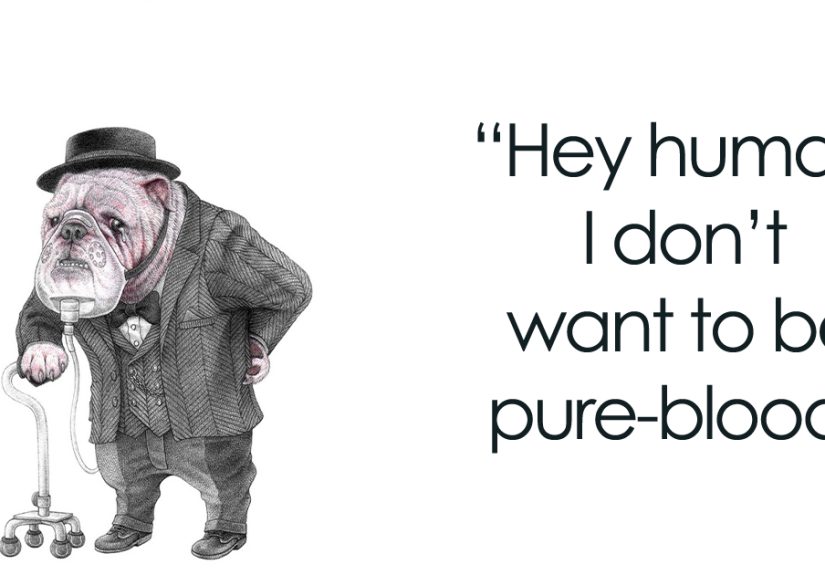
- Dogfighting and blood sports are not relics. They persist because spectators, money, and silence keep them alive.
- Captive wildlife pays for applause. Performances and close-contact attractions often ask animals to live deeply unnatural lives for human amusement.
- Marine mammals are not props with fins. The collection taps into the unease many viewers already feel about turning intelligent, social animals into attractions.
- Wildlife selfies are not always harmless. A smiling tourist photo can hide restraint, stress, and exploitation just outside the frame.
- The exotic pet fantasy is selfish. Wanting a wild animal because it looks unusual is not the same thing as being able to give it a humane life.
- Animal testing remains a moral pressure point. The art presses on the old excuse that harm becomes acceptable when it is tucked inside scientific language.
- Abandonment rarely begins on the roadside. It starts earlier, with impulse buying, poor planning, and the belief that commitment is optional.
- Neglect is cruelty too. You do not have to swing a fist to cause suffering. Indifference is often enough.
- Selective breeding can become its own form of harm. When appearance matters more than well-being, the animal ends up paying for human taste.
- Entertainment can normalize exploitation. If suffering is packaged as fun, families may consume it without even noticing what they are endorsing.
- Language hides guilt. People say “production,” “stock,” “display,” or “specimens” because those words feel cleaner than reality.
- Children learn what adults excuse. If cruelty is treated like background noise, the next generation absorbs that lesson.
- A beautiful setting can still be a prison. Fancy branding, tropical décor, and polished marketing do not erase confinement.
- Social media rewards spectacle. The more shareable the image, the easier it becomes to ignore what happened before the photo was taken.
- Rescue is necessary, but prevention matters more. Saving animals after the fact is heroic. Preventing the harm in the first place is better.
- Compassion is practical, not sentimental. Better laws, better standards, better consumer choices, and better care all count as compassion in action.
- Systemic cruelty thrives on emotional distance. The less connected people feel to the animal, the easier it becomes to justify the harm.
- Art can compress a mountain of evidence into one image. That is why illustration remains one of the sharpest tools in advocacy.
- Discomfort is the point. If these drawings leave you uneasy, they have done their job better than a thousand bland slogans ever could.
The Real-World Issues Behind the Art
What gives the series weight is that it does not come out of nowhere. The themes in these illustrations mirror real debates in animal welfare: industrial farming, high-volume breeding, organized animal fighting, captive wildlife tourism, neglect, abandonment, and the ethics of animal use in research and display. In other words, the artist is not inventing a dark fantasy world. He is simplifying a real one so viewers can finally see it without all the usual corporate fog machine effects.
That matters for SEO readers as much as for art lovers because this is where the title stops being clicky and starts being useful. A piece like this is not only about “24 new uncomfortable illustrations.” It is about why they resonate. They resonate because viewers already know, somewhere in the back of their minds, that modern cruelty often hides behind polished systems. The pet industry can market misery as companionship. Tourism can market distress as adventure. Food systems can market confinement as efficiency. Science can market ethical compromise as necessity. The artist’s job is to strip away the euphemisms and leave the emotional truth standing there in plain clothes.
That is why these illustrations are more effective than many rage posts online. Rage often burns fast and leaves nothing behind but exhaustion. Symbolic art can linger. It gives the viewer a second life for the idea. Hours later, the image returns. Days later, it changes the way someone looks at a pet shop, a marine park ad, a viral animal encounter, or a “designer” puppy listing. Once art rewires that instinctive reaction, it becomes very hard to go back to pretending everything is fine.
Why Activist Illustration Still Matters
In a world full of reports, statistics, documentaries, and breaking headlines, it might seem strange that a single drawing can still stop people in their tracks. But that is exactly the advantage. Activist illustration does not need an hour of your time. It needs a few seconds and a functioning conscience.
Milk Dong’s work proves that visual storytelling can bridge the gap between information and empathy. Facts matter. Laws matter. Investigations matter. But people often move only when information becomes emotional knowledge. When a viewer no longer thinks, “That is sad,” and instead thinks, “Wait, we built this?” that is where change begins.
And no, a comic alone will not end animal cruelty. Neither will one article, one petition, one boycott, or one very dramatic social media post typed while eating cereal at midnight. But culture shifts in layers. Art changes attention. Attention changes conversation. Conversation changes norms. Norms influence policy, industry pressure, and consumer behavior. That is not small. That is how a lot of meaningful change actually happens.
Experiences That Make This Topic Feel Uncomfortably Personal
One reason these illustrations land so hard is that many people already carry small, uncomfortable experiences related to animal cruelty, even if they have never used that phrase out loud. For a lot of animal lovers, the first moment of recognition is not dramatic. It is ordinary. It is seeing a dog left outside every day in terrible weather and realizing that neglect does not always look like a crime scene. Sometimes it looks like a neighborhood everybody has learned to ignore.
For others, the moment happens in a pet store. A puppy in a glass enclosure looks adorable for exactly three seconds, and then something feels off. The animal is too young, too tired, too anxious, or simply too much like a product on display. That strange feeling stays with people. Later, when they learn more about high-volume breeding and the puppy pipeline, the memory clicks into place. The cuteness was real, but so was the unease.
Some people remember childhood trips to places that were marketed as fun family attractions. At the time, the shows seemed exciting. The animals clapped, balanced, posed, splashed, or performed on cue. Years later, those same visitors look back and realize how bizarre it was to expect wild creatures to entertain crowds under bright lights for snacks and applause. The memory changes shape. What once felt magical starts to feel staged, and then a little sad, and then deeply troubling.
Another common experience is the moment someone sees a stray animal and understands, very quickly, how thin the line is between “beloved pet” and “forgotten problem.” A collar with no phone number. A cat darting between parked cars. A dog hovering near a convenience store because people sometimes drop food. These moments are not graphic, but they are powerful. They expose how dependent domestic animals are on human responsibility and how devastating it is when that responsibility disappears.
Then there are the digital experiences. A person scrolls past a “cute” wildlife selfie or a viral exotic-pet clip and feels a weird pause before hitting like. Why does the animal look tense? Why is a wild species being handled like a plush toy? Why does something presented as adorable feel so wrong? That hesitation matters. It is often the beginning of better judgment. Once someone notices the performance behind the image, the illusion breaks.
Perhaps the most personal experience of all is living with an animal who trusts you completely. Sharing daily life with a dog, cat, rabbit, bird, or any companion animal changes how people read these illustrations. Suddenly the issue is not theoretical. You know what fear looks like. You know what comfort looks like. You know that animals have routines, preferences, anxieties, and bonds. Once you understand that on a personal level, cruelty stops being an abstract social issue and becomes a betrayal of a relationship humans were never entitled to abuse in the first place.
That is why these illustrations do more than criticize. They awaken memory. They connect public systems to private feelings. They remind viewers that empathy is not a niche hobby for animal people. It is a measure of what kind of society we are willing to build, and what kind of excuses we are finally ready to retire.
Final Thoughts
“24 New Uncomfortable Illustrations This Artist Created About Animal Cruelty” is not the sort of title that promises a relaxing scroll, and honestly, that is part of its value. Milk Dong Comics understands a basic truth about advocacy: people rarely change because they were made comfortable. They change because something finally pierced the layer of distance that kept them feeling uninvolved.
These 24 illustrations do exactly that. They turn animal cruelty from a background issue into a moral close-up. They challenge the industries, habits, and entertainment models that depend on emotional detachment. And they do it without turning the audience away through graphic overload. That balance is hard to pull off. Here, it is pulled off with precision.
If the collection leaves viewers uneasy, reflective, and just a little less willing to excuse cruelty in polished packaging, then it has succeeded. Sometimes the most compassionate art is the kind that refuses to let us stay comfortable for very long.