Table of Contents >> Show >> Hide
- What “Healthier” Actually Means (So You’re Not Guessing)
- 25 Simple Tips for a Healthier Diet (That Don’t Feel Like Punishment)
- Use the “Half-Plate” Shortcut
- Pick Whole Fruit More Often Than Juice
- Make “Whole Grain” Your Default (Not a Special Occasion)
- Build Meals Around Protein + Fiber
- Try One Plant-Protein Meal Each Week
- Choose Seafood Sometimes (If You Eat It)
- Use Healthy Fats on Purpose
- Cut Added Sugar Without Making Life Sad
- Make Water the “Default Beverage”
- Learn the Nutrition Facts Label (It’s a Superpower)
- Watch Sodium Where It Actually Hides
- Use Herbs, Citrus, Garlic, and Spices to Replace “Salt as a Personality”
- Keep “Convenience Produce” on Hand
- Make a 10-Minute “Meal Formula” You Can Repeat
- Plan Snacks Like Mini-Meals
- Don’t Fear Frozen and Canned Foods
- Upgrade Breakfast (Without Turning It Into a Science Project)
- Choose “Mostly Minimally Processed” Most of the Time
- Make Dinner a “Balanced Anchor” Meal
- Use Portion Tools That Don’t Require Measuring Cups Forever
- Make “Half Your Grains Whole” a Weekly Challenge
- Choose Plain Yogurt and Sweeten It Yourself
- Cook at Home a Little More Often (Even “Semi-Homemade” Counts)
- Meal Prep the Parts, Not the Whole Life
- Slow Down for the First 5 Minutes of a Meal
- How to Make These Tips Stick (Even When Life Gets Messy)
- Real-Life Experiences: What These 25 Tips Look Like in the Wild (About )
- Conclusion: Your Healthier Diet Starts with One Small Win
“Eat healthier” sounds simpleuntil you’re standing in front of an open fridge like it’s a pop quiz you didn’t study for.
The good news: a healthier diet doesn’t require celebrity smoothies, mysterious powders, or the emotional betrayal of giving up flavor.
It’s mostly small, repeatable choices that add upbite by bite, week by week.
This guide gives you 25 genuinely simple healthy eating tips you can start today. No extreme rules. No “good vs. bad” food drama.
Just practical swaps, smart habits, and real-life examples that help you build a balanced diet you’ll actually want to keep.
What “Healthier” Actually Means (So You’re Not Guessing)
A healthier diet is less about perfection and more about patterns. Most nutrition guidance in the U.S. boils down to a few big ideas:
eat more fruits and vegetables, choose whole grains often, vary your protein sources, favor unsaturated fats, and keep an eye on
added sugars, sodium, and saturated fat. In other words: upgrade the overall mixnot your moral character.
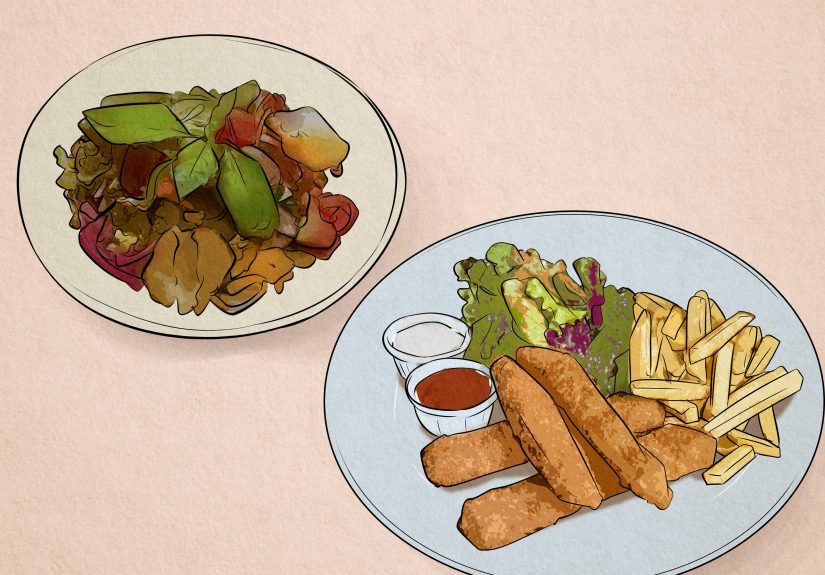
If you want a simple visual: imagine your plate as prime real estate. You want most of it rented out to nutrient-dense foods
(produce, whole grains, beans, lean proteins, healthy fats) and less of it leased to “fun extras” that sneak in lots of added sugar,
sodium, or saturated fat without giving much back.
25 Simple Tips for a Healthier Diet (That Don’t Feel Like Punishment)
-
Use the “Half-Plate” Shortcut
Make about half your plate fruits and vegetables whenever you can. It’s the easiest way to boost fiber, vitamins, and volume
without doing calorie math. Example: tacos become “healthier” fast when you add sautéed peppers, onions, and a pile of cabbage slaw. -
Pick Whole Fruit More Often Than Juice
Whole fruit comes with fiber that helps you feel satisfied. Juice is basically fruit in “speed-run” formeasy to drink fast and
easier to overdo. Try: water + citrus slices or sparkling water + a splash of 100% juice for flavor. -
Make “Whole Grain” Your Default (Not a Special Occasion)
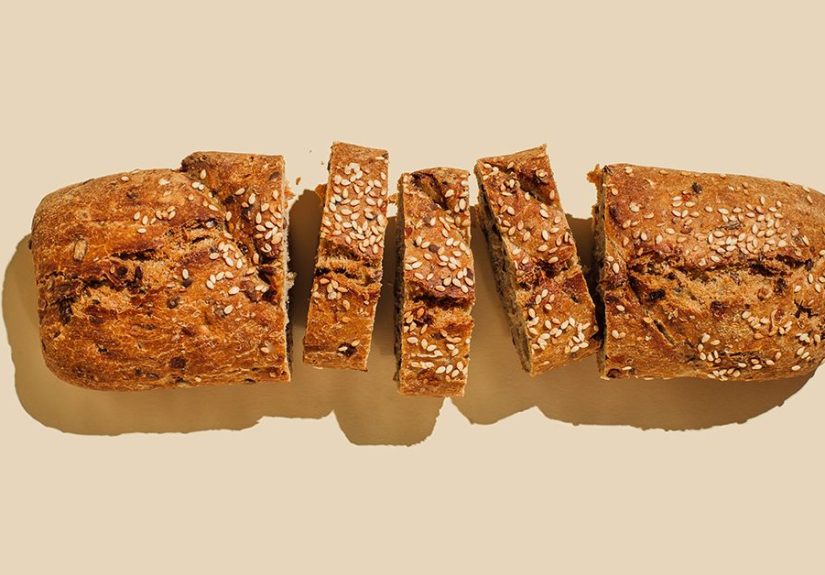
Whole grains tend to offer more fiber and micronutrients than refined grains. Start with one swap you’ll actually tolerate:
brown rice once a week, whole-wheat pasta in a sturdy sauce, or oatmeal instead of sugary cereal. -
Build Meals Around Protein + Fiber
A steady combo of protein and fiber supports fullness and more stable energy. Example: instead of crackers alone,
pair them with hummus; instead of a bagel alone, add eggs or Greek yogurt on the side. -
Try One Plant-Protein Meal Each Week
Beans, lentils, tofu, and edamame are budget-friendly and versatile. Start easy: black beans in burrito bowls,
lentil soup, chickpeas in a salad, or tofu in a stir-fry with a sauce you already love. -
Choose Seafood Sometimes (If You Eat It)
Fish and seafood can be a healthy protein choice. If fresh feels intimidating, try canned salmon or tuna,
frozen shrimp, or frozen salmon fillets. Simple win: salmon + microwave brown rice + a big salad kit. -
Use Healthy Fats on Purpose
Not all fats are the same. Favor unsaturated fats like olive, canola, soybean, sunflower oils, nuts, seeds, and avocado.
Practical tip: drizzle olive oil on roasted veggies or add chopped nuts to oatmeal. -
Cut Added Sugar Without Making Life Sad
You don’t have to swear off dessert forever. Start by spotting “stealth sugar” in drinks, flavored yogurts, sweet coffee add-ins,
and many packaged snacks. Swap: plain yogurt + fruit, or reduce sweetener in your coffee by a tiny step each week. -
Make Water the “Default Beverage”
Sugary drinks can add up quickly. Keep it simple: water at meals, and treat sweet drinks like an occasional add-on.
If plain water bores you, try iced herbal tea, citrus slices, or seltzer. -
Learn the Nutrition Facts Label (It’s a Superpower)
You don’t need to memorize everythingjust focus on a few helpful checks: serving size, added sugars, sodium, and fiber.
A quick rule of thumb many people use: 5% Daily Value is “low,” 20% is “high.” Use that to compare similar products. -
Watch Sodium Where It Actually Hides
A lot of sodium comes from packaged foods and restaurant meals (not your salt shaker). Try choosing “low sodium” broths,
rinsing canned beans, and tasting before automatically salting. -
Use Herbs, Citrus, Garlic, and Spices to Replace “Salt as a Personality”
Lemon, lime, vinegar, pepper, cumin, smoked paprika, garlic, gingerthese add big flavor without relying on sodium.
Try: lemon + pepper on chicken, or salsa + lime in bowls. -
Keep “Convenience Produce” on Hand
The healthiest food is the food you’ll actually eat. Stock easy options: bagged salads, baby carrots, frozen vegetables,
pre-cut fruit (when budget allows), or a veggie tray you’ll grab without thinking. -
Make a 10-Minute “Meal Formula” You Can Repeat
When you’re tired, decision fatigue wins. Create one fallback meal:
whole grain + protein + veggie + sauce.
Example: microwaved brown rice + rotisserie chicken + frozen broccoli + teriyaki or salsa. -
Plan Snacks Like Mini-Meals
A snack that’s just sugar tends to disappear and leave you hungrier. Aim for two-part snacks:
protein/fat + fiber. Examples: apple + peanut butter, yogurt + berries, hummus + carrots, cheese + whole-grain crackers. -
Don’t Fear Frozen and Canned Foods
Frozen vegetables and fruits are often picked at peak ripeness and can be just as nutritious as fresh.
For canned, look for low-sodium vegetables and fruit packed in water or its own juice. -
Upgrade Breakfast (Without Turning It Into a Science Project)
A balanced breakfast can help with steady energy. Easy upgrades:
add fruit to oatmeal, add eggs to toast, or add a handful of nuts to yogurt.
If you don’t like breakfast, that’s okayjust make your first meal more balanced when you do eat. -
Choose “Mostly Minimally Processed” Most of the Time
You don’t need to ban packaged foods. Just tilt the ratio toward foods closer to their original form:
oats instead of frosted cereal, potatoes you roast instead of fries every time, chicken you season instead of ultra-processed nuggets daily. -
Make Dinner a “Balanced Anchor” Meal
A solid dinner (protein + fiber + healthy fat) can reduce late-night grazing and help you feel more satisfied.
Example plate: baked chicken, roasted veggies, quinoa, and a drizzle of olive oil or tahini sauce. -
Use Portion Tools That Don’t Require Measuring Cups Forever
Portion control doesn’t mean tiny meals. It means matching portions to your body’s needs.
Quick visuals: palm = protein portion, fist = produce, cupped hand = grains, thumb = fats.
(It’s not perfect, but it’s practical.) -
Make “Half Your Grains Whole” a Weekly Challenge
Instead of trying to flip everything overnight, aim for gradual wins: whole-grain bread for sandwiches,
popcorn (lightly salted) instead of chips sometimes, or whole-grain tortillas for wraps. -
Choose Plain Yogurt and Sweeten It Yourself
Flavored yogurts can carry a lot of added sugar. Buy plain, then add fruit, cinnamon, or a small drizzle of honey.
Bonus: you control the sweetness level instead of the yogurt company deciding your destiny. -
Cook at Home a Little More Often (Even “Semi-Homemade” Counts)
Home cooking makes it easier to manage sodium, added sugars, and portion sizes. “Cooking” can be:
using a salad kit + canned beans + rotisserie chicken. If you assembled it, you cooked. -
Meal Prep the Parts, Not the Whole Life
If full meal prep feels miserable, prep ingredients:
roast a tray of veggies, cook a pot of rice, wash fruit, or portion nuts into snack bags.
Then mix-and-match during the week. -
Slow Down for the First 5 Minutes of a Meal
Eating quickly makes it easy to miss fullness signals. You don’t have to chew each bite 47 times.
Try this: put your fork down once or twice, take a sip of water, and actually taste the food you paid for.
How to Make These Tips Stick (Even When Life Gets Messy)
If you try all 25 tips on Monday, you’ll feel like a phone with 2% battery running twelve apps.
Instead, pick two tips for the next week: one “add” (like fruit at breakfast) and one “swap”
(like water at lunch). When that feels normal, add one more.
Also: a healthier diet should support your lifenot shrink it. If food rules make you anxious, guilty, or obsessive,
consider talking with a registered dietitian or a trusted healthcare professional. Health is not supposed to feel like a trap.
Real-Life Experiences: What These 25 Tips Look Like in the Wild (About )
Here’s what “simple” can look like when your schedule is chaos and your willpower is on a coffee break.
These are common, realistic experiences people report when they try small upgrades instead of extreme overhauls.
Experience #1: The “I’m Busy and I Forgot to Eat” Day
A lot of people start the day with good intentions, then realize at 3 p.m. they’ve had coffee and vibes.
The result? You’re starving, and your brain demands the fastest calories available. A simple fix is building a rescue plan:
keep two “mini-meal” snacks in your bag or desk. For example: a packet of nuts + a piece of fruit, or a shelf-stable
protein drink + whole-grain crackers. The first time you do this, it feels like a small thing. The tenth time, it feels like
you discovered a cheat code: you can still eat dinner normally, but you’re not arriving like a human tornado.
Experience #2: The “My Family Eats Differently Than Me” Problem
Many households have mixed preferenceskids who want familiar foods, adults trying to eat healthier, someone who hates vegetables
on principle. A helpful strategy is “family base + personal booster.” The family base might be spaghetti or tacos.
The personal booster is what makes it healthier for you: add a big salad, toss spinach into the sauce, add beans to taco meat,
use whole-grain pasta sometimes, or pile on sautéed peppers and onions. You’re not making two separate dinners.
You’re making one dinner and upgrading your own plate.
Experience #3: The “I Snack Like It’s My Job” Phase
Snacking isn’t the enemyrandom, unplanned snacking is. People often notice that when they switch from “snacks that vanish”
(like candy, pastries, sugary drinks) to “snacks that satisfy” (protein + fiber), cravings get quieter.
A common pattern: afternoon energy crashes improve when lunch includes a real protein source and produce.
Another common win: swapping one ultra-salty packaged snack for popcorn, fruit, yogurt, or nuts most days lowers the urge to keep
grazing. The goal isn’t to never snack. The goal is snacks that actually help you.
Experience #4: The “I Tried to Be Perfect and Burned Out” Lesson
People who succeed long-term usually stop chasing perfection. They choose a few habits that feel doable and repeat them:
water at meals, vegetables at dinner, whole grains a few times a week, and label-checking for added sugars and sodium in the foods
they buy most often. Progress looks boring on purpose. And that’s the point: boring habits are sustainable habits.
Conclusion: Your Healthier Diet Starts with One Small Win
If you remember nothing else, remember this: you don’t need a complete personality makeover to eat better.
You need a handful of simple habits that fit your real life. Start with one or two tipslike making half your plate produce,
swapping sugary drinks for water more often, choosing whole grains sometimes, and building snacks around protein and fiber.
Over time, those “small” changes stop being small. They become your normal.