Table of Contents >> Show >> Hide
- What Makes Wasabi Special?
- Reason #1: Wasabi Contains Plant Compounds That May Help Fight Inflammation and Oxidative Stress
- Reason #2: Wasabi May Help Fight Harmful Bacteria
- Reason #3: Wasabi May Support Brain Health, Especially Memory
- How To Enjoy Wasabi Without Overdoing It
- A Longer Look at the Wasabi Experience
- Final Thoughts
- SEO Metadata
If your relationship with wasabi begins and ends with “tiny green blob, giant nasal drama,” you are not alone. Wasabi has a talent for showing up quietly on the edge of your sushi plate and then absolutely hijacking the moment. But underneath that sinus-clearing kick is a surprisingly interesting plant with some real health potential.
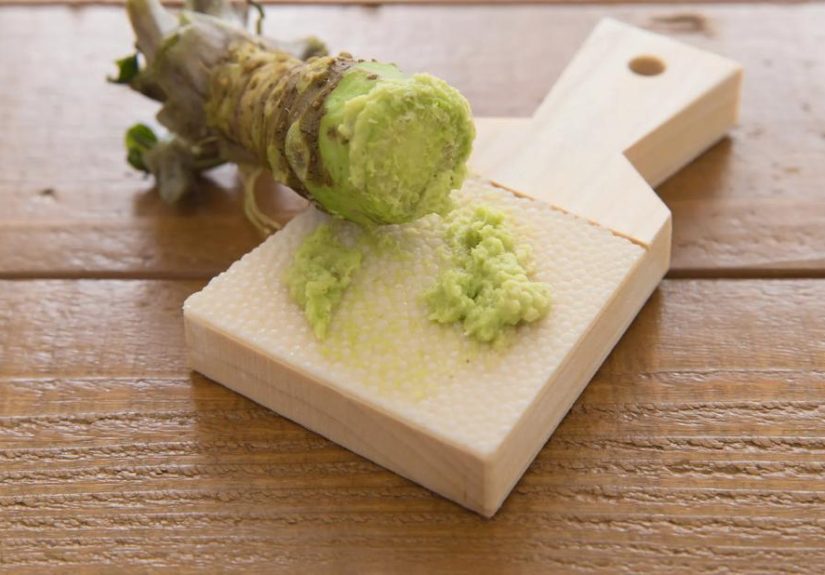
Authentic wasabi comes from the rhizome of Eutrema japonicum, a member of the cruciferous vegetable family. That means it is related to foods like broccoli, cabbage, kale, and mustard greens. Translation: wasabi is not just a spicy condiment with a flair for chaos. It belongs to a group of plants known for beneficial compounds that have been studied for their roles in inflammation, cell protection, and overall health.
Before we go any further, one important truth deserves the spotlight: most “wasabi” served in the United States is not pure wasabi. It is usually a blend of horseradish, mustard, and green coloring. That does not automatically make it bad, but it does mean the health story can be a little muddier than the bright green color suggests.
Still, real wasabi and wasabi-inspired products do point to some intriguing benefits. Here are three evidence-based reasons wasabi can be good for you, plus what to keep in mind if you want the perks without turning dinner into a personal fire-breathing contest.
What Makes Wasabi Special?
The real stars of wasabi are sulfur-containing plant compounds called glucosinolates. When the plant is cut, grated, or chewed, these compounds break down into isothiocyanates. Those isothiocyanates are responsible for wasabi’s punchy flavor and much of its health buzz.
Unlike chili peppers, which bring heat through capsaicin and tend to camp out on your tongue, wasabi’s bite travels upward into your nose. It is intense, fast, and mercifully brief. That dramatic sensation comes from how these compounds interact with sensory receptors. So yes, wasabi is spicy, but it is the kind of spicy that barges in, causes a scene, and leaves before anyone can call security.
Authentic wasabi also contains small amounts of nutrients such as vitamin C and minerals, but the bigger story is its phytochemicals. Since wasabi is typically eaten in modest portions, its value is less about calories or macronutrients and more about the plant compounds packed into that small serving.
Reason #1: Wasabi Contains Plant Compounds That May Help Fight Inflammation and Oxidative Stress
If you hear the terms inflammation and oxidative stress everywhere, that is because they show up everywhere. They are involved in aging and are linked to many chronic health problems when they become excessive or persistent. Wasabi’s isothiocyanates have attracted scientific attention because they appear to have antioxidant and anti-inflammatory activity.
In plain English, that means compounds in wasabi may help the body deal with unstable molecules that can damage cells and may also help calm certain biological processes tied to inflammation. Researchers have studied compounds such as 6-MSITC, one of wasabi’s better-known bioactive substances, for these effects. Lab and animal studies have been especially promising.
Now for the grown-up, sensible disclaimer: promising does not mean proven cure-all. Wasabi is not a magical green eraser that wipes out inflammation because you dabbed it next to a spicy tuna roll. But it does appear to belong to the same broad family of protective plant foods that researchers keep coming back to for long-term health support.
Why This Matters
Chronic inflammation is associated with a range of conditions involving the heart, metabolism, and brain. Foods rich in protective phytochemicals are often part of health-forward eating patterns because they may help reduce some of the wear and tear that builds up over time.
That is one reason cruciferous vegetables get so much attention. Wasabi may be tiny on the plate, but it comes from a very respectable family reunion.
Practical Takeaway
If you enjoy wasabi, think of it as a flavorful extra that can complement an overall plant-rich diet. It is not a substitute for vegetables, sleep, movement, or basic medical care. But as condiments go, it is doing more than just making your eyes water.
Reason #2: Wasabi May Help Fight Harmful Bacteria
Wasabi has long been paired with raw fish, and that pairing may not be a culinary accident. Some research suggests that wasabi and its isothiocyanates have antibacterial activity against certain foodborne microbes. In laboratory settings, compounds found in wasabi have shown activity against bacteria such as E. coli and Staphylococcus aureus.
This is one of the most interesting parts of the wasabi story because it helps explain why wasabi became associated with foods like sushi in the first place. Traditional food pairings often had practical logic behind them, and this may be one example where flavor and function met at the dinner table.
That said, do not read this as permission to treat wasabi like an edible hazmat suit. It cannot make unsafe raw fish safe. It cannot rescue poorly handled leftovers. It cannot negotiate with bacteria on your behalf while you ignore refrigeration guidelines. Food safety still matters. A lot.
What the Research Really Suggests
The evidence is strongest in lab studies, not in real-world human trials showing that people who eat wasabi reliably avoid food poisoning. So the best interpretation is cautious optimism. Wasabi may offer antimicrobial support, but it should be viewed as a bonus, not a guarantee.
In other words, enjoy the wasabi with your sushi, but still choose reputable restaurants, proper food storage, and common sense. Even the boldest condiment should not be asked to do public health’s entire job.
Why This Benefit Stands Out
Few condiments get to taste exciting and possibly help defend against microbes. Ketchup mostly just vibes. Wasabi shows up with a stronger résumé.
Reason #3: Wasabi May Support Brain Health, Especially Memory
This is the wasabi benefit that tends to make people do a double take. Brain health? From the green stuff that makes your nose feel like it accidentally read your private emails? Surprisingly, yes, there is some early research pointing in that direction.
A small randomized controlled trial in older adults found that a wasabi-derived compound called 6-MSITC was associated with improvements in episodic memory and working memory after 12 weeks. That does not mean everyone should sprint to the nearest sushi bar and order a side of cognitive enhancement. But it does make wasabi more interesting than the average condiment.
Researchers believe its antioxidant and anti-inflammatory properties may help explain this effect. Since brain health is influenced by inflammation, oxidative stress, and vascular health, it makes sense that compounds affecting those pathways are being studied for their potential role in memory and healthy aging.
Important Reality Check
The memory research is still early. It is not broad enough to make sweeping claims, and most people are not consuming standardized doses of wasabi compounds in daily life. A supplement used in a study is not exactly the same as the dab next to your California roll.
Still, the findings are intriguing because they suggest wasabi may have value beyond taste. At minimum, it earns a place in the conversation about plant foods and bioactive compounds worth watching.
What This Means for Everyday Eating
If you like wasabi, there is no need to think of it as just a dare for your sinuses. In the context of a balanced diet, it may be one more flavorful way to include beneficial plant compounds in your routine.
How To Enjoy Wasabi Without Overdoing It
Wasabi may have potential benefits, but more is not always better. Eating too much can irritate your mouth, nose, stomach, or throat, especially if you are sensitive to spicy foods. Prepared wasabi products can also contain added sodium or other ingredients, so check the label if you use them often.
It is also smart to be cautious with concentrated supplements or very large amounts if you take blood-thinning medication or have digestive issues. Food-level use is one thing. Going full “I fear nothing” with giant spoonfuls is another.
Here are a few easy ways to use wasabi in real life:
- Mix a small amount into Greek yogurt for a tangy dip.
- Whisk it into dressings for salmon, slaw, or grain bowls.
- Use it in a light spread for sandwiches instead of heavy sauces.
- Add a tiny bit to mashed avocado for a sharper, brighter kick.
- Pair it with roasted vegetables or edamame for a fun twist.
The keyword here is tiny. Wasabi should usually be invited to dinner, not handed the microphone.
A Longer Look at the Wasabi Experience
Eating wasabi is one of those food experiences that almost everyone remembers. Even people who claim they are “totally fine with spicy food” often discover that wasabi is playing a different sport. It does not build slowly like a chili pepper. It arrives all at once, shoots through your nose, clears your head like a dramatic weather front, and then disappears before you can fully process your life choices.
That short, sharp intensity is part of why people keep coming back to it. For some, wasabi turns a simple bite of sushi into something vivid and exciting. The fish tastes cleaner, the rice seems brighter, and the whole plate feels more alive. For others, the first experience is less “culinary revelation” and more “why can I hear colors?” Both reactions are understandable.
One of the most interesting real-world experiences with wasabi is discovering the difference between imitation and authentic versions. Many people spend years thinking they know wasabi, only to try freshly grated real wasabi and realize the flavor is more nuanced than expected. Instead of one big punch, authentic wasabi often tastes greener, fresher, and slightly sweeter, with heat that fades more gracefully. It is still bold, but it is usually less harsh than the fluorescent mystery paste many people meet at casual sushi spots.
There is also the social experience. Wasabi is the condiment that can unite a table in laughter in about two seconds. Somebody takes too much, their eyes widen, they become briefly philosophical, and everyone else suddenly learns the value of moderation. Few foods are this effective at teaching portion control without saying a word.
Then there is the after-effect people often notice: the heat vanishes quickly. That is part of wasabi’s charm. Unlike some spicy foods that linger and make you regret every decision for the next 20 minutes, wasabi tends to flare up and move on. That means a small amount can make food feel more exciting without overwhelming the entire meal.
For home cooks, experimenting with wasabi can be a surprisingly fun upgrade. A little stirred into a dressing can wake up a grain bowl. A small dab mixed into a sauce for salmon can make dinner feel restaurant-level without much effort. Even vegetable sides can benefit from it when they need a little personality. Wasabi is not only for sushi. It is also for the moment when your dinner tastes fine but your soul wants a plot twist.
The biggest lesson from people who learn to enjoy wasabi is simple: start small. Then start even smaller than that. Wasabi rewards respect. It is best used like punctuation, not a paragraph. A dab can brighten a bite, balance richer foods, and make a meal more memorable. A giant scoop can turn you into a cautionary tale.
So yes, part of wasabi’s appeal is nutritional. But part of it is experiential. It wakes up the senses, changes how food feels, and makes eating more playful. In a world full of bland desk lunches and forgettable sauces, that counts for something too.
Final Thoughts
Wasabi is more than a spicy sidekick. Authentic wasabi contains bioactive compounds that may help fight oxidative stress and inflammation, may have antimicrobial effects, and may even support memory based on early human research. Those are three pretty respectable reasons to give this fiery green plant more credit.
At the same time, wasabi works best when viewed realistically. It is not medicine in disguise, and it is not a shortcut to perfect health. But as part of a balanced diet, it is a flavorful, low-calorie addition with some genuinely interesting science behind it.
So the next time wasabi shows up next to your sushi, you can appreciate it for more than its ability to temporarily reorganize your sinuses. It may be tiny, but it is bringing a lot to the table.