Table of Contents >> Show >> Hide
- Why Conditioner Application Matters More Than People Think
- 1. Apply a Traditional Rinse-Out Conditioner After Shampoo
- 2. Apply Leave-In Conditioner to Damp Hair
- 3. Apply a Deep Conditioner or Hair Mask for Extra Repair
- How to Choose the Right Method for Your Hair Type
- Common Conditioner Mistakes That Can Backfire
- of Real-Life Experience: What People Often Learn About Conditioner the Hard Way
- Conclusion
- SEO Tags
If shampoo is the cleanup crew, conditioner is the peace treaty. It steps in after the lather party to smooth things over, calm the chaos, and convince your hair not to act like a tumbleweed by noon. But here’s the twist: a lot of people use conditioner without really knowing how to apply it properly. The result? Flat roots, greasy buildup, limp lengths, or hair that somehow still feels dry enough to file a complaint.
The good news is that applying conditioner is not rocket science. The even better news is that it also should not feel like a chemistry exam in your shower. In most cases, you only need to know three smart ways to use it: as a rinse-out conditioner, as a leave-in conditioner, or as a deep-conditioning treatment. Each method serves a different purpose, and each one can make a noticeable difference in softness, shine, detangling, and breakage prevention when used the right way.
In this guide, you’ll learn exactly how to apply conditioner to your hair based on the product type, your texture, and your goals. Whether your strands are fine and easily weighed down, curly and thirsty, color-treated and dramatic, or somewhere in the middle, there’s a better way to condition them.
Why Conditioner Application Matters More Than People Think
Conditioner is not just there to make your hair smell expensive. It helps smooth the outer layer of the hair, improves slip, reduces friction, and makes detangling easier. That matters because rough, tangled, over-washed hair tends to break more easily, frizz faster, and behave like it is holding a personal grudge.
Application technique matters because different parts of your hair have different needs. The scalp naturally produces oil. The mid-lengths and ends do not get nearly as much help, especially if your hair is long, curly, heat-styled, bleached, highlighted, relaxed, or simply living through winter like the rest of us. That’s why conditioner usually belongs where hair is driest and most fragile, not plastered directly onto the roots unless a product specifically says otherwise.
Once you understand that rule, the rest gets much easier. Here are the three best ways to apply conditioner to your hair.
1. Apply a Traditional Rinse-Out Conditioner After Shampoo
Best for
Most hair types, especially people who want everyday softness, easier detangling, and less frizz without changing their entire routine.
How it works
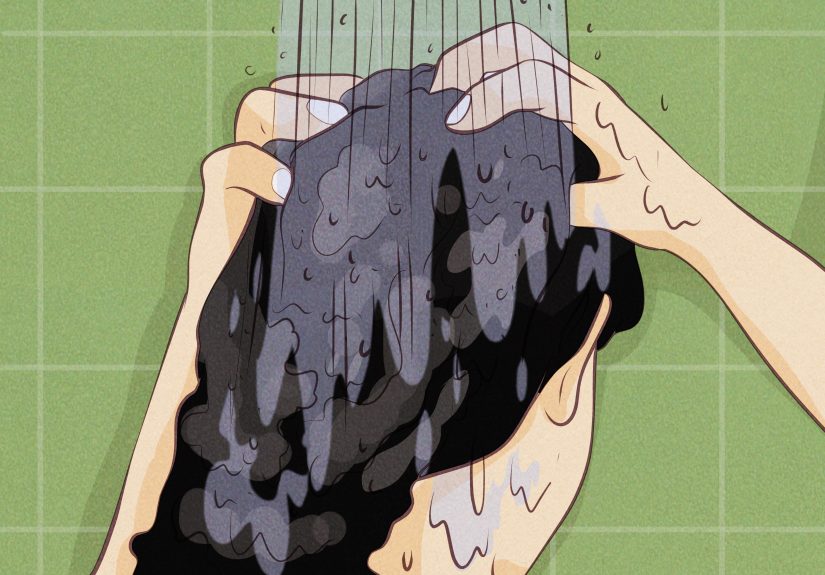
This is the classic method most people think of when they hear the word “conditioner.” You shampoo first, rinse thoroughly, then apply a rinse-out conditioner to replenish moisture and reduce that squeaky-clean, slightly offended feeling shampoo can leave behind.
How to apply it correctly
- Squeeze out excess water first. Hair that is dripping wet can dilute the product and make it slide off before it does much. You want your hair wet, but not practically reenacting a rainstorm.
- Dispense the right amount. Short or fine hair may need a nickel- to quarter-size amount. Thick, coarse, long, or very curly hair often needs more. Start smaller than you think and add product only if needed.
- Focus on the mid-lengths and ends. For fine, straight, or oily hair, keep the conditioner mostly from the middle of the hair down. For dry, curly, coarse, or textured hair, work it farther through the length, where dryness tends to show up.
- Use your fingers or a wide-tooth comb. Distribute the product evenly without yanking through knots like you’re starting a lawn mower.
- Let it sit briefly. One to two minutes is often enough for a daily conditioner, unless the label tells you otherwise.
- Rinse thoroughly. Leftover conditioner can make hair look heavy or greasy, especially near the roots.
Who should adjust this method?
If your hair is fine or your scalp gets oily quickly, apply conditioner only from the mid-lengths to the ends and keep the amount light. If your hair is curly, coily, dry, or chemically treated, you can be more generous and work it through more of the hair shaft. The basic rule is simple: the drier your hair feels, the more thoughtful and thorough your conditioning should be.
When this method works best
Use rinse-out conditioner when your hair needs regular maintenance rather than a full rescue mission. It is the everyday, dependable, low-drama option. Think of it as brushing your teeth, but for your hair routine: not flashy, just necessary.
2. Apply Leave-In Conditioner to Damp Hair
Best for
Dry hair, curly or wavy hair, frizz-prone hair, tangled hair, heat-styled hair, or hair that needs extra softness and protection between washes.
How it works
Leave-in conditioner stays on the hair after washing instead of being rinsed out. It gives ongoing moisture, helps detangle, improves manageability, and can reduce roughness before air-drying or blow-drying. For some people, it is the difference between soft, cooperative hair and a frizz cloud with opinions.
How to apply it correctly
- Start after washing and conditioning. In most routines, leave-in conditioner comes after your regular rinse-out conditioner, not instead of it.
- Towel-dry gently. Hair should be damp, not soaking. A microfiber towel or soft cotton T-shirt is ideal if you want to be extra nice to your strands.
- Use a small amount first. Creams, milks, and sprays all behave differently, but “more” is not automatically “better.” Fine hair especially can go from silky to sad very fast.
- Apply from mid-lengths to ends. Concentrate on the driest spots, tangly areas, or frizz-prone sections. Avoid loading the scalp and roots unless the product is specifically designed for scalp use.
- Distribute evenly. Use your fingers, then follow with a wide-tooth comb if needed for even coverage.
- Style as usual. Air-dry, diffuse, blow-dry, twist, braid, scrunch, or do whatever makes your hair happiest.
Choosing the right leave-in format
Spray leave-ins are often great for fine hair because they feel lighter. Creams and lotions tend to work better for thicker, curlier, or drier hair that needs more moisture. Milks can be a happy medium. If your first leave-in made your hair feel coated or limp, that does not mean leave-in conditioner is wrong for you. It may just mean the formula, amount, or application zone was off.
Common mistake to avoid
The biggest leave-in conditioner mistake is treating it like body lotion and slathering it on everywhere. That is how you end up with roots that look like they were marinated. Start light, stay off the scalp, and add only where the hair still feels dry.
3. Apply a Deep Conditioner or Hair Mask for Extra Repair
Best for
Dry, damaged, bleached, color-treated, relaxed, heat-styled, coarse, curly, or high-porosity hair. Also excellent for anyone whose hair feels rough, brittle, or unusually tangly.
How it works
Deep conditioners and hair masks are richer, more concentrated versions of daily conditioner. They are designed to stay on longer and give the hair a more intensive moisture boost. This method is not usually necessary every single wash, but when your hair is stressed, it can be a real game-changer.
How to apply it correctly
- Shampoo first. Clean hair gives the treatment a better chance to coat the strands evenly.
- Remove excess water. This step matters more than people realize. Hair that is too wet can water down the product and reduce the treatment’s effectiveness.
- Apply section by section. This is especially helpful for thick, curly, or long hair. Start at the mid-lengths and ends, where damage usually shows up first.
- Comb through gently. A wide-tooth comb helps distribute the product and detangle without unnecessary breakage.
- Leave it on for the recommended time. Many deep conditioners sit for three to five minutes, while others are meant for 10 to 20 minutes. Follow the label. Keeping it on for ages does not automatically make it perform like magic.
- Rinse well. You want softness, not residue.
How often should you deep condition?
Once a week is a solid starting point for many people with dry or damaged hair. Fine hair may do better with less frequent deep conditioning so it does not become weighed down. Very dry, textured, or processed hair may benefit from weekly or even twice-weekly use, depending on how the hair responds.
Extra tip
When your hair is especially damaged, consistency matters more than drama. One heroic Sunday hair mask will not erase months of bleach, flat-iron abuse, and rough towel-drying. A steady routine, however, can noticeably improve softness and manageability over time.
How to Choose the Right Method for Your Hair Type
Fine or oily hair
Use a lightweight rinse-out conditioner and keep it mostly on the ends. Add leave-in only if needed, and choose a light spray instead of a heavy cream. Deep conditioner should be occasional, not constant.
Dry, curly, or coarse hair
You will usually benefit from all three methods in some combination. A rinse-out conditioner after washing, a leave-in on damp hair, and a deep conditioner regularly can help keep the hair softer, more defined, and easier to detangle.
Color-treated or heat-damaged hair
Daily rinse-out conditioner is your baseline. Leave-in helps protect softness and manageability between washes. Deep conditioner becomes especially valuable when the ends start to feel rough or weak.
Long hair
The older the ends are, the more attention they usually need. Even if your scalp gets oily, your ends may still be dry. Focus your conditioner where the hair has been living the longest and surviving the most.
Common Conditioner Mistakes That Can Backfire
- Applying too much product: More conditioner does not always mean softer hair. Sometimes it just means buildup.
- Putting standard conditioner directly on the scalp: This can make roots greasy and flatten the hair.
- Skipping conditioner because your hair is fine: Fine hair still needs conditioning. It just needs the right formula and placement.
- Rinsing too quickly: Give the product at least a brief chance to work.
- Ignoring the label: Deep treatments and leave-ins are not interchangeable unless the brand says they are.
- Using the same routine year-round: Hair often needs more moisture in winter, after coloring, after swimming, or during heavy heat styling phases.
of Real-Life Experience: What People Often Learn About Conditioner the Hard Way
One of the most common experiences people have with conditioner is realizing that “using conditioner” and “using conditioner well” are two very different things. A lot of us start out by doing whatever seems logical in the shower: squeeze some product into our hands, slap it all over the head, rinse fast, and hope for the best. Then we wonder why the roots look oily by lunch while the ends still feel like broom bristles. The lesson usually arrives the hard way, often after a bad hair day, a humid afternoon, or a photo that somehow captured every flyaway in high definition.
People with fine hair often describe a frustrating cycle. They skip conditioner because they think it causes limp hair, then their ends get dry and tangled, so they use a heavy conditioner everywhere, and now their roots look flat and greasy. Eventually, they learn that the issue was not conditioner itself. It was placement and amount. Once they start applying a small amount from the middle down, everything tends to make more sense. Their hair feels softer without collapsing like a sad cake.
Curly and textured hair tells a different story. Many people with curls say they spent years fighting tangles, frizz, and puffiness before realizing their hair needed more moisture, not less. The breakthrough often comes when they stop treating conditioner like a quick optional extra and start treating it like a core step. Working rinse-out conditioner through the length, detangling gently while the hair is slick, and following with leave-in on damp hair can completely change the feel of wash day. Suddenly the curls clump better, the comb stops acting like an enemy, and styling takes less effort.
There is also the classic leave-in conditioner learning curve. Almost everyone who uses leave-in for the first time seems to go through a “whoops, that was too much” phase. The hair may feel coated, the roots may look heavy, and there may be a brief moment of panic. But once people figure out that leave-in is meant to be applied with a light hand, mostly on damp mid-lengths and ends, it starts earning its place in the routine. Many people end up loving it most during dry weather, after coloring, or before heat styling because it gives the hair a softer, more manageable finish.
Deep conditioner has its own reputation arc. At first, it can seem like one of those things people buy with great intentions and then forget under the sink. But once hair becomes dry from bleach, sun, chlorine, tight styles, or repeated hot tools, deep conditioning tends to move from “nice idea” to “please save me.” People often notice the biggest difference not in dramatic shine commercials, but in smaller everyday wins: fewer knots, less snapping while brushing, softer ends, and hair that feels less rough between washes.
The most useful experience-based takeaway is this: your hair routine usually improves the moment you start paying attention to where your hair is dry, where it is oily, and how it actually responds. Conditioner is not one-size-fits-all, and your best method may change over time. That is not failure. That is simply hair being hair: occasionally needy, sometimes confusing, and always ready to humble you five minutes before you leave the house.
Conclusion
If you want healthier-looking hair, better softness, easier detangling, and less frizz, the answer is not always buying a dozen new products. Sometimes it is just applying the conditioner you already own in a smarter way. Use a rinse-out conditioner after shampoo for daily moisture and smoothness. Add leave-in conditioner on damp hair when you need extra softness, frizz control, or detangling support. Bring in a deep conditioner when your hair feels stressed, dry, or damaged and needs more than a quick fix.
The real secret is not complicated: match the method to your hair type, focus on the parts of your hair that actually need moisture, and do not overdo it. Your roots do not need to swim in product, your ends do not need to fend for themselves, and your shower does not need to become a science lab. With the right technique, conditioner stops being an afterthought and starts doing what it was supposed to do all along: help your hair feel smoother, stronger, and a lot easier to live with.