Table of Contents >> Show >> Hide
- Before You Start: A 60-Second Setup That Makes Everything Easier
- Way #1: Vacuum + Soap-and-Water Reset (Fast, Safe, and Surprisingly Effective)
- Way #2: Baking Soda + Vinegar Deep Clean (For Sticky, Grimy, “How Is This Even Possible?” Tracks)
- Way #3: Steam-Assisted Cleaning (The “Reach Every Nook” Method)
- Finishing Move: Lubricate the Right Way (Because Clean Isn’t the Same as Smooth)
- How Often Should You Clean Sliding Glass Door Tracks?
- Small Habits That Keep Tracks Cleaner Longer
- Troubleshooting: When Cleaning Isn’t Enough
- Extra: Real-Life “Track Cleaning” Experiences (The Stuff People Learn the Hard Way)
- Conclusion
Sliding glass doors are basically the VIP entrance for dust, pet hair, pollen, tiny rocks, and that one mysterious crumb that looks like it paid rent. When the tracks get gritty, your door starts sticking, grinding, and sounding like it’s auditioning for a haunted house soundtrack. The good news: you don’t need a toolbox the size of a canoe to fix it. You need a plan, a little patience, and the willingness to face the gunk you’ve been ignoring (no judgment).
Below are three practical, proven ways to clean sliding glass door tracksranging from “I have five minutes” to “I want this track to sparkle like it has a skincare routine.” Each method uses common household supplies, keeps the track friendly to your door’s finish, and ends with the real secret to smooth sliding: proper drying and the right lubricant.
Before You Start: A 60-Second Setup That Makes Everything Easier
Grab your supplies (mix and match based on the method)
- Vacuum with a crevice tool (or a handheld vacuum)
- Stiff nylon brush or old toothbrush
- Microfiber cloths or paper towels
- Warm water + a few drops of dish soap
- Spray bottle (optional but helpful)
- Baking soda + white vinegar (for deep grime)
- Cotton swabs or a plastic scraper/old gift card for corners
- A flat screwdriver or butter knife wrapped in a cloth (for tight crevicesno metal-on-metal scraping)
- Steam cleaner or garment steamer (for the steam method)
- Dry silicone spray lubricant (for finishing)
Quick safety + door-care notes
- Avoid abrasives and harsh solvents that can damage finishes. If you’re unsure, start mild.
- Don’t scrape the track bare with metal tools. Wrap tools in cloth to protect the surface.
- Keep weep holes clear (tiny drain openings near the exterior side) so water can drain properly.
- Use silicone-based lubricant after cleaning. Oil-based products can attract dirt and turn your clean track into a dust magnet.
Way #1: Vacuum + Soap-and-Water Reset (Fast, Safe, and Surprisingly Effective)
This is the best method for routine maintenance or tracks that are dusty/gritty but not “archaeological dig” dirty. The goal is to remove loose debris first (so you’re not smearing it around), then lift grime with gentle soap, then dry thoroughly.
Step-by-step
- Vacuum the track slowly. Use the crevice tool and take your time. Start at one end and work to the other. Hit corners twicedebris likes to camp there.
- Brush out stubborn grit. Use a dry toothbrush or nylon brush to loosen compacted dirt, then vacuum again. (Yes, this is the “double cleanse” of track cleaning. Your door deserves it.)
- Wipe with warm, soapy water. Mix warm water with a few drops of dish soap. Dip a microfiber cloth, wring it well, and wipe the track. For narrow grooves, wrap a cloth around a butter knife or flat tool and slide it along the channel.
- Detail the corners. Cotton swabs or a folded paper towel can pull grime from tight edges. If the grime is stubborn, re-wet with soapy water and let it sit for 2–3 minutes before wiping.
- Dry completely. Use a dry cloth and press into corners. Leaving moisture behind can trap new dust and create sludge faster.
Best for
- Monthly maintenance
- Homes with pets or lots of foot traffic in/out of the door
- Tracks that are gritty but not sticky with built-up residue
Pro tip: Don’t forget the “outer” track section
Many sliding doors have an interior track and an exterior track area. The exterior side often collects wind-blown dirt and can have drain/weep holes. A quick vacuum and wipe there helps prevent water buildup and funk.
Way #2: Baking Soda + Vinegar Deep Clean (For Sticky, Grimy, “How Is This Even Possible?” Tracks)
When a track is sticky, dark, or feels like it has glue in it, basic soap may not be enough. Baking soda adds gentle abrasion and odor control; vinegar reacts and foams to help lift grime out of grooves. This method is especially handy if you’re dealing with old buildup from shoes, outdoor dust, and that fine sand that somehow appears even if you don’t live near a beach.
Step-by-step
- Vacuum first (always). Remove loose debris so the baking soda targets grime, not crumbs.
- Lightly sprinkle baking soda into the track. Focus on corners and any sticky sections. You want a thin layer, not a snowdrift.
- Spritz vinegar solution. Use plain white vinegar or a 1:1 mix of vinegar and water in a spray bottle. Spritz until the baking soda is damp and foaming. Let it work for 5–10 minutes.
- Scrub strategically. Use a toothbrush to scrub the foaming areas, especially corners, roller paths, and the track’s inner channels. For tight creases, wrap a cloth around a flat tool and push it along the groove.
- Wipe, rinse, repeat (if needed). Wipe everything up with paper towels or a microfiber cloth. Then wipe once more with clean water to remove residue. If the track was truly legendary, a second round may be needed.
- Dry completely. This isn’t optional. Drying prevents fresh dust from sticking to leftover moisture.
Best for
- Tracks that feel sticky or look discolored
- Homes where the door is used constantly (kids, dogs, backyard life)
- Seasonal deep cleans before hosting or after heavy weather
Important caution
If your door threshold includes natural stone (some do), avoid getting vinegar on the stoneit can etch certain surfaces. Keep the reaction in the metal/vinyl track area and wipe up promptly.
Way #3: Steam-Assisted Cleaning (The “Reach Every Nook” Method)
Steam is a cheat code for tracks because it blasts softened grime out of tiny corners without drowning the area in liquid cleaner. A handheld steam cleaner or garment steamer can lift dirt fast, especially in grooves that brushes can’t fully reach. This method shines when you want a deep clean with minimal chemicals.
Step-by-step
- Vacuum first. Steam works best on grime, not loose gravel. Remove debris so you don’t push it deeper.
- Prep your steamer. Fill with distilled water if recommended by your steamer’s manufacturer (helps reduce mineral buildup). Let it fully heat.
- Steam the track in sections. Hold the nozzle about 1–2 inches away and move slowly along the track. Aim steam into corners and along the inner groove. If you have a brush attachment, use it gently.
- Wipe immediately. Use a microfiber cloth to wipe out loosened grime while it’s still warm and lifted. For corners, use a cloth-wrapped tool or cotton swabs.
- Dry thoroughly. Even though steam uses less standing liquid, you still want the track dry before lubricating.
Best for
- Deep cleaning without strong chemicals
- Tracks with packed grime in tight grooves
- People who already own a steamer and want to feel wildly efficient
Steam caution
Avoid steaming surfaces that can be damaged by heat or moisture (like certain finished woods nearby). Keep steam targeted to the track and wipe promptly.
Finishing Move: Lubricate the Right Way (Because Clean Isn’t the Same as Smooth)
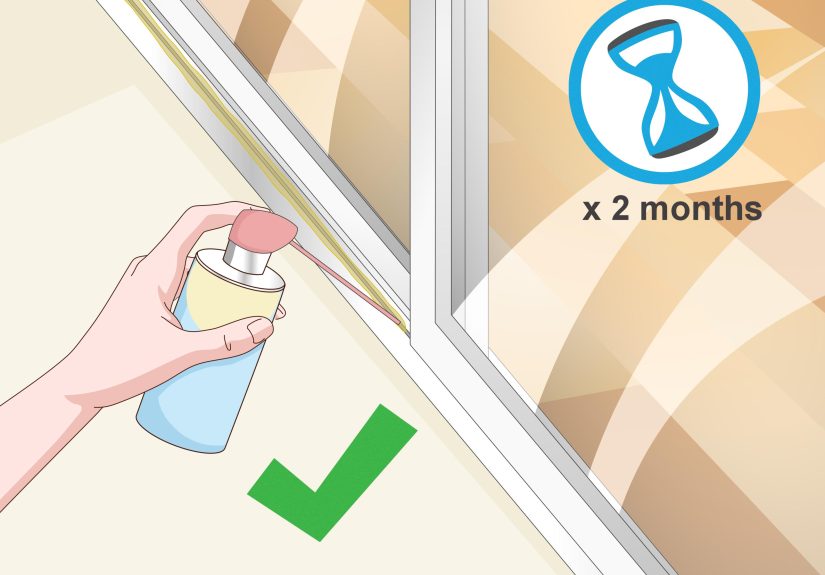
Once the track is clean and dry, lubrication helps the door glide and reduces future wear. For most sliding glass doors, a dry silicone spray is a common go-to because it reduces friction without staying oily and attracting as much dirt.
How to do it
- Make sure the track is completely dry.
- Spray silicone lubricant onto a dry cloth (instead of spraying directly everywhere). Then wipe a thin layer along the track where the rollers travel.
- Open and close the door several times to distribute it evenly.
- Wipe away any overspray so dust doesn’t cling to it later.
If your door is still sticking after cleaning and lubricating, the rollers may need attention. Sometimes removing lint and dirt from the rollers (or adjusting them) makes a night-and-day difference. If the door is heavy, crooked, or feels unsafe to remove, consider calling a prosliding door panels aren’t exactly featherweight.
How Often Should You Clean Sliding Glass Door Tracks?
- Light maintenance: Vacuum and wipe once a month (or every few weeks in dusty/pollen-heavy seasons).
- Deep clean: Every 3–6 months, or when the door starts feeling gritty or noisy.
- Lubrication: A couple times a year is common, or after deep cleaningalways follow your door manufacturer’s guidance when available.
Small Habits That Keep Tracks Cleaner Longer
- Do a quick vacuum pass when you vacuum floors nearbytracks collect what floors lose.
- Keep the exterior side clear so water can drain properly and debris doesn’t pile up.
- Wipe up spills fast (especially sugary drinks). Sticky track residue is basically dirt’s favorite glue.
- Check weep holes occasionally; use a small brush if they look clogged.
- Use door mats inside and outside to reduce sand and grit tracked in.
Troubleshooting: When Cleaning Isn’t Enough
The door still drags
If the track is clean but the door still drags, the rollers might be worn, dirty, or misadjusted. Some doors have adjustment screws near the bottom edge of the door frame that raise/lower the rollers. A small adjustment can stop scraping and improve the glide.
The track looks damaged or bent
If you see dents, warping, or a crooked track, cleaning alone won’t fix the geometry. In that case, repair or replacement may be needed to prevent roller damage and ongoing sticking.
Water pools in the track
A small amount of water in the outside track can be normal during rain, but persistent pooling can indicate clogged drains/weep holes. Clearing debris from corners and keeping drain openings open helps the door system drain as intended.
Extra: Real-Life “Track Cleaning” Experiences (The Stuff People Learn the Hard Way)
Most people don’t decide to clean sliding glass door tracks because they woke up inspired by grooves. They do it because something happens: the door starts catching, the handle needs an extra shove, or the track makes a crunchy sound that suggests there are tiny pebbles negotiating a lease down there. If that sounds familiar, you’re in very crowded company. Sliding doors live in a high-traffic zonehalf indoors, half outdoorsand the track is the exact border where everyone’s mess meets everyone else’s physics.
One common “aha” moment is realizing how much the season changes the track situation. In spring, pollen and fine dust drift in and settle into the track like they’re trying to become one with the metal. In summer, you get backyard grit: dry soil, grass clippings, sand from shoes, and whatever your pets bring in after their “totally innocent” adventures outside. In fall, leaves break down into tiny fragments that wedge into corners. In winter, moisture plus dirt can turn into a paste that feels like it was engineered specifically to ruin your day.
Another classic experience: you clean the track once, it looks better, but the door still doesn’t glide. That’s usually when people discover rollers exist. Rollers are the unsung heroes that carry the door’s weightand they can collect hair, lint, and grime that no amount of track scrubbing will fix. Even without removing the door, you can often improve things by cleaning the track thoroughly, drying it, and applying a thin layer of silicone lubricant the right way (on a cloth, not blasted everywhere). The difference can feel dramaticlike going from pushing a shopping cart with a stuck wheel to gliding on a smooth sidewalk.
People also learn quickly that “more cleaner” doesn’t mean “more clean.” Over-spraying degreasers or leaving a wet track can backfire. A track that stays damp becomes a dirt magnet, and an oily product can turn dust into sludge. That’s why the best clean often looks boring: vacuum first, mild cleaner second, wipe, rinse lightly, and dry like you mean it. The boring steps are the steps that keep the track cleaner longer.
If you’ve ever hosted guests and suddenly noticed the door sticking right as people are going in and out to the patio, you’ve experienced the universal law of home maintenance: problems wait for witnesses. That’s why many homeowners build a tiny “pre-hosting routine” that includes a quick vacuum of the track and a wipe with warm, soapy water. It takes minutes, it prevents embarrassing door wrestling, and it keeps grit from being ground into the rollers over time.
Finally, there’s the oddly satisfying part: once the track is clean, the door gets quieter. The scraping sound disappears. The glide feels smoother. And you realize the track wasn’t just dirtyit was stealing convenience from your day, one sticky slide at a time. Keeping it clean isn’t about perfection; it’s about making the door work the way it was meant to: effortless, quiet, and not requiring a full-body lunge.
Conclusion
Cleaning sliding glass door tracks doesn’t have to be a weekend project or a dramatic confrontation with grime. Start with the fast vacuum-and-soap reset for routine upkeep, bring in baking soda and vinegar when the track gets sticky, and use steam when you want a deep clean that reaches the tiny corners. Finish by drying thoroughly and applying a light silicone-based lubricant so the door slides smoothly without inviting fresh dirt to move in. Clean track, happy rollers, fewer “why won’t you open?” momentseverybody wins.

![18 Best Types of Charts and Graphs for Data Visualization [+ How to Choose]](https://corkopencoffee.org/wp-content/uploads/2026/05/18-best-types-of-charts-and-graphs-for-data-visualization-how-to-choose-qKM1PBYG-thumb.jpg)