Table of Contents >> Show >> Hide
- Why This Matters (Beyond “Because My Throat Hurts”)
- Way #1: Follow the Symptom Pattern (Cold Clues vs. Strep Clues)
- Way #2: Use the Exam Clues (But Don’t Get Fooled by White Patches)
- Way #3: Use the Right Test at the Right Time (The Gold Standard Move)
- What to Do While You’re Figuring It Out (Supportive Care That Actually Helps)
- When to Get Medical Care (and When to Treat It Like an Emergency)
- Putting It All Together: The 20-Second Cheat Sheet
- Conclusion
- Real-World Experiences: What It Feels Like (Composite Stories)
Your tonsils are basically the bouncers at the entrance to your throatscreening germs, starting fights, and occasionally getting a little too swollen for their own good. When they’re inflamed, that’s tonsillitis. The big question (and the reason you’re here): is it bacterial tonsillitis (often “strep”) or viral tonsillitis (the more common party crasher)?
Here’s the tricky part: symptoms overlap. A lot. Two people can both have fever, a raging sore throat, and angry-looking tonsils… but one needs antibiotics and the other needs rest, fluids, and patience. The goal isn’t to play home-doctor rouletteit’s to recognize patterns, know what actually separates viral from bacterial, and understand when testing is the smart move.
Quick note: This article is for general education and can’t diagnose you. If symptoms are severe, persistent, or scary (we’ll cover “scary” later), get medical care.
Why This Matters (Beyond “Because My Throat Hurts”)
If it’s bacterialespecially group A streptreating appropriately can reduce complications and shorten illness. If it’s viral, antibiotics won’t help (and can cause side effects and antibiotic resistance). So the “right” answer isn’t just academic; it changes what you should do next.
Way #1: Follow the Symptom Pattern (Cold Clues vs. Strep Clues)
Think of this like a detective board. One clue doesn’t solve the case. A cluster of clues? Now we’re talking. The strongest everyday differentiator is whether the sore throat shows up alone or comes with classic cold symptoms.
Viral tonsillitis tends to travel with “cold friends”
Viral throat infections often come bundled with other upper-respiratory symptoms. If your sore throat arrives with a runny nose and a cough like they’re all sharing an Uber, viral jumps higher on the list.
- Cough (especially persistent)
- Runny nose or congestion
- Hoarseness (your voice sounds like you narrated a gravel documentary)
- Red or watery eyes (conjunctivitis can tag along with viral illness)
- Mouth sores or ulcers
- Gradual “I’m getting sicker by the hour/day” buildup
Bacterial tonsillitis (often strep) has a different vibe
Bacterial tonsillitis commonly comes on fast and hits hard. People often describe waking up with a “where did THIS come from?” throat pain. The “strep-leaning” pattern is usually fewer cold symptoms and more throat-focused misery.
- Sudden severe sore throat
- Fever (often without a runny nose/cough)
- Painful swallowing
- Tender lymph nodes in the front of the neck (anterior cervical nodes)
- Headache and sometimes stomach discomfort (more common in kids)
- Absence of cough (this one is a big deal in many clinical decision tools)
A real-life example
Scenario A: You’ve got a scratchy throat, a wet cough, a runny nose, and your voice sounds like it’s auditioning for a blues band. That pattern leans viral.
Scenario B: No cough. No congestion. But your throat feels like it swallowed a cactus, you’ve got a fever, and the front of your neck is tender to touch. That leans bacterialand it’s a good reason to ask about testing.
Important reality check: symptoms alone can’t “prove” it
Even with a strong pattern, clinicians often confirm suspected strep with testingbecause appearances and symptoms can overlap. Consider symptoms the trailer, not the full movie.
Way #2: Use the Exam Clues (But Don’t Get Fooled by White Patches)
Many people think, “If there’s white stuff on the tonsils, it must be bacterial.” If that were true, diagnosing would be so easy that throat swabs would go extinct. Unfortunately, tonsillar exudate (white patches) can show up in both viral and bacterial infections.
Exam clues that can support bacterial tonsillitis
- Tonsillar swelling with exudates (white patches)
- Palatal petechiae (tiny red spots on the palate)
- Prominent tender anterior neck nodes
- Scarlatiniform rash (sandpapery rash) suggests scarlet fever, which is linked to strep
These findings can raise suspicion, especially when paired with a strep-leaning symptom pattern (fever + no cough + tender nodes).
Exam clues that can support viral tonsillitis
- Runny nose, cough, or hoarseness at the same time
- Oral ulcers or visible sores in the mouth/throat
- Red/watery eyes or other cold-like features
- More diffuse “upper respiratory infection” appearance
The “plot twist” infections: mono can imitate strep
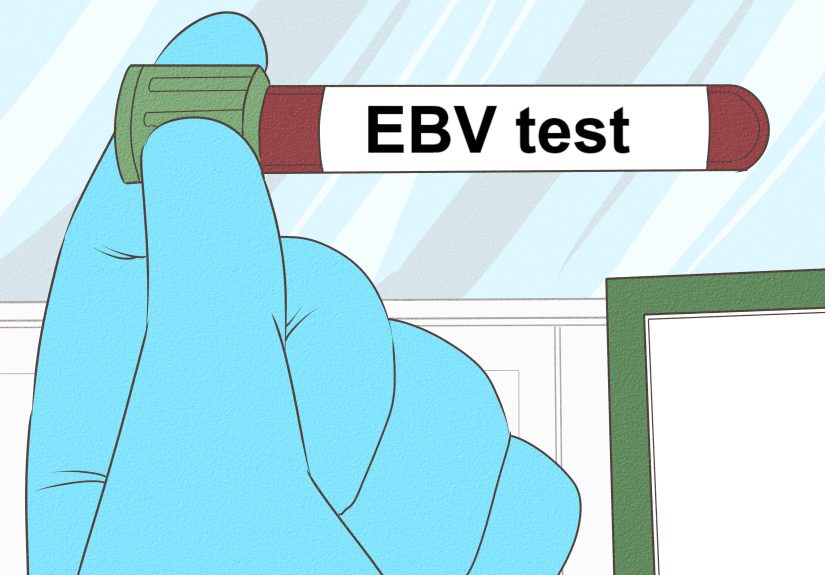
Infectious mononucleosis (often from Epstein-Barr virus) can cause: fever, severe sore throat, swollen tonsils (sometimes with exudate), and swollen lymph nodesso it can look suspiciously like bacterial tonsillitis.
Clues that can nudge suspicion toward mono include:
- Extreme fatigue that feels out of proportion
- More generalized lymph node swelling (not just the front of the neck)
- Symptoms that linger longer than a typical “quick-hit” illness
If mono is a possibility, clinicians may use blood tests rather than treating it like routine strep.
Bottom line for exam clues
A throat can look dramatic in both viral and bacterial infections. Use appearance as a supporting cluenot the final verdict. If the pattern points toward strep, testing is often the smartest next step.
Way #3: Use the Right Test at the Right Time (The Gold Standard Move)
When the symptoms and exam suggest a reasonable chance of bacterial tonsillitis (especially group A strep), clinicians often confirm with a testbecause accurate diagnosis prevents unnecessary antibiotics and catches infections that really do need them.
The most common tests
- Rapid strep test (rapid antigen detection test): quick results, good for confirming strep when positive.
- Throat culture: takes longer, but is often treated as a “gold standard” confirmation test.
- Molecular tests (NAATs): used in some settings; can be very sensitive and fast depending on the clinic.
Who should get tested?
Many clinicians use a structured checklist approachoften based on the same core features: fever history, tonsillar swelling/exudate, tender anterior neck nodes, and absence of cough. Age can also influence likelihood (strep is more common in school-aged kids than in toddlers).
Testing is often not recommended when clear viral features dominate (like cough + runny nose + hoarseness), because the chance of strep is lower and a test can create confusing results (like detecting a carrier state rather than the cause).
What about very young kids?
Strep throat is considered uncommon in children under 3, and testing is often avoided unless a clinician has a specific reason. In school-aged children and teens, strep becomes more relevant.
One detail parents should know: negative rapid tests may need backup (in kids)
In children and adolescents, some guidelines recommend confirming a negative rapid strep test with a throat culture (because rapid tests can miss cases). In adults, backup culture after a negative rapid test is less commonly needed.
So… should you ask for antibiotics “just in case”?
That’s a tempting strategylike wearing a parachute to the grocery store “just in case.” But unnecessary antibiotics can cause:
- Side effects (GI upset, allergic reactions, yeast infections)
- Disruption of the gut microbiome
- Antibiotic resistance (a community-level problem with very personal consequences)
If bacterial tonsillitis is confirmed, antibiotics can be appropriate. If it’s viral, supportive care is the right play.
What to Do While You’re Figuring It Out (Supportive Care That Actually Helps)
Whether it’s viral or bacterial, your throat still hurts today. Symptom relief matters. Typical supportive strategies include:
- Hydration: warm tea, broth, waterwhatever you can tolerate
- Saltwater gargles (old-school, still useful)
- Throat lozenges (use age-appropriate products for kids)
- Pain/fever reducers as appropriate (follow label directions; check with a clinician for kids)
- Humidified air to reduce throat dryness
If strep is confirmed and antibiotics are prescribed, symptom relief still helps while your body catches up.
When to Get Medical Care (and When to Treat It Like an Emergency)
Most sore throats are uncomfortable but not dangerous. Still, certain red flags deserve prompt evaluation.
Seek urgent care if you have:
- Trouble breathing or noisy breathing
- Drooling or inability to swallow fluids
- Severe dehydration (especially in children)
- Severe one-sided throat pain with muffled “hot potato” voice or trouble opening the mouth
- Neck swelling, stiff neck, or worsening symptoms after initial improvement
- A rash with fever (especially if sandpapery)
One-sided severe symptoms with muffled voice and difficulty opening the mouth can suggest a peritonsillar abscess, which needs medical attention.
Putting It All Together: The 20-Second Cheat Sheet
- Pattern of symptoms: cough/runny nose/hoarseness points viral; sudden fever + no cough + tender front neck nodes points bacterial.
- Exam clues: exudate can happen in bothdon’t crown it the king. Look for clusters and consider mono if fatigue is intense.
- Testing: rapid strep and/or culture confirm bacterial strep; kids may need culture backup if a rapid test is negative.
Conclusion
Differentiating bacterial tonsillitis vs viral tonsillitis is less about one magic symptom and more about combining three smart moves: reading the symptom pattern, using exam findings without being fooled by “white patches,” and leaning on testing when strep is plausible.
If you remember nothing else, remember this: viral tonsillitis is common, antibiotics don’t treat viruses, and testing is what turns a strong hunch into a confident plan. Meanwhile, supportive care can make the next 48 hours much less miserableregardless of what caused the inflammation.
Real-World Experiences: What It Feels Like (Composite Stories)
The internet is overflowing with “I knew it was strep because…” storiessome helpful, some wildly misleading. To make this practical, here are composite experiences (blended from common, widely reported patterns) that illustrate how bacterial and viral tonsillitis can play out in real life. These aren’t individual medical casesjust relatable snapshots of what people often describe.
Experience #1: “The Cold That Moved In and Refused to Pay Rent”
A lot of viral tonsillitis stories start with a slow burn: mild scratchiness on day one, then congestion, then a cough, then that “my throat is sandpaper” feeling. People often say the sore throat gets worse in the morning (dry air + mouth breathing), and better after warm drinks. The biggest giveaway? They’ll mention multiple cold symptomsrunny nose, sneezing, watery eyes, a hoarse voiceand the throat pain feels like part of a bigger upper-respiratory mess.
The lesson people usually learn the hard way: antibiotics don’t make this go away faster. What does help is consistent comfort care hydration, humidifier, lozenges, and pain controlplus time. The emotional arc is predictable: “I’m dying” (day 2), “I’m mostly fine” (day 5), “Why did I ever think I was dying?” (day 8).
Experience #2: “I Went to Bed Fine and Woke Up Betrayed”
Bacterial tonsillitis (especially suspected strep) is often described as sudden and intense. People talk about waking up with a throat that feels like it has shards of glass, paired with fever and a strong desire to never swallow again. They’ll frequently say, “No cough, no runny nosejust throat pain and fever.” Some mention tender spots in the front of the neck that hurt when they press them or turn their head.
The “aha” moment here is usually testing. Many people expect a clinician to glance at the throat and decide, but the more common experience is a swab, a rapid test, and a plan based on results. If antibiotics are prescribed for confirmed strep, people often report feeling noticeably better within a couple of daysthough it’s still important to follow the treatment plan exactly as directed.
Experience #3: “It Looked Like Strep… Until Fatigue Took Over”
Another common experience is the mono-like pattern: severe sore throat, swollen tonsils, sometimes exudate, and feverplus crushing fatigue that doesn’t match a typical cold. People describe sleeping “a normal amount” and still feeling like they ran a marathon. They may also mention that symptoms stick around longer than expected.
The big lesson: appearance alone can be misleading. A throat can look dramatic in viral illness too, and when fatigue is extreme, clinicians may consider infections like mono and use different tests. People often say the most helpful part of the visit wasn’t a miracle pill, but clarityknowing what it is, what it isn’t, and what to watch for.
Experience #4: “One Side Hurt So Much I Couldn’t Open My Mouth”
Some people describe a sudden shift from “bad sore throat” to “something is seriously wrong,” usually with severe pain on one side, a muffled voice, and trouble opening the mouth. That pattern can match a complication like a peritonsillar abscess, which is exactly why red-flag symptoms matter. The takeaway most people share afterward: if swallowing becomes impossible, drooling starts, breathing feels restricted, or one side is dramatically worse, it’s time to get urgent carenot tougher lozenges.
The practical takeaway from these experiences
When people look back on a miserable throat week, the most consistent “wish I had known” is this: cold symptoms push the odds toward viral, sudden fever with no cough raises concern for strep, and testing is what prevents unnecessary antibiotics. In other words, your throat may be loud, but the best decision comes from patterns and proofnot panic.