Table of Contents >> Show >> Hide
- Understanding PayPal Disputes Before You Start
- Way 1: Open a PayPal Dispute in the Resolution Center
- Way 2: Report an Unauthorized PayPal Transaction
- Way 3: Dispute the Charge With Your Card Issuer or Bank
- PayPal Dispute Deadlines You Should Not Ignore
- Common Mistakes That Can Hurt a PayPal Dispute
- Realistic Example: Item Not Received
- Realistic Example: Significantly Not as Described
- Realistic Example: Unauthorized Transaction
- of Practical Experience: What Actually Helps When Disputing a PayPal Transaction
- Conclusion
Few modern mysteries are more annoying than opening your PayPal activity and spotting a charge that makes you say, “Wait… when did I buy that?” Maybe the item never arrived. Maybe the “brand-new” gadget looked like it survived a wrestling match with a delivery truck. Maybe someone used your account without permission. Whatever the story, knowing how to dispute a PayPal transaction can help you move from panic-clicking to calmly taking action.
PayPal gives users several ways to deal with transaction problems, but the right path depends on what happened. A purchase problem is different from an unauthorized transaction. A billing error is different from buyer’s remorse. And a PayPal dispute is not exactly the same as a credit card chargeback, even though people often mix them together like socks in a dryer.
This guide explains three practical ways to dispute a PayPal transaction: opening a PayPal dispute through the Resolution Center, reporting unauthorized activity, and contacting your card issuer or bank when the payment source was a credit card, debit card, or bank account. You will also learn what evidence to gather, what deadlines matter, and how to avoid common mistakes that can weaken your case.
Understanding PayPal Disputes Before You Start
Before you click every button in sight, take a moment to identify the type of transaction problem. PayPal generally handles disputes under several categories, including items not received, items significantly not as described, unauthorized activity, seller communication issues, duplicate charges, and other billing problems.
The category matters because PayPal may ask for different proof. If an item never arrived, tracking information is important. If an item arrived damaged or fake, photos and the original listing matter. If you did not authorize the payment, account security details and fast reporting become the priority.
Check These Details First
Open your PayPal Activity page and review the transaction date, seller name, amount, payment method, shipping address, and transaction status. Sometimes a mysterious charge is a subscription renewal, a family member’s purchase, or a merchant name that does not match the store’s public brand. That does not mean you should ignore it; it means you should verify it before filing the wrong type of claim.
If the payment is still pending or unclaimed, you may be able to cancel it instead of opening a dispute. If the payment is completed, you usually need to request a refund, open a dispute, or report the payment depending on the situation.
Way 1: Open a PayPal Dispute in the Resolution Center
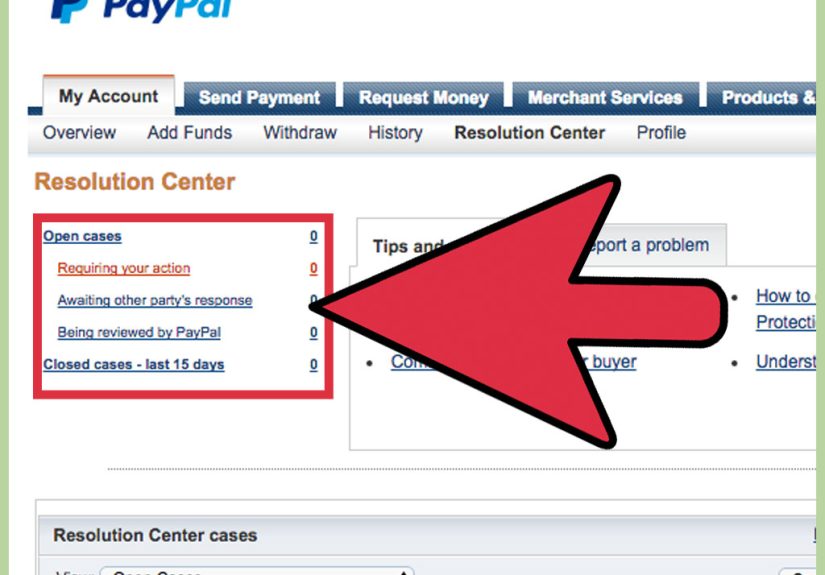
The most common way to dispute a PayPal transaction is through the PayPal Resolution Center. This is the best first step when you bought something using PayPal and the purchase went wrong. Think of it as PayPal’s official “let’s sort this out before everyone starts typing in all caps” room.
When to Use This Method
Use the PayPal Resolution Center when the seller has not delivered the item, the product or service is significantly different from the description, the seller is not responding, or there is a billing issue such as a duplicate charge. For eligible purchases, PayPal Purchase Protection may cover the full purchase price plus original shipping costs, depending on the facts and PayPal’s rules.
Common examples include:
- You bought headphones, but the seller shipped an empty box.
- You ordered a leather jacket, but received a thin plastic costume piece that smells like regret.
- The tracking number says “delivered,” but it went to a different city.
- You were charged twice for the same order.
- The seller promised a refund but stopped answering messages.
How to Open a PayPal Dispute
To open a dispute on PayPal, log in to your account and go to the Resolution Center. Choose “Report a Problem,” select the transaction, and follow the prompts. If you are using the PayPal app, go to Activity, tap the transaction, scroll to “Report a Problem,” select the issue, and submit the details.
Be specific. Instead of writing, “This seller is terrible,” explain what happened: “I ordered a new black backpack on March 4. The listing showed a waterproof travel backpack with a laptop pocket. I received a small canvas bag with no laptop pocket on March 12. I messaged the seller on March 13 and March 16 but received no response.”
What Evidence Helps Your Case?
Good evidence can make your PayPal dispute stronger. Save screenshots of the product listing, seller messages, order confirmation, tracking information, delivery updates, photos of the item received, packaging photos, and any refund promises. Do not edit screenshots in a way that changes their meaning. PayPal wants clear, honest documentation, not a dramatic courtroom poster.
If the item was fake or significantly different, compare the listing description with what arrived. For example, if the listing said “authentic wireless earbuds with noise cancellation” and you received a generic wired pair, take photos and include the original listing text. If the item arrived damaged, photograph the package, the shipping label, and the damaged item.
Escalating a Dispute to a Claim
Opening a dispute starts a conversation between you and the seller. If the seller does not resolve the issue, you can escalate the dispute to a PayPal claim. Escalation asks PayPal to investigate and decide the outcome.
This deadline is important: a PayPal dispute usually must be escalated within 20 days after it is opened, or it may close automatically. Once closed, a dispute may not be reopened or escalated. In plain English: do not open a dispute, forget about it, and come back three weeks later expecting the digital doors to still be open.
When PayPal Purchase Protection May Not Apply
PayPal Purchase Protection is not a magic refund wand. Personal payments, often called “Friends and Family” payments, are generally not covered for purchases. That is why a seller who says, “Send it as Friends and Family so we can avoid fees” should raise every red flag in the flag factory. If you are buying goods or services, use the goods and services payment option.
Coverage can also depend on eligibility, timing, item type, and whether you provide the information PayPal requests. You may also be required to return the item, and return shipping may not always be covered. Read the instructions in your case carefully and respond on time.
Way 2: Report an Unauthorized PayPal Transaction
If you see a PayPal payment you did not make or approve, treat it differently from a normal purchase dispute. This is not “the seller sent the wrong size.” This is “someone may have accessed my account or payment method.” Speed matters.
What Counts as Unauthorized Activity?
An unauthorized transaction is a payment you genuinely did not authorize. It may happen if someone gets into your PayPal account, uses a linked card, or makes a payment without your permission. However, a purchase you regret, a subscription you forgot about, or a family member using a shared device may not qualify as unauthorized activity.
Before filing, check whether the charge could be connected to a recurring payment, trial subscription, app store purchase, or merchant name you do not recognize. If it still looks wrong, report it right away.
How to Report Unauthorized Activity on PayPal
Log in to PayPal, go to the Resolution Center, click “Report a Problem,” select the payment, and choose the option for unauthorized activity. On the app, go to Activity, tap the transaction, tap “Report a Problem,” choose the reason, and follow the instructions.
After reporting, change your PayPal password, update security questions, review linked cards and bank accounts, and enable two-factor authentication if it is not already active. Also check your email account, because a compromised email can be the sneaky side door into financial accounts.
What to Do If You Suspect Fraud
If you believe your account was compromised, review all recent PayPal activity, not just the one transaction. Scammers rarely politely stop after one charge because they have suddenly discovered personal growth. Contact your bank or card issuer if the unauthorized payment used a linked funding source. You may also need to report identity theft or fraud to the appropriate consumer protection agency if your personal information was misused.
Watch for fake PayPal emails and invoices, too. Do not call phone numbers inside suspicious messages. Do not click links in unexpected emails or texts. Go directly to PayPal by typing the address into your browser or using the official app.
Way 3: Dispute the Charge With Your Card Issuer or Bank
Sometimes the best route is not only PayPal. If the PayPal transaction was funded by a credit card, debit card, or bank account, you may also have rights through your financial institution. This is commonly called a chargeback for card payments, though banks may use different terms depending on the payment type.
When This Method Makes Sense
Contact your card issuer or bank when the payment was unauthorized, the merchant will not resolve the issue, PayPal does not provide a satisfactory outcome, or the transaction appears directly on your card or bank statement. For credit cards, U.S. billing dispute rules often require you to act quickly, especially for billing errors. For bank and debit transactions, electronic fund transfer protections also depend heavily on fast reporting.
This method can be useful if you paid through PayPal using a credit card and the seller never delivered the item. It can also help if your bank account shows an unauthorized PayPal withdrawal. However, do not file multiple disputes carelessly. If you open a PayPal dispute and a card chargeback at the same time, the processes can overlap and complicate the case.
How to File a Card or Bank Dispute
Call the number on the back of your card, log in to your banking app, or use your card issuer’s online dispute center. Explain the charge, the date, the amount, the merchant, and why you are disputing it. If the issue is a billing error on a credit card statement, many consumer protection guides recommend sending a written notice within the required timeframe and keeping copies for your records.
Include supporting documents such as PayPal receipts, seller messages, delivery proof, screenshots, refund promises, photos, and notes from your PayPal case. Keep everything organized. A folder named “PayPal dispute evidence” is boring, yes, but boring wins disputes more often than chaos.
Credit Card vs. Debit Card Disputes
Credit card disputes and debit card disputes are not identical. A credit card charge is borrowed money on a billing statement, while a debit or bank transfer can remove money directly from your account. That is why fast action is especially important with debit and bank account issues.
If the transaction is unauthorized, contact the financial institution immediately. Ask what provisional credit, investigation timeline, and documentation they require. Write down the date, time, representative name, and case number. These notes can help if you need to follow up later.
PayPal Dispute Deadlines You Should Not Ignore
Deadlines can decide whether your case moves forward or quietly disappears into the internet fog. PayPal purchase disputes often have specific filing timeframes, and disputes must be escalated before the dispute window closes. Card issuers and banks also have their own dispute deadlines under federal rules and network policies.
The safest habit is simple: report problems as soon as you notice them. Waiting because you feel awkward, busy, or overly optimistic can reduce your options. The seller may be friendly, but your calendar is not sentimental.
Common Mistakes That Can Hurt a PayPal Dispute
Choosing the Wrong Dispute Reason
If the item arrived but was fake, do not file the case as “item not received.” If you authorized the payment but regret buying it, do not call it unauthorized. Choose the most accurate reason. PayPal may allow some reason changes in specific situations, but it is better to start correctly.
Using Friends and Family for Purchases
This is one of the biggest mistakes buyers make. Friends and Family is meant for personal payments, such as splitting dinner or sending money to someone you know. It is not designed for buying sneakers from a stranger with a profile picture of a sports car and zero reviews.
Closing a Dispute Too Early
Do not close a dispute because the seller promises, “Refund coming tomorrow, trust me.” If the refund actually arrives, great. If not, closing the dispute too early can leave you with fewer options. Keep the dispute open until the issue is fully resolved.
Missing PayPal Messages
PayPal may ask for additional information. If you ignore those requests, your claim may be denied. Check your email and Resolution Center regularly while the case is active.
Realistic Example: Item Not Received
Imagine you bought a refurbished tablet for $220. The seller uploaded a tracking number, but the carrier shows delivery to a ZIP code in another state. You message the seller and receive no useful response. In this case, open a PayPal dispute for “item not received,” upload the order confirmation, tracking page, seller messages, and your correct shipping address. If the seller does not fix the issue, escalate the dispute to a claim before the deadline.
Realistic Example: Significantly Not as Described
You order a “solid wood coffee table” and receive a flimsy particleboard table with scratches, missing screws, and the emotional energy of a collapsing sandwich. Take photos immediately. Save the listing that described the item as solid wood. Contact the seller first. If the seller refuses to help, open a PayPal dispute and clearly explain the difference between what was advertised and what arrived.
Realistic Example: Unauthorized Transaction
You wake up and see a $79.99 PayPal payment to a merchant you have never used. You check with your household, review subscriptions, and still do not recognize it. Report unauthorized activity in PayPal immediately, change your password, enable two-factor authentication, and contact the card issuer or bank connected to the payment. If other accounts show suspicious activity, treat it as a broader security problem.
of Practical Experience: What Actually Helps When Disputing a PayPal Transaction
In real life, winning a PayPal dispute is often less about sounding angry and more about sounding organized. A calm buyer with receipts, screenshots, dates, and a clear timeline usually looks more credible than someone who writes, “SCAM!!! REFUND NOW!!!” twelve times. The internet has trained us to believe that outrage is a strategy. In disputes, documentation is the strategy.
One helpful habit is to create a simple timeline. Write the purchase date, the expected delivery date, the date you contacted the seller, the seller’s response, the date the item arrived, and the date you opened the dispute. This makes your case easier to understand. PayPal representatives and automated systems are reviewing many cases; do not make them solve a mystery novel just to figure out what happened.
Another experience-based tip is to screenshot early. Product listings can disappear. Sellers can edit descriptions. Tracking pages can update. Messages can become hard to find. As soon as something looks wrong, capture the evidence. Save the listing title, price, description, seller name, shipping promise, and refund policy. If your dispute involves a fake or damaged item, take photos in good lighting from multiple angles. Include packaging and labels when relevant.
Communication also matters. Message the seller politely and directly. For example: “Hello, I ordered a blue size 10 running shoe, but I received a black size 8. I’ve attached photos. Please confirm whether you can send the correct item or issue a refund.” This type of message is better than a long emotional speech. It shows that you tried to resolve the issue before escalating.
Do not delay escalation if the seller stalls. Some sellers may keep saying “wait two more days” until the dispute window closes. Give the seller a fair chance, but watch your deadline. If you are approaching the escalation deadline and the issue is unresolved, escalate the dispute to a claim. Being nice does not require being careless.
For unauthorized transactions, the best experience is prevention plus speed. Use a strong unique password for PayPal, turn on two-factor authentication, and avoid clicking links in emails or texts. If you receive a suspicious invoice, do not panic-pay it. Log in directly through PayPal and inspect your account. Scammers love urgency because urgency makes people sloppy.
Finally, keep your expectations realistic. PayPal may side with you, ask you to return the item, deny the claim, or request more evidence. A card issuer or bank may also investigate separately. The goal is not to “beat” the system; the goal is to present the facts clearly and use the correct process. When you stay organized, act quickly, and choose the right dispute path, you give yourself the best chance of getting your money back without turning your week into a customer-service soap opera.
Conclusion
Disputing a PayPal transaction is not fun, but it is manageable when you know which route to take. Use the Resolution Center for purchase problems, report unauthorized activity immediately if you did not approve a payment, and contact your card issuer or bank when the funding source gives you additional dispute rights. The golden rules are simple: act fast, choose the right dispute reason, save evidence, respond to PayPal requests, and never use Friends and Family for purchases from sellers.
Money problems can make anyone feel stressed, but a clear process turns confusion into action. Whether your package vanished, your item looked nothing like the listing, or your account showed a charge you did not authorize, the best next step is the same: document everything and start the right dispute process today.
Note: This article is for general informational purposes only. PayPal, banks, and card issuers may update their dispute rules, timelines, and eligibility requirements, so users should always review the latest account-specific instructions before filing a dispute.