Table of Contents >> Show >> Hide
- Why Vintage TV Trays Still Matter
- First, Figure Out What You Have
- Restore Before You Reinvent
- The Best Practical Uses for Vintage TV Trays
- Creative Repurposing Ideas That Actually Make Sense
- How to Make Vintage TV Trays Look Stylish Today
- Should You Paint Vintage TV Trays?
- When to Sell, Donate, or Pass Them On
- Conclusion
- Experiences People Commonly Have With Vintage TV Trays
- SEO Tags
Vintage TV trays are one of those marvelous household survivors that somehow managed to outlive black-and-white television, frozen Salisbury steak, and the national belief that every meal tastes better when eaten three feet from a console set the size of a Buick. Once considered simple convenience furniture, vintage TV trays are now equal parts practical, nostalgic, decorative, and surprisingly versatile. If you found a set in your attic, inherited one from a grandparent, or spotted a retro gem at a thrift store, you may be wondering what to do with vintage TV trays without turning your home into a museum of snack-related decisions.
The good news is that these folding little workhorses still earn their keep. They can stay true to their original purpose, be refinished and reused, or be repurposed into stylish, useful pieces for modern living. The trick is knowing when to preserve them, when to restore them, and when to give them a clever second act. In other words: not every tray needs a dramatic makeover. Some just need a bath, a little respect, and fewer crumbs.
Why Vintage TV Trays Still Matter
Before deciding what to do with your vintage TV trays, it helps to understand why they are worth keeping in the first place. TV trays became icons of mid-century American life because they matched the rise of television culture and convenience dining. They were compact, foldable, easy to store, and perfect for casual living. Today, that same flexibility is exactly what makes them useful again.
There is also a design advantage. Vintage furniture and decor bring warmth, character, and that hard-to-fake “collected over time” feeling that brand-new mass-market pieces often miss. A vintage TV tray can add personality to a modern room, especially when you mix it with cleaner lines, neutral upholstery, or contemporary lighting. The result is not “grandma’s den recreated exactly.” It is a layered, lived-in space with charm and a sense of humor.
First, Figure Out What You Have
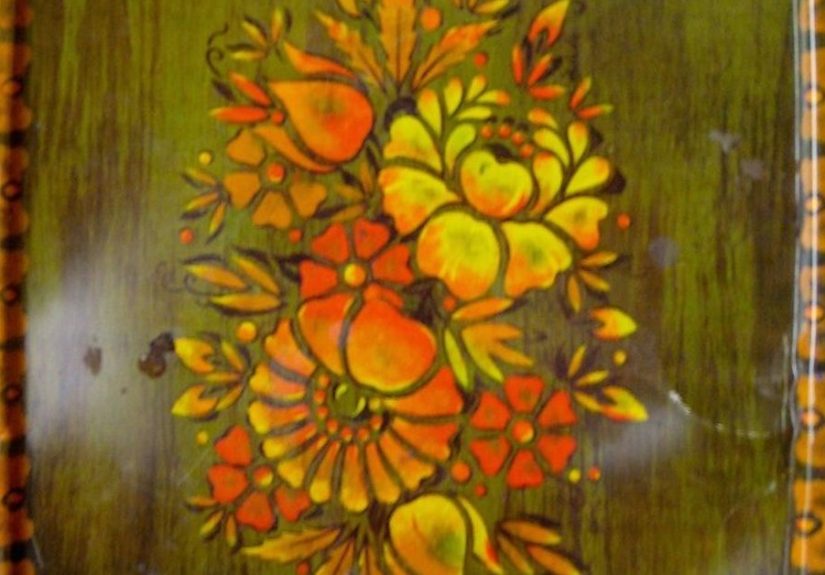
Not all vintage TV trays deserve the same treatment. Some are basic utility pieces ready for paint and reinvention. Others may have original graphics, faux woodgrain, atomic patterns, floral prints, chrome legs, or maker marks that make them more interesting as collectibles. Before you grab sandpaper like an overenthusiastic raccoon, inspect the set carefully.
Check the condition
Look for rust on metal legs, peeling laminate, loose hinges, wobbling stands, water damage, missing feet, or surface scratches. Minor wear is normal. Structural instability is not. If the tray top is still firm and the legs open and close properly, you are probably working with a salvageable piece.
Look for original details
Patterns, decals, stamped labels, and unusual finishes may be worth preserving. If the design is especially charming and mostly intact, restoration is often smarter than total reinvention. Vintage pieces tend to look best when their quirks are treated like character and not like crimes.
Think about material
Many vintage TV trays combine metal frames with laminate, wood-look, or composite tops. That matters because each material needs different care. Metal can often be cleaned, primed, and repainted beautifully. Laminate or coated tops require gentler prep so you do not sand right through the surface and turn your retro treasure into a sad, fuzzy board.
Restore Before You Reinvent
If your trays are still charming but tired, restoration may be the best move. A careful refresh preserves the vintage appeal while making the piece cleaner, safer, and sturdier to use. This is especially wise if you want the trays to remain recognizable as vintage TV trays instead of becoming “experimental objects with trust issues.”
Clean them thoroughly
Start with a gentle cleaning. Remove dust, greasy residue, and old grime with mild soap, water, and a soft cloth. Avoid soaking tray tops, especially if the material is laminate or composite. Damp is good. Drenched is how you end up telling a tragic story at dinner parties.
Treat rust and chipped paint carefully
If the metal legs have rust, remove loose debris with a flexible sanding pad, fine sandpaper, or steel wool where appropriate for bare metal components. Then wipe the surface clean before priming. Multiple light coats of rust-inhibiting primer and paint usually produce a better finish than one thick, drippy coat that screams “I regret nothing.”
Use the right prep on laminate-style tops
If the top has a glossy laminate or melamine-like finish, lightly scuff the surface so paint can grip, but do not aggressively sand through it. After prep, wipe away dust and let the surface dry fully before priming or painting. This is one of those rare life situations where restraint is sexy.
Watch for lead on older painted surfaces
If your vintage tray has old painted components and you suspect it could predate modern lead-safety standards, take precautions before sanding or stripping. Test when appropriate, work in a contained area, and avoid creating dust unnecessarily. Safety may not be glamorous, but neither is accidentally turning a fun furniture project into a chemistry problem.
The Best Practical Uses for Vintage TV Trays
If your trays are in decent shape, the easiest answer to what to do with vintage TV trays is also the most obvious: use them. Their original design still solves modern problems remarkably well.
1. Keep them as snack and drink tables
This may sound uncreative, but it is actually the point. Vintage TV trays are excellent side surfaces for movie night, game day, takeout dinners, desserts, coffee service, or holiday overflow seating. In smaller homes, they are incredibly handy because they appear when needed and disappear when not. That is the kind of low-drama relationship we should all aspire to.
2. Use them as small-space side tables
In apartments, guest rooms, and reading corners, a vintage TV tray can work as a temporary side table beside a chair or sofa. Add a lamp, a coaster, and a stack of books, and suddenly the tray looks intentional instead of like it wandered in from 1962.
3. Make them bedside helpers
A vintage TV tray makes a practical bedside table in tight bedrooms, dorm-style setups, or guest spaces. It is perfect for a lamp, glasses, a water carafe, a journal, or the remote control you definitely swore you left right there.
4. Turn them into laptop or hobby stations
These trays are ideal for lightweight work-from-home tasks, crafting, journaling, puzzles, knitting, coloring, or even a compact sewing setup. If you need a flexible surface that can move from sofa to chair to closet, vintage TV trays are oddly brilliant.
5. Create a plant stand cluster
One tray can hold a plant. A full set can become a tiered-looking display when arranged at different heights around a window or sunroom. Use saucers under pots, protect vulnerable tops, and do not let standing water sit there like it pays rent.
6. Use them for entertaining
Vintage TV trays shine during parties. Set one up as a dessert station, coffee service corner, cocktail garnish table, or place for napkins and appetizer plates. They are especially useful when your dining table is already full and your kitchen counters are giving you the silent treatment.
Creative Repurposing Ideas That Actually Make Sense
If you want something more imaginative, vintage TV trays are excellent candidates for tasteful repurposing. The best makeovers preserve their usefulness while giving them new personality.
Turn one into a bar cart alternative
A single tray can become a compact drink station with glassware, a decanter, napkins, citrus, and a small ice bucket nearby. It is not technically a cart, of course, because it does not roll. But it delivers the same spirit: stylish service in a small footprint.
Create a fold-away entry station
Place a tray near the front door with a catchall bowl, mail organizer, and small lamp. It can function as a landing spot for keys and daily essentials without committing to a full console table. This works especially well in rentals and narrow hallways.
Use the tray top as display art
If the tray has a fabulous pattern but the structure is beyond repair, you can preserve the top as wall decor. Mounted or leaned on a shelf, a graphic tray becomes instant vintage art. This is a good option for damaged sets where one or two pieces still have visual appeal.
Make a kids’ activity station
Vintage TV trays can be excellent supervised surfaces for coloring, LEGO sorting, sticker books, or snacks. They are portable, easy to store, and less intimidating than a full desk. Just avoid using fragile collectible pieces for the glue-stick years unless chaos is your chosen aesthetic.
Build a seasonal decorating rotation
Because they are portable, TV trays are great for changing vignettes throughout the year. In spring, style one with flowers and books. In fall, use it for candles and a small arrangement. During the holidays, it can become a cocoa station, cookie landing pad, or gift-wrap helper.
How to Make Vintage TV Trays Look Stylish Today
The biggest fear people have about vintage TV trays is that they will look dated in the wrong way. Not charmingly retro. More like “the basement still has shag carpet and a mysterious fondue fork.” Styling solves that.
Mix old with new
Pair the trays with modern seating, simple textiles, or a restrained color palette. Vintage pieces look strongest when they have something fresh nearby to balance them.
Repeat materials or colors in the room
If your tray has brass-toned legs, echo that with a lamp or frame. If the tray top has green, blue, or warm wood tones, repeat them elsewhere in the room. That makes the piece feel connected instead of random.
Do not over-theme the space
One or two retro touches feel curated. Twelve of them can start to look like your living room is charging admission. Let the TV trays be part of the story, not the entire cast.
Should You Paint Vintage TV Trays?
Yes, sometimes. No, not always. If the original finish is badly damaged, generic, or already altered, painting can be a smart way to give the piece new life. A glossy black, warm cream, muted olive, or rich navy can make an older tray feel surprisingly sophisticated. Patterned paper, decoupage, or fabric under a protective topcoat can also work when done neatly.
But if the tray has a strong original design, crisp vintage graphics, or collectible charm, painting it may erase the very thing that makes it special. In general, paint the forgettable ones. Preserve the fabulous ones. This is good advice for furniture and maybe also for dating, but let us stay on topic.
When to Sell, Donate, or Pass Them On
Sometimes the answer to what to do with vintage TV trays is simple: let someone else love them. If you do not need them and do not want to store them, consider selling the set locally or online, especially if it includes the original stand and matching pieces. Photograph the pattern clearly, show the condition honestly, and mention any maker marks or original labels.
If the trays are sturdy but not especially valuable, donation is another great option. Many people love secondhand furniture with character, especially pieces that fit small homes. And if the set came from family, passing it on to a relative may be the best outcome of all. Nostalgia travels surprisingly well when it folds flat.
Conclusion
Vintage TV trays are far more useful than their humble reputation suggests. They are practical for entertaining, perfect for small-space living, easy to style with modern decor, and full of nostalgic charm. Whether you clean them up, repaint them, preserve them, repurpose them, or pass them on, the best choice is the one that respects both the piece and your actual life.
So if you have a set of vintage TV trays tucked in a closet or sitting in a garage, do not dismiss them as outdated leftovers from the era of TV dinners and rabbit-ear antennas. With a little attention, they can become side tables, serving stations, plant stands, work surfaces, or conversation pieces. Not bad for furniture originally designed to hold meatloaf in front of a sitcom.
Experiences People Commonly Have With Vintage TV Trays
One of the most interesting things about vintage TV trays is how often people underestimate them at first. They discover a set at a yard sale, inherit one from a grandparent, or rescue a stack from the garage, and the initial reaction is usually something like, “These are cute, but what am I supposed to do with them?” Then life happens, guests arrive, furniture proves insufficient, and suddenly the trays become the hardest-working objects in the house.
A very common experience is the “holiday overflow miracle.” A family pulls out the vintage tray set for extra dessert plates, coffee cups, or children who would rather eat by the fireplace than at the crowded dining table. What began as backup furniture becomes a tradition. People remember which tray they always choose. Someone claims the floral one. Someone insists the faux woodgrain one is luckier. Before long, the trays are not just useful; they are part of the ritual.
Another frequent experience comes from small-space living. People in apartments often realize that a folding vintage TV tray solves several problems at once. It becomes a laptop table during the day, a dinner surface at night, and a temporary side table when company comes over. Unlike bulky furniture, it can disappear into a closet or behind a sofa. Many people end up keeping a tray around not because it is nostalgic, but because it is genuinely smarter than a giant table that hogs precious floor space.
Collectors and vintage lovers tend to describe a different kind of satisfaction: the thrill of finding a set with a pattern that still feels alive. Maybe it has atomic stars, fruit graphics, metallic trim, or a cheerful print that instantly transports them to another era. They clean it up, tighten a few screws, and suddenly the tray is not junk. It is personality. It is history with folding legs.
There is also the makeover experience, which usually begins with confidence and ends with humility. Someone decides to repaint a worn tray, learns that prep matters more than wishful thinking, sands a little too much, fixes it, primes it properly, and eventually ends up with a piece they truly love. What they remember most is not perfection. It is the transformation. Vintage TV trays are small enough to feel approachable, which makes them one of those rare DIY projects that teach useful lessons without requiring a full garage workshop or a dramatic television soundtrack.
And then there is the emotional side. A vintage TV tray can carry memory in a way newer furniture simply does not. People remember grandparents eating soup on them, parents serving birthday cake on them, or siblings using them for board games and cartoons. Reusing those trays in a present-day home often feels less like decorating and more like continuing a story. That may be the best reason to keep them. They are practical, yes. They are stylish, potentially. But they are also familiar. In a house full of replaceable things, that kind of staying power is rare.