Table of Contents >> Show >> Hide
- Why People Want Flavored Tobacco in the First Place
- 1. Choose Professionally Made Aromatic Products Instead of DIY Experiments
- 2. Build Flavor Through Pairings, Not Additives
- 3. Create a Signature Aroma Environment Instead of Altering the Tobacco
- What to Avoid If You’re Tempted to DIY Flavor Tobacco
- A Better Strategy for Aroma Lovers
- Experience Section: What People Are Really Chasing When They Search for “3 Ways to Flavor Cigars or Pipe Tobacco”
- Conclusion
Let’s be honest: when people search for ways to flavor cigars or pipe tobacco, they’re usually not chasing chemistry. They’re chasing a mood. A memory. A richer, warmer, more personal smoking ritual that feels less like plain tobacco and more like cedar, vanilla, coffee, spice, or old-library sophistication.
That impulse makes sense. Aroma is powerful. It can turn an ordinary moment into a tiny ceremony. The problem is that DIY flavoring tobacco at home is one of those ideas that sounds charming in theory and goes sideways in practice. Home methods can affect burn quality, moisture balance, storage stability, and overall safety. In plain English: what starts as “I just want a hint of cherry” can end as “Why does this smell weird, feel damp, and taste like regret?”
This article takes a smarter route. Instead of giving instructions for altering cigars or pipe tobacco directly, it explores three safer, more refined ways to build the flavor experience people actually want. You still get aroma, atmosphere, and personalitywithout turning your humidor into a science fair project.
Why People Want Flavored Tobacco in the First Place
Before getting into better alternatives, it helps to understand the appeal. Most people interested in flavored cigars or aromatic pipe tobacco are looking for one or more of these things:
- A smoother, sweeter aroma
- A more approachable taste profile
- A signature ritual that feels personal
- A room note that seems more pleasant
- A break from strong, earthy, or peppery tobacco notes
In other words, this is usually less about nicotine and more about sensory storytelling. People want the tobacco experience to feel warmer, softer, richer, or more memorable. The good news is that a lot of that experience can be shaped without pouring, spraying, soaking, or “infusing” anything into the tobacco itself.
1. Choose Professionally Made Aromatic Products Instead of DIY Experiments
If the real goal is a sweeter or more distinctive aroma, the most sensible option is also the least glamorous: buy blends or products that were designed that way from the start. Yes, I know. It’s not as dramatic as “my grandfather aged leaf with secret kitchen ingredients.” But it is far more predictable.
Why this works better
Commercial aromatic pipe tobaccos and professionally blended cigar products are made with consistency in mind. The moisture level, casing, top note, and balance are controlled during production instead of improvised in someone’s kitchen next to a half-empty bottle of vanilla extract and a very optimistic orange peel.
That matters because tobacco is touchy. Too much moisture can change the burn. Too much sweetness can flatten complexity. Too much added scent can overwhelm the original character. A professionally made aromatic product is at least trying to create balance, not chaos in formalwear.
What to look for
When shopping, pay attention to the language used in descriptions. Terms like aromatic, room note, vanilla, cocoa, bourbon, maple, spiced, or dessert-style usually signal a softer, sweeter sensory profile. For pipe tobacco, this can mean blends built to smell inviting in the room as well as in the bowl. For cigars, it can mean products with a naturally sweeter wrapper profile or factory-finished aromatic character.
Why this is more user-friendly
You avoid the guesswork. You avoid inconsistent batches. You avoid accidentally turning an expensive cigar into a sticky, uneven-burning mystery item. And perhaps best of all, you avoid becoming the person who says, “It tasted amazing in theory.”
For many readers, this is the simplest answer to the question of how to flavor cigars or pipe tobacco more enjoyably: don’t reinvent the product; choose the right product.
2. Build Flavor Through Pairings, Not Additives
Here’s the secret many enthusiasts eventually discover: what you smell and taste during a smoke is not only about the tobacco. It is also about what surrounds it. Pairings can shape the experience dramatically, often more elegantly than direct DIY flavoring ever could.
Coffee is the overachiever of pairings
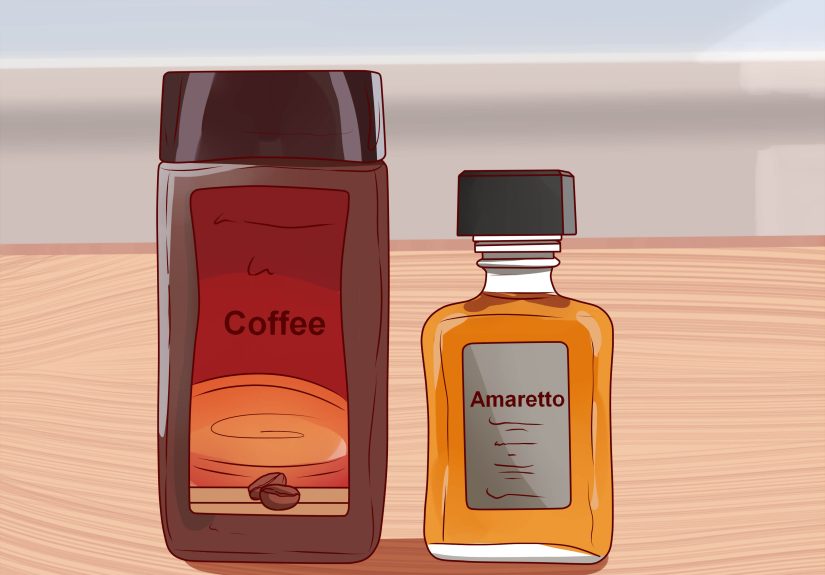
A rich black coffee can pull out cocoa, cedar, roasted nut, and caramel-like notes that might otherwise stay in the background. Suddenly, an ordinary smoke feels deeper and rounder. No syrups. No spritzing. No suspicious dampness.
If you prefer a lighter mood, a latte or cappuccino can soften sharper edges and make the whole experience feel sweeter, even when the tobacco itself has not changed.
Tea creates a more delicate aromatic experience
Tea is underrated in this conversation. Earl Grey can add a citrus-and-floral lift to the moment. Chai can introduce spice associations. A malty black tea can bring warmth without the heaviness of alcohol. Green tea can make stronger blends feel cleaner and more restrained.
This is an excellent option for people who are really searching for aroma and atmosphere, not brute-force sweetness.
Dark chocolate, nuts, and dried fruit add context
A small piece of dark chocolate, a few toasted almonds, or a side of dried cherries can influence how the tobacco feels on the palate. You are not changing the leaf. You are changing the frame around it. That frame matters more than many beginners realize.
Think of it like lighting in a room. The furniture is the same, but somehow everything looks better.
Why pairings beat home flavoring
Pairings preserve the original product while still giving you a more expressive, customized experience. They also let you experiment without ruining anything. If a pairing doesn’t work, you move on. If a DIY tobacco flavoring attempt goes badly, you may be left with a whole batch of tobacco that smells like dessert and disappointment.
3. Create a Signature Aroma Environment Instead of Altering the Tobacco
Sometimes the thing people think they want is flavored tobacco, when what they really want is a signature sensory setting. That distinction matters. The environment can shape the experience just as much as the product.
Cedar, leather, and wood notes matter
A cedar-lined humidor, a wooden tray, or a room with warm wood elements can reinforce the natural aromatic identity of cigars without modifying them. Even the scent memory of leather chairs, bookshelves, or a classic lounge setup can influence how people describe the smoke.
No, your bookshelf is not seasoning your tobacco like a cast-iron skillet. But sensory association is real, and it is powerful.
Ambient aroma can change the mood
Fresh coffee nearby, brewed tea, a bowl of baking spices on a table, or even a clean room with cedar sachets can create the kind of aromatic atmosphere people often try to force into tobacco itself. The result feels intentional instead of improvised.
The key word here is nearby, not mixed in. The environment supports the ritual; it does not soak into the product.
Presentation adds perceived richness
Use a nice tray. Pour a thoughtful drink. Choose a setting with low visual clutter. Add a proper glass, a notebook, a record, or a playlist with some old-school charm. These details sound cosmetic, but they influence perceived flavor more than people think.
Humans are wonderfully biased creatures. Give us cedar, jazz, and espresso, and we’ll swear we taste sophistication.
What to Avoid If You’re Tempted to DIY Flavor Tobacco
Even without giving step-by-step instructions, it’s worth naming the common mistakes people make when trying to flavor cigars or pipe tobacco at home.
Kitchen extracts and sweet liquids
These can throw off moisture, leave residues, and create harsh or artificial results. Something that smells cozy in a bottle does not automatically behave well around tobacco.
Fruit peels and food-based storage tricks
These can introduce instability, odd smells, and unwanted moisture swings. What begins as “natural flavor” can end as stale, musty, or uneven.
Heavy-handed scenting
Too much added aroma can flatten the original character of the tobacco. Instead of complexity, you get a one-note performance. And it is usually the loudest, least subtle note in the room.
Trying to fix a product you already dislike
If a cigar or blend isn’t working for you, flavoring experiments may not rescue it. Often the better answer is to choose a milder, sweeter, or more aromatic product from the start.
A Better Strategy for Aroma Lovers
If you love the idea of a more flavorful smoking ritual, think in layers:
- Start with a product whose profile already leans aromatic or approachable.
- Use pairings like coffee, tea, chocolate, or nuts to create depth.
- Shape the environment so the whole ritual feels warm, polished, and intentional.
That approach gives you the sensory payoff people usually want from flavored tobacco, without the trial-and-error mess of home alteration. It also respects the original craftsmanship of the product, which is a very elegant way of saying, “Please stop marinating your cigar in bad ideas.”
Experience Section: What People Are Really Chasing When They Search for “3 Ways to Flavor Cigars or Pipe Tobacco”
Talk to enough cigar and pipe enthusiasts and a pattern appears quickly: very few are actually obsessed with adding flavor for the sake of novelty alone. What they are chasing is a more vivid ritual. One person remembers walking into a tobacco shop for the first time and being hit by a cloud of cedar, coffee, paper, and warm spice. Another remembers an older relative who kept a pipe rack near a bookshelf, where the whole room carried a soft, lingering scent that felt wise, calm, and impossibly grown-up. Someone else remembers a winter evening on a porch, a mug of coffee in hand, where the tobacco itself seemed less important than the atmosphere built around it.
That emotional layer matters. Aroma is memory with better marketing. It connects people to places, seasons, routines, and identities. A vanilla note can remind someone of a bakery. A woodsy note can evoke a cabin. A cocoa-like finish can feel luxurious even in a very ordinary moment. This is why so many people become interested in flavoring tobacco in the first place: they are trying to recreate a feeling, not just a taste.
But experience teaches something else too. The best moments usually do not come from tampering with the tobacco. They come from context. A good chair. A quiet room. A favorite drink. A record playing softly. A conversation that takes its time. Even the ritual of cutting, packing, lighting, or simply sitting still for once can change the experience more than any homemade flavor trick ever could.
Many longtime enthusiasts eventually grow out of the urge to “improve” everything. They stop searching for dramatic add-ons and start appreciating balance. They notice how a cigar feels different with espresso than with sparkling water. They learn that one pipe blend seems sweeter in cool weather and fuller after dinner. They begin to understand that sensory enjoyment is often about subtraction, not addition. Less fuss. Better setting. More attention.
There is also a practical lesson hidden in these experiences. People remember the moments that felt effortless. They do not reminisce fondly about sticky experiments, overpowering scents, or storage mistakes that ruined a batch. They remember the pairing that clicked, the aroma of cedar when the humidor opened, the clean snap of a crisp evening, or the comforting blend of coffee and conversation. Those are the details that stay.
So when readers search for ways to flavor cigars or pipe tobacco, the smartest answer may not be a recipe at all. It may be a reminder that the richest experiences are usually designed around the tobacco, not forced into it. Aroma, ritual, mood, and memory can all be deepened without turning the leaf into a kitchen project. And frankly, that is a much classier story.
Conclusion
If you want a richer, sweeter, or more memorable cigar or pipe experience, direct DIY flavoring is rarely the best solution. A better path is to choose professionally made aromatic products, use thoughtful pairings, and create a sensory environment that supports the ritual. That approach is cleaner, smarter, and much more consistent.
In the end, the most satisfying flavor is often not something you add. It is something you notice more clearly when everything else is working together.