Table of Contents >> Show >> Hide
- What You’ll Learn
- Quick Stain-to-Solution Guide (So You Don’t Overthink It)
- Method 1: Baking Soda Scrub (The “Don’t Panic” Fix)
- Method 2: Deep-Soak Boosters (Oxidizers That Lift the Color Out)
- Method 3: Scouring Powders for Scuffs, Silverware Marks, and Stains That Aren’t “Food”
- How to Keep Dishes from Getting Deep Stains Again
- FAQ
- Conclusion
- Extra: Real-Life Stain-Fighting Experiences ()
Deep stains on dishes have a special talent: they show up right when guests arrive. One minute you’re serving “cozy soup night,”
the next you’re staring at a mug that looks like it’s been brewing tea since the Stone Age.
The good news: most “permanent” dish stains aren’t permanentthey’re just stubborn. The trick is matching the stain to the right
type of cleaning action: gentle abrasion (for surface buildup), oxidation (for pigments like coffee, tea,
tomato sauce), or polishing/chelating (for gray utensil marks and mineral-related discoloration).
Quick Stain-to-Solution Guide (So You Don’t Overthink It)
- Tea/coffee rings on mugs: Start with baking soda paste. If it laughs at you, use a soak.
- Orange/red stains on plastic (tomato sauce, curry): Degrease first, then oxidize with a soak or sunlight.
- Gray marks on plates (silverware scuffs): Skip bleachuse a gentle scouring powder.
- Yellowing on white ceramic/porcelain: Try peroxide or denture tabs before anything harsher.
- Mystery “dishwasher film”: Often minerals + detergent builduptry a mild scrub, then adjust dishwasher habits.
Safety mini-lecture (30 seconds, promise)
If you use bleach or any strong cleaner: never mix products (especially bleach with ammonia or acids like vinegar),
work in a ventilated area, and rinse dishes thoroughly. When in doubt, use one product at a time and wash normally afterward.
Method 1: Baking Soda Scrub (The “Don’t Panic” Fix)
Baking soda is a classic for a reason. It’s mildly abrasive (so it helps lift grime without sandblasting your dishware),
and it’s alkaline (which helps break up oily residue and the sticky stuff stains cling to). It’s often all you need for
coffee/tea stains, hazy buildup, and general “why does this plate look tired?” vibes.
Best for
- Coffee and tea stains on mugs
- Light-to-moderate stains on ceramic, porcelain, stoneware, and glass
- Cloudy residue from hard water or dishwasher detergent buildup (mild cases)
What you need
- Baking soda
- A little water (or dish soap)
- Soft sponge or non-scratch scrub pad
- Optional: lemon juice or salt (for extra scrubbing power)
Step-by-step
-
Pre-wash the dish. Use warm water + dish soap first. This removes grease, which can “seal in” stains.
(Yes, even if the dish looks clean. Grease is sneaky.) -
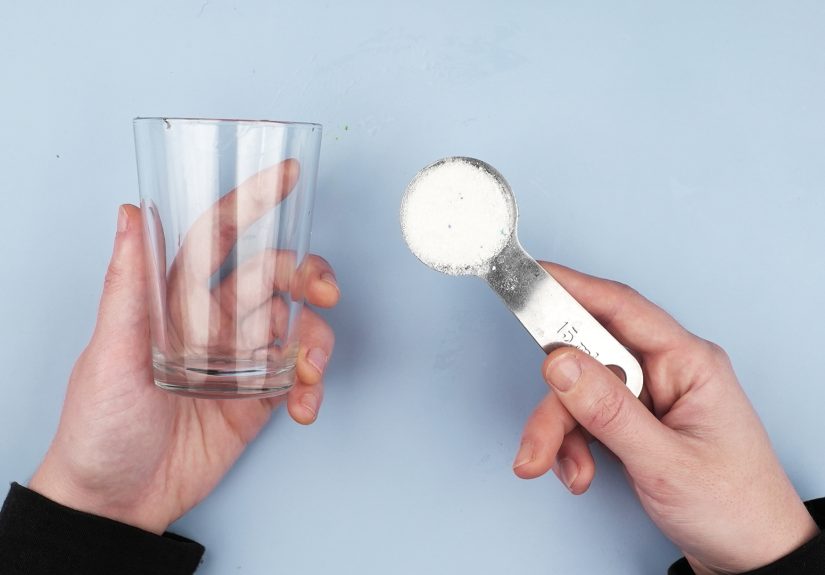
Make a paste. Add just enough water to baking soda to make a thick pastethink “toothpaste,” not “soup.”
If you want more cling, use a drop of dish soap instead of extra water. -
Apply and wait. Spread the paste over the stained area. Let it sit for 5–15 minutes. This is where the magic happens:
the paste softens the stain so you don’t have to scrub like you’re training for a medieval tournament. - Scrub gently. Use a soft sponge in small circles. Add a sprinkle more baking soda if you need extra traction.
-
Rinse and inspect. Rinse thoroughly with warm water. If the stain is lighter but still there, repeat once more
or jump to Method 2.
Pro tips (aka: how to work smarter)
- For mug rings: Damp mug + baking soda directly (no paste bowl needed). Quick, effective, no drama.
- For glassware: Use a very soft sponge to avoid micro-scratches that can make future stains stick more.
- For delicate patterns or gold trim: Avoid any gritty scrub. Use the soak method instead.
Example
You have a white ceramic mug with a brown tea halo near the bottom. A baking soda paste (10 minutes of sit time)
usually lifts the tannin stain with gentle scrubbingoften faster than a dishwasher cycle and without harsh chemicals.
Method 2: Deep-Soak Boosters (Oxidizers That Lift the Color Out)
If baking soda is a broom, this method is a moving crew. Deep stains often come from pigments (coffee, tea, tomato sauce,
curry, berries) that bond to microscopic pores in ceramic or cling to plastic. Soaking with stain-lifting agents helps
break down the color so it releases from the surface instead of being scrubbed into submission.
Best for
- Deep tea/coffee stains that return the minute you blink
- Red/orange stains on plastic containers
- Yellowing on white ceramics (when it’s stain-related, not damage)
Option A: Denture tablets (shockingly effective)
Denture tablets are designed to lift stains and deodorize. When dissolved in warm water, they create an active cleaning solution
that can loosen deep discoloration with minimal scrubbing.
- Fill the stained mug/bowl/container with warm water.
- Drop in 1–2 denture tablets (follow package guidance).
- Let soak 2–8 hours (overnight for heavy staining).
- Wash with dish soap afterward, then rinse well.
Great for: coffee/tea-stained mugs, funky plastic containers, and anything that needs “set it and forget it” energy.
Option B: Hydrogen peroxide soak (the gentle “whitening” approach)
Household hydrogen peroxide (the typical 3% kind) can help lift stains on white or light-colored ceramic and porcelain.
It’s especially handy when you want a stronger option than baking soda but still want to stay in the “reasonable adult” zone.
- Rinse the dish and place it in a bowl or sink basin.
- Cover the stained area with hydrogen peroxide (or soak paper towels in peroxide and lay them over the stain to keep it in contact).
- Let sit 30 minutes to a few hours (check periodically).
- Wash with dish soap and rinse thoroughly.
Notes: Test first on vintage or decorated china. Some finishes and metallic trims can be sensitive to prolonged soaking.
Option C: Oxygen-based cleaners (for “I’m done being polite” stains)
Oxygen bleach-style cleaners (think “oxygen-based stain lifters”) can be effective for stubborn organic stains. They’re different from chlorine bleach:
they rely on oxygen release to break down stains, and they’re often gentler on colors (though you should still test on delicate finishes).
- Dissolve the product in warm water per label instructions.
- Soak stained dishes for 1–6 hours, depending on severity.
- Wash and rinse thoroughly afterward.
Special case: Tomato stains on plastic (why they’re so rude)
Tomato sauce stains often stick because pigments bind to plastic more aggressively when oil is present.
So do this in two stages:
- Degrease first: wash with hot water + dish soap.
- Then oxidize: use denture tabs, oxygen cleaner, or a peroxide soak.
If the container is safe for it and you’re comfortable: letting a lemon-juice wipe-down sit in sunlight can help fade pigments too.
(Sunlight can act like a natural “bleaching” assistantbut don’t do this for delicate finishes or anything that might warp.)
If you’re considering chlorine bleach
Chlorine bleach can work on white, non-porous items (think plain white plastic or sturdy white ceramic), but it’s a last resort.
Always dilute according to the product label, avoid splashing, ventilate well, and rinse thoroughly. Never mix it with other cleaners.
If you want “deep clean” without the heavy chemistry, try the denture/peroxide/oxygen options first.
Method 3: Scouring Powders for Scuffs, Silverware Marks, and Stains That Aren’t “Food”
Some stains aren’t stainsthey’re metal transfer (gray streaks from utensils) or mineral discoloration
(from hard water). For these, soaking in peroxide might do nothing because there’s no pigment to oxidize. Instead, you need a gentle polishing action,
often from a mild abrasive and (in some products) ingredients that help break up staining compounds.
Best for
- Gray scuff marks on plates and bowls (silverware marks)
- Rust-like discoloration (on appropriate surfaces)
- Stubborn stuck-on residue that survived the dishwasher like it pays rent
What you can use
- Bon Ami (gentle scouring powder)
- Bar Keepers Friend (stronger scouring powder; follow instructions and rinse thoroughly)
- Soft cloth or non-scratch sponge
- Gloves (recommended)
Step-by-step
- Start with a clean, wet dish. Lightly wet the surface so the powder doesn’t go full sandstorm.
- Make a paste. Sprinkle a small amount of powder into a dish or directly on a damp sponge, then add a bit of water.
- Buff gently. Use small circles over the scuff marks. You’re polishing, not sanding a deck.
- Rinse thoroughly. Rinse until no residue remains, then wash with dish soap and rinse again.
- Repeat if needed. For heavy marks, a second pass is better than pressing harder.
Important cautions
- Don’t mix cleaners. Especially don’t combine acidic scouring powders with bleach or ammonia.
- Test first on delicate dishware. If your plates have a special glaze, vintage finish, or decorative details, test a small area.
- Avoid non-stick and very soft plastics. Abrasives can scratch, which makes future stains cling more.
Example
Your white plates come out of the dishwasher with gray streaks that look like pencil marks. That’s usually metal transfer.
A gentle scouring powder paste buffed with a soft cloth often removes the marks quicklyno soaking required.
How to Keep Dishes from Getting Deep Stains Again
1) Rinse pigment-heavy foods quickly
Coffee, tea, tomato sauce, curry, and berries are stain MVPs. A quick rinse right after use prevents the pigment from settling in.
You don’t have to wash immediatelyjust don’t let it dry into a badge of honor.
2) Remove grease before you “treat stains”
If there’s oil, stains cling harder. A hot, soapy wash first makes every stain-removal method work better (especially for plastic).
3) Don’t overdo abrasive scrubbing
Scratches make dishes more stain-prone. If you notice stains returning faster over time, the surface may be roughened.
Switch to soaking methods for recurring stains.
4) Dishwasher tweaks (if stains keep appearing)
- Use the right detergent amount for your water hardness (too much can leave film; too little leaves grime).
- Run hot water before starting so the dishwasher begins with hot water, not “lukewarm regret.”
- Consider water hardness solutions (like rinse aid or softening strategies) if you constantly see haze or buildup.
FAQ
Why did the dishwasher “bake in” stains?
Heat can set certain pigmentsespecially if the dish wasn’t rinsed and the stain had time to bond. It’s also why
a soak after the fact can work: you’re breaking down what heat helped lock in.
Is vinegar the best solution for dish stains?
Vinegar can help with mineral haze and some residue, but it’s not a universal stain removerespecially for pigments like coffee or tomato.
Also: never use vinegar anywhere near bleach. When you need stain-lifting for pigments, oxidizing soaks or gentle abrasives usually outperform vinegar.
Can I use magic erasers on dishes?
Melamine sponges can remove marks, but they’re abrasive. On glossy glazes and plastics, they can dull surfaces over time.
If you use one, go lightly and reserve it for occasional spot worknot daily scrubbing.
What if the stain doesn’t move at all?
If you’ve tried a baking soda paste and an overnight soak with denture tablets or peroxide and nothing changes, it may not be a stain:
it could be damage to the glaze, heat discoloration, or permanent changes to plastic. At that point, the “fix” is mostly cosmetic
or a charming excuse to retire the container to the “leftovers only” section of your kitchen.
Conclusion
Deep stains on dishes aren’t a moral failingthey’re just chemistry. Start with the safest option (baking soda paste),
escalate to a deep soak (denture tablets, peroxide, oxygen-based cleaners), and use gentle scouring powders
for gray utensil marks and mineral-based discoloration. The key is choosing the right “tool” for the stain type so you get clean dishes
without wrecking your favorite mug in the process.
Extra: Real-Life Stain-Fighting Experiences ()
The first time I realized dish stains had “levels,” it was a coffee mug that looked perfectly normal… until the light hit it.
There it was: a brown ring clinging to the bottom like it had signed a lease. I tried dish soap and hot water (nothing),
then I tried scrubbing harder (still nothing), then I tried the time-honored method of staring at it in disappointment.
The breakthrough was baking soda pastethick enough to cling, left alone long enough to do its job. Ten minutes later, the ring
wasn’t “gone,” but it was weak. Another quick round and suddenly the mug looked new, like it had never met caffeine.
Then came the plastic container phasespecifically, the “I packed spaghetti, and now my container is permanently orange” phase.
I learned the hard way that staining and grease are best friends. If you don’t degrease first, you’re basically trying to lift pigment
through an oily force field. Once I washed the container thoroughly with hot water and dish soap, the stain-removal step actually worked.
Denture tablets were my surprise hero. I dropped one into warm water, left it overnight, and the next morning the container wasn’t perfect,
but it was dramatically less orange. A second soak finished the job. The container went from “tomato crime scene” to “respectable lunch box.”
My favorite lesson, though, came from white plates with gray scuff marks. I assumed it was dirt. It wasn’t.
It was utensil transfertiny bits of metal leaving marks on the glaze. I wasted time soaking those plates because soaking doesn’t polish.
Once I used a gentle scouring powder paste and buffed lightly, the marks vanished in under a minute. It felt like cheating.
The real win was realizing that pressing harder isn’t the answer; using the right method is.
I also learned a few “never again” rules. One: don’t experiment with mixing cleaners. It’s not a science fair project, and your lungs
didn’t sign up for bonus content. Two: don’t attack everything with abrasives. Scratches make future stains worse, especially on plastics.
Three: when stains keep coming back, it’s usually because something is happening before the stain-removal steplike letting coffee sit all day,
or running a half-loaded dishwasher with weak wash conditions that leave residue behind.
Now my approach is simple: identify the stain type, start mild, and escalate logically. And if all else fails, I reassign the worst offenders
to “garage cup” dutybecause every kitchen deserves at least one mug that can handle paint water and questionable iced coffee without judgment.