Table of Contents >> Show >> Hide
- Why Ink Stains Are So Tricky on Suede
- Before You Start: Supplies You May Need
- Method 1: Use a Dry Suede Eraser and Brush
- Method 2: Spot-Treat with Rubbing Alcohol or White Vinegar
- Method 3: Use a Commercial Suede Cleaner or Call a Professional
- How to Remove Ink from Different Suede Items
- Common Mistakes That Make Ink Stains Worse
- How to Prevent Ink Stains on Suede
- Experience Notes: What Real Suede Ink Emergencies Teach You
- Conclusion
Ink on suede is one of those tiny household disasters that feels personally rude. One minute you are carrying a beautiful suede bag, wearing soft boots, or sitting on a cozy suede chair; the next minute, a pen decides to audition for abstract art. The good news: an ink mark does not always mean your suede item is doomed. The not-so-fun news: suede is delicate, textured, and very good at holding onto stains like it has emotional attachment issues.
This guide explains 3 ways to remove ink stains from suede using practical, careful techniques: the dry eraser method, the targeted alcohol or vinegar method, and the professional suede-cleaner method. Each approach is designed to protect the nap, reduce the chance of spreading the ink, and help your suede look clean without turning it into a sad, flat pancake.
Before starting, remember one golden rule: do not soak suede. Water and heavy liquid cleaners can leave rings, flatten the fibers, or cause color changes. Work slowly, test first, and stop if the stain gets worse. Suede rewards patience. It does not reward panic-scrubbing.
Why Ink Stains Are So Tricky on Suede
Suede is made from the underside of animal hide, giving it that soft, velvety surface known as the nap. The nap is what makes suede beautiful, but it is also what makes stain removal tricky. Ink can sink between the fibers, spread outward, and bond with the material. Unlike smooth leather, suede does not have a polished surface that lets you simply wipe the stain away.
Ink stains also vary. A fresh ballpoint pen mark may respond to careful blotting and a suede eraser. A gel pen or permanent marker stain may need a targeted solvent. An old ink stain that has been sitting for weeks may require a suede cleaner or a professional. The method you choose depends on the age, size, and depth of the stain.
Before You Start: Supplies You May Need
Gathering the right tools before you begin prevents the classic cleaning mistake of sprinting around the house with an ink-stained shoe in one hand and regret in the other.
- Clean white microfiber cloths or lint-free cloths
- Paper towels for fresh stains
- Suede brush or soft-bristle brush
- Suede eraser, art gum eraser, or clean white pencil eraser
- Cotton swabs
- 70% isopropyl rubbing alcohol
- Distilled white vinegar
- Commercial suede and nubuck cleaner
- Small bowl, if mixing a diluted solution
- Suede protector spray for aftercare
Important Safety Step: Test First
Always test any cleaner on a hidden area first, such as the inside edge of a shoe tongue, the underside of a bag flap, or the back lower corner of a couch cushion. Wait until the test spot dries completely. If the suede darkens permanently, loses color, gets stiff, or changes texture, do not use that method on the visible stain.
Method 1: Use a Dry Suede Eraser and Brush
This is the safest first step for most ink stains, especially if the mark is light, dry, or sitting on the surface. The dry method uses friction and lifting power instead of liquid. That matters because suede usually prefers to stay dry whenever possible.
Best For
Use this method for small pen marks, light surface ink, dry stains, scuffs mixed with ink, and suede items that may discolor easily. It is especially useful for suede shoes, boots, handbags, and jackets.
Step 1: Blot Fresh Ink Immediately
If the ink is still wet, gently blot it with a clean white paper towel or cloth. Do not rub. Rubbing can drive the ink deeper and spread it sideways. Use a clean section of the towel each time you blot. Think of it as picking up the ink, not arguing with it.
Step 2: Let the Area Dry
If the suede is damp from fresh ink, let it air-dry naturally before using an eraser. Avoid hair dryers, heaters, and direct sunlight. Heat can set stains and may stiffen or shrink suede. Stuff shoes or bags with clean paper to help them keep their shape while drying.
Step 3: Brush the Suede Gently
Once dry, use a suede brush to loosen surface debris. Brush lightly in one direction first, following the grain. If the nap is flattened around the stain, use short, gentle strokes to lift it. Do not grind the brush into the suede like you are sanding a deck.
Step 4: Rub with a Suede Eraser
Use a suede eraser or clean white pencil eraser on the ink mark. Apply light pressure and rub in short strokes. For stubborn spots, increase pressure only slightly. The goal is to lift stained fibers and loosen dried ink, not carve a crater into your favorite boot.
Step 5: Brush Again
After erasing, brush away crumbs and residue. Brush in the natural direction of the nap to restore texture. If the stain has faded but not disappeared, repeat the eraser process once or twice. If the ink remains dark, move to Method 2.
Why This Method Works
A suede eraser gently abrades the upper fibers and pulls out surface-level marks. It is less risky than applying liquid because it avoids water rings and color bleeding. However, it may not fully remove deeply absorbed ink.
Method 2: Spot-Treat with Rubbing Alcohol or White Vinegar
When dry cleaning does not fully remove the stain, a tiny amount of liquid may help. Rubbing alcohol can help lift many ink marks because it breaks down certain ink components. White vinegar is often used on suede for stubborn spots because it evaporates cleanly and can help loosen residue. The keyword here is tiny. Suede should be lightly dampened, not drenched.
Best For
Use this method for ballpoint ink, mild gel pen stains, ink that remains after erasing, and small marks on medium or dark suede. Be more cautious with light-colored suede, dyed suede, vintage suede, or expensive designer items.
Step 1: Choose Your Cleaner
Start with rubbing alcohol for true ink stains. Use distilled white vinegar if you are dealing with a mixed stain, a light residue, or a mark that looks more like dye transfer than a sharp pen line. Never mix alcohol and vinegar together for this task. Choose one, test it, and proceed slowly.
Step 2: Apply Cleaner to a Cotton Swab
Dip a cotton swab into rubbing alcohol or vinegar, then blot the swab on a clean cloth so it is damp, not dripping. If the swab is wet enough to leave a puddle, it is too wet for suede.
Step 3: Dab from the Outside In
Gently dab the outer edge of the ink stain first, then work toward the center. This helps reduce spreading. Use a fresh cotton swab as soon as ink transfers onto it. If you keep using the same dirty swab, you may simply redecorate the suede with diluted ink. Charming? No. Avoidable? Yes.
Step 4: Blot with a Dry Cloth
After a few dabs, press a dry white cloth against the area to absorb moisture and lifted ink. Do not scrub. Repeat the dab-and-blot process in short rounds. If the suede becomes too damp, stop and let it dry completely before continuing.
Step 5: Let It Air-Dry
Allow the item to dry naturally in a cool, ventilated area. Keep it away from direct heat and sunlight. Once dry, the treated area may look slightly stiff or flat. That is normal after spot treatment.
Step 6: Restore the Nap
Use a suede brush to lift the fibers. Brush gently in one direction, then lightly brush back and forth if needed to blend the cleaned spot with the surrounding material. For shoes, brushing the entire panel can help the finish look more even.
What Not to Use on Suede Ink Stains
Avoid bleach, acetone, nail polish remover, heavy soap, laundry detergent, and oily cleaners unless a suede professional specifically recommends them. These products can strip color, leave rings, stiffen the nap, or create a stain that is larger than the original ink mark. Also skip the old “use hairspray” trick. Many modern hairsprays contain ingredients that can leave sticky residue on suede.
Method 3: Use a Commercial Suede Cleaner or Call a Professional
If the stain is large, old, dark, or located on an expensive item, a commercial suede and nubuck cleaner may be the smartest next step. Professional suede cleaners are designed to clean without destroying the nap. A cobbler, leather specialist, or professional upholstery cleaner can also help when the stain is beyond a safe home fix.
Best For
Use this method for permanent marker, large ink spills, stains on designer bags, stains on light suede, old ink marks, suede furniture, or any item you would be genuinely upset to ruin. If the item cost more than your monthly snack budget, consider professional help early.
Step 1: Dry Brush First
Even when using a suede cleaner, begin by brushing away dust and loose debris. Cleaning over dirt can push grime into the fibers and make the stain look muddy.
Step 2: Follow the Product Directions
Read the label carefully. Some suede cleaners are foams. Others are sprays or solutions applied to a brush. Use the smallest effective amount. For foam cleaners, apply the foam to the brush or cloth rather than pouring cleaner directly onto the suede.
Step 3: Clean the Whole Panel When Needed
Spot-cleaning one tiny area can sometimes leave a visible “clean circle.” On suede shoes or bags, it may look better to lightly clean the entire panel, seam to seam, so the finish dries evenly. On furniture, work within natural sections, such as one cushion panel.
Step 4: Blot and Dry Naturally
Use a dry microfiber cloth to blot away excess moisture. Let the suede air-dry naturally. Do not use a dryer, radiator, iron, or heat gun. Suede is not a grilled cheese sandwich; heat is not your friend here.
Step 5: Brush and Protect
Once dry, brush the suede to restore texture. If the stain is gone or greatly improved, apply a suede protector spray according to the product directions. Protector spray will not make suede invincible, but it can help reduce future staining and water damage.
When to Stop and Get Help
Stop cleaning if the suede starts losing color, the ink spreads, the nap becomes rough, or the treated area turns shiny. A professional may be able to lift more of the stain, recondition the texture, or recolor the suede. Continuing to experiment at home can make professional repair harder.
How to Remove Ink from Different Suede Items
Suede Shoes and Boots
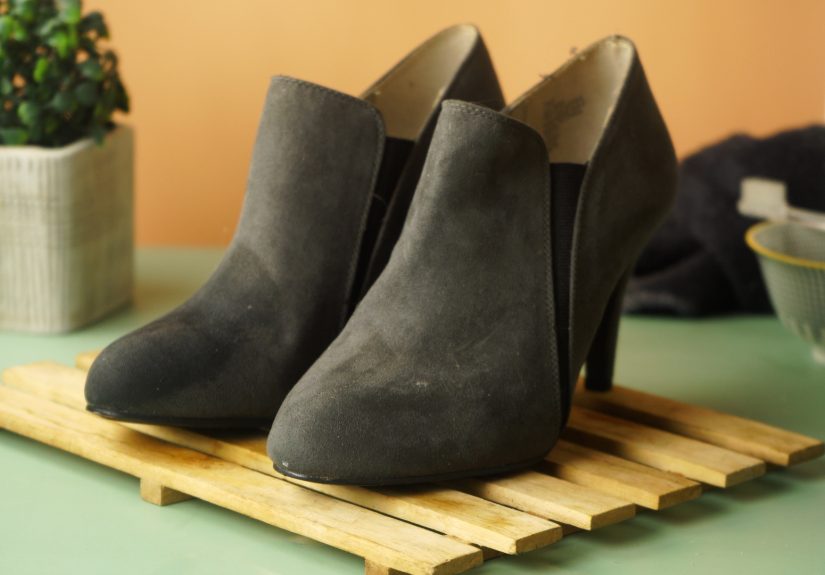
Remove laces first, if possible. Insert shoe trees or clean paper to support the shape. Start with a suede brush and eraser. If using alcohol or vinegar, treat only the stained panel and avoid soaking seams. After drying, brush the whole shoe so the nap looks even.
Suede Bags
Empty the bag and place a clean towel inside behind the stained area. This gives you support while blotting and prevents cleaner from transferring to the lining. Be extra careful with dyed suede bags because color can transfer more easily.
Suede Jackets
Hang the jacket on a sturdy hanger before cleaning. Use gentle pressure so you do not stretch the material. If the ink stain is near a seam, pocket, or zipper, use a cotton swab for precision. For large stains, professional cleaning is strongly recommended.
Suede Furniture
Vacuum with a soft brush attachment before treating. For fresh ink, blot immediately with a white cloth. Avoid over-wetting cushions because moisture can sink into the padding. If the furniture is labeled as natural suede rather than microfiber or faux suede, consider professional upholstery cleaning for large ink marks.
Common Mistakes That Make Ink Stains Worse
- Rubbing aggressively: This spreads ink and damages the nap.
- Using too much liquid: Suede can develop water marks and stiffness.
- Skipping the spot test: Some suede dyes bleed or fade.
- Using colored cloths: Dye from the cloth may transfer to suede.
- Applying heat: Heat can set stains and distort texture.
- Trying five cleaners at once: Layering products can create residue and discoloration.
How to Prevent Ink Stains on Suede
Prevention is not glamorous, but neither is a blue pen explosion on tan suede. Keep pens capped and stored in a separate pouch before placing them in a suede bag. Avoid putting loose markers in jacket pockets. Use a suede protector spray on shoes, bags, and jackets before regular wear. Reapply protector as directed, especially after cleaning.
For suede furniture, create a “no pens on the couch” rule. It may sound dramatic, but so is explaining to guests why your cream suede cushion now has a signature from a rollerball pen. Keep writing tools on a table, not tucked between cushions.
Experience Notes: What Real Suede Ink Emergencies Teach You
After dealing with suede stains in everyday situations, one lesson becomes obvious: the first reaction matters. The people who save their suede usually do less, not more. They blot, pause, test, and work slowly. The people who panic-clean often turn one small ink line into a cloudy patch the size of a pancake. Suede is dramatic, but it is also honest. It shows every heavy-handed mistake.
Imagine a tan suede handbag with a thin blue pen line near the front flap. The temptation is to grab a wet cloth and scrub. Bad idea. A better move is to place a folded white towel behind the stained area, blot any fresh ink, and let the surface dry. Then use a suede eraser with light pressure. In many cases, the line fades enough that a final brushing makes it barely noticeable. The key is accepting gradual improvement instead of demanding instant perfection.
Suede shoes teach a slightly different lesson. Shoes collect dust, oil, and street grime, so ink rarely sits on a perfectly clean surface. If you apply liquid cleaner before dry brushing, you may push dirt deeper into the nap. That is why a dry suede brush should come first. Brush the whole toe box or panel, not just the stain. Then erase the ink mark. If alcohol is needed, use a cotton swab and work in tiny sections. When the shoe dries, brushing the entire panel helps blend the texture so the cleaned spot does not look like a random bald patch.
Light suede is the most unforgiving. A pale beige boot or ivory suede chair may show a cleaning ring even when the ink improves. With light suede, commercial suede cleaner or a professional is often worth it. The cost may feel annoying, but replacing a designer bag or matching a discontinued couch cushion is usually much more annoying. Sometimes the most stylish cleaning move is knowing when to stop.
Another experience-based tip: never judge the result while the suede is still damp. Alcohol, vinegar, and suede cleaners can temporarily darken the material. People often panic at this stage and keep adding more cleaner. Wait until the suede is fully dry, then brush it. The stain may look much better after the nap is lifted. Suede has a flair for suspense.
Finally, protect the item after cleaning. A suede protector spray will not make your boots immune to ink, rain, coffee, or life choices, but it gives the surface a better chance. Keep a suede brush in your closet and use it regularly. A little maintenance prevents dirt from building up, and clean suede is easier to rescue when accidents happen. The real secret to removing ink stains from suede is not one magical product. It is a calm process: blot, dry, brush, erase, test, treat lightly, dry again, and restore the nap.
Conclusion
Removing ink stains from suede is possible, but it requires a gentle hand and a realistic plan. Start with the safest method: dry blotting, brushing, and a suede eraser. If the stain remains, spot-treat carefully with a small amount of rubbing alcohol or distilled white vinegar, always testing first. For serious stains, commercial suede cleaner or a professional cleaner is the best route.
The most important thing is to avoid soaking, scrubbing, or experimenting with harsh chemicals. Suede may look fancy, but it does not enjoy chaos. Treat it with patience, restore the nap after cleaning, and protect it afterward. Your suede item may not forget the ink incident, but with the right approach, it does not have to advertise it either.