Table of Contents >> Show >> Hide
- Quick refresher: what COPD is (and why the early signs are easy to miss)
- Symptom #1: A cough that won’t quit (especially if it’s frequent or “productive”)
- Symptom #2: Shortness of breath during everyday stuff (not just workouts)
- Symptom #3: More mucus (phlegm) than usualand a lot of throat clearing
- Symptom #4: Wheezing or chest tightness (the “squeaky door” soundtrack)
- A “bonus” early clue many people overlook: fatigue and frequent respiratory infections
- Who should pay extra attention to these symptoms
- What to do if you recognize these symptoms
- When to seek urgent care (don’t tough-guy this)
- Conclusion
- Experiences Related to “4 Early Symptoms of COPD” (About )
If your lungs had a customer support department, COPD would be the issue that starts as a “tiny ticket” andif ignoredquietly turns into a full-blown outage. The tricky part is that the earliest symptoms can look like everyday life: getting older, being “out of shape,” seasonal crud, or that one cough you blame on your office’s industrial-strength air conditioning.
This article breaks down four early symptoms of COPD (chronic obstructive pulmonary disease) in plain, standard American Englishwith real-world examples and a bit of humor that stays on the respectful side of the line. It’s not medical advice, and it can’t diagnose you. But it can help you recognize patterns and know when it’s worth bringing up with a healthcare professional.
Quick refresher: what COPD is (and why the early signs are easy to miss)
COPD is a long-term lung disease that makes it harder to move air in and out of your lungs. It’s often associated with chronic bronchitis and emphysema. The big theme: airflow limitation that usually develops slowly and can worsen over time.
“Slowly” is doing a lot of work in that sentence. Many people don’t wake up one day with a flashing neon sign that says “COPD.” Instead, they adapttaking elevators instead of stairs, walking a little slower, skipping activities that suddenly feel harderuntil those adaptations become the new normal. The goal of spotting early symptoms is to shorten that “adaptation era” and get evaluated sooner.
Symptom #1: A cough that won’t quit (especially if it’s frequent or “productive”)
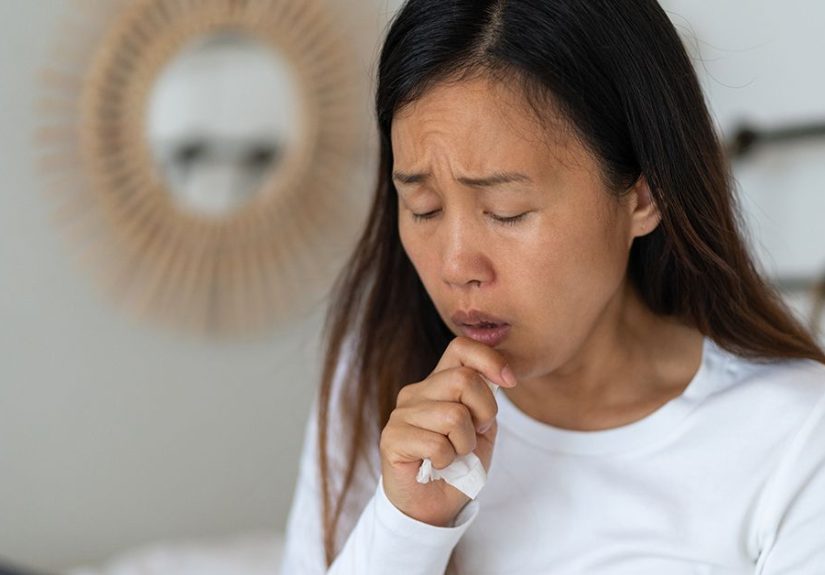
An occasional cough happens to everyone. But an early COPD cough tends to show up regularlyoften dailyand may linger for months. Some people describe it as a “morning cough,” a “smoker’s cough,” or the kind of cough that seems to set up camp and start paying rent.
What it can look like in everyday life
- You cough most days of the week, even when you’re not sick.
- You notice coughing fits during routine tasks (making the bed, walking the dog, talking on the phone).
- The cough is worse in the morning, or after exposure to smoke, dust, strong odors, or cold air.
A concrete example
Imagine you used to breeze through your morning routine, but now you cough through brushing your teeth, and the coughing calms down only after you’ve been up and moving for a while. You might shrug it off as “dry air” or “allergies.” If that pattern keeps repeatingespecially for weeks to monthsit’s worth paying attention.
Why this happens
COPD can inflame the airways and increase mucus production. Coughing becomes the body’s way of trying to clear the airway. In early stages, the cough might be mild enough that people normalize itparticularly if they’ve smoked or lived around smoke.
When a cough becomes “check it out” territory
A cough deserves a medical conversation when it’s frequent, long-lasting, or changingespecially if it comes with mucus, shortness of breath, wheezing, or repeated chest infections. A clinician can sort out whether it’s COPD, asthma, reflux, postnasal drip, an infection, medication side effects, or another cause.
Symptom #2: Shortness of breath during everyday stuff (not just workouts)
Early COPD often shows up as breathlessness with exertionmeaning you get winded doing things you used to do without thinking. At first, it can be subtle: you’re fine on flat ground but noticeably huffy on stairs, hills, or when carrying groceries.
The “stairs reality check”
One practical way people notice early breathlessness is the stair moment: you climb one flight and feel like you need a mini breakor you find yourself timing your breathing to each step like you’re training for a dramatic movie montage. If that’s new for you (and not explained by a temporary illness), it’s a useful data point.
How to tell “I’m out of shape” from “this feels different”
Being deconditioned can absolutely make you winded. The difference is often in the trend and the mismatch: you haven’t changed your routine much, but your breathing tolerance is sliding anyway. Or you recover more slowly than you used to after mild activity. Another clue is avoidance: you start quietly editing your life to dodge breathlessnessparking closer, skipping walks, declining plans that involve stairs.
Why COPD causes this
In COPD, narrowed airways and lung changes can make it harder to fully exhale. That can trap air and leave less “room” for the next breath, especially when you’re active and your body wants more oxygen. The result is the uncomfortable sensation of not getting enough aireven if you’re not doing anything extreme.
Symptom #3: More mucus (phlegm) than usualand a lot of throat clearing
Mucus is normal; your lungs and airways use it to trap particles and keep tissues moist. The problem is when you’re making more of it more often, or you feel like you’re constantly clearing your throat.
Signs you might notice
- You regularly cough up mucus (sputum/phlegm), especially in the morning.
- You clear your throat a lot because your chest feels “gunky.”
- You feel like colds “go straight to your chest” and linger longer than they used to.
Mucus color: don’t play detective alone
People sometimes try to self-diagnose based on mucus color. Color can change for many reasons, including irritation and infections, and it’s not a reliable “one-glance” diagnosis tool. What matters more is the pattern: increased mucus production that’s frequent or persistent, especially alongside other COPD symptoms. If you also have fever, chest pain, or you feel significantly worse, that’s a good reason to seek medical care promptly.
What’s going on under the hood
COPD can trigger chronic airway irritation and inflammation, which can increase mucus. More mucus can also mean more coughingand a greater chance of mucus getting stuck, which can contribute to infections and flare-ups.
Symptom #4: Wheezing or chest tightness (the “squeaky door” soundtrack)
Wheezing is a whistling or squeaky sound when you breathe, often more noticeable when exhaling. Some people don’t hear it themselves but notice a tight feeling in the chestlike breathing through a slightly pinched straw.
How it shows up
- You notice a faint whistle when you breathe out, especially during colds or after exposure to smoke, dust, or cold air.
- Your chest feels tight during activity or at night.
- You get episodes where breathing feels “noisy” or constrained.
Important note: wheezing isn’t “COPD-only”
Wheezing can also be caused by asthma, respiratory infections, allergies, or other conditions. That’s exactly why it’s worth discussing with a clinician especially if wheezing is recurrent or paired with chronic cough and breathlessness.
A “bonus” early clue many people overlook: fatigue and frequent respiratory infections
If you’re making more effort to breathe, your body may feel more tired. Many reputable health organizations also describe recurring respiratory infections (like bronchitis or pneumonia) as a common issue for people with COPD, including early in the disease for some individuals.
On their own, fatigue and frequent infections can have lots of causes. But when they show up with the four symptoms abovecough, breathlessness, mucus, and wheeze/chest tightnessthey add weight to the “let’s get this checked” argument.
Who should pay extra attention to these symptoms
COPD can affect different people in different ways, but your risk is higher if you have one or more of these factors:
- Current or past smoking (including heavy exposure over years).
- Secondhand smoke exposure, especially long-term.
- Workplace exposures to dust, fumes, vapors, chemicals, or smoke (construction, mining, manufacturing, welding, certain service jobs, and more).
- Air pollution or indoor smoke exposure over time.
- Family history or a genetic risk factor such as alpha-1 antitrypsin deficiency (AAT deficiency), a known inherited condition that can raise COPD risk.
- Age and cumulative exposure: symptoms often become noticeable in midlife or later, but genetics and exposures can shift that timeline.
What to do if you recognize these symptoms
The goal isn’t to panicit’s to move from “I’m ignoring this” to “I’m investigating this.” Here are practical next steps that are genuinely useful (and don’t require a medical degree or a dramatic soundtrack).
1) Make an appointment and ask about spirometry
Spirometry is a standard breathing test that measures how much air you can blow out and how quickly. It’s widely used to diagnose COPD and can also help assess how much airflow limitation is present. In other words, it turns vague symptoms into measurable informationyour clinician’s favorite kind.
2) Bring a “symptom timeline,” not just a vibe
Before your visit, jot down a short timeline:
- When the cough or breathlessness started (roughly is fine).
- What triggers symptoms (stairs, cold air, smoke, perfumes, exercise, infections).
- How often you cough, wheeze, or produce mucus.
- Any recent chest infections, urgent care visits, or antibiotics/steroids.
- Your exposure history: smoking (past or present), secondhand smoke, job exposures, and home air quality concerns.
This helps your clinician make faster, smarter decisionsbecause “I’m kind of wheezy sometimes” is harder to interpret than “I get winded on one flight of stairs and cough up mucus most mornings.”
3) If you smoke, get support to quit (yes, even if you’ve tried before)
Quitting smoking is one of the most meaningful actions for COPD risk and progression. If you’ve tried and relapsed, that doesn’t mean you “failed.” It means nicotine is extremely good at its job, and you may need a different plancoaching, medications, nicotine replacement, or a combination.
4) Reduce irritant exposure where you can
If your work involves dust or fumes, use proper protective equipment and follow safety guidelines. At home, reduce smoke exposure, ventilate when cooking, and consider air-quality improvements if your environment is consistently irritating your breathing.
5) Take respiratory infections seriously
If “every cold becomes a chest cold,” mention it. Preventing and treating infections matters because flare-ups can be a major source of symptom worsening. Your clinician may discuss vaccines, prevention strategies, and an action plan for flare-ups based on your personal health history.
When to seek urgent care (don’t tough-guy this)
Seek urgent medical help if you have severe or rapidly worsening shortness of breath, chest pain, confusion, bluish lips or fingernails, fainting, or you can’t speak full sentences due to breathlessness. Those can be signs of a serious problem that needs immediate attention.
Conclusion
COPD doesn’t always burst onto the sceneit often tiptoes in. The four early symptoms to watch for are: a frequent or persistent cough, shortness of breath during everyday activities, increased mucus/throat clearing, and wheezing or chest tightness.
If you’re noticing a patternespecially with smoking history, secondhand smoke, workplace exposures, or a family/genetic riskdon’t settle for “it’s probably nothing.” A straightforward evaluation (often including spirometry) can clarify what’s going on and help you take action sooner, not later.
Experiences Related to “4 Early Symptoms of COPD” (About )
People rarely describe early COPD as a dramatic moment. Instead, they talk about a slow accumulation of “little weird things” that felt too small to bother a doctor withuntil they weren’t small anymore. One common story starts with the cough. Not the “I caught a cold” cough, but the everyday, low-grade cough that hangs around like a chatty neighbor. At first it’s easy to rationalize: the weather changed, the air is dry, allergies are acting up. Then months pass, and the cough becomes part of the morning routinecoffee, keys, cough.
Another classic experience is the “stairs negotiation.” People realize they’re planning their route based on breathing instead of convenience. They park closer, avoid the steep aisle at the stadium, or stand at the bottom of the stairs and pretend to check their phone (when the phone is, in fact, innocent). What makes it feel confusing is that it often happens on days when everything else feels normal. You’re not sick. You’re not running. You’re just… winded. That mismatch is often the first mental alarm bell.
Mucus is the symptom no one wants to discuss at brunch, but it’s surprisingly common in early experiences. People describe clearing their throat constantly, especially in the morning, or feeling like they can’t quite “get a clean breath” because something is always in the way. Some start carrying mints or lozenges, thinking it’s a throat issue, when it’s really the airway’s ongoing reaction to irritation and inflammation. When mucus increases and colds linger longer than they used to, people often start noticing a pattern: “I don’t just get sickI get knocked out.”
Wheezing and chest tightness can be the most unsettling because they’re harder to ignore. Some people hear a faint whistle when they exhale after walking fast across a parking lot or when cold air hits their lungs. Others don’t hear a sound but feel a subtle band of tightness around the chestlike breathing is slightly restricted. A lot of people try to “wait it out” because symptoms come and go, especially early on. But what often leads to action is repetition: the same shortness of breath on the same hill, the same cough most mornings, the same wheeze during the same triggers.
The most consistent theme in these experiences is relief after getting evaluated. Not because everyone is diagnosed with COPD (many aren’t), but because having an explanationand a planbeats guessing. Spirometry and a clinical visit can help sort out whether symptoms point to COPD, asthma, infections, reflux, allergies, or something else entirely. And for those who do land on a COPD diagnosis, many describe the turning point as surprisingly practical: quitting smoking with real support, learning how to manage symptoms, improving home air quality, and taking flare-up prevention seriously. The earlier that turning point happens, the more room people often have to protect their breathingand their day-to-day life.