Table of Contents >> Show >> Hide
- Why Pantry Organization Matters More Than You Think
- Rule 1: Empty, Edit, and Audit Before You Organize
- Rule 2: Create Simple Pantry Zones
- Rule 3: Make Everything Visible, Reachable, and Labeled
- Rule 4: Rotate, Restock, and Reset Regularly
- How to Organize a Small Pantry
- How to Organize a Walk-In Pantry
- Common Pantry Organization Mistakes to Avoid
- Extra Experience: What Actually Works in a Real Pantry
- Conclusion: A Perfect Pantry Is a Pantry That Works
A perfectly organized pantry is not a mythical place where every lentil has a life coach and every pasta box stands at attention. It is simply a pantry that helps you cook faster, shop smarter, waste less food, and stop buying a fifth jar of cumin because the other four are hiding behind the oatmeal like tiny powdered fugitives.
The good news? You do not need a walk-in pantry, custom shelves, matching glass jars, or the emotional stamina of a home-makeover host. A great pantry comes down to four practical rules: clear it out, create zones, make everything visible, and maintain the system with a simple rotation routine. Follow those rules and your pantry will stop being a snack cave and start acting like the useful kitchen command center it was born to be.
This guide breaks down the four rules to a perfectly organized pantry with real-life examples, food-storage logic, and enough humor to get you through the part where you discover a forgotten bag of marshmallows from three holidays ago.
Why Pantry Organization Matters More Than You Think
A well-organized pantry is not just about looking pretty on social media. It affects how you cook, how much money you spend, and how often food goes stale before anyone remembers it exists. When ingredients are easy to see, you are more likely to use them. When similar items live together, meal planning becomes easier. When older foods are placed in front, you naturally use them before opening newer packages.
Pantry organization also improves food safety. Shelf-stable foods should be stored in a cool, dry place away from heat and moisture. Opened dry goods such as flour, grains, cereal, crackers, and pasta last longer when they are sealed properly in airtight containers. Canned goods should be checked for rust, deep dents, swelling, or leaks before use. In short, your pantry should not feel like a storage closet that happens to contain dinner. It should work like a small grocery store designed for your household.
Rule 1: Empty, Edit, and Audit Before You Organize
Here is the truth most people skip: you cannot organize around clutter and expect lasting results. That is like putting a tiny hat on a raccoon and calling it a butler. Charming? Maybe. Functional? Absolutely not.
Before buying bins, labels, turntables, or cute baskets, take everything out of your pantry. Yes, everything. Place items on the counter or kitchen table so you can see what you actually own. This step might feel dramatic, but it reveals the pantry’s real story: duplicates, expired spices, half-used bags of rice, mystery packets, and cans you bought with heroic intentions during a soup phase that lasted one Tuesday.
Sort Items Into Keep, Use Soon, Donate, and Toss
As you remove pantry items, sort them into four categories. Keep the foods you use regularly. Create a “use soon” pile for items approaching their best quality date or ingredients you want to work into upcoming meals. Donate unopened, unexpired foods your family will not eat. Toss anything stale, spoiled, bug-damaged, leaking, or stored in unsafe packaging.
Food dates can be confusing. Many dates on shelf-stable foods refer to quality rather than safety, but that does not mean every old item deserves a second chance. If a food smells odd, looks damaged, has visible pests, or comes from a can that is bulging, badly dented, or rusted, do not gamble with it. Your pantry is for dinner, not science experiments.
Check Your Real Eating Habits
The most organized pantry is not the one with the most beautiful containers. It is the one that matches how you actually eat. If your family loves tacos, oatmeal, pasta, and quick baking mixes, those items deserve prime shelf space. If you bought dried chickpeas because you imagined becoming a weekend hummus artisan but never soaked a single bean, move them to a less valuable spot or donate them.
Ask yourself three questions: What do we cook every week? What snacks disappear fastest? What ingredients do we keep buying because we cannot find them? Your answers will shape the entire pantry system.
Rule 2: Create Simple Pantry Zones
Pantry zones are the secret sauce of kitchen organization. Instead of placing items wherever they fit, you group foods by category and purpose. This makes it easier to find ingredients, put groceries away, and notice when supplies are running low.
A pantry without zones is like a library where cookbooks, car manuals, and vampire novels are all stacked in one pile. You might eventually find what you need, but by then you are hungry, irritated, and slightly suspicious of the rice.
Best Pantry Zones for Everyday Homes
Start with broad categories. You do not need twelve micro-zones unless that genuinely helps your household. Most kitchens work well with these pantry zones:
- Breakfast: cereal, oats, pancake mix, nut butter, granola, coffee, tea
- Baking: flour, sugar, baking powder, chocolate chips, extracts, decorating supplies
- Dinner staples: pasta, rice, grains, beans, sauces, broth, canned tomatoes
- Snacks: crackers, chips, bars, dried fruit, nuts, popcorn
- Canned goods: vegetables, beans, soups, tuna, fruit, coconut milk
- Spices and seasonings: spices, herbs, blends, salts, oils, vinegars
- Backstock: unopened extras, bulk items, duplicate products
Once you create zones, assign each one a shelf, bin, drawer, or section. The goal is not perfection. The goal is that every item has a logical home. When groceries come in, they should not require a family meeting and a floor plan.
Put Frequently Used Items at Eye Level
The best pantry real estate is between your shoulders and knees. Use that space for ingredients you reach for often: breakfast foods, school snacks, dinner staples, and cooking oils. Store occasional items higher or lower, such as holiday baking supplies, backup paper goods, party snacks, or bulk refills.
If you have kids, create a snack zone they can reach safely. Use a clear bin for approved snacks, lunchbox items, or breakfast bars. This prevents the classic pantry avalanche where a child pulls one granola bar and somehow triggers a landslide of pretzels, raisins, and parental regret.
Rule 3: Make Everything Visible, Reachable, and Labeled
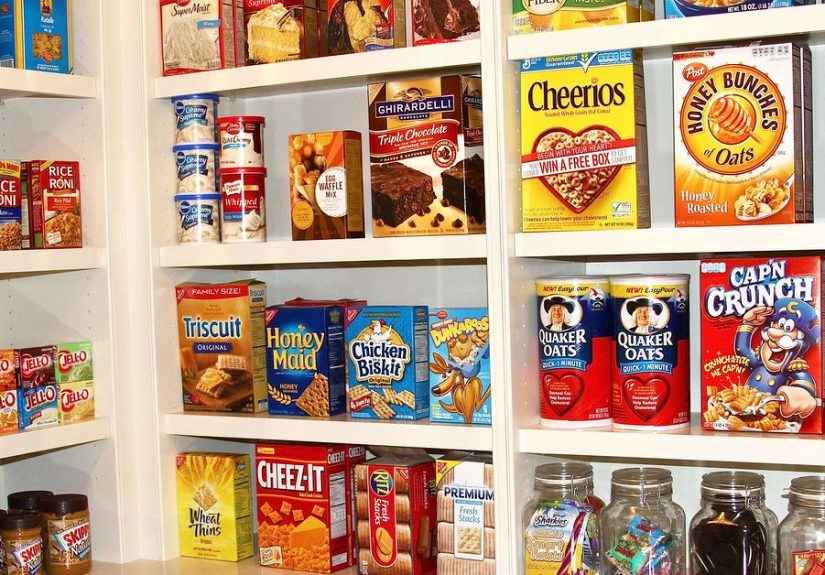
Visibility is the difference between an organized pantry and a place where food goes to retire. If you cannot see what you have, you will overbuy, forget ingredients, and waste money. Clear containers, labeled bins, shelf risers, lazy Susans, and pull-out baskets all solve the same problem: they help your eyes find food before your frustration finds you.
Use Clear Containers Where They Make Sense
Clear airtight containers are excellent for dry goods such as flour, sugar, rice, pasta, cereal, oats, lentils, and crackers. They help protect food from air and moisture while making it easy to see when supplies are low. Matching containers can create a clean look, but function matters more than beauty. A mismatched airtight container that actually seals is better than a gorgeous jar that lets your brown sugar become a brick with ambition.
When decanting food into containers, label each container with the item name and, when useful, the expiration or best-by date. For ingredients with cooking instructions, cut the directions from the original package and tape them to the back or bottom of the container. Future you will appreciate not having to guess whether quinoa needs two cups of water or a motivational speech.
Use Bins for Loose Categories
Not everything should be decanted. Individually wrapped snacks, seasoning packets, drink mixes, backup condiments, and small bags often work better in bins. Use clear or open-front bins so you can see contents at a glance. Label the front with simple category names like “snacks,” “pasta,” “baking,” “breakfast,” or “meal prep.”
For deep shelves, bins are especially helpful because they act like drawers. Instead of losing cans and boxes in the back, you can pull the whole bin forward. This is one of the easiest ways to organize deep pantry shelves without installing custom pull-outs.
Add Risers, Turntables, and Door Storage
Small upgrades can make a big difference. Shelf risers create a second level for cans, jars, and spices. Turntables work beautifully for oils, vinegars, spreads, condiments, and small bottles that tend to crowd together. Door racks can hold spices, packets, foil, wraps, or narrow pantry items.
Use vertical space carefully. Tall bins, stackable containers, and adjustable shelves can expand storage, but avoid stacking so high that retrieving one item requires circus training. Organization should reduce stress, not turn dinner prep into a balancing act.
Rule 4: Rotate, Restock, and Reset Regularly
A perfectly organized pantry is not created once. It is maintained in small, boring, powerful habits. The magic phrase is “first in, first out.” Place older items in front and newer items behind them. This simple rotation method helps you use food before it loses quality and prevents the back shelf from becoming a retirement village for canned beans.
Use the First-In, First-Out Method
When you restock groceries, do not just shove new items in front because you are tired and the ice cream is melting. Take a moment to move older foods forward and place newer packages behind. This matters for canned goods, pasta, cereal, baking ingredients, snacks, oils, spices, and almost every pantry staple.
If you buy in bulk, create a backstock zone. Keep only one open package in the main zone and store extras together. This prevents you from opening three bags of flour at once and wondering why your pantry feels like a tiny bakery with commitment issues.
Do a 10-Minute Weekly Pantry Reset
Once a week, spend ten minutes resetting the pantry. Put wandering items back into their zones. Check snacks and breakfast staples before making a grocery list. Wipe sticky spots. Move older items forward. Add low-stock foods to your shopping list.
This quick reset is easier than a massive monthly cleanout. It also keeps the system honest. If a bin is always overflowing, the category may need more space. If no one uses a certain zone, it may need to be moved or simplified. Good pantry organization should evolve with your habits.
How to Organize a Small Pantry
A small pantry can still be highly functional. The key is to avoid storing everything you might possibly need someday. Focus on high-use staples and keep categories tight. Use narrow bins, shelf risers, cabinet door racks, and stackable containers. Choose rectangular containers over round ones because they waste less space.
For tiny kitchens, consider storing overflow items elsewhere, such as a nearby cabinet, utility shelf, or labeled bin in a closet. Just keep the active pantry stocked with foods you use weekly. A small pantry should be lean, visible, and easy to shop from.
How to Organize a Walk-In Pantry
A walk-in pantry gives you more space, but more space can also mean more chaos wearing a fancy hat. Divide the pantry into zones by shelf or wall. Keep everyday items near the entrance and at eye level. Place heavy items, such as bulk flour, drinks, and large containers, on lower shelves for safety. Store occasional appliances, party supplies, and bulk extras higher up or farther back.
Use labels generously in a walk-in pantry because larger spaces invite wandering. A label is not just decoration. It is a tiny instruction manual that says, “The crackers live here. Please do not abandon them next to the vinegar.”
Common Pantry Organization Mistakes to Avoid
Buying Containers Before Measuring
Measure your shelves before buying containers. Check shelf height, depth, and width. A beautiful bin that does not fit is just clutter with good lighting.
Over-Decanting Everything
Decanting can be helpful, but not every item needs a jar. If your family goes through chips, crackers, or snacks quickly, keeping them in original packaging inside a labeled bin may be easier.
Skipping Labels
Labels help everyone maintain the system. Without them, pantry organization becomes one person’s private puzzle. Use simple labels that make sense to the whole household.
Ignoring Food Safety
Keep pantry foods away from heat, moisture, sunlight, and cleaning chemicals. Do not store food under the sink. Check cans for damage. Seal opened dry goods. Clean spills quickly to discourage pests.
Extra Experience: What Actually Works in a Real Pantry
After helping organize many everyday kitchens, one thing becomes clear: the best pantry system is the one people will actually use on a busy Wednesday. It is easy to design a pantry that looks perfect for five minutes. The harder and more valuable goal is creating a pantry that survives school lunches, grocery hauls, snack attacks, late dinners, and someone putting peanut butter in the pasta zone because “it was close enough.”
The first experience worth sharing is this: start with behavior, not products. Many people buy beautiful containers first, then try to force their food into them. That usually leads to wasted money and awkward leftovers that do not fit anywhere. A better approach is to watch your household for a week. What gets used daily? What do kids grab after school? What ingredients do you reach for while cooking? Build the pantry around those patterns.
Second, leave breathing room. A pantry packed to the edges may look abundant, but it is hard to maintain. Empty space is not wasted space. It is working space. It lets you pull out a bin, add groceries, and see what is running low. If every shelf is crammed, the system will collapse the moment you bring home a large box of cereal or a surprise warehouse-store purchase that seemed very reasonable at the time.
Third, labels should be practical, not precious. You do not need custom vinyl labels unless you love them. Painter’s tape, chalk labels, label-maker strips, or simple adhesive tags all work. The best labels are easy to change because pantry categories change. A “toddler snacks” bin may become a “school snacks” bin. A “smoothie” bin may become a “protein breakfast” bin. Flexible labels make the system easier to update.
Fourth, do not hide healthy or useful ingredients in inconvenient places. If you want to cook more beans, grains, soups, or homemade meals, place those ingredients where you can see them. If chips and cookies take over the easiest shelf, guess what everyone will eat first? Pantry placement quietly shapes habits. Put better choices in better spots, and you remove one small barrier to cooking well.
Fifth, create a meal-starting section. This is one of the most useful pantry ideas for busy households. Group ingredients that can quickly become dinner: pasta, rice, canned tomatoes, broth, beans, tuna, taco shells, curry paste, noodles, and sauces. When you are tired, this zone becomes your rescue team. Instead of staring into the pantry like it owes you answers, you can build a meal from what is already grouped together.
Sixth, keep a small “eat first” bin. This bin holds open snacks, nearly finished boxes, ingredients close to their best quality date, and foods you want to use during the week. Place it at eye level. This simple trick reduces waste because it gives forgotten foods a spotlight. It also stops the pantry from collecting tiny amounts of everything, which is how you end up with seven bags containing three almonds each.
Finally, remember that pantry organization is not about perfection. It is about reducing friction. Can you find dinner ingredients quickly? Can kids grab snacks without destroying a shelf? Can you make a grocery list without buying duplicates? Can you close the door without negotiating with a cereal box? If yes, your pantry is doing its job.
Conclusion: A Perfect Pantry Is a Pantry That Works
The four rules to a perfectly organized pantry are simple: edit before organizing, create clear zones, make items visible and labeled, and maintain the system with regular rotation. These rules work in small cabinets, deep shelves, rental kitchens, walk-in pantries, and busy family homes where the snack bin has the emotional intensity of a public landmark.
A beautiful pantry is nice. A functional pantry is better. When your pantry is organized around your real habits, cooking becomes easier, grocery shopping becomes smarter, and food waste becomes less common. You do not need perfection. You need a system that helps you find the pasta before you lose the will to boil water.
Note: This article is written for web publication and synthesizes practical pantry organization, food-storage, and kitchen-efficiency guidance into original, reader-friendly content.