Table of Contents >> Show >> Hide
- What Is Radiation Therapy for Esophageal Cancer?
- When Is Radiation Recommended?
- Benefits of Radiation for Esophageal Cancer
- Short-Term Side Effects of Radiation Therapy
- Long-Term Risks and Late Side Effects
- How Doctors Reduce Radiation Risks
- Managing Side Effects During Treatment
- Questions to Ask the Radiation Oncologist
- Real-World Experiences: What Radiation for Esophageal Cancer Can Feel Like
- Conclusion
Note: This article is for educational purposes only and should not replace medical advice from an oncology team. Esophageal cancer treatment is highly individualized, so patients should always discuss radiation therapy, chemotherapy, surgery, nutrition, and symptom management with their doctors.
Radiation for esophageal cancer sounds a little like something from a science-fiction movie: high-energy beams, precision targeting, tumor shrinkage, and machines that look as if they could also power a small spaceship. Thankfully, the goal is much more down-to-earth. Radiation therapy uses carefully planned doses of energy to damage cancer cells, slow their growth, or destroy them while protecting as much healthy tissue as possible.
For many people with esophageal cancer, radiation therapy is not a solo act. It often appears as part of a team strategy that may include chemotherapy, surgery, immunotherapy, targeted therapy, nutritional support, and palliative care. Think of it less like a lone superhero and more like a well-coordinated kitchen crew: radiation may be the chef with the blowtorch, but everyone else has a job too.
This guide explains the benefits, risks, and side effects of radiation therapy for esophageal cancer in plain American English. We will cover how it works, why doctors recommend it, what patients may feel during treatment, and how people often manage the practical side of getting through therapy without letting the treatment schedule take over their entire personality.
What Is Radiation Therapy for Esophageal Cancer?
Radiation therapy is a cancer treatment that uses high-energy beams or particles to damage the DNA inside cancer cells. When cancer cells can no longer repair that damage, they stop multiplying or die. In esophageal cancer, radiation is directed at the tumor in the esophagus and sometimes nearby lymph nodes where cancer may have spread.
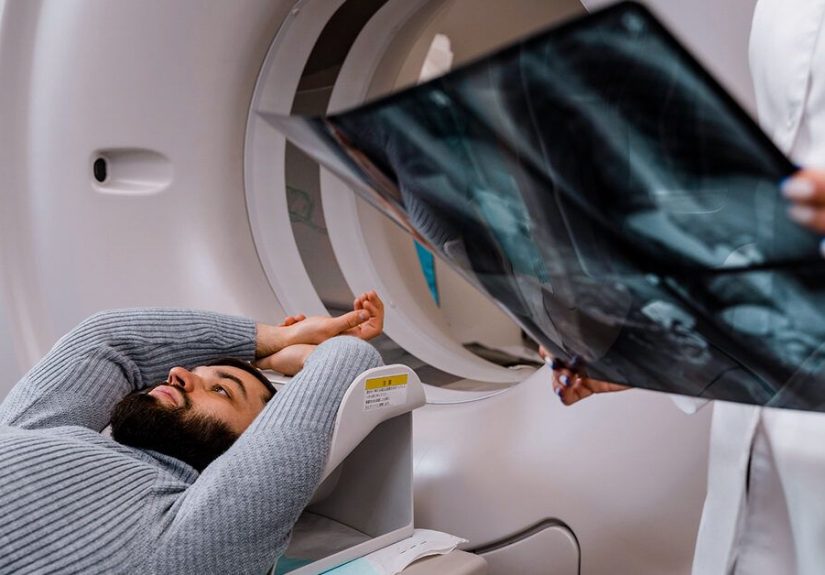
The most common approach is external beam radiation therapy. During treatment, a machine outside the body sends radiation toward the tumor from specific angles. Modern planning tools help radiation oncologists shape the dose around the tumor while reducing exposure to nearby organs such as the lungs, heart, stomach, liver, and spinal cord.
Common Types of Radiation Used
3D conformal radiation therapy uses imaging to shape radiation beams to the tumor. Intensity-modulated radiation therapy, often called IMRT, is more advanced and allows the radiation team to adjust the strength of beams from different directions. This can help protect nearby healthy tissue.
Proton therapy uses proton particles instead of traditional X-ray photons. For some patients, proton therapy may reduce radiation exposure to organs behind the tumor because protons release most of their energy at a planned depth and have little to no exit dose. It is not necessary or available for every case, but it may be considered when reducing dose to the heart, lungs, or liver is especially important.
When Is Radiation Recommended?
Radiation therapy may be used at different points in esophageal cancer care. The best timing depends on the cancer stage, tumor location, type of cancer cell, overall health, ability to swallow, surgical options, and patient goals.
Before Surgery
Radiation is often combined with chemotherapy before surgery. This is called neoadjuvant chemoradiation. The goal is to shrink the tumor, treat microscopic cancer cells nearby, and improve the chances that surgery can remove the cancer completely. Many patients receive radiation five days a week for several weeks, often with chemotherapy given on a schedule during the same period.
As the Main Treatment
For some people, surgery is not recommended because of tumor location, medical conditions, cancer stage, or personal choice. In these cases, definitive chemoradiation may be used as the main treatment. Chemotherapy can make cancer cells more sensitive to radiation, but it can also increase side effects. That is why doctors carefully evaluate whether a patient is strong enough for combined treatment.
After Surgery
Radiation may sometimes be used after surgery if there is concern that cancer cells remain or if pathology results show higher-risk features. This decision is usually made by a multidisciplinary team, which may include a thoracic surgeon, medical oncologist, radiation oncologist, gastroenterologist, dietitian, nurse navigator, and other specialists.
For Symptom Relief
Radiation can also be used as palliative treatment. In this setting, the goal may not be cure but comfort: improving swallowing, reducing pain, controlling bleeding, or shrinking a tumor that is pressing on nearby structures. Palliative radiation can be shorter than curative treatment and may make a meaningful difference in quality of life.
Benefits of Radiation for Esophageal Cancer
The benefits of radiation therapy depend on the treatment goal. In curative treatment, radiation may help control the tumor and improve the chance that surgery or combined therapy succeeds. In palliative care, radiation may help patients eat more comfortably, swallow liquids better, or reduce cancer-related discomfort.
1. It Can Shrink the Tumor
One of the main benefits of radiation therapy is tumor shrinkage. A smaller tumor may be easier to remove surgically. It may also reduce blockage in the esophagus, which can help with swallowing. For a patient who has been negotiating with every bite of food like it is a tiny construction permit, even modest swallowing improvement can feel enormous.
2. It Can Work With Chemotherapy
Chemotherapy and radiation are often used together because chemotherapy can increase the cancer-killing effect of radiation. This combination can be powerful, especially in locally advanced esophageal cancer. The trade-off is that side effects may also be stronger, so doctors monitor symptoms, blood counts, nutrition, hydration, and treatment tolerance closely.
3. It Can Help Preserve Options
For some patients, chemoradiation may control the tumor enough to make surgery possible. For others, it may serve as the primary treatment when surgery is too risky. In certain cases, radiation may also be used to treat areas of spread or recurrence. The treatment plan is rarely one-size-fits-all; esophageal cancer did not read the instruction manual, so doctors customize the strategy.
4. It Can Improve Quality of Life
When esophageal cancer causes painful swallowing, food sticking, chest discomfort, or bleeding, radiation may help reduce symptoms. This can support better eating, improved hydration, less anxiety around meals, and more energy. Quality of life is not a bonus feature in cancer care. It is part of the main program.
Short-Term Side Effects of Radiation Therapy
Radiation therapy affects cancer cells, but nearby healthy cells may also be irritated. Side effects depend on the radiation dose, treatment area, number of sessions, whether chemotherapy is used, and a patient’s general health. Some people experience mild symptoms. Others have more intense effects that need active support.
Fatigue
Fatigue is one of the most common radiation therapy side effects. It is not ordinary “I stayed up too late watching videos” tiredness. Cancer-related fatigue can feel heavy, stubborn, and oddly unimpressed by coffee. It may build gradually during treatment and continue for a while afterward.
Helpful habits may include short walks, planned rest breaks, prioritizing essential tasks, staying hydrated, and telling the care team if fatigue suddenly worsens. Severe fatigue can sometimes be linked to anemia, poor nutrition, dehydration, infection, or chemotherapy effects, so it deserves attention.
Painful Swallowing and Esophagitis
Because the esophagus is the target area, inflammation of the esophagus is common. This is called esophagitis. Patients may notice pain when swallowing, a burning feeling, heartburn, or the sense that food is moving through a very grumpy tunnel. Symptoms often begin after the first couple of weeks of treatment and may peak near the end.
Doctors may recommend soft foods, high-calorie shakes, medications for reflux, pain relief, numbing liquids, or dietitian support. Patients should not “tough it out” if they cannot eat or drink enough. Weight loss and dehydration can interrupt treatment, and treatment interruptions are something oncology teams try hard to avoid.
Nausea, Vomiting, and Appetite Loss
Radiation near the lower esophagus or stomach area, especially when combined with chemotherapy, can cause nausea or vomiting. Appetite may also drop. This can be frustrating because the body needs calories and protein for healing at the exact moment food becomes about as appealing as chewing a cardboard box.
Anti-nausea medicines, smaller meals, bland foods, ginger products if approved by the care team, and liquid nutrition may help. Patients should report nausea early because it is usually easier to control before it becomes severe.
Skin Changes
The skin over the treated area may become red, dry, itchy, tender, darker, or sensitive, similar to a sunburn. Patients should ask their radiation team which lotions, soaps, deodorants, or creams are safe to use. Not every “natural” product belongs on radiated skin. Cancer centers have seen enough mystery ointments to fill a very weird museum.
Cough, Shortness of Breath, or Chest Irritation
Because the esophagus sits close to the lungs and heart, radiation planning is done carefully. Some patients may develop cough, chest discomfort, or shortness of breath. These symptoms should always be reported, especially if they are new, worsening, or accompanied by fever.
Long-Term Risks and Late Side Effects
Most radiation side effects improve after treatment, but some can last longer or appear months to years later. This is why follow-up care matters. The end of radiation is not the end of the relationship with the oncology team; it is more like switching from daily meetings to scheduled check-ins.
Esophageal Stricture
A stricture is a narrowing of the esophagus caused by scar tissue. It can make swallowing difficult again after treatment. If this happens, doctors may use endoscopic dilation to gently stretch the narrowed area. Some patients need more than one dilation.
Fistula
A fistula is an abnormal connection between the esophagus and another nearby structure, such as the windpipe. This is uncommon but serious. Symptoms may include coughing when swallowing, choking, repeated pneumonia, or food and liquid going “down the wrong pipe” frequently. Patients with these symptoms need medical evaluation quickly.
Heart and Lung Effects
Radiation to the chest can expose nearby organs to some dose, even with careful planning. Potential late effects may include lung inflammation or scarring and, in some cases, heart-related problems. Modern techniques such as IMRT and proton therapy aim to reduce exposure to these organs whenever possible.
Nutrition and Weight Challenges
Esophageal cancer and its treatment can make eating difficult before, during, and after therapy. Some people need temporary feeding tubes, soft-food diets, high-protein supplements, or help from a registered dietitian. Nutrition is not just about “eating healthy.” During treatment, it is often about getting enough calories, protein, and fluids to keep the body going.
How Doctors Reduce Radiation Risks
Radiation therapy is carefully planned. Before treatment begins, patients usually have a simulation appointment. The team uses imaging scans to map the tumor, nearby lymph nodes, and organs at risk. Small skin marks or positioning devices may be used so the patient lies the same way each day.
Radiation oncologists, physicists, dosimetrists, therapists, nurses, and other specialists work together to design and deliver treatment. The plan aims to give enough dose to the cancer while limiting dose to healthy tissue. The process is precise, even if the machine itself looks like it belongs in a superhero origin story.
Why Staying on Schedule Matters
Radiation is usually given in small daily doses called fractions. This schedule helps damage cancer cells while allowing normal cells time to repair. Research has shown that prolonged radiation duration and treatment interruptions may be linked with worse outcomes in definitive chemoradiation for esophageal cancer. That does not mean patients should hide symptoms to avoid delays. It means side effects should be treated early so patients can safely stay on track whenever possible.
Managing Side Effects During Treatment
Side effect management is part of treatment, not an optional accessory. Patients should tell their care team about swallowing pain, weight loss, nausea, dizziness, fever, worsening cough, dehydration, skin changes, or emotional distress.
Practical Eating Tips
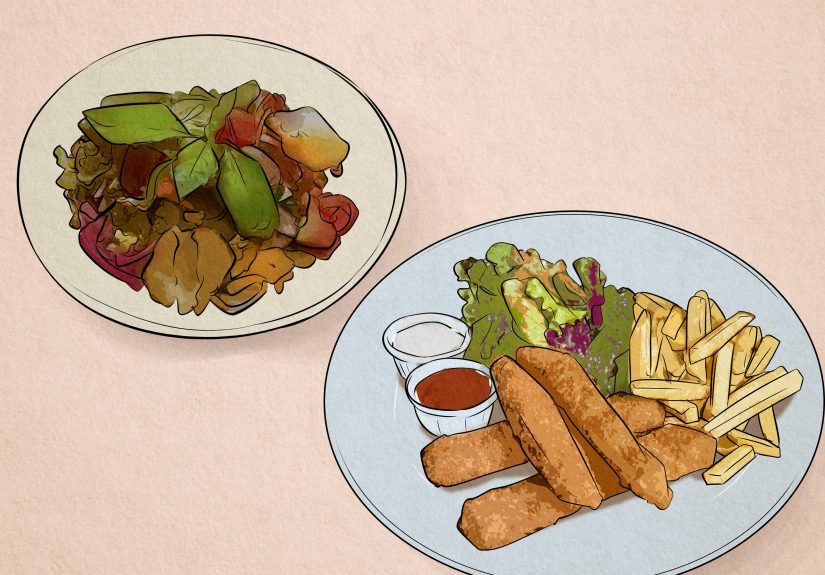
Soft foods are often easier: scrambled eggs, oatmeal, mashed potatoes, yogurt, smoothies, soups, pudding, cottage cheese, tender fish, and well-cooked pasta. Very spicy, acidic, dry, crunchy, or rough foods may hurt. Small, frequent meals can be easier than three large meals. Drinking fluids between bites may help, but some patients need thickened liquids if swallowing is unsafe.
Energy-Saving Tips
Patients can plan demanding tasks for the time of day when they have the most energy. Short walks may help maintain strength, but rest is also allowed. No one earns a medal for folding laundry during peak radiation fatigue. Let the socks remain mysterious for a day.
Emotional Support
Radiation treatment can be emotionally exhausting. Daily appointments, uncertainty, side effects, and food struggles can wear people down. Support groups, counseling, social workers, spiritual care, patient navigators, family help, and honest conversations with the oncology team can make treatment feel less isolating.
Questions to Ask the Radiation Oncologist
Patients may want to ask: What is the goal of radiation in my case? Will I receive chemotherapy at the same time? How many treatments will I need? What side effects are most likely based on my tumor location? How will my heart and lungs be protected? Should I meet with a dietitian before treatment starts? What symptoms should make me call immediately? Could proton therapy or IMRT be useful for my situation?
Good questions are not annoying. They are part of safe care. Doctors would rather answer a question early than troubleshoot a preventable problem later.
Real-World Experiences: What Radiation for Esophageal Cancer Can Feel Like
Every patient’s experience with radiation for esophageal cancer is different, but certain themes come up again and again. Many people begin treatment feeling nervous but physically functional. The first week may feel almost suspiciously manageable. A patient may think, “That was it?” Then, around the second or third week, the esophagus may start filing formal complaints.
Swallowing discomfort is one of the most common experiences. At first, it may feel like mild heartburn or a scratchy throat. Later, it can become painful enough that patients avoid solid foods. This is the point when soft meals, smoothies, protein shakes, soups, and calorie-dense snacks become less of a “nice idea” and more of a survival strategy. Some patients discover that cold foods feel soothing, while others prefer warm foods. The esophagus has opinions, and unfortunately, it does not always send a memo in advance.
Fatigue is another major experience. It can sneak up slowly. A person may be able to go to appointments, run errands, and talk with friends early in treatment, then suddenly need a nap after showering. This fatigue can feel discouraging because it does not always match how much activity someone has done. Patients often do better when they stop comparing treatment energy to pre-cancer energy. During radiation, the body is doing invisible repair work every day. That work counts.
Emotionally, treatment can feel repetitive and intense. Daily trips to the radiation center may create a strange routine: check in, change clothes if needed, lie still, get positioned, receive treatment, go home, repeat. Some people find comfort in the predictability. Others feel trapped by it. Small rituals can help: listening to the same calming playlist, wearing comfortable clothes, planning a simple reward after Friday treatment, or texting a friend after each session. Tiny anchors matter.
Nutrition often becomes a team project. Patients may feel frustrated when favorite foods no longer work. Family members may try to help by offering large meals, but large meals can feel overwhelming. A better approach is often small portions, gentle textures, and no food guilt. During esophageal cancer treatment, the “perfect diet” is usually the one a patient can actually swallow, digest, and keep down.
Some patients need feeding tubes temporarily. This can feel scary or disappointing at first, but many people come to see it as a practical tool rather than a failure. A feeding tube can help protect weight, hydration, and treatment strength while the esophagus heals. In plain language: it is not giving up; it is backup power.
After radiation ends, recovery may not happen overnight. Side effects can continue for a couple of weeks and then gradually improve. Patients may expect to ring the bell, go home, and feel instantly restored. Instead, the body often says, “Wonderful ceremony, now please let me sleep.” Patience is important. Follow-up visits, scans, scopes, swallowing checks, and nutrition plans help guide the next steps.
The most useful lesson from many patient experiences is simple: report symptoms early. Painful swallowing, weight loss, dehydration, fever, cough, chest pain, or worsening shortness of breath should not be minimized. Radiation therapy is challenging, but patients do not have to white-knuckle their way through it. The care team has medications, diet strategies, hydration support, and treatment adjustments that can make the process safer and more manageable.
Conclusion
Radiation for esophageal cancer can be a powerful part of treatment. It may shrink tumors, improve surgical options, help chemotherapy work better, relieve swallowing problems, and support symptom control. At the same time, it can cause side effects such as fatigue, painful swallowing, nausea, skin irritation, appetite changes, and longer-term risks like strictures or heart and lung effects.
The best results come from careful planning, modern radiation techniques, honest symptom reporting, nutrition support, and a treatment team that sees the whole personnot just the tumor. Radiation may be high-tech, but getting through it often depends on very human basics: communication, calories, hydration, rest, patience, and a little humor when possible.