Table of Contents >> Show >> Hide
- First, What Counts as a “Soft Boiled Egg”?
- How to Make Soft Boiled Eggs That Actually Peel
- Way #1: Classic “Dippy Eggs” With Toast Soldiers
- Way #2: Soft Boiled Eggs on Toast, Bagels, and Breakfast Plates
- Way #3: Soft Boiled Eggs in Ramen and Noodle Soups
- Way #4: Soft Boiled Eggs on Salads, Grain Bowls, and “Whatever’s in the Fridge” Bowls
- Common Soft Boiled Egg Problems (and Fixes)
- Real-Life Kitchen Experiences (So You Can Skip the Trial-and-Error)
- Conclusion
Soft boiled eggs are the culinary equivalent of a cozy hoodie: simple, reliable, and somehow appropriate for breakfast, lunch, dinner, and “I’m standing in front of the fridge with the door open” o’clock. With tender whites and a silky, runny-to-jammy yolk, they turn almost any plate into something that feels intentionallike you definitely planned this meal and didn’t just panic-cook an egg because you forgot to grocery shop.
This guide covers four delicious ways to eat soft boiled eggs (with real, practical examples), plus the little technique details that keep your yolk dreamy, your whites set, and your kitchen from looking like an egg crime scene. Let’s do this.
First, What Counts as a “Soft Boiled Egg”?
A soft boiled egg is cooked in the shell just long enough for the white to set while the yolk stays creamy. Depending on timing, you’ll land in one of these textures:
- Runny yolk (“dippy egg”): perfect for toast, noodles, and dramatic slow-motion yolk pours.
- Jammy yolk (“6-minute egg” or “jammy egg”): thicker, custardy, and ideal for slicing onto salads and bowls.
One important note: undercooked eggs can carry a food safety risk. If you’re pregnant, immunocompromised, serving young kids, or just prefer extra caution, consider using pasteurized eggs and/or cooking eggs until both white and yolk are fully firm. (You can still enjoy eggs in lots of waysjust adjust doneness.)
How to Make Soft Boiled Eggs That Actually Peel
There are a lot of passionate opinions about eggs on the internet. (Some people have hobbies; others have egg timing charts.) Here’s a straightforward, repeatable method that works well for most home kitchens.
The Reliable Method: Boiling Water + Timer + Ice Bath
- Bring a pot of water to a boil (enough water to cover the eggs by about an inch). A gentle boil/rapid simmer is ideal once eggs go in.
- Lower cold eggs in gently using a slotted spoon. Adding eggs to already-boiling water helps timing stay consistent.
- Set a timer:
- 6 minutes: classic soft boiled with a runny yolk (whites set, yolk flowing).
- 6½–7 minutes: jammy center (sliceable, custardy, still luscious).
- Move eggs to an ice bath immediately for at least 3 minutes. This stops cooking and helps the egg pull away from the shell.
- Peel smart: tap all over, then start near the wider end (often where the air pocket lives) and peel under a thin stream of water if needed.
Small Tweaks That Make a Big Difference
- Egg size matters: “Large” is the assumed standard for most timing. Extra-large eggs may need a little longer.
- Batch size matters: adding many eggs can drop the water temperature; let the water return to a gentle boil quickly.
- Don’t wash store-bought eggs: in the U.S., eggs are processed under regulated conditions and are meant to be stored refrigerated. Washing at home can increase contamination risk.
- Storage tip: soft boiled eggs can be made ahead and kept refrigerated (ideally in the shell). For peak texture, enjoy within a couple of days.
Way #1: Classic “Dippy Eggs” With Toast Soldiers
This is the most iconic soft boiled egg experience: crack the top, dip toast, repeat until you wonder why you ever ate cereal. It’s simple, comforting, and weirdly fancy for something that takes less time than scrolling through your group chat.
How to Serve It
- Serve in an egg cup (or a small ramekin). Slice toast into strips (“soldiers”) for maximum dipping efficiency.
- Season like you mean it: flaky salt + black pepper is great; add a little paprika, chili crisp, or everything bagel seasoning if you want the egg to have opinions.
- Add a “side quest”: sliced avocado, sautéed spinach, or a few cherry tomatoes makes it feel like brunch without requiring brunch-level social interaction.
Flavor Upgrades (Low Effort, High Reward)
If you want your dippy eggs to taste like they have a passport:
- Japanese-ish: soy sauce + sesame seeds + a tiny drizzle of toasted sesame oil.
- Mediterranean: olive oil + za’atar + lemon zest.
- Spicy: chili crisp or hot sauce + scallions.
Why this works: the runny yolk becomes an instant sauce. Toast is just the utensil that tastes good.
Way #2: Soft Boiled Eggs on Toast, Bagels, and Breakfast Plates
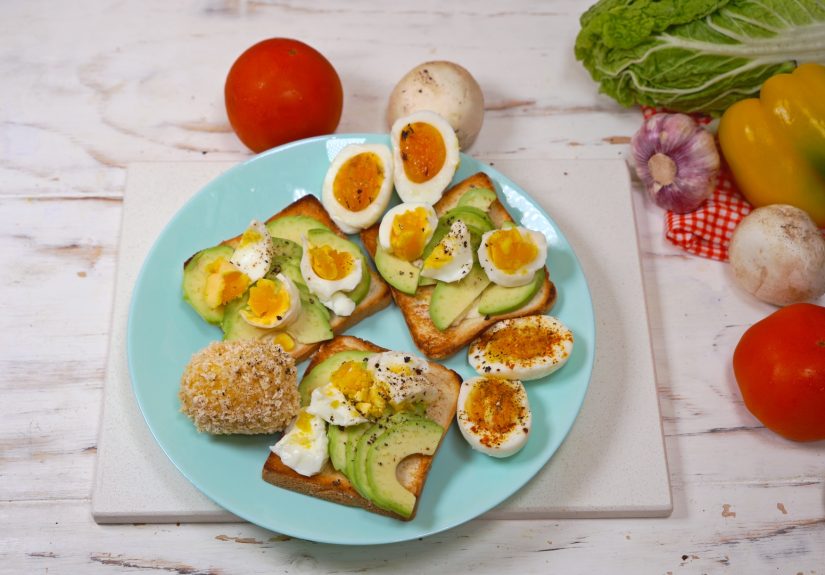
If “dippy eggs with toast soldiers” is the classic, this is the modern remix: soft boiled eggs sliced over toast, tucked onto a bagel, or perched on a breakfast plate like the world’s most edible gold medal. The yolk melts into whatever’s underneath, which is basically free sauceyour wallet’s favorite kind.
Three Easy Builds
- Avocado toast + soft boiled egg: mash avocado with salt and lemon, add sliced egg, finish with chili flakes. Yes, it’s a cliché. No, you shouldn’t stop.
- Cream cheese bagel + jammy egg: layer cucumber slices, a jammy egg, and cracked pepper. Add smoked salmon if you’re feeling fancy (or just feeling like your fridge deserves applause).
- Breakfast plate upgrade: serve eggs with roasted potatoes or hash browns and greens. The yolk becomes the sauce your potatoes have been waiting for their whole lives.
Pro Tip: Choose Your Yolk Based on the Bread
For messy, joyful dipping, go runny. For tidy slicing and clean bites, go jammy. If your toast is extra hearty (thick sourdough, dense rye), jammy yolk tends to behave better. If it’s a fluffy English muffin, runny yolk can soak in like it’s paying rent.
Way #3: Soft Boiled Eggs in Ramen and Noodle Soups
A bowl of noodles plus a soft boiled egg is basically the warm, edible version of a blanket. The egg adds protein, richness, and that “restaurant vibe” that makes you look like you know what you’re doingeven if you absolutely used instant noodles.
Fast Version: Add Egg to Any Noodle Bowl
- Make noodles (ramen, soba, udon, rice noodleswhatever you love).
- Add broth or sauce (miso broth, chicken broth, spicy peanut sauce, etc.).
- Slice a soft boiled egg in half and place it on top, yolk side up like a tiny sunrise.
- Finish with something crunchy (scallions, sesame seeds, fried onions, nori).
Upgrade: “Ramen Eggs” (Soy-Marinated Soft Boiled Eggs)
If you’ve ever wondered why ramen shop eggs taste like they’ve lived a more interesting life than you: it’s the marinade. A simple soy-based soak turns a regular soft boiled egg into a salty-sweet, savory powerhouse.
Quick marinade idea: combine soy sauce + water + a little sugar or honey. Optional: add garlic, ginger, or a splash of rice vinegar. Peel eggs, soak at least a few hours (overnight is great), then slice for ramen, rice bowls, or snack attacks.
Timing Tip for Noodles
If you want the egg white fully set (especially for marinating), lean toward 6½–7 minutes for a jammy egg. Runny yolks are delicious, but they can be harder to peel cleanly and may dilute a marinade.
Way #4: Soft Boiled Eggs on Salads, Grain Bowls, and “Whatever’s in the Fridge” Bowls
Soft boiled eggs are a cheat code for turning a bowl of vegetables into an actual meal. They add protein and richness, and the yolk becomes a built-in dressing when you break it open. It’s like your salad got promoted.
Salad Ideas That Love a Jammy Egg
- Caesar-ish salad: romaine, croutons, parmesan, and a jammy egg instead of (or alongside) chicken.
- Spring greens + lemon: arugula or mixed greens, shaved fennel, citrus segments, olive oil, and egg on top.
- Warm spinach salad: wilt spinach with garlic, add bacon or mushrooms, then top with egg and pepper.
Grain Bowl Formula (Works Every Time)
Build a bowl like this and you’ll never stare into your fridge like it’s a puzzle again:
- Base: rice, quinoa, farro, or even leftover noodles.
- Veg: roasted vegetables, raw cucumbers, shredded carrots, sautéed greens.
- Flavor: pesto, salsa verde, tahini, miso dressing, or a squeeze of lemon.
- Protein crown: soft boiled egg (halved). Bonus points for a sprinkle of seeds.
Why This Works (A Little Food Logic)
Many salads and grain bowls fail because they’re either too dry or too “all crunch, no comfort.” The yolk solves both problems. It’s rich enough to coat grains and greens, but mild enough to pair with bold flavorsspicy sauces, salty cheeses, pickled vegetables, you name it.
Common Soft Boiled Egg Problems (and Fixes)
“My egg is undercooked and the white is weirdly translucent.”
Add 30–60 seconds next time, especially if you prefer set whites. Keeping the water at a gentle boil after adding eggs also helps maintain consistent cooking.
“My egg won’t peel and I’m losing my mind.”
Use an ice bath, peel from the wide end, and try peeling under running water. Also, some eggs just peel better than othersfresh eggs can be more stubborn. Consider buying eggs a few days before you plan a big peeling session.
“My yolk is too firm.”
Shorten your cooking time by 30 seconds and be religious about the ice bath. Soft boiled eggs keep cooking from residual heat if you leave them in the hot water “just for a second.” That second has a résumé and ambitions.
Real-Life Kitchen Experiences (So You Can Skip the Trial-and-Error)
Soft boiled eggs look effortless in photos. In real life, they’re a tiny adventuresometimes magical, sometimes mildly chaotic. Here are common experiences home cooks run into, plus what you can learn from them, without needing to sacrifice a dozen eggs to the cause.
1) The “I forgot the timer” moment. It happens: you drop the eggs in, glance at your phone, and suddenly you’re watching a three-minute video about a dog who learned to skateboard. When you remember the eggs, you’ve created something closer to a medium-boiled egg. The good news? A slightly firmer yolk is still deliciousespecially on salads and grain bowls. The lesson is simple: set a loud timer (or two), and treat it like a fire alarm for your breakfast.
2) The peeling disaster that tests your character. You tap the shell, try to peel, and it comes off in microscopic shards while the egg looks like it got into a fight with a cheese grater. This is the exact moment an ice bath earns its paycheck. Cooling shrinks the egg slightly and helps separate it from the shell membrane. Another trick is peeling under running water, which slides into the gaps and helps lift the shell away. The deeper lesson: your technique matters, but egg freshness matters toovery fresh eggs can cling more. If you’re meal-prepping jammy eggs for the week, using eggs that aren’t brand-new can make life easier.
3) The “my ramen is basic” glow-up. A lot of people discover soft boiled eggs because they want instant ramen to feel less like a sad desk lunch. The first time you add a jammy egg to noodles, it’s a genuine upgrade: the yolk enriches the broth, and suddenly your bowl tastes like you paid for it. This experience teaches a powerful kitchen truth: the best upgrades are often tiny. You don’t need a pantry full of specialty ingredientsyou need one perfectly timed egg.
4) The “accidental sauce” revelation. You slice a soft boiled egg onto avocado toast or a grain bowl, the yolk breaks, and it flows into everything. At first, it feels like you “ruined” the presentation. Then you take a bite and realize you didn’t ruin anythingyou invented the best sauce in your kitchen with zero whisking. Once you embrace the yolk as sauce, you start building meals around it: roasted veggies taste richer, greens taste less austere, and plain rice becomes comfort food.
5) The “food safety” reality check. Many people love runny eggs but also have someone in the household who shouldn’t eat undercooked eggs (or just prefers not to). That can feel like a buzzkill until you realize you still have options: pasteurized eggs, slightly longer cook times for fully set yolks, or using jammy eggs in dishes where you’re more comfortable with the texture. The best habit here is flexibility: choose the doneness that matches your comfort level and the people you’re feeding, and you’ll actually enjoy the meal instead of overthinking it.
In the end, soft boiled eggs are less about perfection and more about learning your own “sweet spot.” Some people live for a fully runny yolk and toast dipped like it’s a job. Others want jammy eggs they can slice cleanly onto salads all week. Once you nail your timingand keep an ice bath on standbyyou’ll find yourself reaching for soft boiled eggs whenever a meal needs a little comfort, a little protein, and a lot of “wow, that was easy.”