Table of Contents >> Show >> Hide
- What Makes an Eat-In Kitchen Work?
- 40 Stylish Eat-In Kitchen Ideas For Cozy Casual Dining
- 1. Build a Classic Breakfast Nook
- 2. Add a Built-In Banquette
- 3. Try an L-Shaped Corner Bench
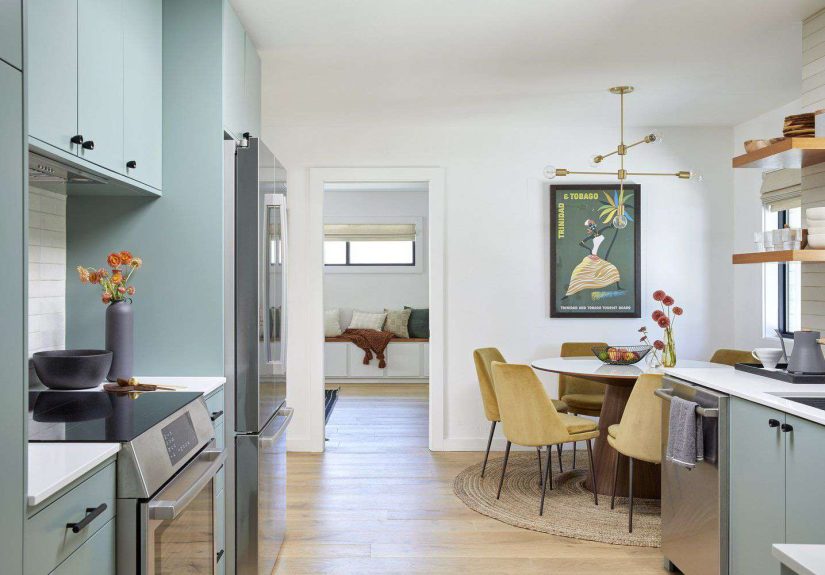
- 4. Use a Round Table for Better Flow
- 5. Choose a Bistro Table
- 6. Turn the Kitchen Island Into a Dining Spot
- 7. Add a Peninsula Breakfast Bar
- 8. Mix Chairs and Bench Seating
- 9. Place Dining Seating by a Window
- 10. Use Wallpaper Behind the Dining Area
- 11. Add a Statement Pendant Light
- 12. Ground the Space With a Rug
- 13. Create a Scandinavian-Inspired Eat-In Kitchen
- 14. Go Farmhouse With a Wood Table
- 15. Add Café Curtains for Charm
- 16. Choose Upholstered Chairs
- 17. Use Backless Stools in Tight Spaces
- 18. Try Counter-Height Dining
- 19. Add Storage Under the Bench
- 20. Make a Tiny Two-Person Dining Corner
- 21. Use a Drop-Leaf Table
- 22. Bring in Vintage Chairs
- 23. Add a Gallery Wall
- 24. Try a Curved Banquette
- 25. Use Bold Cushion Fabric
- 26. Design Around a Bay Window
- 27. Add Plants Near the Dining Spot
- 28. Keep It Minimal and Airy
- 29. Use Dark Paint for Drama
- 30. Add a Small Settee
- 31. Choose a Pedestal Table
- 32. Add Open Shelving Nearby
- 33. Try a Coastal Casual Look
- 34. Go Modern With Clean Lines
- 35. Create a Multi-Use Family Hub
- 36. Use Colorful Chairs
- 37. Add a Narrow Console Table
- 38. Combine Dining and Display
- 39. Make the Island Feel Like a Table
- 40. Keep the Table Ready for Everyday Life
- Smart Design Tips for Cozy Casual Dining
- Experience Notes: What Actually Makes an Eat-In Kitchen Work Day After Day
- Conclusion
An eat-in kitchen is the home design equivalent of “come as you are.” It is not as formal as a dining room, not as rushed as eating over the sink, and definitely more charming than balancing cereal on your laptop. Whether you have a tiny apartment corner, a sunny breakfast nook, a hardworking kitchen island, or a farmhouse table that seems to collect everyone within a ten-foot radius, an eat-in kitchen turns everyday meals into small, cozy rituals.
The best eat-in kitchen ideas combine comfort, traffic flow, storage, lighting, and personality. Translation: you need a place to sit, enough room to move, and a design that does not make your kitchen feel like a furniture store had a minor accident. From built-in banquettes to bistro tables, island seating, window nooks, and casual dining corners, these stylish ideas will help you create a space that looks beautiful and actually works for real life.
What Makes an Eat-In Kitchen Work?
A great eat-in kitchen starts with one simple question: how do you really eat at home? Quick coffee? Family dinners? Homework with snacks? Weekend pancakes that somehow require six pans? Your answer should guide the layout. A compact kitchen may only need a small round table and two chairs. A larger kitchen can handle a full dining table, banquette, or island seating for a crowd.
Comfort also matters. Allow enough clearance behind chairs or stools so people can sit down without performing kitchen yoga. Choose wipeable fabrics, rounded corners, easy-clean surfaces, and lighting that makes the dining area feel intentional. The goal is cozy casual dining, not a chair jammed beside the refrigerator and called “European.”
40 Stylish Eat-In Kitchen Ideas For Cozy Casual Dining
1. Build a Classic Breakfast Nook
A breakfast nook instantly makes a kitchen feel warmer. Place a small table in a corner, add a bench or two chairs, and soften the area with cushions. It is perfect for coffee, toast, and pretending you are not checking email before 8 a.m.
2. Add a Built-In Banquette
A built-in banquette saves space because it hugs the wall and eliminates the need to pull chairs out on every side. Add hidden drawers beneath the seat for placemats, linens, board games, or the mysterious collection of chargers every home seems to grow.
3. Try an L-Shaped Corner Bench
An L-shaped bench turns an awkward corner into a dining zone. Pair it with a pedestal table so legs do not bump into table supports. Upholstered cushions make it feel like a tiny restaurant booth, minus the laminated menu.
4. Use a Round Table for Better Flow
Round tables are excellent for small eat-in kitchens because they soften sharp corners and improve movement. They also make conversation easier, since nobody is stuck at the “far end” dramatically asking someone to pass the butter.
5. Choose a Bistro Table
A marble, wood, or metal bistro table brings café charm to a kitchen. It works especially well near a window or in a narrow layout where a large dining table would overwhelm the space.
6. Turn the Kitchen Island Into a Dining Spot
Island seating is one of the easiest eat-in kitchen solutions. Add comfortable counter stools, leave enough overhang for knees, and keep the eating side free of clutter. Nobody wants to dine beside a blender, mail pile, and one suspicious banana.
7. Add a Peninsula Breakfast Bar
If your kitchen does not have room for a full island, a peninsula can provide casual seating without requiring as much floor space. It visually separates the kitchen from the living area while keeping conversation open.
8. Mix Chairs and Bench Seating
A bench on one side and chairs on the other creates a relaxed, layered look. It is practical for families, flexible for guests, and less formal than a matched dining set.
9. Place Dining Seating by a Window
Natural light makes any dining corner feel special. Put a small table near a window and add woven shades, café curtains, or Roman blinds for softness. Morning coffee tastes better when it has a view.
10. Use Wallpaper Behind the Dining Area
Wallpaper can define an eat-in kitchen zone beautifully. Try florals, stripes, botanical prints, or subtle geometrics behind a banquette. It creates a focal point without requiring a major renovation.
11. Add a Statement Pendant Light
A pendant light over the table says, “This is a dining area,” even if the space is only five feet wide. Choose a woven shade for warmth, a glass globe for modern style, or a lantern for farmhouse charm.
12. Ground the Space With a Rug
A washable rug helps separate the dining area from the cooking zone. Choose a flat-weave or indoor-outdoor rug that can handle crumbs, spills, and the occasional noodle escape.
13. Create a Scandinavian-Inspired Eat-In Kitchen
White walls, pale wood, simple chairs, and clean-lined lighting create a bright Scandinavian feel. Add linen cushions or a small vase of greenery so the room feels calm instead of clinically clean.
14. Go Farmhouse With a Wood Table
A rustic wood table brings instant warmth to an eat-in kitchen. Pair it with Windsor chairs, a bench, or vintage stools. Scratches and dings only make it better, which is excellent news for anyone with kids, pets, or enthusiasm.
15. Add Café Curtains for Charm
Café curtains soften the windows around a breakfast nook while keeping the room bright. They are practical, charming, and especially good for kitchens facing a neighbor’s window or a very judgmental sidewalk.
16. Choose Upholstered Chairs
If your eat-in kitchen doubles as a place for homework, remote work, or long conversations, upholstered chairs are worth it. Choose performance fabric or vinyl for easy cleaning.
17. Use Backless Stools in Tight Spaces
Backless stools tuck neatly under a counter or island, making them ideal for narrow kitchens. They keep sightlines open and reduce visual clutter while still offering a convenient place for quick meals.
18. Try Counter-Height Dining
A counter-height table can bridge the gap between prep space and dining space. It works well in open kitchens where the table may also serve as extra workspace for baking, serving, or sorting groceries.
19. Add Storage Under the Bench
Banquette storage is a secret weapon. Use drawers or lift-up seats to store seasonal dishes, table linens, kids’ art supplies, or small appliances that do not deserve prime cabinet real estate.
20. Make a Tiny Two-Person Dining Corner
Even a small kitchen can have an eat-in moment. A slim table against the wall with two chairs creates a sweet dining spot for apartments, condos, and compact homes.
21. Use a Drop-Leaf Table
A drop-leaf table expands when needed and folds down when not in use. It is a brilliant choice for small eat-in kitchens where flexibility matters more than showing off a giant table.
22. Bring in Vintage Chairs
Vintage chairs add character and prevent the space from feeling too showroom-perfect. Mix wood tones or paint mismatched chairs in one color for a collected but cohesive look.
23. Add a Gallery Wall
A gallery wall above a dining bench makes an eat-in kitchen feel personal. Use framed prints, family photos, small paintings, or even vintage menus for a playful café-inspired touch.
24. Try a Curved Banquette
A curved banquette feels elegant and unexpected. It softens the geometry of cabinets and countertops while creating a cozy wraparound seating area that encourages lingering.
25. Use Bold Cushion Fabric
Banquette cushions are a great place to have fun with color or pattern. Try stripes, checks, velvet, leather, or performance fabric in a rich shade. It is a low-risk way to add personality.
26. Design Around a Bay Window
A bay window is practically begging to become a breakfast nook. Fit a bench into the curve or place a round table in the center to create a bright and inviting casual dining area.
27. Add Plants Near the Dining Spot
Plants bring life to an eat-in kitchen. A potted herb on the table, a hanging plant near the window, or a small tree in the corner can make the space feel fresh and homey.
28. Keep It Minimal and Airy
For a clean modern eat-in kitchen, choose slim furniture, neutral colors, and uncluttered surfaces. Minimal does not mean boring; texture, wood grain, and good lighting keep the room warm.
29. Use Dark Paint for Drama
A deep green, navy, charcoal, or warm brown dining nook can feel intimate and stylish. Balance dark paint with good lighting, pale upholstery, or natural wood so the corner feels cozy instead of cave-like.
30. Add a Small Settee
A petite settee can replace a bench in a breakfast nook. It adds living-room comfort to the kitchen and works especially well when paired with a small oval or round table.
31. Choose a Pedestal Table
Pedestal tables are friendly to banquettes because there are no corner legs to block knees. They also make it easier to slide in and out, which matters when someone always chooses the inside seat.
32. Add Open Shelving Nearby
Open shelves beside a dining nook can hold mugs, bowls, cookbooks, and pretty glassware. Keep the styling practical so the shelves support daily meals rather than becoming a dust museum.
33. Try a Coastal Casual Look
Light wood, woven chairs, blue accents, and airy white walls create a coastal eat-in kitchen. Add natural textures like rattan or linen for a relaxed, vacation-at-home feeling.
34. Go Modern With Clean Lines
For a modern eat-in kitchen, choose sleek stools, a simple table, and sculptural lighting. Use contrast, such as black chairs with white cabinets or walnut wood against pale stone, to keep the design interesting.
35. Create a Multi-Use Family Hub
An eat-in kitchen often becomes the command center of the home. Add comfortable seating, nearby outlets, a drawer for school supplies, and durable finishes so the space can handle meals, work, crafts, and snack negotiations.
36. Use Colorful Chairs
Colorful chairs can wake up a neutral kitchen. Try sage, terracotta, butter yellow, sky blue, or classic black. Keep the table simple so the chairs can do the talking.
37. Add a Narrow Console Table
In a galley kitchen or tight layout, a narrow wall-mounted table or console can create a small dining ledge. Add stools that tuck underneath to keep the walkway clear.
38. Combine Dining and Display
Use the wall around your eat-in area to display plates, art, cookbooks, or ceramics. It gives the dining zone identity and makes the kitchen feel less purely functional.
39. Make the Island Feel Like a Table
Use a furniture-style island with legs, wood details, or a lowered dining section to make island seating feel more comfortable. This is especially useful in kitchens where the island is the main casual dining area.
40. Keep the Table Ready for Everyday Life
The most stylish eat-in kitchen is one people actually use. Keep a fruit bowl, napkins, and simple placemats nearby. Do not overstyle the table with twelve decorative objects that must be moved every time someone wants toast.
Smart Design Tips for Cozy Casual Dining
Plan the Flow Before Buying Furniture
Measure carefully before choosing a table, bench, or stools. Leave enough space for people to pull out chairs and walk behind seated diners. In busy kitchens, circulation matters as much as style. A beautiful table that blocks the dishwasher will become annoying faster than you can say “where do I put this plate?”
Choose Materials That Forgive Real Life
Eat-in kitchens need hardworking materials. Look for wipeable upholstery, stain-resistant rugs, washable slipcovers, sealed wood, and durable tabletops. Marble may be gorgeous, but if lemon juice makes you nervous, choose quartz, wood, laminate, or stone-look surfaces that suit your lifestyle.
Use Lighting to Create Mood
Layered lighting makes an eat-in kitchen feel intentional. Combine overhead task lighting with a pendant over the table, under-cabinet lighting, or a small lamp on nearby shelving. Warm bulbs help the dining area feel cozy in the evening.
Make Small Spaces Feel Bigger
Small eat-in kitchens benefit from round tables, benches, light colors, mirrors, slim chairs, and furniture with exposed legs. Wall-mounted tables and banquettes can also free up floor space while still giving you a comfortable place to eat.
Experience Notes: What Actually Makes an Eat-In Kitchen Work Day After Day
After looking at countless eat-in kitchen layouts, one thing becomes obvious: the best spaces are not always the biggest or most expensive. They are the ones that make everyday routines easier. A small breakfast nook with a wipeable bench can outperform a grand dining setup if it is placed where people naturally gather. In many homes, the kitchen table becomes the landing strip for coffee cups, homework, grocery bags, birthday cupcakes, and late-night conversations. That is not a design failure. That is the point.
One practical lesson is that comfort wins. A beautiful stool with no back may look amazing in photos, but if people sit there for more than ten minutes, they may start shifting around like they are negotiating with gravity. For quick breakfasts, backless stools are fine. For family meals, long chats, or working from the kitchen, chairs with backs or cushioned banquette seating are usually better. If the kitchen island is your main dining space, invest in stools that feel good, not just ones that match the cabinet hardware.
Another experience-based tip: storage near the eating area quietly improves everything. When napkins, placemats, chargers, crayons, and coasters have a home nearby, the dining zone stays calmer. A bench with drawers, a slim side cabinet, or open shelves can make the difference between a cozy nook and a clutter magnet. The trick is to store items where you use them. Nobody wants to cross the kitchen every morning just to find a spoon, unless they are trying to increase their step count in the most inefficient way possible.
Lighting also changes how people use the space. A dining nook under harsh overhead lighting can feel like a cafeteria. Add a pendant, wall sconce, or warm dimmable bulb, and suddenly the same corner feels like a place to linger. If you eat dinner in the kitchen often, choose lighting that flatters food and faces. No one needs mashed potatoes illuminated like evidence in a detective show.
Finally, the most successful eat-in kitchens have personality. A patterned cushion, framed art, a vintage table, a colorful chair, or a small plant can make the area feel loved. You do not need a full remodel to create charm. Sometimes the winning formula is simply a good table, comfortable seats, enough clearance, soft lighting, and a place where people naturally want to sit. Cozy casual dining is not about perfection. It is about making the kitchen feel welcoming enough that people stay a little longer after the plates are cleared.
Conclusion
Stylish eat-in kitchen ideas are not one-size-fits-all. A tiny apartment may shine with a wall-mounted table and two stools, while a spacious family kitchen may need a built-in banquette, island seating, and a farmhouse table that can survive spaghetti night. The secret is to design for the way you live. Prioritize comfort, flow, easy-clean materials, good lighting, and personal details that make the space feel like home.
Whether you choose a sunny breakfast nook, a dramatic wallpapered banquette, a practical island bar, or a cozy bistro corner, an eat-in kitchen can make everyday dining feel warmer and more connected. And if the table occasionally collects mail, homework, and one lonely apple? Congratulations. Your kitchen is doing its job.