Table of Contents >> Show >> Hide
- What Makes a Backyard Walkway Work
- Natural and Relaxed Backyard Walkway Ideas
- 1. Pea gravel path with metal edging
- 2. Stepping stones set in grass
- 3. Mulch path through planting beds
- 4. Crushed stone garden trail
- 5. Flagstone pieces with thyme between the joints
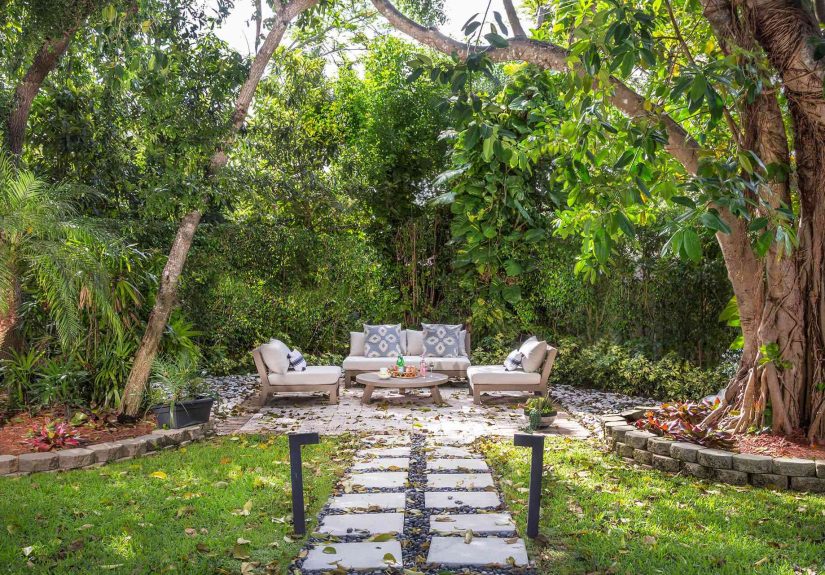
- 6. Bark walkway in a shady side yard
- 7. Log rounds for a rustic path
- 8. Gravel and oversized stone mix
- 9. Meadow-style path through tall grasses
- Classic and Timeless Walkway Ideas
- Modern Backyard Walkway Ideas
- 19. Large concrete pavers with gravel joints
- 20. Floating slab walkway
- 21. Monochrome paver path
- 22. Concrete path with black rock mulch
- 23. Grid walkway with grass joints
- 24. Linear path through a narrow backyard
- 25. Concrete path paired with corten edging
- 26. Minimalist paver path to an outdoor dining zone
- 27. Sculptural walkway lighting along stone slabs
- Budget-Friendly Walkway Ideas
- Walkway Ideas That Add Character and Experience
- 37. Path under an arbor
- 38. Moonlit path with layered lighting
- 39. Path to a hidden bench
- 40. Stepping stone path beside a pond
- 41. Bridge-style walkway over a dry creek bed
- 42. Walkway framed by low flowering borders
- 43. Path that links backyard zones
- 44. Curved path that reveals the yard gradually
- 45. Storybook path with mixed materials
- How to Choose the Right Walkway for Your Yard
- Experiences Homeowners Often Have With Backyard Walkways
- Conclusion
- SEO Tags
A great backyard walkway does more than keep shoes out of the mud. It creates flow, adds structure, protects your lawn, and quietly tells guests, “Yes, this yard does in fact have its life together.” The right path can guide people to a patio, vegetable bed, fire pit, pond, pergola, or secret reading nook you absolutely deserve.
The best backyard walkway ideas balance beauty with function. Some are polished and formal, while others are casual enough to look as if they wandered into the yard on their own. From gravel and brick to flagstone, pavers, mulch, and living ground covers, there is a design for every budget, climate, and style of home. Below, you’ll find 45 ideas to help you create a backyard path that feels practical, inviting, and a little bit impressive without trying too hard.
What Makes a Backyard Walkway Work
Before choosing materials, think about how the path will be used. A main route from the back door to a patio should feel stable, clear, and easy to walk every day. A garden path can be softer, looser, and a bit more whimsical. Curves feel relaxed and natural. Straight lines feel crisp and modern. Edging keeps loose materials from wandering off like they pay no rent. Lighting makes the path safer and prettier. Plants soften the hardscape so the whole yard feels designed instead of dropped from the sky.
Natural and Relaxed Backyard Walkway Ideas
1. Pea gravel path with metal edging
A pea gravel walkway has an easygoing look that works beautifully in cottage, farmhouse, and drought-friendly landscapes. Add slim metal edging to keep everything neat and prevent the path from slowly becoming part of the lawn.
2. Stepping stones set in grass
This is one of the simplest backyard walkway ideas, and it still looks charming every single time. Large stones floating across a lawn feel airy, informal, and ideal for connecting a deck, shed, or garden gate.
3. Mulch path through planting beds
If your goal is a woodland vibe, mulch is your best friend. It is budget-friendly, easy to refresh, and perfect for lightly traveled areas where you want the path to blend in with the surrounding garden.
4. Crushed stone garden trail
Crushed stone creates a firmer look than loose mulch but still feels natural. It pairs especially well with native plants, ornamental grasses, and informal beds where a polished paver walkway would feel too dressed up.
5. Flagstone pieces with thyme between the joints
This design has storybook energy in the best way. Irregular flagstone feels organic, while creeping thyme or another low ground cover softens the cracks and adds texture, fragrance, and a little bit of charm underfoot.
6. Bark walkway in a shady side yard
Side yards are often forgotten until they become muddy problem zones. A bark path can transform that awkward strip into a usable passage and make the entire backyard feel more intentional.
7. Log rounds for a rustic path
If you want something warm, natural, and a little unexpected, log rounds can create a backyard walkway that looks handcrafted and relaxed. They fit best in informal gardens where weathering only adds to the appeal.
8. Gravel and oversized stone mix
Combine large stepping stones with gravel infill for a path that feels structured but not stiff. This approach keeps the surface visually interesting and works well in larger yards that need some scale.
9. Meadow-style path through tall grasses
Instead of forcing the yard into perfect lines, let the walkway weave through soft plantings. A narrow path through ornamental grasses and pollinator plants can make a backyard feel bigger, calmer, and more immersive.
Classic and Timeless Walkway Ideas
10. Traditional brick walkway
Brick never seems to lose. It is warm, classic, and especially attractive near older homes, cottage gardens, and patios. Use it in a simple running bond or a more decorative layout if you want extra personality.
11. Herringbone brick path
For a walkway with more visual rhythm, herringbone is a strong choice. The pattern feels polished and tailored, making it ideal for formal backyards or homes with traditional architecture.
12. Basketweave paver path
This pattern adds detail without feeling busy. It is a nice middle ground for homeowners who want a little more design than a basic straight-set paver walkway but do not want anything overly dramatic.
13. Bluestone walkway
Bluestone has a refined, timeless look that works in both classic and contemporary landscapes. Its cool tones pair beautifully with green plantings, black fencing, white trim, and clean-lined outdoor furniture.
14. Cobblestone-inspired path
If you love old-world character, a cobblestone-style walkway brings texture and history to the yard. It looks especially good leading to patios, arbors, or garden rooms where you want the journey to feel special.
15. Straight stone walkway to a focal point
A straight path creates a sense of order. Aim it toward something worth seeing, such as a bench, fountain, pergola, sculpture, or fire pit. Suddenly the walkway is doing a lot more than just handling foot traffic.
16. Border-lined gravel path
Add brick, stone, or paver edging around gravel for a more finished look. The border gives the path definition and helps it read as a real design element instead of a temporary patch of backyard compromise.
17. Symmetrical path flanked by planting beds
If your style leans formal, symmetry is a power move. A centered walkway with matching beds on both sides creates balance and gives the backyard a polished, intentional structure.
18. Stone path with clipped shrubs
Pairing a simple stone walkway with low boxwood-style shrubs or neatly pruned evergreens creates a tailored look. It is crisp, elegant, and very good at making a yard appear more expensive than it may actually be.
Modern Backyard Walkway Ideas
19. Large concrete pavers with gravel joints
This is a favorite for modern landscapes because it feels clean and architectural. The strong shape of oversized pavers contrasts nicely with loose gravel, giving the backyard texture without clutter.
20. Floating slab walkway
Evenly spaced slabs create that minimalist “designer yard” look people love to save to inspiration boards. Keep the spacing consistent and the surrounding planting simple for maximum effect.
21. Monochrome paver path
Choose pavers in gray, charcoal, or sandy neutrals for a streamlined look. This style works best when the rest of the backyard follows suit with restrained planting and uncluttered furniture.
22. Concrete path with black rock mulch
If you want drama, contrast is the trick. Pale concrete surrounded by darker aggregate creates a graphic effect that feels sharp, modern, and low on fuss.
23. Grid walkway with grass joints
A grid of pavers with grass or low ground cover between them softens a modern design. It gives you structure and geometry without turning the yard into a parking lot with ambition.
24. Linear path through a narrow backyard
In a long, skinny yard, a straight modern walkway can help emphasize order instead of awkwardness. Add repeated plantings or lights along the route to make the space feel intentional and calm.
25. Concrete path paired with corten edging
Weathered steel edging adds warmth to modern hardscaping and looks fantastic with grasses, gravel, and minimalist planting schemes. It is crisp but still grounded enough to feel at home in a backyard.
26. Minimalist paver path to an outdoor dining zone
Connect outdoor “rooms” with a walkway that feels as deliberate as the spaces themselves. A clean paver path can tie together a grill area, dining table, and lounge zone without visual chaos.
27. Sculptural walkway lighting along stone slabs
When the path looks good during the day, lighting is what makes it magical at night. Sleek path lights can turn a simple slab walkway into a dramatic evening feature without overdoing it.
Budget-Friendly Walkway Ideas
28. Recycled brick path
Salvaged brick offers instant character and can be easier on the budget than buying new. Slight variation in tone and texture only makes the walkway feel richer and more lived in.
29. Secondhand stone walkway
Marketplace finds, reclaimed materials, and leftover construction stone can all become a surprisingly stylish garden path. The result often feels more unique than something ordered in perfect matching boxes.
30. Wood chip path for vegetable gardens
Wood chips are practical, affordable, and especially useful between raised beds or in productive backyard spaces. They help define routes without demanding a huge investment of time or money.
31. Simple paver stepping path
Rather than paving an entire walkway, use individual pavers with spacing in between. You get a defined path with fewer materials, less labor, and a softer overall look.
32. Decomposed granite walkway
This material gives you a compacted, clean finish that often costs less than a full paver installation. It is especially attractive in warm-climate landscapes and contemporary desert-inspired yards.
33. Mulch-and-stone combo path
Use stone only where you need a firmer walking surface and fill the rest with mulch. This mix keeps costs lower while still giving the walkway structure and visual contrast.
34. Pallet-board garden boardwalk
For a quirky DIY route through a casual backyard, reclaimed boards can be turned into a simple boardwalk-style path. It is not the choice for every climate, but it can look wonderfully relaxed and creative.
35. Plain concrete stepping pads
Basic concrete pads are affordable, durable, and surprisingly versatile. Dress them up with gravel, grass, or planting around them, and no one will accuse them of being boring.
36. Pine needle path in woodland corners
If your backyard has a natural wooded section, pine needles can create a soft, low-cost path that feels completely at home in the setting. It is simple, understated, and easy on the eyes.
Walkway Ideas That Add Character and Experience
37. Path under an arbor
An arbor instantly makes a walkway feel like an entrance instead of just a route. Add climbing roses, jasmine, or clematis and suddenly your backyard has main-character energy.
38. Moonlit path with layered lighting
Use a mix of path lights, lanterns, and subtle overhead glow to make the walkway feel welcoming at night. Done well, the lighting is functional, flattering, and just theatrical enough.
39. Path to a hidden bench
A backyard walkway feels more meaningful when it leads somewhere worth lingering. A tucked-away bench under a tree turns an ordinary stroll into a destination.
40. Stepping stone path beside a pond
Water features and walkways are natural partners. A path skimming a pond or rain garden makes the yard feel layered, immersive, and much more interesting than a flat lawn with commitment issues.
41. Bridge-style walkway over a dry creek bed
This idea is practical and visually memorable, especially in yards with drainage challenges or changing grade. A small bridge adds movement and turns a problem area into a feature.
42. Walkway framed by low flowering borders
Use compact perennials, herbs, or edging plants to soften both sides of the path. The result feels lush and welcoming without swallowing the walkway itself.
43. Path that links backyard zones
One of the smartest backyard walkway ideas is to use the path as the glue between spaces. Connect the patio, play area, shed, garden, and fire pit so the yard feels cohesive instead of scattered.
44. Curved path that reveals the yard gradually
Curves create mystery. Rather than showing everything at once, a winding walkway encourages movement and makes even modest backyards feel more expansive and thoughtfully designed.
45. Storybook path with mixed materials
Combine gravel, irregular stone, soft ground cover, and a few ornamental details for a path that feels collected over time. This layered look works beautifully in gardens with personality and a slightly romantic mood.
How to Choose the Right Walkway for Your Yard
If your backyard gets heavy daily traffic, choose a sturdy surface such as pavers, brick, or stone. If the path is mostly for visual charm and light garden wandering, stepping stones, mulch, or gravel can be enough. Consider maintenance too. Gravel may need occasional raking, mulch needs refreshing, and living joints between stones may need a trim now and then. Match the walkway to the mood of the yard. Formal spaces usually call for stronger lines and classic materials, while relaxed gardens can handle curves, texture, and more improvisation.
Also think about the plants nearby. Walkways should not fight with the landscape. They should make the garden easier to enjoy. The best paths look like they belong there, as though the yard itself asked for them.
Experiences Homeowners Often Have With Backyard Walkways
People usually begin planning a backyard walkway for practical reasons. Maybe the lawn turns swampy after rain. Maybe guests keep cutting across the flower bed like tiny, well-dressed vandals. Maybe the distance from the back door to the patio is short, but somehow still long enough to feel annoying when carrying drinks, gardening tools, or an overconfident tray of burgers. Then the path goes in, and something subtle changes. The yard starts to feel easier to use.
One of the most common experiences homeowners mention is that a walkway makes the backyard feel finished. Not fancy, necessarily. Just complete. A path creates order, and order has a sneaky way of making everything around it look better. The grass seems greener. The patio seems farther away in a good way, like it has become a destination. Even the shed starts acting like it belongs in the design plan.
Another real-life surprise is how much a path changes movement. Without a walkway, people wander wherever the yard allows. With a walkway, they naturally follow the route you created. That means less wear on the lawn, fewer crushed plants, and less of that awkward shuffle across damp ground after a sprinkler cycle. It is one of those upgrades that feels decorative on paper but functional every single day.
There is also the experience of seasonality. In spring, a backyard walkway frames fresh growth. In summer, it becomes the route between grilling, gardening, and lounging. In fall, it looks beautiful under a scatter of leaves. In winter, even a simple stone or brick path can make the yard feel structured when everything else has gone a little sleepy. Good walkways do not disappear with the seasons; they keep the landscape readable year-round.
Many homeowners also discover that a path changes how long they spend outside. A comfortable walkway invites little routines. Morning coffee to the garden. Evening stroll to the fire pit. Quick check on herbs before dinner. Trip out to the bench with a book you may or may not actually read because the birds got distracting. The yard stops being something you look at from the kitchen window and becomes a place you move through.
Then there is the emotional piece, which sounds dramatic until you see it happen. A well-designed backyard walkway can make even a modest space feel cared for. It adds intention. It suggests that the outdoor space is not just leftover square footage around the house but part of daily life. That can be surprisingly satisfying. You are no longer stepping into “the backyard.” You are entering a space with rhythm, purpose, and a point of view.
In other words, the best backyard walkway ideas do not simply elevate your yard in photos. They elevate the everyday experience of living with it. And that is a pretty solid return for a path.
Conclusion
The right backyard walkway can transform an ordinary yard into a more functional, attractive, and inviting outdoor space. Whether you love rustic stepping stones, elegant brick, modern concrete pavers, or a relaxed gravel path, the key is choosing a design that matches how you actually use the yard. A great walkway protects the landscape, guides movement, creates beauty, and adds a layer of intention that makes the whole backyard feel more complete. In short, it is one of the smartest upgrades you can make without needing a reality TV budget or a dramatic reveal soundtrack.