Table of Contents >> Show >> Hide
- Why Funny Memes Are the Perfect Bad-Day Companion
- Inside the Chaos: What Makes These 45 Memes So Relatable?
- How Scrolling Through Memes Helps You Survive “Those Days”
- How to Build Your Own “Emergency Meme Kit”
- Want to Make Your Own Bad-Day Memes? Here’s How
- Real-Life Experiences: When 45 Funny Memes Save the Day
- Conclusion: Scroll, Laugh, Reset
You know those days. The alarm doesn’t go off, your coffee tastes like disappointment, and your inbox
decides to cosplay as a volcano. On days like that, productivity tips are useless and all you really want is
something that makes you laugh so hard you ugly-cry a little. Enter: ridiculously funny memes.
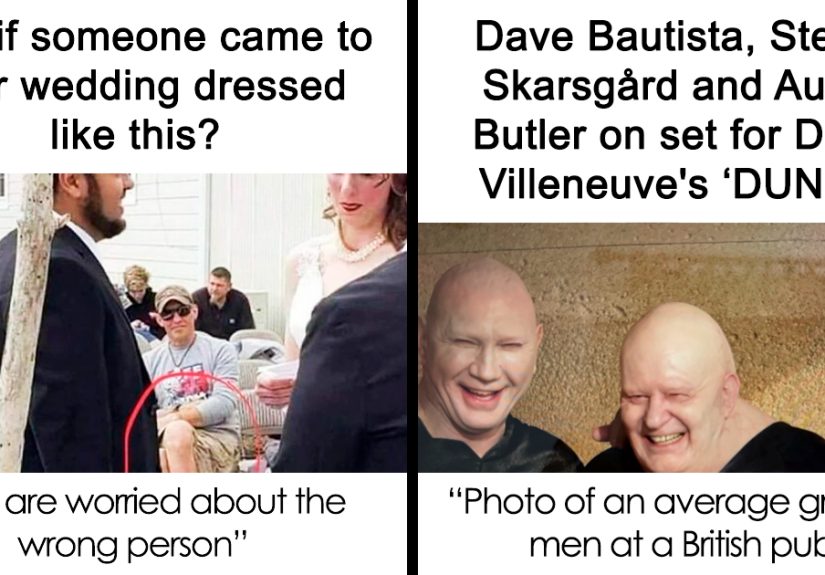
The Bored Panda roundup “45 Ridiculously Funny Memes To Scroll Through When You’re Having One Of Those Days”
taps right into that exact mood. It’s a scrollable care package of chaos: pets misbehaving, work fails,
relationship disasters, and painfully accurate “adulting” jokes. You’re not just looking at random pictures –
you’re seeing your own life reflected back at you, but with a punchline.
In this article, we’ll dive into why a gallery like these 45 funny memes hits so hard when your day is falling
apart, what kinds of jokes show up again and again, and how memes actually help you cope with stress. We’ll even
walk through how to build your own “emergency meme kit” and share some real-life experiences of bad days
rescued by a perfectly timed meme.
Why Funny Memes Are the Perfect Bad-Day Companion
There’s real science behind that little mood boost you get from scrolling through hilarious memes. Laughter isn’t
just a nice feeling; it changes what’s happening in your body. Research suggests that humor can lower stress
hormones like cortisol, trigger the release of endorphins (your brain’s natural feel-good chemicals), relax your
muscles, and improve your overall mood and resilience against stress.
Now combine that with memes – short, visual, insanely shareable, and often built from situations we all know too
well. A meme compresses an entire bad day into one captioned image: the printer jamming, the dog destroying the
couch, the moment you realize you sent a text to the wrong person. You look at it and instantly think, “Same.”
That “same” moment is powerful. Psychologists point out that memes function both as jokes and as tiny social
signals – they say, “You’re not alone, we’re all struggling and laughing about it together.” When you’re having
one of those days, that sense of connection can be as comforting as the laughter itself.
Inside the Chaos: What Makes These 45 Memes So Relatable?
If you look at the Bored Panda collection and similar meme roundups, some clear themes appear. These aren’t just
random jokes; they’re recurring chapters in the story of modern life. Here are some of the classic categories
that tend to show up among those 45 ridiculously funny memes.
1. Work Fails and Office Meltdowns
Everyone has a “work horror story”: the accidental “reply all,” the slide deck that didn’t save, the Zoom call
where you forgot your camera was on. Memes around work disasters are basically group therapy with punchlines.
Typical examples include:
- A picture of a stressed-out character with a caption like, “Me opening one email and suddenly having 27 new tasks.”
- A meme showing a character on fire calmly saying, “This is fine,” representing that one meeting that should’ve been an email.
- Photos of embarrassing typos on slides or signs, turned into jokes about “living on the edge at work.”
When you’re having one of those days at the office, these memes let you laugh at the absurdity of a system that
expects you to be a flawless productivity robot when you’re really just trying not to scream into your keyboard.
2. Pets Being Adorably Unhelpful
Another staple in bad-day meme collections: animals. From cats knocking everything off the table to dogs chewing
on the one thing you actually needed today, pet memes are a reminder that chaos can be cute.
Classic pet-chaos meme scenarios include:
- A cat sitting on a laptop with the caption, “I see you’re trying to work. Have you considered… not?”
- A dog covered in trash with the text, “I have made a mistake but also I regret nothing.”
- Animals making the exact facial expression you had during that awkward conversation with your boss.
These memes work because they shift your focus: instead of obsessing over what went wrong today, you’re laughing
at a furry, four-legged disaster you don’t have to clean up.
3. Relationship and Social-Life Disasters
Then there are the memes about dating, friendships, and social awkwardness – the “I misread the vibe” genre.
These are the memes you screenshot and send to your group chat with “me” as the caption.
They might poke fun at:
- Trying to look cool in a text and instead sending the most unhinged message possible.
- Accidentally liking a social media post from 3 years ago when you were “just casually browsing.”
- The internal dialogue of “I love people” vs. “Actually, never invite me anywhere ever again.”
When you’re feeling misunderstood or embarrassed, these memes remind you that everyone else is out here
oversharing, overthinking, and overreacting too.
4. “Adulting” and Everyday Life Fails
Another major pillar of the “having one of those days” meme universe is adulting. Bills, deadlines, cleaning,
cooking, and the eternal mystery of where all your socks went – it’s all fair game.
Expect memes about:
- Checking your bank account after “one little treat” spiral spending.
- Opening the fridge and realizing your only options are mustard, half an onion, and regret.
- Trying to get eight hours of sleep, eat vegetables, drink water, exercise, and have a social life… and doing none of the above.
These jokes land because they’re painfully accurate. You’re laughing, but also… ouch.
5. Tech Glitches and “I Am the IT Problem” Moments
Finally, there’s the tech category: wifi dying during an important call, auto-correct turning a normal message
into a crime scene, or your phone deciding to restart right when you needed that boarding pass.
The memes here often play off that sinking feeling of “I broke it” followed by the relief of realizing everyone
else is struggling with updates, error messages, and apps that never behave when you need them to. The joke
isn’t just about technology – it’s about how helpless it can make us feel, and how good it feels to laugh about it.
How Scrolling Through Memes Helps You Survive “Those Days”
On the surface, scrolling through a meme gallery looks like procrastination. But on tough days, it can actually
be part of how you reset your brain.
A Quick Reset for Your Nervous System
When you laugh, your body gets a mini reset. Your heart rate changes, your breathing deepens, and your brain
releases feel-good chemicals that counteract stress. Even a few minutes of genuine laughter can leave you feeling
lighter and more grounded afterward.
That’s why a few minutes with 45 funny memes can work better than angrily refreshing your inbox or doomscrolling
headlines. Instead of feeding your stress, you’re interrupting it.
Validation: “It’s Not Just Me”
One of the best parts of meme culture is how it normalizes the weird, embarrassing, and frustrating parts of life.
You see someone else’s terrible commute, disastrous haircut, or cooking fail, and suddenly your own day feels a
little less catastrophic.
That sense of shared experience is especially important if you’re feeling isolated. Memes create a kind of
shorthand community: no introductions, no small talk, just “here’s a joke that proves we’re all going through
it.”
A Safer Way to Look at Hard Stuff
Many memes in collections like these don’t shy away from stress, burnout, or anxiety – they lean into it. But by
turning those topics into jokes, they make them easier to look at. Instead of being overwhelmed by a feeling,
you’re able to examine it from a distance, with humor as a buffer.
That doesn’t replace therapy, boundaries, or real rest (memes can’t fix a toxic workplace, no matter how funny
they are). But they can be one of the small, daily tools that help you cope and keep moving.
How to Build Your Own “Emergency Meme Kit”
If you’ve ever thought, “I wish I had a folder of guaranteed laugh-out-loud memes for days like this,” good
news: you can absolutely create that. Think of it as emotional first aid, right next to your tea, comfy hoodie,
and noise-canceling headphones.
1. Create a Private Meme Stash
Start saving memes that genuinely make you snort-laugh. Screenshots, saved posts, downloads – whatever is
easiest. Organize them into a folder on your phone or cloud storage with a name like “Emergency Memes Only” or
“Open When Today Is Dumb.”
Over time, you’ll notice patterns: maybe you’re a pet chaos person, or maybe you lean toward extremely
self-deprecating “I have no idea what I’m doing” jokes. Your meme stash becomes a little map of your sense of
humor – and a tailored mood-boosting playlist in picture form.
2. Follow Accounts That Curate the Good Stuff
Instead of relying on whatever the algorithm decides to show you, follow accounts and sites that consistently
share memes you like – including roundups similar to the “45 Ridiculously Funny Memes” gallery. That way, when
you open social media, you’re more likely to see something that lifts you up instead of stressing you out.
Bonus tip: mute or unfollow accounts that always leave you feeling drained, angry, or inadequate. Your feed
should feel like a place that occasionally makes you cry laughing, not cry from exhaustion.
3. Set Meme Break Rules (So You Don’t Accidentally Lose 3 Hours)
Memes are great, but let’s be honest: 5 planned minutes can easily turn into 90 minutes of “Wait, how is it
dark outside?” To keep your meme habit healthy, set gentle limits.
- Use them as a timed break (e.g., 5–10 minutes between tasks).
- Pair your meme scroll with another calming ritual, like stretching or sipping water.
- Avoid using memes as your only way of dealing with big feelings – they’re one tool, not the toolbox.
4. Share the Laughter, Not Just the Link
Some of the best meme moments happen when you send one to a friend or coworker who really needs a
laugh. Don’t just dump links – add a little context like, “This is 100% you after that meeting,” or “This is our
Monday vibe in one picture.”
You’re not just sharing entertainment; you’re sending a quick “I see you, and I care” package disguised as a
joke.
Want to Make Your Own Bad-Day Memes? Here’s How
You don’t have to be a graphic designer to make memes. Half the beauty of meme culture is that it’s low-fi,
fast, and chaotic on purpose. If you want to turn your own “one of those days” moments into something that
makes other people laugh, here are some simple tips.
1. Start With a Template People Recognize
Classic meme formats (“This is fine,” “Distracted boyfriend,” “Surprised Pikachu,” and many others) work because
people instantly understand the joke structure. For bad-day memes, pick templates that already scream chaos,
stress, or absurdity.
Then customize the text so it reflects something ultra-specific, like “me after opening one slightly passive
email” or “my brain at 2 a.m. reviewing every wrong decision since 2012.”
2. Keep the Text Short and Punchy
The best memes don’t need a paragraph to explain the joke. If you can’t say it in one or two lines, it’s probably
a tweet, not a meme. Focus on capturing one clear emotion or moment: disbelief, frustration, embarrassment,
overconfidence, or total surrender.
3. Punch Up, Not Down
A good rule: make fun of situations, systems, or your own reactions – not people’s identities or vulnerabilities.
Memes that punch down often age badly and make the internet a meaner place. Jokes about “corporate nonsense,”
“Monday,” or “my own clown behavior” will always land better than jokes at someone else’s expense.
4. Notice What Your Friends Actually Share
The real test of a great bad-day meme is simple: does someone immediately hit “share” or “send to group chat”?
Pay attention to which memes your friends keep passing around. Chances are, they tap into feelings that are
especially relevant to your circle – deadlines, parenting, exams, commuting, night shifts, or creative burnout.
If your meme gets screenshotted and forwarded on, congrats: you’ve contributed officially to someone else’s “one
of those days” survival kit.
Real-Life Experiences: When 45 Funny Memes Save the Day
It’s one thing to say “memes help,” and another to look at how they show up in real people’s lives. Here are a
few everyday, very human scenarios that mirror what those 45 ridiculously funny memes are designed for.
The Office Overthinker
Alex had one of those infamous email days. A message from a client came in sounding sharper than usual. Within
minutes, Alex’s brain was spiraling: “Did I mess up? Are they mad? Am I getting fired tomorrow?” Work wasn’t just
stressful; it felt personal.
During lunch, instead of doom-scrolling news, Alex opened a saved meme folder labeled “It’s Not That Deep.” There
were memes of people catastrophizing over a short “K.” text, jokes about writing and rewriting an email 15 times,
and images of characters preparing emotionally for perfectly normal meetings.
After ten minutes of laughing, Alex still had to answer the email – but now with a little more perspective.
Seeing how universal that anxiety was made it easier to treat the situation as a task, not a verdict on their
worth as a human.
The Exhausted Parent
Jordan, a new parent, was having a spectacularly bad day. The baby refused to nap, the house looked like a toy
factory explosion, and dinner plans had downgraded from “homemade” to “cereal is technically food.”
After finally getting the baby down, Jordan collapsed on the couch and opened a meme roundup full of parenting
disasters: kids drawing on walls, toddlers losing their minds over the wrong color cup, parents hiding in the
bathroom for 30 seconds of silence.
Instead of feeling alone in the chaos, Jordan felt… seen. The mess was still real, but now it was part of a much
bigger, much funnier pattern. The memes didn’t clean the kitchen, but they did clean out some of the guilt and
self-criticism.
The Burned-Out Student
Sam was trying to study for finals with a brain that felt like mashed potatoes. Lectures blurred together,
deadlines overlapped, and every attempt to focus triggered another wave of panic. In a group chat, someone
dropped a link to a meme gallery packed with jokes about procrastination, energy drinks, and study schedules
that exist only in theory.
Sam started scrolling. There were memes of people highlighting an entire textbook page, memes about reading the
same sentence 27 times, and memes that turned academic burnout into something almost… comic.
Instead of feeling like a failure, Sam suddenly felt normal. “If everybody’s struggling to memorize this stuff,”
they thought, “maybe I’m not broken – maybe this is just hard.” That mindset shift made it easier to study in
short, focused bursts instead of giving up completely.
The Group Chat Lifeline
In another corner of the internet, a group of coworkers kept a shared chat labeled “Meme Support Team.” Whenever
someone was having one of those days – tech meltdown, awkward client call, spilled coffee on white shirt – they’d
drop a meme that perfectly captured the chaos.
The magic wasn’t just in the jokes, but in the unspoken message: “We’re all in this together.” By the end of the
week, the chat looked like a personalized spin-off of the “45 Ridiculously Funny Memes” collection – custom-built
from inside jokes, shared failures, and small victories.
What started as “just memes” had become a low-pressure support system. No one needed to craft a long emotional
message to say “I’m not okay today.” A single meme of a raccoon screaming into the void did the job perfectly.
Why These Experiences Matter
These little stories echo what makes galleries like “45 Ridiculously Funny Memes To Scroll Through When You’re
Having One Of Those Days” so comforting. The memes alone won’t fix a broken system, cure burnout, or make bills
disappear. But they offer:
- A few minutes where your brain can relax instead of worry.
- Proof that other people are stumbling through the same mess.
- A way to talk about hard things using humor instead of heavy explanations.
- Shared language for group chats, friendships, and online communities to support each other.
In a world that constantly demands seriousness and productivity, taking a break to laugh at 45 truly ridiculous
memes isn’t laziness – it’s a tiny act of self-care. Sometimes the most productive thing you can do on a terrible
day is to pause, breathe, and let yourself laugh at how spectacularly weird it all is.
Conclusion: Scroll, Laugh, Reset
The next time you’re having one of those days – the kind where everything feels slightly cursed and wildly
unfair – remember that you’re allowed to log off for a moment and scroll through something that makes you laugh.
Whether it’s a curated set of 45 ridiculously funny memes or your own homemade emergency meme folder, those
jokes are more than background noise. They’re bite-sized reminders that life is messy, nobody has it all
together, and we can still find something hilarious in the middle of the chaos.
So yes, drink some water, set boundaries, get some rest – but also, send that meme, save that image, and let
yourself laugh at the madness. Your to-do list can wait three minutes. Your nervous system will thank you.