Table of Contents >> Show >> Hide
- Why This Stage Look Made Headlines (And Why That’s Not Actually the Point)
- The Comeback Era: New Music, Festival Stages, and a Reminder That Her Catalog Never Left
- Onstage Fashion as a Language: Denim, Nostalgia, and the “Whoa, Nelly!” Wink
- “Body Neutral” Isn’t a TrendIt’s a Boundary
- The Double Standard: Aging in Pop vs. Aging in Public
- When the Internet Gets Loud: Body-Shaming, Clapbacks, and Fashion as a Mic Drop
- Style Notes You Can Steal (Without Turning It Into a Body Project)
- What’s Next for Nelly Furtado?
- Final Take: The Real Flex Is the Freedom
- Experiences: What This Moment Feels Like in Real Life
- Sources Consulted (No Links)
If you’ve been online for longer than seven seconds, you already know the rules: the internet can’t just let a pop star perform.
It has to dissect the outfit, grade the confidence, and debate whether denim qualifies as a personality type.
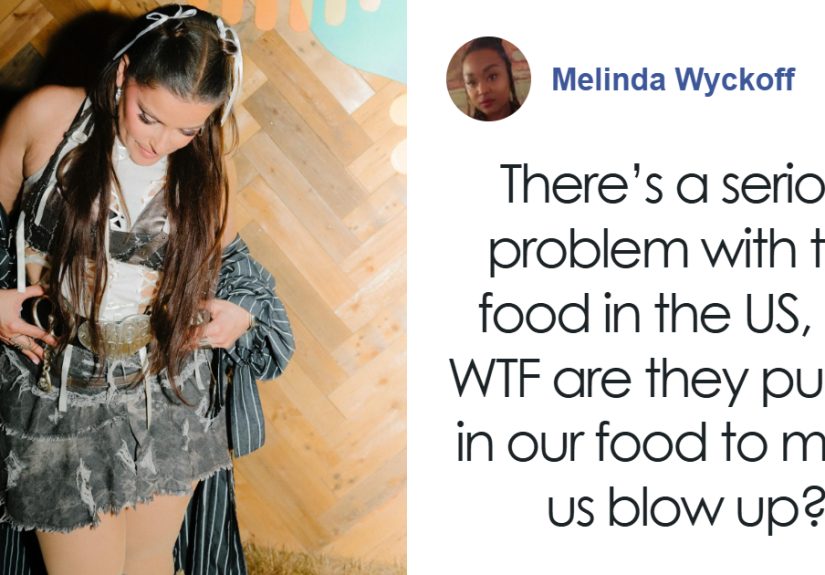
So when Nelly Furtado stepped onstage during her comeback-era festival run in a bold, leg-baring lookthink cutouts, a miniskirt,
and “I’m here to sing, not to apologize”the headlines basically wrote themselves.[1]
Here’s the part worth reading past the clicky adjectives: Furtado’s recent onstage fashion moments weren’t only about looking “racy.”
They were a public, playful extension of something she’s been saying out loudespecially since her “body neutral” message in early 2025:
you can exist in your body without turning it into a before-and-after project.[2]
Add in a new album, a renewed creative spark, and a fanbase that spans Millennials and</em Gen Z, and you’ve got a bigger story than
“top and skirt.”
Why This Stage Look Made Headlines (And Why That’s Not Actually the Point)
The look that fueled the chattera distressed denim moment with a miniskirt silhouettelanded during a period when Furtado was popping up
at major festival stages and leaning into nostalgic references with modern styling.[1] On paper, it’s just a concert outfit.
In practice, it became a conversation starter because it collided with a weird cultural habit: treating women’s bodies like public property,
especially once they’re past the age when Hollywood expects them to quietly fade into “tasteful.”
Furtado didn’t show up to play that game. She showed up to performhits, newer tracks, and the kind of easy authority you only get
after living through multiple musical eras and still having something to say. The outfit did what great stagewear does: it amplified the
energy in the room. The restthink hot takes and unsolicited “wellness” opinionswas background noise.
The Comeback Era: New Music, Festival Stages, and a Reminder That Her Catalog Never Left
Furtado’s comeback didn’t happen in a single announcement. It built like a chorus: collaborations, renewed visibility, and then the big
headlineher seventh studio album, 7, released September 20, 2024.[5] The project arrived with the kind of genre-hopping confidence
that made her a staple in the first place, including singles like “Corazón” and “Love Bites.”[5]
Part of what made the moment feel so loud is that her older songs never stopped circulating. Between remixes, TikTok rediscoveries, and
nostalgia cycles that move faster than a coffee order, her voice and hooks stayed in rotation. In interviews around 7, she spoke about
feeling re-energized by remix culture and the way a new generation was dancing to tracks that first hit decades earlier.[7]
What 7 signaled
- Creative freedom: more of a “collection of portals” vibe than a tightly boxed-in pop era.[7]
- Collaboration as fuel: working across scenesdance, pop, and global influenceswithout needing to “pick a lane.”[5]
- Adult perspective: still fun, still sharp, but with stronger boundaries and less interest in pleasing everyone.[8]
Onstage Fashion as a Language: Denim, Nostalgia, and the “Whoa, Nelly!” Wink
A lot of modern pop performance is visual storytelling. And for artists with long careers, styling can function like a highlight reel
a quick nod to where you’ve been, plus a hint of where you’re headed. Furtado’s festival looks have leaned into that idea, including
nostalgic cues that reference her early era (yes, even down to cheeky “Whoa, Nelly!” callbacks).[1]
That matters because nostalgia can be a trap if it turns you into a museum exhibit. The smarter moveFurtado’s moveis using it as texture.
A miniskirt and a cutout top aren’t a demand to be judged; they’re stage tools. They help your silhouette read from 200 feet away. They catch
the light. They match the beat. They tell the crowd: we’re not here for subtle.
“Body Neutral” Isn’t a TrendIt’s a Boundary
In January 2025, Furtado posted makeup-free bikini photos and framed the year as “body neutral,” emphasizing self-love and rejecting the
pressure to treat your body as a constant renovation project.[2] That phrasebody neutralityhits differently than body positivity.
It’s not “love every inch every day.” It’s “you don’t have to love or hate your body; you can just live in it.”[12]
In other words: you’re allowed to have a body and also have a personality. Radical, apparently.
How body neutrality shows up in real life
- You wear the outfit because you like it, not because it “flatters” you according to a stranger’s math.
- You stop auditioning for approval in photosyours or anyone else’s.
- You let performance be performance, not a referendum on your waistline.
The Double Standard: Aging in Pop vs. Aging in Public
Pop culture has a long history of rewarding women for staying frozen in timeand punishing them the second they look like they have,
you know, lived. Furtado’s current era highlights that double standard because she’s doing something normal (performing music)
while being treated like she’s doing something controversial (existing in a body that changes over time).
She’s addressed this pressure directly, including how earlier in her career, images were altered in ways that didn’t even reflect
her real featureslike changing skin tone and reshaping her body.[4] That’s not just a sad behind-the-scenes detail. It’s a clue.
When your public image has been edited without your consent, “body neutrality” becomes more than a captionit becomes reclaiming reality.
When the Internet Gets Loud: Body-Shaming, Clapbacks, and Fashion as a Mic Drop
During her 2025 performances, Furtado faced online body commentarybecause the internet has never met a boundary it didn’t want to cross.
She responded in a way that was both direct and clever: using fashion itself as a message during a major Pride performance, flipping the
gaze back on the people doing the judging.[3]
It’s an approach that works because it doesn’t beg for permission. It doesn’t explain itself into exhaustion. It simply says:
I’m here. I’m performing. And you don’t get to make my body the storyline.
A quick reality check on “racy” headlines
“Racy” is often code for “a woman didn’t dress for the male gaze in the way the headline writer expected.” In a concert setting,
a daring top and miniskirt are more accurately described as stagewearengineered for movement, visibility, and confidence.
The point is the performance.
Style Notes You Can Steal (Without Turning It Into a Body Project)
Let’s treat fashion like the fun thing it’s supposed to be. If you loved Furtado’s bold onstage vibe, here are a few takeaways that
have nothing to do with “fixing” your body and everything to do with styling choices:
1) Build contrast
A short skirt + a structured layer (like a coat or oversized shirt) creates balance and looks intentional. It’s also practical when
you’re moving between backstage, stage lights, and whatever weather festival life invents.
2) Use one “loud” piece
A statement belt, a bold boot, a shiny chokerone item that reads from far away. The trick is choosing a single focal point so the look
feels styled, not chaotic.[1]
3) Let nostalgia be a detail, not a costume
A throwback reference works best when it’s a winkan accessory, a silhouette, a playful callbacknot a full reenactment. That’s how you
avoid looking like you’re doing an impression of your own past.
What’s Next for Nelly Furtado?
After a run of high-profile appearances and renewed momentum, Furtado announced in late 2025 that she would step away from live performances
for the foreseeable future, while still staying connected to songwriting and creative work.[9] In other words: the stage may quiet down,
but the artistry doesn’t stop.
That context also reframes the “racy top and miniskirt” headlines. If this period becomes a bookmark in her live-performance timeline,
it’s not a footnote about hemlinesit’s a snapshot of an artist using fashion, voice, and confidence to define her own narrative on her own terms.
Final Take: The Real Flex Is the Freedom
The most interesting thing about Nelly Furtado’s onstage looks isn’t that they’re bold. It’s that they’re uncomplicated. No apology tour.
No “I’m brave for wearing this.” Just a performer doing her job, having fun with style, and refusing to let the world reduce her to a body
in a comment section.
And if that makes headlines? Fine. She’ll still hit the note.
Experiences: What This Moment Feels Like in Real Life
A headline can flatten a moment into a costume change, but the experience of itwatching an artist own a stage while the crowd loses its mind
is more layered than “racy” versus “not racy.” Ask anyone who’s been to a festival set where the performer has actual history behind the hits:
the vibe isn’t just nostalgia; it’s relief. Relief that the music still works. Relief that the voice still carries. Relief that the night is about
sound and community, not perfection.
For a longtime fan, the experience can feel like bumping into a version of yourself you forgot you liked. You might remember “I’m Like a Bird”
playing in a childhood bedroom, or “Promiscuous” blasting at a house party, and then suddenly it’s right there in front of youlive, loud, and
somehow current again. When the artist steps out in a bold outfit, it doesn’t read as “Look at my body.” It reads as “Look at my energy.”
Confidence is contagious that way. You see someone refuse to shrink, and it reminds you that you don’t have to shrink either.
For people who’ve wrestled with body imageespecially in public-facing jobsthe “body neutral” message can land like a permission slip.
Not a demand to love your reflection every day, but permission to stop negotiating with it. You can go to the event, wear what you want, take the
photo, and keep living. Watching a celebrity say, essentially, “I’m not doing the ‘new year, new me’ body overhaul,” can be oddly grounding.
It shifts the goal from being admired to being present.
There’s also the “group chat effect,” where a moment becomes a shared language. Someone sends a clip: the beat drops, the crowd screams,
and the outfit pops under the lights. But the comments aren’t just “She looks amazing.” They’re “I love how free she looks.” “She seems happy.”
“I needed this today.” That’s the hidden part of these viral fashion moments: people use them to talk about their own lives without having to
confess directly. “If she can show up like that, maybe I can stop being so hard on myself.” It’s not about copying a miniskirt; it’s about copying
the ease.
Even for someone who doesn’t care about celebrity style, the experience can be simple: it’s fun when a performer commits. Pop is theater.
Costumes are part of the show. When the look is bold, the staging feels bigger, the dancing looks sharper, and the whole set gains momentum.
The best performances don’t ask the crowd to judgethey invite the crowd to join. And if a loud outfit helps make that invitation feel
fearless, it’s doing its job.
Sources Consulted (No Links)
- Page Six (NY Post) u2014 coverage of 2025 festival outfit details and styling notes.
- People u2014 January 2025 body-neutral post and makeup-free bikini photos.
- People u2014 Manchester Pride outfit as a message against body-shaming (August 2025).
- People u2014 discussion of early-2000s photo retouching and body-image pressure.
- Rolling Stone u2014 announcement of album 7 and single u201cCorazu00f3nu201d (July 2024).
- Rolling Stone u2014 release coverage of u201cLove Bitesu201d (May 2024).
- GRAMMY.com u2014 interview on remix culture, ADHD, and inspiration behind 7 (July 2024).
- NPR (Weekend Edition Saturday transcript) u2014 interview about the album 7 (September 2024).
- Entertainment Weekly u2014 stepping away from live performances for the foreseeable future (October 2025).
- Billboard u2014 additional reporting on stepping away from live performances (October 2025).
- Ticketmaster u2014 example setlist snapshot from a 2024 U.S. date listing key songs performed.
- Glamour u2014 explainer framing body neutrality and why it resonates (January 2025).
- Vulture u2014 career reflection interview tied to the 7 era (2024).