Table of Contents >> Show >> Hide
- Why Fall Pest Proofing Matters More Than Most Homeowners Think
- 1. Utility Line Entry Points Around Pipes, Cables, and Conduits
- 2. Gaps Under Exterior Doors, Garage Doors, and Thresholds
- 3. Damaged Window Screens, Window Trim, and Air Conditioner Gaps
- 4. Attic Vents, Crawl Space Vents, Roof Edges, and Chimney Openings
- 5. Foundation Cracks, Siding Gaps, and Fascia Board Openings
- The Real Secret: Sealing Works Best When You Remove What Pests Want
- A Simple Fall Pest-Proofing Checklist
- Final Thoughts
- Extra Experience and Real-World Lessons From Fall Pest-Proofing
Note: This article is based on real U.S. pest-prevention guidance and rewritten in an original, reader-friendly style for web publishing.
Every fall, your house becomes the hottest club in town. The weather cools down, food gets scarcer outside, and suddenly mice, stink bugs, spiders, ants, and other uninvited freeloaders are trying to slip indoors before winter settles in. The sneaky part is that most pests do not charge through the front door like they pay the mortgage. They slide through tiny cracks, utility gaps, damaged screens, and overlooked vents you barely notice until something skitters across the kitchen floor at 11:47 p.m.
If you want to stop fall pests for good, spraying around the baseboards is not the first move. The smarter strategy is exclusion: finding how pests get in and physically sealing those entry points. Think of it as changing the locks, not just complaining about the burglar. This is also why the best pest-control plans focus on sealing holes, fixing leaks, improving weather stripping, and reducing the damp, cluttered conditions pests love.
Below are five hidden spots fall pests enter your home, why those areas are so attractive, and exactly how to seal them the right way. By the time you are done, your home will be far less welcoming to mice, stink bugs, roaches, spiders, and every six-legged or four-legged tenant trying to move in rent-free.
Why Fall Pest Proofing Matters More Than Most Homeowners Think
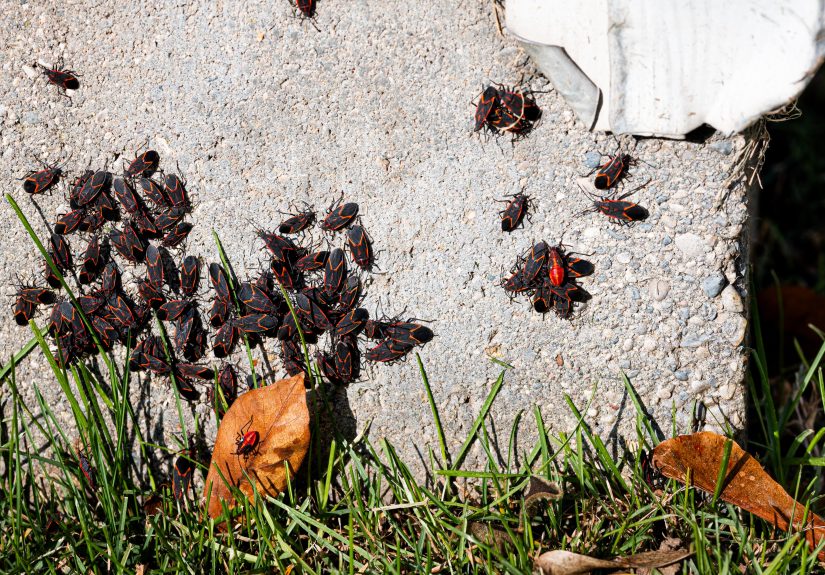
Fall is prime time for pest invasions because many species are looking for warmth, shelter, and stable indoor conditions. Rodents start scouting protected spaces. Stink bugs and similar “accidental invaders” look for overwintering sites in wall voids and attics. Ants, cockroaches, and spiders follow moisture, crumbs, and hidden access points. Once they are inside, they are not always easy to evict. That is why sealing entry points before temperatures really drop is one of the most effective long-term home pest prevention strategies.
And here is the annoying little plot twist: a gap does not need to be dramatic to be a problem. Tiny openings around doors, foundations, utility lines, and vents can be enough. In other words, pests do not need a grand entrance. They are perfectly happy with the architectural equivalent of a paper cut.
1. Utility Line Entry Points Around Pipes, Cables, and Conduits
Why this spot is a pest favorite
Take a walk around the outside of your house and look where cable lines, plumbing pipes, AC lines, and electrical conduits enter the wall. These areas are classic pest highways. Contractors often leave small gaps around penetrations, and over time those openings can widen as materials expand, contract, crack, or pull away. To a mouse, that gap is a welcome mat. To roaches, ants, and spiders, it is a side door with no security camera.
These openings are especially risky because they often connect directly to wall voids, basements, crawl spaces, utility rooms, or kitchens. In other words, pests are not just getting inside your exterior wall. They are getting a shortcut to the good stuff.
How to seal it for good
Start by inspecting all utility penetrations from both the outside and inside of the home. Small gaps can often be sealed with a high-quality silicone or silicone-latex caulk. For larger openings, do not rely on soft foam alone. Rodents can chew through weak sealants and dried foam. Use durable materials such as metal mesh, hardware cloth, cement patch, metal flashing, or a combination of steel wool and sealant where appropriate.
The goal is to match the repair to the size and location of the gap. If the hole surrounds a pipe, cut the patching material neatly so it fits tight around the penetration. If the opening is messy or irregular, reinforce the gap first with rodent-resistant material, then finish with exterior-grade sealant. It should look less like “I panicked at the hardware store” and more like a deliberate repair.
Best practice: Pay extra attention to areas behind outdoor hose bibs, gas meters, AC refrigerant lines, cable boxes, and the back side of laundry rooms, kitchens, and bathrooms. These are common entry points because utilities tend to meet moisture, warmth, and hidden wall access all in one place.
2. Gaps Under Exterior Doors, Garage Doors, and Thresholds
Why this spot is more dangerous than it looks
Most people look for cracks in walls but ignore the obvious slice of daylight under a door. That is a mistake. Exterior doors, side doors, sliding doors, and garage doors are some of the easiest places for pests to sneak in. Even a narrow gap under a threshold can let in insects, spiders, and mice. Garage doors are especially notorious because weather seals wear out, concrete settles, and side gaps form over time.
The garage is also often a “buffer zone” full of pet food, cardboard boxes, seed, trash bins, and holiday clutter. Translation: even if pests enter through the garage first, they have everything they need to stay motivated.
How to seal it for good
Check every exterior door from the inside during daylight. If you can see light under or around the door, pests can probably get in there too. Install or replace door sweeps so they make solid contact with the threshold. Repair worn thresholds. Replace old weather stripping around the sides and top of the frame. For garage doors, inspect the bottom rubber seal, side seals, and corners, then replace anything cracked, flattened, or missing.
Do not forget the door leading from the garage into the house. That door should seal tightly too. It is the pest version of a connecting flight, and you do not want them making the transfer.
Best practice: Test doors during a windy day or with a flashlight at night. Small leaks are easier to detect when air or light is moving through them. A tight door seal improves both pest control and energy efficiency, so this repair pays off twice.
3. Damaged Window Screens, Window Trim, and Air Conditioner Gaps
Why pests love windows more than you do
Windows are loaded with vulnerabilities: torn screens, cracked caulk, loose trim, warped frames, and little side gaps around older window units. That makes them prime targets for fall invaders such as stink bugs, boxelder bugs, cluster flies, and spiders. Once these pests get around the frame, they often tuck themselves into wall voids, attics, and spaces behind trim, then reappear later when indoor heating wakes them up. Surprise: your house is now a bug timeshare.
Window-mounted air conditioners can be even worse. Side panels often leave small gaps, and the unit itself creates a neat, protected route into the home if the installation is sloppy or aging.
How to seal it for good
Inspect all window screens and replace any with tears, loose edges, or bent frames. Recaulk window trim where old sealant has cracked, shrunk, or separated. Add or replace weather stripping where needed. Around window AC units, seal the side gaps carefully and check the perimeter inside and out. Remove units seasonally if possible, or at minimum make sure the installation is snug and protected from pest intrusion.
Also inspect attic windows, basement windows, and rarely opened side windows. The windows you ignore are often the windows pests appreciate most.
Best practice: Look for bug streaks, dead insects on sills, and dust trails around trim. These can signal repeated insect traffic and tell you where to focus your sealing work first.
4. Attic Vents, Crawl Space Vents, Roof Edges, and Chimney Openings
Why the upper and lower edges of the house matter
Many homeowners think pests enter only at ground level. Not even close. Rooflines, soffits, attic vents, crawl space vents, and chimney openings are major access points for insects and rodents. These spots are protected, elevated, and often out of sight, which is exactly why they get ignored. Stink bugs and lady beetles commonly gather near upper exterior walls and rooflines before slipping inside. Rodents may use overhanging branches, wires, fences, or rough siding to reach higher openings.
Crawl spaces are just as vulnerable in the opposite direction. Vents, torn screens, and loose access panels can invite mice, rats, spiders, and moisture-loving insects. Once pests establish themselves in these areas, they can move into insulation, duct runs, and wall cavities.
How to seal it for good
Inspect all vents and cover them with appropriately fitted, durable screens or hardware cloth where recommended. Repair or replace damaged vent covers. Install a chimney cap if you do not have one. Check roof edges, fascia boards, and soffits for rotted wood, gaps, or separations that create hidden entry points. Trim tree branches and shrubs so they are not acting like little green ladders to your attic.
One caution: dryer vents need special attention. They can be an entry point, but they also need to vent hot, lint-filled air safely. Use a proper vent cover or manufacturer-appropriate guard and keep it clean so lint buildup does not create a fire hazard or reduce dryer performance.
Best practice: If you are not comfortable working on ladders or roofs, this is a smart area to outsource. Pest proofing is great. Pest proofing from the emergency room is less ideal.
5. Foundation Cracks, Siding Gaps, and Fascia Board Openings
Why the “small crack” is rarely just a small crack
Foundation cracks, siding gaps, missing mortar, and separations around fascia boards may look cosmetic at first, but they can function like pest welcome mats. Ground-level insects use them to move inside near baseboards, kitchens, utility rooms, and basements. Rodents may exploit larger cracks or gnaw weak areas wider. Stink bugs and overwintering insects also use siding and fascia gaps to disappear into wall voids where they stay hidden until you least want company.
These openings often become worse when combined with moisture problems. Damp wood, failing caulk, and crumbling mortar are easier for pests to exploit. If your home has mulch piled too high against siding, vegetation pressing against the structure, or poor drainage near the foundation, you are basically helping the enemy with logistics.
How to seal it for good
Walk the perimeter of your house slowly and inspect the full transition where the foundation meets siding, trim, and exterior fixtures. Seal small cracks with appropriate masonry or exterior caulk. Repair damaged mortar. Replace rotted trim or fascia instead of trying to caulk your way out of structural decay. Keep mulch, firewood, dense shrubs, and leaf litter away from the immediate perimeter so pests are not given cover right next to your walls.
If you see repeated moisture near the foundation, fix the drainage issue too. Redirect downspouts, clean gutters, and correct grading so water moves away from the house. A sealed crack is good. A sealed crack that stays dry is even better.
Best practice: Check the home after the first big fall rain. Water stains, damp spots, or swelling materials often reveal vulnerable areas you missed in dry weather.
The Real Secret: Sealing Works Best When You Remove What Pests Want
Even a well-sealed house can still attract pests if it offers food, water, and shelter. That is why the smartest fall pest control plan combines exclusion with basic housekeeping and moisture control. Fix plumbing leaks. Keep basements, crawl spaces, and utility areas dry. Store pantry goods and pet food in sealed containers. Reduce cardboard clutter. Vacuum crumbs instead of donating them to the local ant community.
This is especially important for cockroaches, ants, and rodents. If pests do manage to get in, you do not want them finding a cozy setup with snack access, water, and a maze of cluttered hiding places. Make your house harder to enter and less rewarding to stay in. That is the sweet spot.
A Simple Fall Pest-Proofing Checklist
- Seal gaps around pipes, wires, and utility conduits.
- Replace worn door sweeps, thresholds, and weather stripping.
- Repair torn screens and recaulk around windows and trim.
- Screen vents, inspect roof edges, and cap the chimney.
- Patch foundation cracks and repair damaged siding or fascia.
- Fix leaks and reduce moisture in basements, crawl spaces, and bathrooms.
- Store food securely and reduce clutter, especially cardboard.
- Trim shrubs and branches back from the house.
Final Thoughts
If you are wondering how to keep fall pests out of your house, the answer is not glamorous, but it is effective: inspect, seal, repair, and dry things out. The five hidden spots above are where many infestations begin, long before you ever see a mouse dropping or a stink bug on the curtains. When you close those access points and remove the moisture and clutter pests love, you stop treating symptoms and start solving the real problem.
In other words, do not wait until your home sounds like a tiny haunted house in the walls. Seal the gaps now, and let the pests spend fall looking for another address.
Extra Experience and Real-World Lessons From Fall Pest-Proofing
One of the most common homeowner mistakes is assuming the pest problem starts where the pest was spotted. See a mouse in the kitchen, and suddenly all attention goes to the kitchen. Notice stink bugs near the living room window, and now that window becomes public enemy number one. But in real homes, the first place you see a pest is often not where it first entered. A mouse might come in through a utility gap behind the water heater, travel along wall voids, and only show up near the pantry days later. Stink bugs may gather in the attic or upper wall cavities before drifting into a sunny bedroom window weeks later. That is why a whole-house inspection matters more than an emotional reaction with a shoe.
Another lesson homeowners learn fast is that seasonal timing matters. Sealing during late fall is good. Sealing before the weather really turns is better. Once pests are already inside wall voids, attics, or crawl spaces, sealing the outside may stop new arrivals but still leave you with existing guests. That is not a reason to skip the work. It just means exclusion sometimes needs to be paired with trapping, monitoring, or cleanup to fully solve the issue. In many cases, the “we still saw one after sealing” moment does not mean the plan failed. It means the plan is working, but a few stragglers were already inside.
Homeowners also tend to underestimate how much wear and tear changes pest pressure from year to year. A house that had no obvious problem last fall may suddenly have one now because the garage sweep cracked, the caulk around a pipe dried out, or a storm loosened a vent cover. Pest proofing is not usually a one-time forever project. It is closer to routine home maintenance, like cleaning gutters or checking smoke alarms. The good news is that once you know where to look, inspections get much faster.
There is also a practical side to choosing materials. Cheap fixes tend to become repeat fixes. A bargain tube of caulk slapped onto a dirty, damp crack may fail quickly. Weak foam stuffed into a rodent-prone opening may become a chew toy. A torn screen left “good enough for now” can become the busiest entrance in the house. Better materials and careful installation save time because they reduce how often you need to revisit the same issue. It is not about perfection. It is about making repairs durable enough that pests stop seeing your home as the easy option.
And then there is moisture, the silent accomplice. Plenty of people do a solid job sealing gaps but ignore the leaky hose bib, damp crawl space, or condensation near utility lines. That is like locking the front door and leaving a pizza on the porch. Water keeps many pests interested even when entry points are limited. Dry spaces are less attractive, easier to inspect, and less likely to suffer the kinds of material damage that open new gaps later on.
Finally, a little consistency beats one heroic weekend. You do not have to turn your house into a military bunker by sunset. Start with the highest-risk areas: utility penetrations, exterior doors, windows, vents, and foundation gaps. Fix what you can, make a short list for the rest, and revisit the home after rain, wind, or the first cold snap. That simple habit catches a surprising number of vulnerabilities. Over time, the result is a house that feels tighter, cleaner, and quieter, with fewer creepy surprise guests trying to spend sweater season in your walls.