Table of Contents >> Show >> Hide
- Quick preview: the 5 trends
- 1) Beneficial Electrification: Heat Pumps, Induction, and EV-Ready Garages
- 2) The Kitchen Gets a Backstage Area: Pantries, Prep Kitchens, and Built-In Stations
- 3) Spa Meets Safety: Water-Smart, Age-Ready Bathrooms
- 4) The Great Unplugging: Analog Rooms and Intentional Living Zones
- 5) Outdoor Rooms + Resilience Upgrades: All-Season Living (With a Backup Plan)
- How to Choose the Right 2026 Renovation Trend for Your Home
- Real-World Renovation Experiences in 2026 (The Part Nobody Puts on Pinterest)
- Conclusion
If 2025 was the year everyone realized their home office chair was quietly plotting against their spine, 2026 is the year we renovate like we mean it.
Not just prettier backsplash energy (though, yes, we’ll still argue about grout color). This year’s home renovation trends for 2026 are
about future-proofing: lower bills, fewer headaches, more comfort, and spaces that actually match how people live now.
[1][4]
Below are the five 2026 remodeling trends that keep popping up across U.S. research reports, builder insights, and design coverageplus
what they look like in real homes (not just in staged listings where nobody owns a toaster).
[2][5]
Quick preview: the 5 trends
- Beneficial electrification (heat pumps, induction, EV-ready garages)
- Kitchens with “backstage” storage (pantries, prep zones, built-in stations)
- Bathrooms that are spa-like and age-ready (water-saving + universal design)
- Intentional living spaces (analog rooms, cozy zones, less screen domination)
- Outdoor rooms + resilience upgrades (all-season patios, backup power)
1) Beneficial Electrification: Heat Pumps, Induction, and EV-Ready Garages
Why it’s everywhere in 2026
Homeowners are still moving forward with renovation plans in big numbersone recent national survey found more than 9 in 10 homeowners
intend to proceed in 2026, and many are keeping or expanding their scope. That confidence is showing up in practical upgrades that reduce energy waste
and keep homes comfortable year-round. [1]
The headline move is electrification: switching key systems from fossil fuel to electricity, especially when the electric option is
more efficient. Think heat pumps (heating + cooling), heat pump water heaters, induction cooktops,
and Level 2 EV chargerseven for households that don’t own an EV yet (“EV-curious” is real). [5][6][15]
What this looks like in real homes
-
Heat pumps replacing old HVAC: Modern heat pumps can heat and cool efficiently, and “cold-climate” models are designed to perform
in very low temperatures. [7] -
Heat pump water heaters (HPWHs): Besides efficiency, some models can cool and dehumidify the space they’re in
(hello, happier basements and laundry rooms). [8] -
EV-ready garages: A dedicated circuit and a charger install are becoming as normal as a garage door openerespecially as people plan
for their “next car” instead of just their “current car.” [5][15] -
Panel and wiring upgrades: Not glamorous, but it’s the kind of behind-the-scenes work that makes everything else possible without
tripping breakers every time someone makes toast.
How to renovate smarter (and avoid chaos)
Electrification works best as a system, not a random shopping spree. Start with the boring-but-brilliant steps:
air sealing, insulation, and a home energy assessment. Then size equipment correctly (oversizing is how you buy expensive discomfort).
[15]
Also: incentives and tax credits have been a moving target. Recent guidance and reporting note credits like the
$2,000 annual limit for certain heat pumps and heat pump water heaters (claimed via federal tax forms), but timelines and eligibility
can change quicklyso confirm what’s current before you make purchases. [14][15]
2) The Kitchen Gets a Backstage Area: Pantries, Prep Kitchens, and Built-In Stations
Why 2026 kitchens are obsessed with storage
Kitchens aren’t just where dinner happens anymorethey’re where homework happens, where coffee becomes a personality, and where someone always ends up
standing during parties no matter how many seats you own. So homeowners are renovating for function first.
In one large 2026 kitchen trends survey, 76% of renovating homeowners added specialty built-in features, with a heavy
focus on storage. [3]
The biggest kitchen renovation ideas you’ll see in 2026
-
Pantry power: Pantry cabinets (reported at 47%) and walk-in pantries (16%) show up everywherebecause
“a place for everything” is oddly calming when life is not. [3] -
Prep kitchens / butler’s pantries: Even if you don’t build a full second kitchen, the idea is “hide the mess, keep the vibe.”
Around 7% included a butler’s pantry or prep kitchen, often to keep clutter out of sight. [3] -
Beverage stations: Coffee bars, hydration drawers, undercounter fridgesbecause walking to the main fridge every time is apparently
2024 behavior. [3] -
Smarter cabinetry: Specialty inserts like pull-out waste/recycling, tray dividers, spice storage, and corner solutions turn dead
space into useful space. [3]
Design example: the “clean counter” kitchen
A common 2026 layout move is to keep the main kitchen visually calmthen tuck the real-life stuff (appliances, mail pile, snacks, recycling) into
a pantry wall, an appliance garage, or a nearby prep nook. The result is a kitchen that feels bigger, works harder, and looks less like it’s being
held hostage by a blender. [4]
3) Spa Meets Safety: Water-Smart, Age-Ready Bathrooms
The shift: “luxury” now includes not falling
In 2026, the hottest bathroom trend is a two-for-one: wellness and accessibility. People want spa vibes, but they also
want bathrooms that work for kids, guests, and aging parentsplus their future selves.
One design trends roundup notes that many homeowners address special needs during bathroom remodels, often adding features like
curbless showers and grab bars. [4]
Industry guidance echoes the same “build it once, enjoy it longer” mindset: common aging-in-place upgrades include grab bars, curbless showers,
wider doorways, and comfort-height toilets. [10]
What you’ll see in 2026 bathroom remodels
- Curbless showers with linear drains: cleaner lines, easier access, and less trip risk. [10]
- Grab bars that don’t look like a hospital: integrated into towel bars, shelves, or matched hardware finishes.
-
WaterSense fixtures: A bathroom remodel using WaterSense-labeled fixtures can save
nearly 10,000 gallons of water per year (plus energy and money). [9] - Better ventilation + humidity control: comfort isn’t just about tile; it’s about air quality and mold prevention.
Pro tip: design for “visit-ability”
Even if nobody in your household needs accessibility features today, designing for easy movement (good lighting, fewer thresholds, smart storage at
reachable heights) is one of those upgrades that feels invisibleuntil you host a guest with a knee injury, wrangle a toddler, or try to carry laundry
while half-asleep. Then it feels like genius. [10]
4) The Great Unplugging: Analog Rooms and Intentional Living Zones
Yes, your home can be smartand still have places that aren’t
A fun twist in 2026 design coverage: while smart home tech keeps growing, there’s a counter-trend toward spaces that are intentionally low-tech.
“Analog rooms” are showing up as screen-free zones built for reading, board games, record players, journalingbasically anything that
doesn’t require a password reset. [11]
And it’s not just about going off-grid for an hour. It’s about designing rooms for how people actually want to feel at home:
calmer, more connected, and less like they’re living inside a notification. [13]
What this looks like (without turning your house into a museum)
-
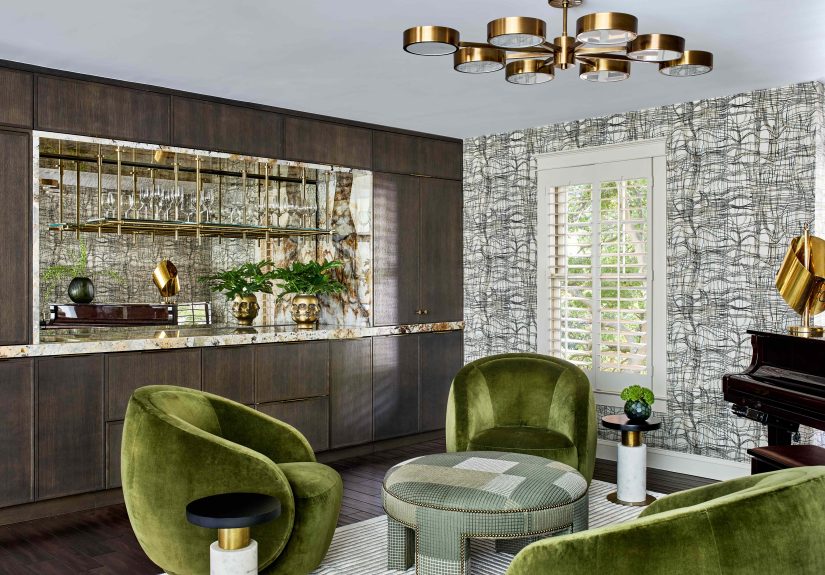
Reading nooks and conversation clusters: living rooms are getting micro-zonesplaces to talk, play, read, or even host a casual game
night. [12] -
A “drop zone” that actually works: built-ins near the entry for shoes, bags, keys, and mailso clutter doesn’t migrate to the kitchen
island like it pays rent. -
Warm minimalism: minimalism, but friendlierwarm neutrals, natural materials, organic shapes, layered textures, and a few meaningful
items instead of empty “showroom calm.” [16] -
Designing for real life (not just guests): more homeowners are prioritizing spaces that feel good on a random Tuesday afternoon, not
just during holidays. [13]
How to add an analog zone without a full remodel
Start small: put a charging drawer (or basket) near the entry, add better lighting, and make one corner irresistible for a non-screen habitbooks,
puzzles, a guitar stand, a record shelf. The goal isn’t “no tech ever.” It’s “tech lives somewhere else for a minute.” [11]
5) Outdoor Rooms + Resilience Upgrades: All-Season Living (With a Backup Plan)
Outdoor living is no longer “extra”
In 2026, patios and porches are being designed like real rooms: comfortable seating, durable performance fabrics, solid tables, and layouts that blur
the line between indoors and out. [17]
Design trend reporting also highlights “garden rooms” and wellness-minded outdoor zonesthink a lounge area, a dining area, a fire pit corner, maybe a
quiet spot tucked into greenery. It’s zoning… but make it relaxing. [4]
What’s new in 2026 outdoor renovations
- Year-round patios: heaters, fans, shade systems, and lighting that make the space usable beyond perfect-weather weekends.
- Outdoor kitchens (right-sized): not everyone needs a pizza oven empiresometimes a prep counter and a good grill is the sweet spot.
- Pet-friendly upgrades: outdoor spaces are increasingly designed with pets in mind (because they live here too). [18]
- Materials that age well: natural textures, warm tones, and finishes that look better with time instead of screaming “maintenance.” [16]
Resilience is moving from “prepper” to “practical”
More homeowners are adding backup powernot because they want to cosplay as an off-grid homesteader, but because losing power is expensive and
disruptive. Portable solar generators and power stations have expanded in range and capability, and major product testing outlets now treat them as
mainstream backup options. [19]
On the bigger end, whole-home battery systems and smart panels are getting more capable: one hands-on review highlighted smart-panel setups that can
back up many home circuits and provide detailed energy management. [20]
How to Choose the Right 2026 Renovation Trend for Your Home
The best renovations don’t start with “What’s trending?” They start with “What problem am I solving?” Here’s a simple way to prioritize:
Step 1: Fix the house “envelope” first
Air sealing, insulation, and better windows/doors help every other upgrade work betterespecially electrification. It’s not the sexy part of
remodeling, but it’s the part that makes the sexy part cheaper to run.
Step 2: Upgrade systems when they’re near end-of-life
If your HVAC or water heater is limping along, that’s your moment to consider a heat pump or HPWH and potentially stack rebates or credits (if
available where you live). [8][14]
Step 3: Renovate for how you live, not how listings are staged
A “perfect” white sofa is only perfect if nobody sits on it. Consider the 2026 shift toward personalized, intentional spaces: reading nooks,
hobby corners, or an analog zone that supports your actual habits. [13]
Step 4: Make one trend your anchor and let the rest support it
Example: If you’re doing a kitchen renovation, use the “backstage storage” trend to keep counters clear and daily life smoother.
If you’re electrifying, support it with envelope improvements and (if needed) a panel upgrade.
Real-World Renovation Experiences in 2026 (The Part Nobody Puts on Pinterest)
Renovating in 2026 has a distinct vibe: it’s equal parts thrilling, exhausting, and oddly educational. You start out thinking you’re choosing between
“white oak” and “walnut,” and three weeks later you’re debating duct layouts and learning what a load calculation is. (Congratulations. You are now the
kind of person who says, “We should probably check the panel capacity,” at parties.)
One common experience homeowners report is decision fatigue. Trends like prep kitchens, beverage stations, warm minimalism, and outdoor
rooms sound straightforwarduntil you’re choosing where the trash pull-out goes, what kind of hinge hardware you want, and whether your “cozy patio”
needs a ceiling fan, a heater, or both. The best defense is a tight plan: decide what matters most (function, durability, maintenance, comfort), then
let those priorities filter every micro-choice. If a feature doesn’t support your top priorities, it’s probably an expensive distraction wearing a
cute outfit.
Another very real experience: the renovation timeline rarely behaves. Appliance lead times can shift, specialty materials can arrive in
batches, and contractors may schedule inspections around municipal calendars. That’s why 2026’s “backstage kitchen” trend is secretly genius: if you
can create a temporary coffee station or a mini-prep zone during construction, your day-to-day life stays functional even when your main kitchen is a
dust museum. Similarly, if you’re doing electrification upgrades, it’s smart to stage work so you’re not without heat, hot water, and a working stove
all at the same time. Suffering builds character, surebut it also builds resentment.
Homeowners also discover that the most satisfying upgrades aren’t always the flashiest. A well-placed pantry cabinet can feel more life-changing than
a designer pendant light. A curbless shower and better lighting can make a bathroom feel instantly calmer and safer. And once you’ve lived through one
power outage with a decent backup plan, resilience stops sounding dramatic and starts sounding like common sense.
The funny part is that these “practical” choices often make the home feel more luxurious, toobecause luxury is comfort that doesn’t require extra work.
Finally, there’s the emotional experience: the moment you finish and realize your home feels more like yours. That’s the undercurrent behind
2026 trends like analog rooms, warm minimalism, and “year of the introvert” design thinkingspaces that support your real routines, whether that’s
morning coffee in a quiet nook, a clutter-free kitchen that stays calm on busy days, or a patio that feels like an actual room.
The best renovation outcome isn’t “perfect.” It’s easy: easier to live, easier to maintain, easier to breathe.
Conclusion
The biggest renovation trends of 2026 aren’t about copying a lookthey’re about building a home that works harder for you. Expect to see more
electrification upgrades, more kitchens designed for storage and real workflows, more
bathrooms that balance spa comfort with accessibility, more intentional living zones (including analog rooms), and
more outdoor rooms paired with practical resilience.
Pick one trend as your “anchor,” then renovate around your real life. Your future self will thank youprobably while enjoying a quieter house, a
calmer kitchen, and a bathroom that doesn’t try to end your day with a slippery floor.