Table of Contents >> Show >> Hide
- Why One-Panel Comics Are So Addictive
- The Classic Ingredients Of A Funny One-Panel Comic
- 50 Silly One-Panel Comic Ideas Readers Instantly Understand
- Why Silly Situations Work So Well In One Panel
- The Secret Skill Behind “Simple” Comics
- What Makes A One-Panel Comic Shareable Online?
- Popular Themes In Funny One-Panel Comics
- How Readers Experience A Great One-Panel Cartoon
- Why One-Panel Comics Still Feel Fresh
- Experience: What Reading 50 One-Panel Comics Teaches You About Humor
- Conclusion
Some jokes need a whole sitcom season. Others need one tiny square, one confused raccoon, one dramatic office printer, and one caption that hits like a rubber chicken launched from a cannon. That is the magic of one-panel comics: they walk into your brain, rearrange the furniture, leave a banana peel by the door, and somehow make the room feel brighter.
One-panel comics are the espresso shots of visual humor. They are compact, fast, and surprisingly powerful. With just one image and a few wordsor sometimes no words at allthey can turn everyday life into a tiny theater of absurdity. A dog can become a therapist. A toaster can have workplace anxiety. A dinosaur can be deeply concerned about email etiquette. The format is simple, but the comedy can be wildly clever.
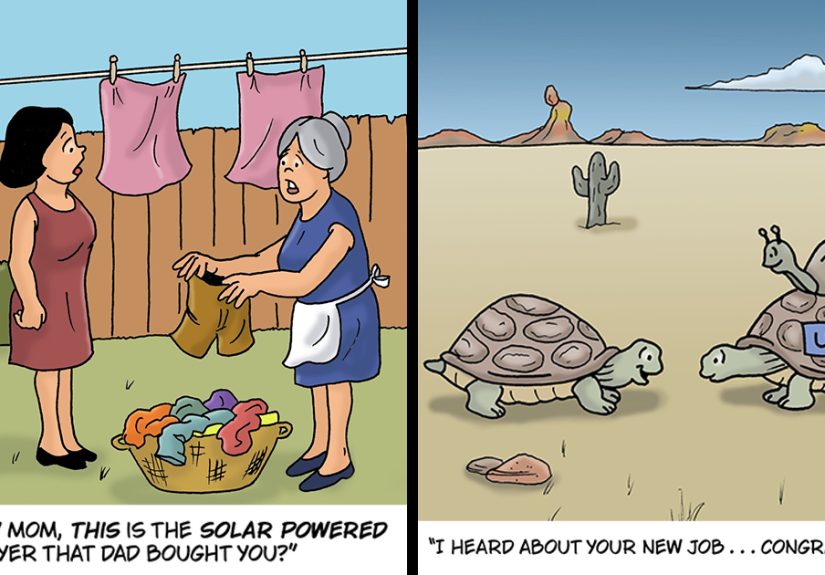
The title “50 One-Panel Comics Filled With Humor And Silly Situations” captures exactly why readers love this style: the joy is immediate. There is no complicated plot to follow, no cliffhanger to remember, and no five-volume backstory explaining why the duck is wearing a necktie. The reader lands in the scene, spots the odd detail, reads the caption, andboomthe joke arrives.
Why One-Panel Comics Are So Addictive
The best one-panel comics feel like tiny puzzles. At first glance, you see the setting: a kitchen, a courtroom, a forest, a classroom, a doctor’s office, or a spaceship that clearly failed its annual inspection. Then your eyes catch the strange part. Why is the fish giving a motivational speech? Why is the cactus in couples counseling? Why does the moon look embarrassed?
That small moment of discovery is the engine of the joke. Unlike multi-panel comic strips, one-panel cartoons do not build humor step by step. They drop readers directly into the punchline zone. Everything has to work at once: the drawing, the characters’ expressions, the props, the body language, the setting, and the caption. When the timing is right, the whole thing clicks instantly.
This is why single-panel cartoons have stayed popular in magazines, newspapers, books, calendars, greeting cards, and online galleries. They fit into busy lives. You can enjoy one during a coffee break, while waiting in line, or while pretending to read an important email. They are short enough for modern attention spans but smart enough to reward a second look.
The Classic Ingredients Of A Funny One-Panel Comic
1. A Normal Setting With One Ridiculous Twist
Many hilarious one-panel comics begin with a familiar scene. A couple is sitting at dinner. A manager is interviewing a job applicant. A kid is standing in front of a teacher. Then the cartoonist adds one impossible detail: the applicant is a raccoon, the teacher is a volcano, or the dinner guest is a robot who brought its charger instead of flowers.
The contrast between ordinary and absurd makes the joke easy to understand. Readers do not need instructions. They recognize the situation and immediately notice what has gone hilariously wrong.
2. A Caption That Arrives Like A Tiny Plot Twist
A great caption does not simply explain the drawing. It flips it. The image may show a sheep in a business meeting, but the caption reveals that the sheep is not nervous about public speakingit is worried about being described as “a team player.” That sudden shift creates surprise, and surprise is one of comedy’s favorite snacks.
3. Expressions That Do Half The Work
In one-panel comics, a raised eyebrow can be funnier than a paragraph. A blank stare, a tiny frown, a guilty smile, or a look of total panic can tell readers exactly how ridiculous the scene is. The best cartoonists know how to make a character look deeply offended by a sandwich or emotionally betrayed by a stapler.
4. Silly Logic Treated Seriously
One-panel humor often works because the characters behave as if the absurd situation is completely normal. A cow attending a parent-teacher conference is funny. A cow attending a parent-teacher conference and calmly asking whether her calf is “applying himself in hay sciences” is even funnier. The more seriously the characters take the nonsense, the better the joke lands.
50 Silly One-Panel Comic Ideas Readers Instantly Understand
Because this topic is all about humor and silly situations, here are 50 original, safe-for-web examples of the kinds of scenarios that make one-panel comics so enjoyable. These are not copied captions or existing cartoons; they are fresh examples of the comic logic that powers the format.
- A penguin in a beach chair complaining that the vacation brochure “oversold the warmth.”
- A dog at a laptop telling a cat, “I am not chasing my dreams. I am chasing the cursor.”
- A cactus in a support group saying it has trouble letting people get close.
- A ghost standing in front of a mirror and asking, “Do I look transparent in this?”
- A robot at a coffee shop ordering “one espresso and a software update.”
- A dinosaur in a museum gift shop realizing it has become merchandise.
- A fish giving a TED Talk titled “Life Outside The Bowl: A Theoretical Approach.”
- A banana wearing a helmet before entering a smoothie bar.
- A snowman in a sauna holding a towel and looking deeply betrayed.
- A turtle at airport security being asked to remove its “carry-on home.”
- A cloud at a doctor’s office saying, “I’ve been feeling a little scattered.”
- A vampire trying to join a garlic bread fan club for “personal growth.”
- A toaster at a therapist’s office admitting it feels burned out.
- A squirrel presenting a business plan called “Acorns: The Future Of Finance.”
- A mermaid trying to return shoes because “the online photo was misleading.”
- A dragon apologizing to a birthday party after “overcommitting to the candles.”
- A moon looking annoyed because everyone keeps blaming it for weird behavior.
- A pirate at an eye doctor saying, “I’d like a second opinion on the patch.”
- A sandwich in a courtroom accused of being too cheesy.
- A chair at a gym saying it is tired of supporting everyone else’s goals.
- A spider launching a web design company and taking the name too literally.
- A knight asking a dragon whether they can “circle back after lunch.”
- A scarecrow receiving an award for outstanding performance in his field.
- A pair of socks in counseling after one keeps disappearing emotionally and physically.
- A microwave telling leftovers, “Your time starts now.”
- A cactus and a balloon on a first date with visible tension.
- A raccoon wearing glasses and calling itself a “nighttime sanitation consultant.”
- A calendar refusing to discuss Mondays without legal representation.
- A shark at a dentist saying it only needs “a quick 300-tooth checkup.”
- A loaf of bread at a job interview saying it works well under pressure.
- A frog in a choir explaining it is only there for the ribbit section.
- A bear in pajamas reading a bedtime story to a terrified tent.
- A pencil telling a pen, “At least I can admit my mistakes.”
- A mountain looking down at hikers and muttering, “Here come the overachievers.”
- A refrigerator complaining that everyone opens up to it but never listens.
- A cow in a yoga class struggling with downward dog on principle.
- A pirate ship using GPS while the captain sadly folds the treasure map.
- A pumpkin at a spa asking for a facial that is “less seasonal.”
- A mailbox telling a package, “You are not emotionally available enough to fit.”
- A bee at a spelling contest requesting clarification.
- A lamp on stage saying it always wanted to be in the spotlight.
- A snail at a marathon registration desk asking about the 10-year plan.
- A bird refusing to tweet because it is trying to reduce screen time.
- A fork and spoon arguing while the spork looks exhausted.
- A whale at a music audition saying it specializes in deep notes.
- A mushroom refusing to leave a party because everyone says it is a fungi.
- A calendar page hiding from January because it heard people make resolutions.
- A traffic cone giving safety advice while sitting in the middle of chaos.
- A cookie telling a glass of milk, “I need space before I crumble.”
- A houseplant dramatically announcing it has been watered and will now survive another week.
Why Silly Situations Work So Well In One Panel
Silly situations are not just random weirdness. The funniest ones usually follow a hidden structure. They take something realwork stress, social awkwardness, technology trouble, family habits, school pressure, pet behavior, or household choresand translate it into a visual joke. That is why a toaster feeling burned out works. The phrase is familiar, the object fits the metaphor, and the cartoon gives the idea a face.
Animals are especially useful in one-panel comics because they come with built-in expectations. Dogs are loyal, cats are dramatic, owls are wise, squirrels are chaotic, and raccoons look like they already know your Wi-Fi password. When a cartoon gives an animal a human problem, the joke becomes instantly accessible.
Objects can be just as funny. A chair, a lamp, a mailbox, a refrigerator, or a calendar can become a character when the cartoon gives it a complaint. The silliness comes from treating everyday things as if they have schedules, opinions, insecurities, and group chats.
The Secret Skill Behind “Simple” Comics
One-panel comics may look simple, but good ones are carefully engineered. The artist has to decide what readers need to see first, where the eyes should travel next, and how the caption should complete the joke. Too much detail can slow the punchline. Too little detail can make the joke confusing. The sweet spot is clarity with personality.
This is why strong one-panel comics often use clean staging. The setting is recognizable. The characters are placed where readers can understand their relationship. The funniest visual detail is easy to spot. The caption is short enough to read quickly but specific enough to create surprise.
Think of it like a tiny stage play. The cartoonist is the writer, director, actor, set designer, and timing coach. The entire performance happens in one frozen moment. If the scene is too busy, the joke gets lost. If the caption explains too much, the joke feels flat. If the drawing and words work together, the reader gets that satisfying click that turns confusion into laughter.
What Makes A One-Panel Comic Shareable Online?
Modern readers love comics that can be understood quickly. A strong one-panel cartoon is easy to share because it does not require context. Someone can send it to a friend with a message like, “This is literally you,” and the friend understands immediately. That kind of instant recognition is internet gold.
Shareable one-panel comics usually have one or more of these qualities: a relatable situation, a surprising twist, a clean visual setup, a short caption, and a joke that works even on a small screen. The best ones also invite readers to tag someone. A comic about a tired houseplant? Perfect for the friend who owns twelve plants and speaks to each one like a tiny leafy roommate.
Relatability matters, but absurdity makes the joke memorable. A comic about office stress is familiar. A comic about a stapler demanding better working conditions is familiar and weird. That is the combination readers remember.
Popular Themes In Funny One-Panel Comics
Workplace Absurdity
Office humor is a gold mine because workplaces already contain strange rituals. Meetings about meetings, motivational posters, performance reviews, mysterious printer errors, and group emails with twelve unnecessary replies all feel cartoon-ready. Add a bear in a tie or a skeleton waiting for approval, and the comedy practically files its own paperwork.
Animals Acting Like People
Animal comics work because they let cartoonists exaggerate human behavior without directly pointing at anyone. A cat ignoring feedback is funny because it is both a cat joke and a people joke. A dog running a loyalty seminar is cute, silly, and strangely believable.
Technology Trouble
Phones, computers, apps, smart appliances, and online habits provide endless material. A robot needing emotional support from a printer is not so far from real life when your laptop freezes five minutes before a deadline. Technology cartoons are funny because they turn modern frustration into something harmless and laughable.
Food With Feelings
Food characters are perfect for silly one-panel humor. A nervous egg, a dramatic cookie, a confident sandwich, or a suspicious avocado can create instant comedy. Food jokes also tend to be friendly and accessible, which makes them useful for family-friendly humor pages.
Fantasy In Everyday Places
Dragons in coffee shops, ghosts in customer service lines, aliens at parent-teacher conferences, and wizards struggling with passwords all combine imagination with normal life. The joke works because the fantasy character faces a boring modern problem. Even a wizard, apparently, cannot escape password requirements.
How Readers Experience A Great One-Panel Cartoon
The best one-panel comics usually create a three-step reaction. First, the reader recognizes the setting. Second, the reader notices the odd detail. Third, the caption redefines the whole scene. That rhythm is fast, but it is powerful.
For example, imagine a comic showing a snail at a gym. The visual is already funny because a snail at a gym feels absurd. But the caption might reveal that the snail is asking about “express results.” Suddenly, the joke becomes sharper because the character’s nature clashes with the desire for speed. That is classic one-panel logic: put two ideas together that should not fit, then let them politely argue in front of the reader.
Readers enjoy this format because it lets them participate. They are not just receiving a joke; they are solving it. A comic that makes readers feel clever for “getting it” often stays with them longer than a joke that explains itself too loudly.
Why One-Panel Comics Still Feel Fresh
Even though one-panel cartoons have a long history, the format continues to feel modern. In fact, it may be more suited to today’s reading habits than ever. People scroll quickly. They want humor that fits between tasks. A single-panel comic can deliver a complete laugh in seconds.
At the same time, one-panel comics are not limited to quick laughs. They can be thoughtful, satirical, poetic, strange, or quietly emotional. A cartoon can make fun of human behavior while still being gentle. It can point out absurdity without becoming mean. That balance is one reason the format continues to attract both casual readers and serious cartoon fans.
There is also something refreshing about the handmade quality of cartoons. In a digital world filled with polished images and endless content, a simple drawing with a clever idea can feel personal. It reminds readers that humor often begins with observation: a weird thought, a funny phrase, a tiny frustration, or the sudden realization that a houseplant might be judging your lifestyle.
Experience: What Reading 50 One-Panel Comics Teaches You About Humor
Spending time with a collection like “50 One-Panel Comics Filled With Humor And Silly Situations” is a surprisingly good way to understand how comedy works. After a few cartoons, you start noticing patterns. The funniest panels are rarely random. They are built on timing, contrast, and recognition. The cartoonist takes something you already understand and then nudges it into delightful nonsense.
One experience many readers share is the “wait for it” laugh. You glance at the drawing, read the caption, and nothing happens for half a second. Then the meaning lands. That delayed laugh can be even more satisfying than an instant chuckle because it feels like unlocking a tiny door in your brain. Behind the door is a raccoon wearing a name badge, obviously.
Another enjoyable part of reading many one-panel comics in a row is discovering your own humor preferences. Some readers love puns. Others prefer surreal jokes, awkward social situations, animal humor, or clever visual twists. A collection of 50 panels usually offers a little buffet of comedy styles. You may skip one joke and laugh embarrassingly hard at the next. That variety is part of the fun.
One-panel comics also train you to notice the funny side of ordinary life. After reading enough of them, the real world starts looking slightly cartoonish. The office printer becomes a stubborn beast. The family dog looks like it is hiding a legal strategy. A lonely sock on the floor feels like the beginning of a domestic mystery. The comics do not change reality; they change the angle from which you view it.
There is also comfort in their silliness. Not every joke needs to be deep. Sometimes the best laugh comes from a carrot trying to look brave in a soup pot or a ghost complaining about being ignored in group photos. Silly humor gives the mind a quick vacation. It says, “For the next ten seconds, nothing has to be serious. Please enjoy this penguin with a clipboard.”
For writers, artists, and content creators, one-panel comics offer a useful lesson in economy. A strong joke does not need extra furniture. Every word and visual detail should earn its place. If the comic is about a nervous toaster, the background does not need seventeen unrelated objects. The reader needs the toaster, the situation, the expression, and the punchline. That simplicity is difficult, but when it works, it feels effortless.
For readers, the biggest takeaway is joy. One-panel comics are tiny reminders that humor can hide anywhere: in a grocery aisle, a waiting room, a classroom, a kitchen, a pet’s expression, or the way a coffee mug seems personally disappointed in you. A collection of 50 silly comics is not just a list of jokes. It is an invitation to see the world as a little stranger, softer, and funnier than it looked five minutes ago.
Conclusion
“50 One-Panel Comics Filled With Humor And Silly Situations” celebrates a comic format that proves small spaces can hold big laughs. With one image, a sharp caption, and a wonderfully ridiculous idea, single-panel cartoons can turn ordinary moments into unforgettable jokes. Whether the humor comes from animals acting like coworkers, food having feelings, technology causing chaos, or fantasy creatures dealing with everyday problems, the appeal is timeless.
The beauty of one-panel comics is their speed and simplicity. They do not ask readers to study a complicated storyline. They simply open a tiny window into a silly universe and let the joke do its work. In a busy world, that kind of quick, clever, good-natured humor is more valuable than ever.
Note: This article is written as original, web-ready content inspired by the broader tradition of single-panel cartoon humor, magazine cartoons, newspaper panels, and modern webcomics.