Table of Contents >> Show >> Hide
- Quick Comparison: The Shortlist at a Glance
- How to Choose the Best Kitchen Countertop Material
- 1) Quartz (Engineered Stone): The Low-Maintenance MVP
- 2) Granite: The Classic Natural Stone Workhorse
- 3) Porcelain / Sintered Stone: The Modern “Do-It-All” Slab
- 4) Marble: The Beautiful Diva (Worth It If You Know the Rules)
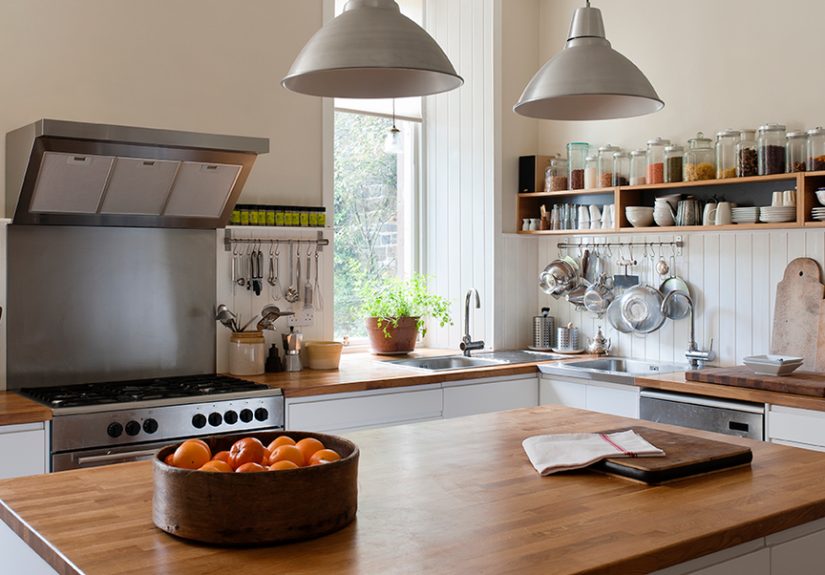
- 5) Butcher Block: Warm, Repairable, and Secretly Practical
- 6) Laminate: The Budget Hero That’s Way Better Than You Remember
- Pro Tips: Make Any Countertop Look More Expensive (Without Paying for a Unicorn Slab)
- Conclusion: Pick a Countertop You’ll Actually Love Living With
Picking a kitchen countertop is a little like picking a dog: you want something cute, loyal, and unlikely to ruin your life when you turn your back for 12 seconds.
The “best” countertop material depends on how you actually liveare you a careful “wipe-the-spill-immediately” person, or are you more of a “we’ll deal with that red wine tomorrow” philosopher?
Below are six of the best countertop materials for kitchens in the U.S. right nowchosen for real-world performance, looks, and value. You’ll get the honest pros, the sneaky cons,
and the “who should buy this” breakdown, with costs and care tips woven in. No fluff. No fear-mongering. Just countertop truth (with a side of humor).
Quick Comparison: The Shortlist at a Glance
| Material | Best For | Maintenance | Heat | Stains | Budget |
|---|---|---|---|---|---|
| Quartz (Engineered Stone) | Busy households, low-fuss style | Easy | Good (not extreme) | Excellent | $$–$$$ |
| Granite (Natural Stone) | Classic durability, natural uniqueness | Medium | Excellent | Good (with sealing) | $$–$$$$ |
| Porcelain / Sintered Stone | Modern look, heat + UV resistance | Easy | Excellent | Excellent | $$$–$$$$ |
| Marble (Natural Stone) | Luxury vibes, bakers, “patina people” | High | Good | Fair (etching risk) | $$$–$$$$ |
| Butcher Block (Wood) | Warm, cozy kitchens; DIY-friendly repairs | Medium–High | Fair | Fair (needs oiling) | $–$$$ |
| Laminate | Budget remodels, rentals, fast refresh | Easy | Fair | Good | $ |
How to Choose the Best Kitchen Countertop Material
Before we get into the six winners, take 60 seconds to answer three questions. This is the part where you save future-you money (and possibly your sanity).
1) What’s your “kitchen personality”?
- High-heat cook: You move hot pans like a hibachi chef. Prioritize heat resistance (granite, porcelain/sintered stone).
- Messy-but-happy: Kids, pets, friends, and spills. Prioritize stain resistance and easy cleanup (quartz, porcelain).
- Design devotee: You want a kitchen that looks like it has an agent. Prioritize natural drama (marble, granite) or sleek slabs (porcelain).
- Budget strategist: You want maximum “wow” per dollar (laminate, butcher block, or mixing materials).
2) How much maintenance will you actually do?
Be honest. If “regular sealing” sounds like a hobby you’ll abandon after two weekends, lean toward non-porous materials like quartz or porcelain.
If you love the character of natural stone (and don’t mind a little patina), granite and marble can be worth it.
3) What’s the real budgetincluding installation?
The slab is only part of the story. Edges, sink cutouts, seam placement, removal of old counters, plumbing reconnection, and backsplash decisions all affect the total.
As a rough national benchmark, many countertop replacement projects land in the low-to-mid thousands, but the range is wide depending on material and layout.
1) Quartz (Engineered Stone): The Low-Maintenance MVP
Quartz countertops are the “clean car” of kitchen surfaces: they look good with minimal effort, and they don’t ask you to do weird rituals like sealing.
Quartz is made from natural quartz particles bound with resins and pigments, which is why it’s typically non-porous and very consistent in pattern and color.
Why quartz is one of the best countertop materials for kitchens
- Stain resistance: Great for coffee, olive oil, and “oops, the spaghetti sauce exploded.”
- Low maintenance: No sealing. Usually just mild soap and water.
- Style range: From clean solid colors to convincing marble-look veining (without the marble-level anxiety).
- Great day-to-day durability: Holds up well to typical kitchen abuse.
Watch-outs (because no countertop is perfect)
- Heat limits: Quartz can be damaged by extreme or prolonged heatuse trivets and hot pads.
- Direct sun caution: Some quartz can fade or discolor in intense UV exposure (more relevant for outdoor kitchens or very sunny window walls).
- Fabrication safety matters: Cutting engineered stone can create silica dust; reputable fabricators use proper dust control methods.
Typical cost (installed)
Quartz commonly falls in a mid-to-upper price tier. You’ll see a wide range depending on brand, thickness (2 cm vs. 3 cm), edge profiles, and how many seams your layout demands.
Best for
Busy kitchens, families, and anyone who wants a premium look with minimal upkeep. If you’re choosing one “safe bet” material, quartz earns the hype.
2) Granite: The Classic Natural Stone Workhorse
Granite has been a top kitchen countertop choice for a long timeand not just because it looks expensive. Each slab is naturally unique,
it’s typically very heat resistant, and it can last for decades with reasonable care.
Why granite still belongs on the “best countertops” list
- Heat resistance: Better than many engineered surfaces for hot cookware moments.
- One-of-a-kind looks: No two slabs are identical, which is either thrilling or terrifying depending on your personality.
- Strong resale appeal: Many buyers still see granite as a quality upgrade.
- Longevity: With care, granite can be a long-haul countertop.
The trade-offs
- Sealing: Many granite counters benefit from periodic sealing to help resist stains.
- Natural variation: What you see in the sample might not match your slab perfectlyview your actual slab when possible.
- Chipping risk: Like most stone, edges can chip if something heavy meets the corner at just the wrong angle.
Typical cost (installed)
Granite pricing ranges widely based on rarity, origin, thickness, and fabrication complexity. Some granites are surprisingly affordable; exotic slabs can climb fast.
Best for
People who cook a lot, want natural stone character, and don’t mind a little maintenance. If you love organic movement and hate the idea of a “printed” pattern, granite is your friend.
3) Porcelain / Sintered Stone: The Modern “Do-It-All” Slab
Porcelain countertops (and closely related sintered stone surfaces) are having a momentand for good reason. These surfaces are manufactured under extreme heat/pressure,
creating a dense, non-porous material that resists staining and handles heat like a champ. Many lines also perform well in UV light, making them popular for bright kitchens
and even outdoor applications.
Why designers and practical people both love it
- Heat resistance: Great for hot pans and baking-heavy kitchens (still a good habit to use trivets, but you have more breathing room).
- Stain resistance: Non-porous surfaces are generally easier to keep looking clean.
- UV stability: Helpful for sunny spaces where some materials can discolor over time.
- Big design payoff: Large-format slabs can create a seamless, high-end lookespecially for waterfall edges and slab backsplashes.
- Wide aesthetic range: Marble looks, concrete looks, dramatic patternswithout the same level of etching concerns as real marble.
What to know before you fall in love
- Edge chipping: Porcelain can chip on edges if impacted. Good fabrication and thoughtful edge details matter.
- Installer skill is crucial: These materials demand experienced fabricatorsespecially for cutouts and overhang support.
- Cost: Often priced in the premium range, especially for large slabs and complex installs.
Typical cost (installed)
Porcelain and sintered stone are frequently in the upper tiers due to material cost and fabrication demands. The look can be “luxury magazine,”
and the invoice can sometimes matchplan accordingly.
Best for
Homeowners who want a sleek, contemporary countertop material with strong heat and stain performanceespecially in bright, sun-filled kitchens.
If you love the marble look but hate marble maintenance, porcelain/sintered stone deserves a top spot on your sample list.
4) Marble: The Beautiful Diva (Worth It If You Know the Rules)
Marble is the countertop equivalent of wearing white shoes to a barbecue: bold, gorgeous, and definitely a choice.
It delivers unmatched eleganceespecially in classic stones like Carrara and Calacattabut it’s also softer and more reactive than many people expect.
Acidic foods and cleaners can etch the surface (think dull spots or rings), and the stone can stain if spills linger.
Why people still choose marble anyway
- Timeless luxury: Marble signals “high-end” in a way few materials can replicate.
- Natural depth and movement: The veining is real, not printed, and it shows.
- Cool surface: Bakers often love marble for pastry work because it stays relatively cool.
- Resale appeal (in the right market): Marble can be a value-add for buyers who crave that classic look.
Marble reality check
- Etching is normal: Lemon juice, vinegar, tomato saucethese can dull the finish. Sealing helps with staining, not etching.
- Scratches happen: Marble is softer than many stones, so it can show wear over time.
- Maintenance expectations: You’ll want gentle cleaners, quick wipe-ups, and a “patina is personality” mindset.
Typical cost (installed)
Marble pricing spans a wide range by stone type, thickness, and fabrication. Some marbles are accessible; premium slabs can be very expensive.
The bigger “cost,” though, is often the maintenance tolerance you need to stay happy with it.
Best for
Design-forward homeowners, serious bakers, and anyone who genuinely enjoys natural aging and character. If you want a countertop that stays pristine forever,
marble will eventually break your heart. If you want a countertop that tells a story, marble is poetry.
5) Butcher Block: Warm, Repairable, and Secretly Practical
Butcher block countertops bring instant warmth to a kitchen. They’re also one of the few countertop materials that you can sand and refinish when life happens
(and life will happenusually involving a knife, a pot, or a mysterious puddle).
Why butcher block deserves “best countertop” status
- Cozy factor: Wood makes a kitchen feel welcoming, not showroom-stiff.
- Repairable: Scratches and dents can often be sanded out and refinished.
- Flexible budgets: Depending on wood species and thickness, it can be relatively affordable compared with stone.
- Great for islands: Many homeowners use wood on an island and stone on perimeter counters for the best of both worlds.
The catch (wood has feelings)
- Water sensitivity: Standing water and neglected spills can cause stains, warping, or seam issues.
- Regular oiling: Food-safe mineral oil (or appropriate finishes) helps protect the surface and keep it looking rich.
- Heat and scorch marks: Hot pans can leave permanent souvenirsuse hot pads.
Typical cost (installed)
Butcher block can range from budget-friendly to premium depending on wood type (maple vs. walnut, for example), thickness, and whether it’s DIY-installed or professionally fabricated.
Best for
Kitchens that want warmth and character, homeowners who like natural materials, and people who prefer “fixable” over “fragile.”
If you’re willing to oil it and wipe it down like it’s a beloved cutting board (because it basically is), butcher block is a joy.
6) Laminate: The Budget Hero That’s Way Better Than You Remember
Modern laminate countertops are not the sad, peeling relics of decades past. Today’s laminates can mimic stone patterns surprisingly well,
install quickly, and cost a fraction of premium materialsmaking them one of the best countertop materials for kitchens where budget (or timeline) is tight.
Why laminate wins in real life
- Affordable: One of the lowest-cost ways to get a fresh, clean countertop surface.
- Easy to clean: Mild household cleaners usually do the trick.
- Design variety: Stone looks, concrete looks, solid colorslots of options without boutique pricing.
- Fast refresh: Great for rentals, starter homes, or “we need this done before guests arrive” remodel energy.
Where laminate falls short
- Heat vulnerability: Hot pans can scorch or warp laminatealways use hot pads.
- Seam sensitivity: Water can damage seams over time, especially around sinks if caulk and maintenance are ignored.
- Not as repairable: Once deeply damaged, it’s usually a replace-not-refinish situation.
Typical cost (installed)
Laminate is typically the most budget-friendly option on this list. Pricing depends on grade, edge details, and how complex your kitchen layout is.
The value is hard to beat when you want a big visual upgrade without a big financial commitment.
Best for
Budget remodels, rentals, and homeowners who want a clean, modern look at a practical price. If you treat it kindly (no hot pans, no soaking seams),
laminate can look great for years.
Pro Tips: Make Any Countertop Look More Expensive (Without Paying for a Unicorn Slab)
- Upgrade the edge profile: A simple eased edge is fine; a thicker or more detailed edge can elevate the look dramatically.
- Choose the right sink: Undermount sinks pair beautifully with stone and many premium surfaces; a crisp drop-in can still look great with laminate.
- Plan seam placement: Good fabricators hide seams strategically. Ask where seams will be before installation day.
- Mix materials: Stone on the perimeter + butcher block on the island is a classic, practical combo.
- Don’t forget the backsplash: A slab backsplash (especially with quartz or porcelain) can look high-end and simplify cleaning.
Conclusion: Pick a Countertop You’ll Actually Love Living With
The best kitchen countertop material isn’t the one that wins a popularity contestit’s the one that fits your cooking habits, cleaning tolerance, and design goals.
If you want the easiest day-to-day life, quartz and porcelain/sintered stone are hard to beat. If you love natural stone authenticity, granite delivers rugged beauty.
If you want pure luxury and don’t mind the rules, marble is stunning. If you want warmth and repairability, butcher block shines. And if you want a smart, stylish upgrade
on a budget, modern laminate deserves respect.
Real-Kitchen Experience: 7 Lessons That Save Money (and Regret)
After reading countless remodel recaps, installer advice columns, and homeowner “wish I knew this sooner” posts, a few patterns show up again and againno matter
what countertop material people choose. Consider this the part of the article where you skip a mild-to-moderate amount of frustration.
Lesson 1: A sample is not a slab. This matters most for natural stone like granite and marble, where movement, veining, and color can vary wildly.
If you can, view your actual slab before fabrication. It’s the difference between “I love my counters” and “Why does this look like a storm cloud had a meeting?”
With quartz, samples are more predictivebut lighting still changes everything. Bring the sample home. Look at it in morning light, nighttime light, and under the
world’s harshest judge: your under-cabinet LEDs.
Lesson 2: The sink area is countertop headquarters. Most countertop damage stories start near the sinkwater, harsh cleaners, wet dish racks, and
never-ending chaos. Laminate seams and butcher block need extra attention here. Use a good sink mat, wipe standing water, and keep caulk in good shape. For stone,
avoid leaving acidic cleaners or rusty cans sitting in a damp ring like they’re starting a new civilization.
Lesson 3: Heat habits decide whether quartz is a dream or a drama. Quartz is fantastic for stains and daily messes, but it isn’t built for
“hot pan roulette.” If you’re a frequent cook, place trivets where you naturally land hot cookwarenext to the stove, near the oven, and by the island.
People who love quartz long-term usually aren’t “more careful,” they’re simply “more set up.” A trivet within arm’s reach is a tiny lifestyle change with a huge payoff.
Lesson 4: Marble happiness requires a different definition of ‘perfect.’ If you want a countertop that looks exactly the same on day 900 as it did on day 1,
marble is not your soulmate. But if you love a soft patinagentle etching, slight wear, the feeling that the kitchen is lived-inmarble can be deeply satisfying.
Many marble regrets come from mismatched expectations, not “bad marble.” If you choose it, choose it with open eyes and coasters.
Lesson 5: Edges and overhangs matter more than Instagram admits. Waterfalls and dramatic overhangs look amazing, but physics is undefeated.
Porcelain/sintered stone can chip at edges if impacted; natural stone corners can chip too. Rounded or eased edges reduce that risk, especially in tight walkways
where hips, belt buckles, and rogue barstools live. If you have kids, pets, or high traffic, prioritize edges that survive reality, not just photo shoots.
Lesson 6: “Low maintenance” still means “some maintenance.” Quartz and porcelain are easier, not invincible. Use gentle cleaners, wipe spills, and don’t
treat the countertop like a cutting board. Granite and marble benefit from sealing, but sealing isn’t a magic shieldit’s a helpful layer. Butcher block needs
oiling or a finish plan. The good news: the right maintenance for your material is usually simple once it becomes routine.
Lesson 7: The best countertop is the one that matches your lifetoday and five years from now. If you plan to sell soon, a broadly appealing surface like
quartz or granite can be a smart move. If you’re staying long-term, prioritize what makes you happy every day. A kitchen is not a museum. It’s where cereal happens,
homework happens, holidays happen, and occasionally a pot boils over like it’s auditioning for a soap opera. Pick a surface that supports your actual lifeand you’ll
love your kitchen more than any trend report could ever promise.