Table of Contents >> Show >> Hide
- Why French Drains Matter for Lawn Health
- 1. Installing the Drain Without Enough Slope
- 2. Using the Wrong Pipeor No Perforated Pipe at All
- 3. Skipping Drainage Fabric or Using the Wrong Fabric
- 4. Choosing the Wrong Gravel or Too Little Gravel
- 5. Sending Water to the Wrong Discharge Point
- 6. Connecting Downspouts Directly Into the French Drain
- 7. Ignoring Soil, Roots, Utilities, and Maintenance
- How to Tell If Your French Drain Is Damaging Your Lawn
- Smart French Drain Planning Checklist
- Real-World Experience: What Homeowners Often Learn the Hard Way
- Conclusion
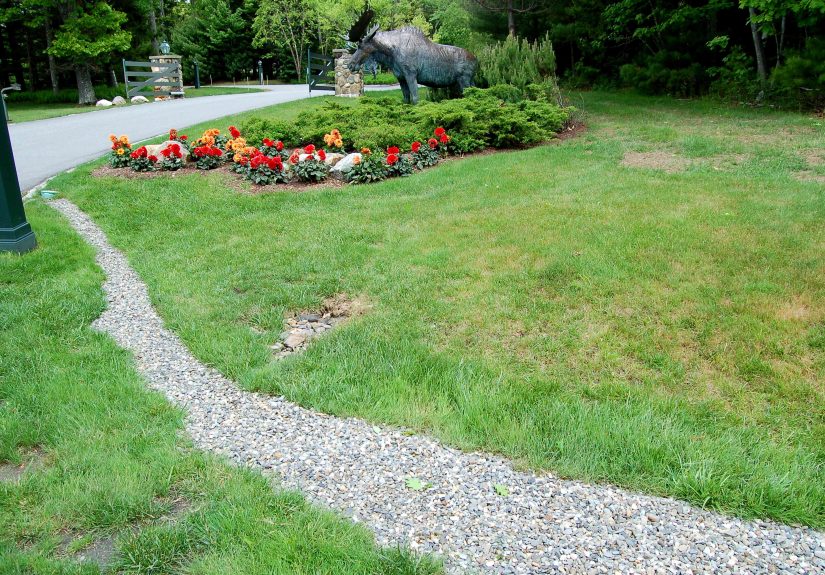
A French drain sounds fancy, doesn’t it? Like something a Parisian gardener would install while wearing linen and judging your mulch. In reality, it is one of the simplest and most useful yard drainage systems: a sloped trench, drainage fabric, gravel, and usually a perforated pipe that gives excess water a path to escape. When it is planned well, it can rescue a soggy lawn, protect landscaping, reduce erosion, and help move water away from foundations, patios, and walkways.
But when a French drain is installed badly, it can turn into an underground swamp burrito. Instead of saving your grass, it can trap water, clog with sediment, compact the soil, drown roots, invite mosquitoes, and make your yard look like it is auditioning for a wetlands documentary. The frustrating part is that many French drain mistakes are invisible at first. The trench is covered, the grass grows back, and everything looks respectableuntil the next heavy rain exposes the plot twist.
This guide breaks down the seven most common French drain mistakes that damage lawns, explains why they happen, and shows how to avoid them. Whether you are planning a DIY French drain installation or trying to figure out why your existing yard drainage system is failing, these tips will help you keep water moving where it belongs: away from your lawn’s root zone, not parked on top of it like an unwanted guest.
Why French Drains Matter for Lawn Health
Grass roots need oxygen as much as they need water. When soil stays saturated for too long, air pockets collapse, roots struggle, and turf begins to thin. You may notice yellowing grass, muddy patches, moss, algae, fungus, or puddles that linger long after the rain has stopped. A French drain can help by collecting surface water and groundwater, then directing it toward a safe outlet such as a swale, dry well, storm drain where permitted, rain garden, or drainage ditch.
The keyword here is safe. A French drain is not a magic disappearing trick. It does not destroy water; it relocates water. If the drain is poorly sloped, clogged, undersized, or aimed at the wrong place, your lawn may suffer more than before. Think of it like plumbing for your yard. If the pipe, pitch, filter, and outlet are wrong, the system cannot do its job.
1. Installing the Drain Without Enough Slope
The first major French drain mistake is building a trench that is too flat. Water moves because of gravity. If the pipe does not have a consistent downward grade, water can sit inside the pipe or gravel bed. That stagnant water eventually encourages sediment buildup, soggy soil, root stress, and surface pooling.
What Proper Slope Looks Like
For many residential French drain systems, a slope of about 1 percent is a practical target. That means the drain drops roughly 1 inch for every 10 feet of run. A 50-foot drain, for example, should drop about 5 inches from the high end to the discharge point. Some sites can function with slightly less, but a flat trench is asking for trouble. Water is lazy. It will not politely leave your lawn unless the route is easier than staying put.
How This Damages Your Lawn
When the drain lacks slope, water may remain trapped below the turf. The soil above can stay wet for days, especially in clay-heavy yards. Grass roots become shallow, weak, and disease-prone. You may mow one week and wonder why the mower leaves tracks deep enough to qualify as archaeology. That is a sign your drainage system is not moving water fast enough.
Before digging, mark the route with stakes and string. Measure the elevation change from start to finish. During installation, keep checking the trench depth, not just at the beginning and end but along the entire run. A French drain with one low belly in the middle can collect water like a bathtub.
2. Using the Wrong Pipeor No Perforated Pipe at All
Another lawn-damaging mistake is using solid pipe where perforated pipe is needed. A true French drain is designed to collect water from the surrounding soil. Perforations or slots in the pipe allow water to enter and be carried away. Solid pipe is useful for moving water from one point to another, such as carrying roof runoff from a downspout to a pop-up emitter, but it does not collect groundwater along the trench.
Perforated Pipe vs. Solid Pipe
Use perforated pipe in the water-collection zone of a French drain. Use solid pipe when you simply need to transport water without absorbing more along the route. Mixing these up can create two problems: water fails to enter the system where your lawn is soggy, or water leaks out where you do not want it.
Pipe strength also matters. Thin, cheap corrugated pipe may crush under compacted soil, vehicle traffic, or heavy landscaping features. Once the pipe collapses, water flow slows or stops. Your lawn does not care that the pipe was on sale. It only knows that its underground escape route now resembles a stepped-on drinking straw.
How to Avoid This Mistake
Choose pipe based on the load and location. A 4-inch perforated drain pipe is common for many residential lawn drainage projects, but larger or more rigid pipe may be needed for heavy runoff or high-traffic areas. Keep heavy vehicles, sheds, raised structures, and large decorative boulders away from the drain line unless the system has been designed to handle that load.
3. Skipping Drainage Fabric or Using the Wrong Fabric
French drain fabric is not decorative gift wrap for gravel. It is a filter. Its job is to separate soil from the clean stone around the pipe. Without it, fine sediment can wash into the gravel bed, fill the air spaces between stones, and eventually clog the pipe. Once that happens, the French drain becomes less of a drain and more of a buried mud sandwich.
Why Fabric Choice Matters
Not every fabric belongs in a French drain. Weed-control landscape fabric may block water or clog quickly with soil fines. A non-woven geotextile drainage fabric is often preferred because it allows water to pass while filtering out sediment. The goal is not to stop water; the goal is to stop dirt from riding along with it.
In clay soil, fabric is even more important. Clay particles are tiny and can migrate into the gravel. Over time, the drain loses the open void spaces that make it effective. That means water starts hanging around your lawn again, and your grass roots get stuck living in a soaked basement.
Correct Installation Tip
Line the trench with drainage fabric, add a layer of clean gravel, place the perforated pipe, cover it with more gravel, and wrap the fabric over the top before backfilling. This “burrito” method keeps soil out while allowing water in. Delicious? No. Effective? Very.
4. Choosing the Wrong Gravel or Too Little Gravel
Gravel is not just filler. It is part of the drainage engine. The spaces between stones allow water to move freely toward the pipe. When homeowners use the wrong aggregatesuch as stone with too many fines, compactable crushed material, or tiny pea gravelthe system can clog or drain slowly.
Good Drain Rock vs. Bad Fill
Clean, washed drainage stone is usually a better choice than dusty crushed gravel. The stone should create open space around the pipe. If the material packs tightly, water cannot move through it efficiently. Imagine trying to sip a milkshake through a straw full of sand. That is your French drain with poor aggregate.
Too little gravel causes the same problem. A pipe dropped into a trench and covered with a thin sprinkle of rock will not collect water well. The gravel bed should surround the pipe and create a wide drainage channel. In many lawn drainage projects, the trench is dug wide enough to hold the pipe plus several inches of stone around it. The more saturated the area, the more important that gravel envelope becomes.
How This Hurts the Lawn
When gravel is wrong or insufficient, water remains in the upper soil layer. Turf becomes spongy, roots stay shallow, and muddy areas expand. You may also see erosion where water looks for its own path across the surface. A properly built French drain gives water a controlled underground route; a poorly filled one lets water improvise, and water is a terrible landscape designer.
5. Sending Water to the Wrong Discharge Point
A French drain must end somewhere that can safely receive water. If the discharge point is poorly chosen, the drain may simply move the problem from one part of the lawn to another. Worse, it may push water toward a neighbor’s property, a sidewalk, a driveway, a foundation, or a low spot that already has drainage issues.
Common Bad Outlets
- Ending the pipe underground with no dry well or drainage area.
- Pointing the outlet toward another soggy section of lawn.
- Discharging too close to the home foundation.
- Sending runoff onto a neighbor’s yard.
- Connecting to a municipal storm drain without checking local rules.
The outlet is the part many DIY projects treat as an afterthought. That is like building a highway and forgetting the exit ramp. A drain that has nowhere to discharge can back up during heavy rain, leaving your lawn wet and your patience very, very dry.
Better Options
Depending on your property and local regulations, suitable discharge options may include a dry well, drainage ditch, swale, rain garden, pop-up emitter, or approved stormwater system. In some yards, a French drain may need to work together with grading, soil improvement, catch basins, or a separate solid-pipe downspout system.
Always consider where water goes after it leaves your property. Stormwater can carry sediment, fertilizer, lawn chemicals, and debris. A responsible drainage plan protects your lawn without creating a new problem downstream.
6. Connecting Downspouts Directly Into the French Drain
Roof runoff is powerful. During a heavy storm, downspouts can send a large volume of water into the ground very quickly. If that water is routed directly into a French drain designed to collect lawn groundwater, the system can become overwhelmed. The result is bubbling, backups, washouts, and a lawn that still looks like it lost a wrestling match with a rain cloud.
Why Downspouts Need Their Own Plan
Downspouts often work better when connected to solid pipe that carries roof water away from the house to a safe outlet. A French drain, by contrast, uses perforated pipe to collect water along its length. Combining the two systems without proper design can force roof water into the soil around the drain, making the lawn wetter instead of drier.
This does not mean downspout drainage and French drains can never be part of the same yard drainage plan. It means they need to be designed intentionally. Catch basins, solid pipe, separate routes, and adequate discharge capacity can keep roof water from hijacking the French drain.
Signs This Mistake Is Happening
Look for water surfacing above the drain during storms, soggy turf near downspout connections, soil erosion along the trench line, or drains that work during light rain but fail during heavy rain. Those clues suggest the system may be overloaded.
7. Ignoring Soil, Roots, Utilities, and Maintenance
The final French drain mistake is treating the project as a one-size-fits-all trench. Your yard has its own personality. Some lawns have heavy clay. Some have tree roots. Some have buried utility lines. Some have compacted soil from years of foot traffic, pets, or vehicles. A French drain must be designed around these conditions, not installed as if every property is a perfect diagram from a weekend-warrior handbook.
Clay Soil and Compaction
Clay soil drains slowly, so a French drain may need extra gravel, careful fabric selection, a better outlet, or a deeper design. Compacted soil can also prevent water from reaching the drain. Core aeration, grading corrections, and soil improvement may be needed along with drainage installation.
Tree Roots
Roots are drawn to moisture. If a drain runs near aggressive tree or shrub roots, those roots may eventually invade fabric, gravel, or pipe openings. Avoid routing French drains too close to large trees when possible. If the route must pass through root-heavy areas, use professional advice to protect both the drainage system and the tree.
Buried Utilities
Before any digging project, contact 811 or your local utility marking service. A French drain trench may look harmless, but hitting a gas, electric, water, irrigation, or communication line can be dangerous and expensive. The lawn can wait. Underground utilities are not in the mood for surprises.
Maintenance Matters
Even a well-built French drain needs occasional attention. Keep the outlet clear. Remove leaves, mulch, soil, and debris from discharge areas. Watch for sinking soil along the trench, recurring puddles, or water surfacing after storms. These symptoms may mean the pipe is clogged, crushed, undersized, or poorly sloped.
How to Tell If Your French Drain Is Damaging Your Lawn
A failing French drain does not always announce itself with dramatic flooding. Sometimes the clues are subtle. Your lawn may stay soft long after nearby areas dry. Grass may thin along the drain line. You may see moss, algae, fungus, or mosquito activity. Soil may sink over the trench if backfill settles. During storms, water may bubble up from the drain instead of disappearing into it.
Another warning sign is repeated repair in the same spot. If you keep adding topsoil, reseeding, or treating fungus but the wet area returns, the problem may be drainage rather than turf care. Grass seed cannot fix bad gravity. Fertilizer cannot unclog a pipe. A French drain that is not collecting and discharging water properly needs diagnosis, not another bag of lawn products.
Smart French Drain Planning Checklist
- Identify where water collects after rain and how long it stays.
- Check whether grading, gutters, downspouts, or compacted soil are contributing to the issue.
- Call 811 before digging.
- Plan a consistent slope from the wet area to a legal, safe discharge point.
- Use perforated pipe in collection zones and solid pipe for transport-only sections.
- Install clean drainage stone around the pipe.
- Wrap the gravel and pipe system with appropriate non-woven geotextile drainage fabric.
- Keep roof runoff from overwhelming the French drain.
- Protect the drain from crushing, root intrusion, and sediment buildup.
- Inspect the outlet after major storms.
Real-World Experience: What Homeowners Often Learn the Hard Way
One of the most common experiences with French drains is the “it worked for one season” problem. A homeowner installs a drain in spring, the yard looks better through summer, and then the next rainy season brings back the puddles. When the system is opened up, the cause is often sediment. The trench may have been filled with stone, but the fabric was missing, torn, or the wrong type. Soil slowly washed into the gravel, clogging the spaces where water was supposed to move. From above, the lawn looked fine. Underground, the drain was slowly turning into a compacted loaf of mud and regret.
Another familiar story involves poor discharge. A French drain is installed across the soggiest part of the lawn, but the outlet ends in a low corner of the yard. At first, the wet area improves. Then the low corner becomes a new swamp. The homeowner has not solved the drainage problem; they have simply relocated it, like moving dirty laundry from the floor to the closet before guests arrive. A successful French drain must send water somewhere that can handle it, not just somewhere out of sight.
Many DIY installers also underestimate roof runoff. A lawn drain may be designed for slow-moving groundwater, then suddenly several downspouts are connected to it. During a hard storm, the pipe receives more water than it can carry. Water backs up through the gravel, soil washes out, and the trench line becomes visible. The homeowner wonders why the grass above the drain looks worse than the rest of the yard. The reason is simple: the drain has become overloaded plumbing.
There is also the classic “flat trench” lesson. Digging a long, straight trench feels productive, but without careful grade checks, it may not slope consistently. A few inches of error can create a belly in the line where water sits. Over time, that standing water collects sediment and organic debris. If your French drain only works during light rain but fails during heavier storms, slope should be one of the first things you investigate.
Homeowners with clay soil often learn that drainage is a system, not a single trench. A French drain can help, but clay yards may also need surface grading, aeration, organic matter management, downspout extensions, and sometimes a rain garden or dry well. Installing a French drain in clay without thinking about water volume and discharge can create disappointment. The drain may collect water slowly, but if the surrounding soil stays compacted and the outlet is weak, the lawn still struggles.
Finally, experienced landscapers know that the best French drain is the one you can maintain. If the outlet is buried under mulch, hidden by shrubs, or pointed into a leaf-filled ditch, problems will sneak up. Make the discharge point visible enough to inspect. After heavy rain, walk the yard. Look for puddles, erosion, sinking soil, and soft spots. A five-minute inspection can prevent months of turf damage.
Conclusion
A French drain can be a lawn-saving hero, but only when it is designed and installed with care. The biggest mistakespoor slope, wrong pipe, missing fabric, bad gravel, weak discharge, overloaded downspout connections, and ignored site conditionscan turn a helpful drainage system into a lawn-damaging headache. The good news is that these mistakes are preventable. Plan the route, respect gravity, use the right materials, discharge water responsibly, and maintain the system after storms.
If your yard stays soggy, do not assume the grass is simply dramatic. Water is telling you something. Listen to where it pools, how it moves, and where it refuses to leave. A properly built French drain gives that water a better pathand gives your lawn a much better chance to grow thick, healthy, and proudly un-swampy.
Note: Drainage work can affect foundations, utilities, wells, neighboring properties, and local stormwater rules. Before digging, request utility marking and check local drainage requirements. For severe flooding, foundation seepage, or complex grading, consult a qualified drainage or landscape professional.