Table of Contents >> Show >> Hide
- Why More Homeowners Are Rethinking Grass
- Before You Rip Out the Grass, Know These Three Things
- 7 Groundcovers That Create a Lawn-Like Look
- How to Choose the Right Groundcover for Your Yard
- The Maintenance Reality Check
- Final Thoughts
- Experience and Practical Lessons From Real Lawn Replacements
- SEO Tags
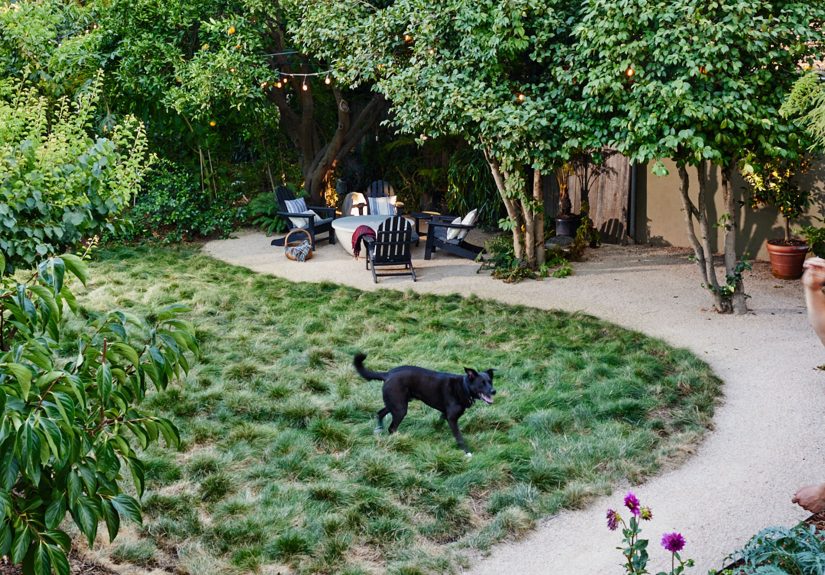
If your relationship with your lawn has turned into a weekly hostage situation involving a mower, a gas can, and a suspiciously aggressive weed population, it may be time for a better plan. A growing number of homeowners are swapping traditional turf for groundcovers that still deliver that soft, green, lawn-like lookbut with less mowing, less water, and a whole lot less grumbling on Saturday morning.
That does not mean every “lawn alternative” is a magical green carpet that thrives under soccer cleats, drought, shade, and total neglect. Some are built for sunny pathways. Some excel in dry shade. Some stay adorable only if you stop treating them like a suburban football field. The secret is not finding one perfect plant. It is choosing the right plant for the right job.
Below are seven standout groundcovers that can create the visual effect of a lawn without asking you to mow every weekend. Some are fragrant. Some are pollinator-friendly. Some are better in cool climates, while others shine where summer heat practically melts patio furniture. Together, they offer a smarter, more stylish route to a low-maintenance yard.
Why More Homeowners Are Rethinking Grass
Traditional turf can look beautiful, but beauty comes with chores. A conventional lawn often demands regular mowing, edging, watering, fertilizing, and weed control. By contrast, many groundcover-based alternatives need far less trimming once established, and several can thrive with less irrigation than standard turf. That makes them appealing not only for people who want to save time, but also for homeowners building more water-wise and climate-friendly landscapes.
Still, the phrase no-mow can be a little sneaky. In garden language, it usually means “far less mowing” rather than “absolutely zero effort forever.” Some lawn substitutes never need cutting. Others may benefit from a yearly trim, a spring cleanup, or occasional edging to keep them from wandering where they were not invited. Think of them as lower-maintenance roommates, not silent monks.
Before You Rip Out the Grass, Know These Three Things
1. Foot traffic matters more than people think
The biggest mistake in lawn replacement is choosing a delicate groundcover for an area that gets real traffic. If kids, dogs, or adults are crossing the same stretch all day, you need a plant that can tolerate steppingor you need stepping stones, gravel paths, or a mixed design. Many groundcovers look lush but resent being stomped. Beautifully.
2. Sun and moisture decide everything
A plant that thrives in dry, blazing sun may sulk in damp shade, and a cool-loving mossy carpet may faint dramatically in a hot southern summer. Match the groundcover to your site’s light, soil, and moisture patterns first. The prettiest catalog photo in the world cannot win an argument with bad drainage.
3. Site prep is not optional
If you install new groundcovers right on top of a weedy, compacted lawn and hope for the best, the weeds will thank you for the opportunity. Removing old turf, reworking soil where needed, and adjusting irrigation for wider plant spacing all help the new planting establish faster and stay cleaner over time.
7 Groundcovers That Create a Lawn-Like Look
1. Creeping Thyme
If a lawn and an herb garden had a charming, fragrant child, it would probably be creeping thyme. This low-growing plant forms a soft mat of tiny leaves and, depending on the variety, adds pink, lavender, or purple flowers that turn the yard into a pollinator happy hour.
Creeping thyme works best in full sun and well-drained soil. It is especially appealing in small front yards, between stepping stones, or in places where you want a neat green carpet without the endless haircut schedule. It tolerates light foot traffic better than many flowering groundcovers, which gives it a practical edge in walkable zones.
The trade-off is that thyme hates wet feet. In poorly drained soil, it can struggle or rot. It is also better for light strolling than for daily backyard Olympics. But for sunny spaces where you want fragrance, texture, and a relaxed cottage-meets-clean-lines vibe, creeping thyme is a star.
2. Pennsylvania Sedge
For shady yards where grass keeps giving up like it is in a Victorian novel, Pennsylvania sedge is one of the smartest substitutes around. This native sedge has a soft, fine texture that reads as lawn-like from a distance, but it is far more at home in dry shade than most turf grasses ever will be.
It is particularly useful under trees, along woodland edges, and in side yards where sunlight is more rumor than reality. Pennsylvania sedge creates a loose, natural-looking carpet rather than a golf-course-perfect surface, and that is exactly its charm. It looks calm, green, and intentional without screaming for irrigation.
This is not the plant for heavy traffic. It handles occasional use better than constant trampling. In return, it offers a native look, low mowing needs, and a graceful texture that softens shady spaces beautifully.
3. Blue Star Creeper
Blue star creeper is the overachiever of the group: low, dense, lawn-like, and sprinkled with tiny pale blue to white star-shaped flowers. It forms a close mat and can handle light foot traffic, which makes it useful along paths, around pavers, and in smaller lawn replacement zones where people still need to walk.
Its best look happens where the soil stays evenly moist but drains well. In cooler or moderate climates, it can create a lovely fine-textured green surface with a surprisingly polished appearance. It feels more “designer garden” than “wild meadow,” which is good news for anyone wanting a tidy finish.
The catch? Blue star creeper is not a plant for bone-dry neglect. In hot climates, it appreciates some relief from brutal afternoon sun and can struggle in poorly drained spots. Put it where moisture is reasonably consistent, and it rewards you with a soft, low-growing spread that looks far fancier than its maintenance level suggests.
4. Irish Moss
Irish moss delivers one of the closest visual impressions to an old-fashioned green carpet. It is not a true moss, but it sure knows how to fake it. Its tiny leaves form a dense, velvety mat that looks almost plush, especially in spring when small white flowers pop up like confetti from a very restrained garden party.
This plant is best in cool climates or in sites with full sun plus some midday protection. It likes moist, well-drained soil and can tolerate moderate foot traffic, particularly in smaller spaces or between stepping stones. If your dream is a tiny, jewel-box lawn alternative with a soft texture, Irish moss makes a strong case.
Where it falls short is heat and drought. In hot, dry regions, it can crisp up, thin out, or simply lose enthusiasm. So think of Irish moss as a specialist: excellent in the right climate, dramatic in the wrong one, and not shy about showing it.
5. Dwarf Mondo Grass
Dwarf mondo grass is the neat freak of lawn alternatives. It forms thick tufts of narrow, dark green leaves and creates a smooth, evergreen look that works beautifully in shady or partially shaded areas. It is especially useful where regular grass fails but you still want something that reads as lush and deliberate rather than patchy and apologetic.
It is often used around patios, under trees, between stepping stones, and in formal garden layouts where texture matters. Because it stays low and tidy, it can create that elegant “mini lawn” feeling with very little fuss once established.
The one thing to know up front is that dwarf mondo grass is slow. Very slow. It is not a groundcover for impatient people who want instant transformation by next Tuesday. It spreads gradually, and large spaces may take time to fill in. It also prefers low foot traffic rather than regular wear. But if you can give it time, it delivers one of the cleanest, most refined lawn-like looks available for shade.
6. Sedum
If your yard gets blazing sun, sharp drainage, and the kind of summer heat that makes garden hoses feel emotional, sedum deserves a serious look. Low-growing stonecrop varieties can form colorful, spreading mats that mimic the coverage of a lawn while asking for far less water once established.
Some sedums stay green, some shift into bronze or burgundy tones, and many produce cheerful star-shaped flowers that pollinators appreciate. They are ideal for small sunny areas, slopes, rock-adjacent spaces, and borders where you want coverage more than pristine turf imitation.
However, sedum is not the best choice for a high-traffic play zone. Most varieties tolerate only occasional foot traffic, and some can spread aggressively if they are very happy. In other words, sedum is excellent for a dry, sunny “look at me thriving” zone, but not for the daily route from the back door to the trampoline.
7. Dymondia
For warm, dry climates, dymondia is one of the most impressive no-mow lawn substitutes available. It forms a low, silvery-green carpet with narrow leaves and a tidy profile that looks sleek, modern, and highly intentional. It is often praised as a walkable lawn substitute in regions where traditional turf drinks water like it is getting paid for it.
Dymondia thrives in full sun to light shade and becomes very drought tolerant once established. In the right climate, it can handle light use and create a durable, flat groundcover with almost no mowing required. That makes it a favorite for contemporary landscapes, Mediterranean-style yards, and water-conscious designs.
The limitation is climate. Dymondia shines in mild to warm regions and is far less dependable where winters are severe. It also needs regular watering during establishment, so it is not an instant set-it-and-forget-it miracle. But once settled in, it can be one of the sharpest-looking lawn alternatives on the block.
How to Choose the Right Groundcover for Your Yard
If your site gets full sun and dries quickly, creeping thyme, sedum, and dymondia are strong contenders. If your biggest issue is shade, Pennsylvania sedge and dwarf mondo grass move to the front of the line. If you want a softer ornamental effect with small flowers and a close-knit carpet, blue star creeper or Irish moss may be the better fit.
Also think about how you actually use the space. A front-yard display area can support more delicate groundcovers than a backyard dog run. Many successful lawn replacements are mixed designs: a walkable path down the middle, stepping stones where traffic is concentrated, and softer no-mow plantings around the edges. That approach usually looks better and performs better than forcing one plant to do every job.
The Maintenance Reality Check
Groundcovers can dramatically reduce mowing, but they do not eliminate gardening. During the first season, new plantings often need more attention than expected while roots establish. Weed control matters early. Watering matters early. Edging matters early. The good news is that once the planting fills in, the workload usually drops fast.
Most of these groundcovers need only occasional cleanup, a little division or trimming now and then, and far less routine mowing than conventional turf. Some also bring bonuses a standard lawn rarely offers: fragrance, flowers, better pollinator value, and a more distinctive look. In other words, your yard can stop looking like everybody else’s while also demanding less of your weekends. Not a bad trade.
Final Thoughts
If you love the look of green space but hate the endless mowing cycle, a lawn-like groundcover can be a smart upgrade. The best choice depends less on trends and more on your real conditions: sun, shade, drainage, traffic, and climate. Choose honestly, prepare the site well, and your reward can be a softer, lower-maintenance landscape that still feels inviting and finished.
The real win is not just skipping the mower. It is creating a yard that looks better because it finally matches the place it grows in. And that, unlike most lawn-care promises, is actually believable.
Experience and Practical Lessons From Real Lawn Replacements
Anyone who has replaced even a small patch of lawn with groundcovers usually comes away with the same first lesson: the hardest part is not choosing the plant, it is changing your expectations. A traditional lawn is uniform by design. Groundcovers are living personalities. Some bloom. Some clump. Some spread with confidence. Some take a season to settle in before they suddenly decide to act like they own the place. That is not failure. That is the garden becoming real.
One of the most common experiences people report is surprise during establishment. A plant that is sold as drought tolerant may still need regular watering in its first months. That can feel disappointing until you remember that “drought tolerant” usually describes a mature plant with developed roots, not a fresh install that just left the nursery and is still trying to figure out where it lives. The homeowners who are happiest long term are usually the ones who baby the planting at first, then gradually back off.
Another big lesson is that foot traffic patterns become obvious fast. The route from the gate to the hose bib. The shortcut from the patio to the grill. The place where the dog launches every morning like a tiny furry rocket. Those paths reveal themselves whether you plan for them or not. In many successful lawn swaps, the answer is not to fight the traffic but to formalize it with stepping stones, pavers, decomposed granite, or a narrow path. Once that happens, the surrounding groundcover usually performs much better.
Gardeners also learn that shade is not one single thing. Dry shade under a mature tree is very different from bright shade near a wall. A plant that tolerates part shade may still struggle if tree roots steal every drop of moisture from the soil. That is why some lawn alternatives look fantastic in one yard and miserable two houses over. It is not always about the plant being “bad.” Sometimes the site is simply asking for a different cast member.
There is also the emotional adjustment. A conventional lawn teaches people to chase perfection. Groundcover gardens often reward a more relaxed eye. Maybe the thyme flowers for a while and the bees show up. Maybe the sedge moves in soft waves instead of looking clipped and stiff. Maybe the mossy patch near the pavers looks a little storybook and a little wild. That shift can feel strange at first, but many homeowners end up liking the softer, more textured look even more than the flat green carpet they started with.
And then there is the best part: the moment the mower stays in the garage. Not forever, perhaps, but far more often. That is when people notice they are spending less time maintaining the yard and more time actually being in it. They sit outside more. They notice pollinators. They stop resenting summer weekends. For a lot of homeowners, that is the real success story. The yard still looks green, still feels finished, and still gives that satisfying lawn-like effectbut it no longer behaves like a full-time job with grass stains.