Table of Contents >> Show >> Hide
- Why This Borzoi Captured Instagram So Fast
- What Makes a Borzoi So Unique?
- Why the Long Snout Became the Star
- The Real Reason People Stay: Personality Over Proportions
- Living With a Borzoi Is Not the Same as Admiring One Online
- Why Borzois Thrive Online
- The Bigger Story Behind the Viral Headline
- Experiences That Make This Topic So Relatable
- Conclusion
Some dogs become internet-famous because they can skateboard. Others go viral because they howl on command, side-eye the camera like seasoned comedians, or wear pajamas better than most humans. Then there are the borzois: elegant, noodle-shaped aristocrats of the dog world who look like they were designed by a fashion editor with a soft spot for speed. And when one especially snoot-forward borzoi named Tupelo, or Tupe, started charming Instagram, the internet did what the internet does best: it stared, smiled, and collectively decided that yes, this gloriously long face deserved celebrity status.
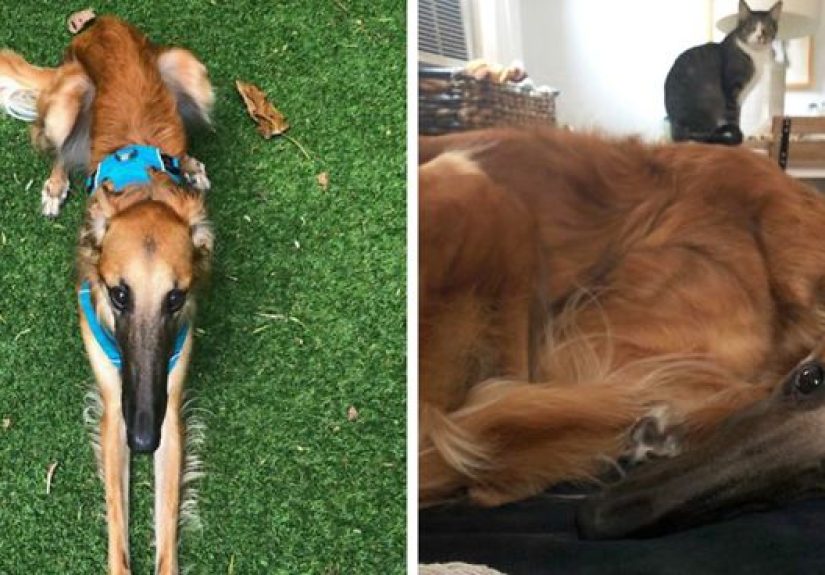
The title “78K People Follow This Borzoi On Instagram For Her Adorably Long Snout” came from a viral wave of attention that framed Tupe as the kind of dog you cannot scroll past without at least whispering, “That snoot is astonishing.” But the real reason people stayed was not just the length of her nose. It was the whole package: the regal posture, the goofy expressions, the slightly absurd elegance, and the unmistakable borzoi vibe that says, “I am refined, but I may also steal your snack when you are not looking.”
That combination of beauty and chaos is exactly why borzois keep winning hearts online. They look like runway models and act, at times, like freelance weirdos. In the case of Tupe, that contrast turned a striking dog into a social media favorite and gave curious readers an excuse to discover one of the most fascinating breeds in the canine world.
Why This Borzoi Captured Instagram So Fast
At first glance, Tupe’s appeal seems obvious. Her face is long even by borzoi standards, which is really saying something, because this breed already comes equipped with one of the most distinctive profiles in dogdom. A borzoi’s head is narrow, elongated, and sculptural. On camera, that shape becomes instantly memorable. From certain angles, the snout looks almost surreal, like a perfectly polished zoom feature attached to a cloud of silky fur.
But viral pet fame rarely lasts on looks alone. What keeps followers engaged is personality, and Tupe appears to have plenty of it. The borzoi stereotype leans heavily toward “graceful, quiet, and noble,” which is fair enough. The breed does carry itself like it expects someone to announce its entrance with a string quartet. Yet owners and fans know there is another side to the borzoi personality: silly, stubborn, sensitive, and unexpectedly funny.
That contrast made Tupe relatable in a very internet-friendly way. One photo says “Russian aristocracy.” The next says “sentient scarf with opinions.” People love animals that look majestic but behave like lovable oddballs. It is the same reason cats with judgmental eyebrows flourish online and why any dog that appears to be thinking very hard about chicken nuggets instantly develops a fan base.
What Makes a Borzoi So Unique?
The borzoi look is impossible to confuse
The borzoi, formerly known as the Russian Wolfhound, is a large sighthound originally developed in Russia. This breed was built for speed, sight, and pursuit over open terrain. Unlike scent hounds that track smells, sighthounds rely primarily on vision and explosive athleticism. That heritage explains the borzoi’s aerodynamic frame: long legs, deep but narrow chest, tucked waist, powerful hindquarters, and of course, the famously elongated head.
Everything about the borzoi silhouette suggests motion, even when the dog is doing absolutely nothing. And borzois do enjoy doing absolutely nothing with style. They can look like living artwork draped across a couch, all long limbs and flowing coat, as if a Renaissance painter decided to branch out into luxury dog portraiture.
They are athletes wrapped in silk
For all their glamour, borzois are not fragile decorative creatures. They were historically bred to pursue game, including wolves, using speed, endurance, and sharp visual focus. Modern borzois are generally gentle companion dogs, but the athletic wiring is still there. They need room to move, regular exercise, and secure spaces because once something interesting darts across their line of sight, their internal software updates to “must chase now.”
That prey drive is one of the defining facts about the breed. It is also the reason borzoi owners quickly become fans of fences, leashes, and calm, consistent training. A borzoi can be a mellow housemate one minute and a furry missile the next.
They are affectionate, but on their own terms
Borzois are often described as sweet, quiet, sensitive, and somewhat independent. That last part matters. This is not always the breed for people who want a dog that treats every command like an exciting group project. Borzois are intelligent, but they can be selective. They learn best with patience, positive reinforcement, and respect. Bullying a borzoi into cooperation is a fantastic way to discover just how committed this breed can be to dignified refusal.
That independent streak, however, is part of the charm. Borzois often bond deeply with their people without becoming clingy in a cartoonish way. They may not throw themselves into every social interaction like a Labrador with three cups of coffee, but they are loyal, gentle, and quietly loving.
Why the Long Snout Became the Star
Let us address the snoot in the room. Tupe’s long snout is not just a cute detail. It is the visual centerpiece of her popularity. Online audiences are drawn to exaggerated but naturally occurring animal features because they create instant recognition. A borzoi’s profile is already dramatic; when one individual appears especially elongated, that feature becomes shareable shorthand. People do not need a full biography to understand the appeal. One look and the reaction is immediate: delight.
There is also something oddly elegant about a borzoi face. It is not a round, plush, teddy-bear kind of cute. It is striking, refined, and just weird enough to become unforgettable. In a social media landscape crowded with fluffy sameness, a dog with a face like a luxury canoe stands out. That is not an insult. It is branding.
The long snout also photographs beautifully. It creates lines, angles, and expressions that feel almost human in their comic timing. A slight tilt of the head can make a borzoi look wistful, noble, bewildered, suspicious, or mildly offended by your furniture choices. Tupe’s images leaned into that gift, and followers responded exactly as expected: with admiration, memes, and an overwhelming urge to boop the snoot.
The Real Reason People Stay: Personality Over Proportions
Novelty may earn the click, but character earns the follow. Stories about Tupe made it clear that she is not just “the dog with the long face.” She is a full-blown personality. One of the most memorable details tied to her online fame is her reputation for clever treat theft and pocket-level mischief. That kind of behavior is funny because it clashes with the breed’s polished image. You expect a borzoi to pose like royalty, not operate like a very tall snack pickpocket.
That contrast is what makes borzoi content so entertaining. The breed’s appearance suggests ceremony. The reality often includes selective hearing, quirky habits, strategic sofa occupation, and a sense of humor that seems entirely unbothered by human expectations. Tupe’s popularity reflects how much audiences enjoy pets that feel like real characters rather than polished props.
In other words, the snout got people through the door. The borzoi nonsense convinced them to stay.
Living With a Borzoi Is Not the Same as Admiring One Online
They need grooming
That lovely coat does not maintain itself through vibes alone. Borzois have long, silky fur that benefits from regular brushing, especially during shedding periods. Their coat can be flat, wavy, or slightly curly, and it tends to feather around the neck, tail, and legs. Without consistent care, the glamorous effect can slide into “beautiful but mildly disorganized.”
They need exercise and safe management
Despite their calm indoor manner, borzois need daily movement. Long walks, secure running space, and structured activity matter. A fenced area is especially useful because a borzoi’s prey drive is not a hobby. It is a built-in operating system. Off-leash freedom in an unsecured area can go wrong very quickly.
They need thoughtful training
Borzois tend to respond best to gentle, positive methods. Harsh correction is usually ineffective and often counterproductive. This is a sensitive breed that can become bored with repetitive drills. Training works better when it feels fair, clear, and worth their time. Which, to be honest, is a pretty relatable standard.
They need health awareness
Like many large, deep-chested breeds, borzois can be at risk for serious conditions such as bloat. Owners also need to pay attention to joint and eye health. None of that means the breed is destined for problems, but it does mean responsible care matters. The glamorous profile comes with real-world duties, as most glamorous things do.
Why Borzois Thrive Online
The internet loves visual extremes, strong personalities, and repeatable humor. Borzois offer all three. Their body shape is naturally meme-friendly. Their expressions are wonderfully dramatic. Their movement has an almost animated quality, as if every hallway stroll could turn into interpretive dance. And because the breed is still relatively uncommon, many viewers are seeing a borzoi up close for the first time when they encounter an account like Tupe’s.
That rarity adds to the fascination. A golden retriever may be universally beloved, but most people already know what one looks like. A borzoi can still stop the scroll. It feels fresh, odd, elegant, and unexpectedly funny all at once. For creators and pet owners, that is social media gold.
Tupe’s popularity also benefited from timing. Social platforms reward distinctive visual identities, and few dogs have a profile as instantly recognizable as a borzoi. One glance is enough. No caption required. Though captions about snoots certainly do not hurt.
The Bigger Story Behind the Viral Headline
The title about 78K followers is catchy, but the deeper story is about how internet culture turns niche beauty into mainstream affection. Tupe became a gateway dog. People arrived because they were amused by an adorably long snout, then left knowing more about borzois, sighthounds, and the peculiar joy of sharing life with a dog that looks like both an aristocrat and a stretched-out daydream.
That is what good pet content does at its best. It entertains, yes, but it also creates curiosity. Suddenly people are learning that borzois were bred for speed, that they are affectionate but independent, that they need patient training, and that under all that elegance is a playful, sensitive companion with a mind of its own.
Tupe’s fame, then, is not really about a single body part. It is about the delightful mismatch between appearance and behavior. She looks impossibly refined, but the stories surrounding her reveal humor, mischief, and warmth. The result is the kind of online presence people remember.
Experiences That Make This Topic So Relatable
If you have ever followed a famous pet account, you already know the emotional pattern. At first, you are just curious. Then you are checking in regularly. Then, without warning, you are showing strangers a photo and saying, “Look at this magnificent long-faced creature,” like you are presenting evidence in a very adorable trial.
The experience of following a borzoi account is especially funny because borzois inspire two reactions at once: admiration and disbelief. They are objectively beautiful dogs. They also look a little bit like someone whispered “greyhound, but make it opera” and the universe said, “Done.” That tension creates endless entertainment. Every photo feels both elegant and slightly ridiculous, which is a perfect recipe for online affection.
For owners, the experience is even richer. Living with a borzoi often means discovering that the dog who looks like a museum piece is actually a soft, quirky housemate with opinions about where to nap, when to ignore you, and whether your snack was ever truly yours. The breed’s sensitivity can make them deeply endearing. They often attach closely to their families, leaning in quietly rather than demanding constant attention. That low-key affection can feel especially meaningful because it seems chosen rather than performed.
Then there are the public reactions. Taking a borzoi out into the world is rarely anonymous. People stare, ask questions, and do double takes. Some think the dog is a greyhound in a fancy coat. Others cannot get over the long head. Many simply laugh with delight. Owners of unusual-looking dogs often become accidental ambassadors, answering breed questions in parking lots, parks, and sidewalks. In Tupe’s case, the online version of that experience happened at scale. Thousands of people met the breed through one unforgettable face.
There is also a small but real comfort in pet accounts like this one. In a noisy feed filled with outrage, sales pitches, and people arguing about things they clearly learned thirty seconds ago, a borzoi with a spectacular snoot offers a brief, refreshing reset. You look, you smile, you move on slightly improved. That is not nothing. In fact, it may be one of the internet’s most useful services.
So yes, people came for the long snout. But they stayed for the familiar magic that only certain animals create: the sense that this one weird, wonderful creature has managed to brighten a corner of the day. Tupe did not just become a novelty. She became a mood, a running joke, a visual delight, and for many followers, a tiny ritual of joy in the scroll-heavy routine of modern life.
Conclusion
Tupelo’s viral fame proves that sometimes the internet gets it exactly right. A borzoi with an adorably long snout, a strong visual identity, and a goofy streak was always going to attract attention. But the reason people kept following was deeper than novelty. Tupe represents everything that makes the borzoi unforgettable: elegance without stiffness, affection without clinginess, and beauty with just enough absurdity to be truly lovable.
For dog lovers, the story is a reminder that standout looks may spark interest, but personality builds community. And in the crowded arena of pet content, that combination is rare. Tupe’s face may have started the conversation, but her breed’s history, temperament, and irresistible weirdness are what made the story stick.